Using a weekly training log helps you spot patterns by clearly recording your workouts, progress, and feelings. It simplifies tracking exercise types, sets, reps, and intensity, making subtle improvements easier to see over time. This consistency boosts motivation and helps you adjust routines for better results. By maintaining a simple, regular log, you’ll notice areas needing change before setbacks happen. Keep exploring how this simple tool can transform your approach and keep your progress on track.

Get workout gear delivered free with Prime
- Fast, free delivery on millions of items
- Prime Video, Amazon Music and more included
- Member-only deals all year
Key Takeaways
- Use consistent formatting to easily compare workouts and identify recurring trends or gaps.
- Record detailed data on exercises, sets, reps, and intensity for clear pattern recognition.
- Incorporate feelings and fatigue levels to spot overtraining or recovery needs.
- Review the log regularly to observe progress and adjust routines accordingly.
- Utilize visual tools like charts or graphs to make patterns and improvements more apparent.
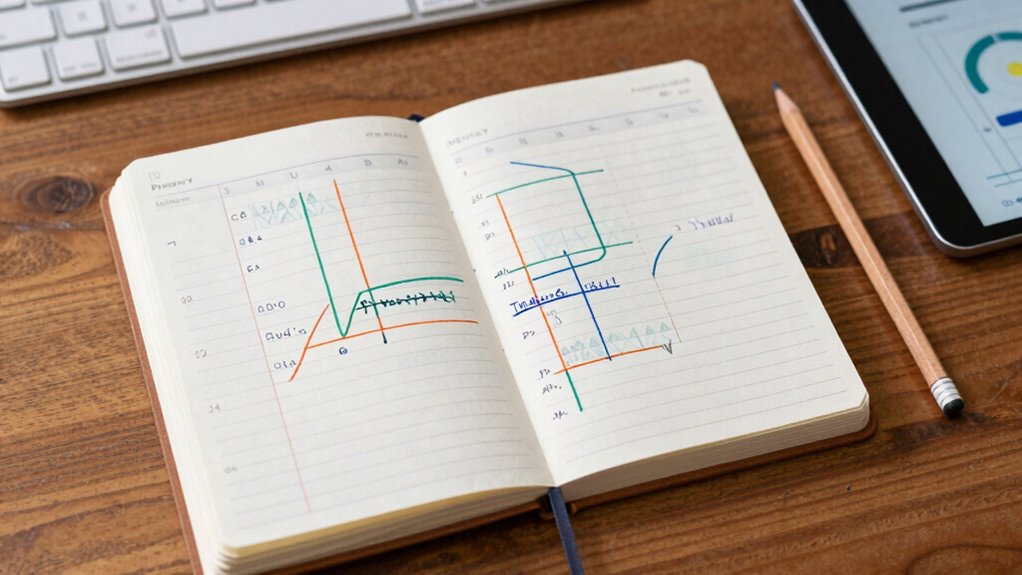
Keeping track of your training can feel overwhelming, but a dedicated weekly log simplifies the process by highlighting patterns and progress. When you document each workout, you gain a clearer picture of your training consistency, which is essential for staying motivated and on track. Consistency is what leads to steady improvement, and a well-maintained log helps you see whether you’re sticking to your schedule or need to adjust. It’s easy to forget how often you’ve trained during busy weeks, but your log provides a factual record that keeps you honest and accountable.
A weekly log clarifies your training habits, keeps you accountable, and highlights progress to stay motivated and on track.
Progress tracking is another crucial benefit. By recording details like exercise type, sets, reps, and intensity, you can observe subtle improvements over time that might otherwise go unnoticed. Maybe you lift heavier weights or increase your endurance, but without a record, these gains can feel insignificant. Seeing tangible evidence of progress boosts your confidence and encourages you to push further. Plus, it helps you identify patterns—like which workouts yield the best results or when fatigue sets in—so you can optimize your routine. Recognizing these patterns allows you to fine-tune your training for maximum efficiency.
A weekly log also makes it easier to spot inconsistencies early. If you notice gaps in your training, you can address issues before they become setbacks. For example, if you see a week with fewer workouts or less intensity, you can plan to recover or modify your schedule accordingly. This proactive approach prevents stagnation and overtraining, ensuring your training remains balanced and sustainable. Additionally, understanding your training patterns can help you align your goals with your efforts, promoting a more sustainable and effective fitness journey. Developing this awareness can also help you identify overtraining signs before they hinder your progress. Moreover, tracking your workouts can help you better understand your training needs, so you can focus your efforts on areas that require improvement. Incorporating a consistent recording routine can enhance your ability to analyze your progress and adapt your plan accordingly.
Using a weekly log doesn’t require elaborate tools—just a notebook or a simple app. The key is to be consistent in recording your workouts, including how you felt and what you accomplished. This all-encompassing approach gives you valuable insights into your overall progress and helps you stay motivated, even during challenging times. When you look back at your logs, you’ll see the cumulative effect of your efforts, reinforcing your commitment.
Ultimately, the weekly training log becomes your personal feedback system. It keeps you focused on training consistency and provides concrete evidence of your progress. With this clarity, you can set realistic goals, adjust your plan as needed, and celebrate your victories along the way. It’s a straightforward tool that makes patterns easier to see and keeps your fitness journey grounded in measurable results.
As an affiliate, we earn on qualifying purchases.
Frequently Asked Questions
How Often Should I Update My Training Log?
You should update your training log weekly to maintain training consistency and keep motivated. Regular updates help you track progress and identify patterns, making it easier to adjust your workouts as needed. Staying consistent with logging your activities guarantees you stay motivated and focused on your goals. Make it a habit to update every week, ideally right after each session, so your records remain accurate and useful for long-term success.
What Tools Are Best for Tracking Training Patterns?
You should use tools like fitness apps, spreadsheets, or dedicated training journals to track your patterns. These tools help you spot exercise variability and progress markers with ease. A good log keeps everything in one place, making it easier to see where you’re headed and adjust accordingly. Don’t put all your eggs in one basket—try different tools to find what works best for your goals and stay consistent.
How Can I Identify Plateaus in My Progress?
You can identify plateaus when your progress stalls over several weeks, despite consistent effort. Notice if your strength, endurance, or performance metrics stop improving, and your motivation dips. Regularly reviewing your training log helps spot these signs early. If you see a flat line in your data, it’s time to adjust your routine—whether by increasing intensity, changing exercises, or incorporating rest—so you can break through the plateau and regain momentum.
Should I Include Subjective Feelings in My Log?
Including subjective feelings in your log can be highly beneficial. You might find that emotional insights and motivation tracking reveal patterns linked to your performance and progress. When you note how you feel after workouts or during rest days, you gain a deeper understanding of what fuels your consistency and helps you push through plateaus. This personal data complements your quantitative metrics, making your training plan more tailored and effective.
How Long Should I Keep a Training Log Before Analyzing Patterns?
You should keep a training log for at least 4 to 6 weeks before analyzing patterns. This timeframe allows you to track motivation levels, identify progress, and spot early signs of injury prevention issues. Regularly reviewing your log helps you stay motivated, adjust training intensity, and prevent overtraining or injuries. Consistent logging over this period provides enough data to make informed decisions about your workout routine.
As an affiliate, we earn on qualifying purchases.
Conclusion
By boldly building a balanced, bulletproof training log, you’ll begin to spot subtle shifts and significant signs of success. Consistently capturing your commitments, challenges, and changes creates clarity and confidence. With this simple system, you’ll see patterns emerge, making progress more perceptible and powerful. So, stay steady, stay structured, and let your log lead you toward your goals — because in consistency, clarity, and commitment, success silently awaits.
As an affiliate, we earn on qualifying purchases.
As an affiliate, we earn on qualifying purchases.
Columbus Day / Indigenous Peoples' Day Picks
long weekend sales
As an affiliate, we earn on qualifying purchases.