
Doing more cardio to lose fat might backfire because excess exercise raises cortisol levels, which can hinder recovery, increase fat storage, and boost cravings for unhealthy foods. Elevated stress hormones make it harder to stick to your diet and slow down your progress. Instead, balancing cardio with strength training and stress management techniques supports hormonal health and fat loss. Keep going to discover how managing stress can release better, sustainable results.
Key Takeaways
- Excessive cardio can increase cortisol, which hampers fat loss and promotes muscle breakdown.
- High stress levels elevate cortisol, leading to increased appetite and cravings for high-calorie foods.
- Chronic stress disrupts hormonal balance, reducing the body’s ability to burn fat efficiently.
- Overtraining from too much cardio can impair recovery and elevate stress, hindering progress.
- Balancing cardio with strength training and stress management techniques optimizes fat loss and hormonal health.

Stress can substantially impact your ability to lose fat, often undermining your efforts even when you’re sticking to a healthy diet and exercise plan. When stress levels stay high, your body releases cortisol, a hormone that can hinder muscle recovery and disrupt your hormonal balance. Elevated cortisol not only promotes fat storage, especially around your abdomen, but also makes it harder for your muscles to recover after workouts. Without proper recovery, your progress stalls, and you might find yourself feeling more fatigued or prone to injury. It’s essential to understand that stress isn’t just emotional; it’s a physiological response that directly influences your body’s ability to burn fat effectively. Additionally, chronic stress can lead to increased inflammation, which further impairs metabolic health and recovery processes.
High stress releases cortisol, hindering fat loss, muscle recovery, and hormonal balance.
When your hormonal balance is thrown off by chronic stress, your body’s ability to utilize fat as an energy source diminishes. High cortisol levels can increase appetite and cravings for high-calorie, sugary foods, making it harder to maintain a calorie deficit. This hormonal imbalance also affects other hormones like insulin and testosterone, which play pivotal roles in fat metabolism and muscle growth. If your goal is fat loss, managing stress becomes just as important as maintaining a calorie-controlled diet and regular exercise routine. Ignoring stress can lead to a cycle where you eat more, exercise less, and struggle to see results, despite doing everything “right” on paper.
While many people think that more cardio is the key to losing fat, excessive aerobic exercise can actually exacerbate stress levels if not balanced properly. Overdoing cardio can lead to increased cortisol production, which, as mentioned earlier, hampers muscle recovery and promotes fat storage. Instead of relying solely on cardio, focus on creating a balanced workout plan that includes strength training, which supports muscle recovery and helps regulate hormonal balance. Strength training also boosts metabolism and preserves lean muscle mass, making your body more efficient at burning fat even when at rest.
In addition to adjusting your exercise routine, prioritize stress management techniques like meditation, deep breathing, or adequate sleep. These practices help lower cortisol and restore hormonal balance, allowing your body to recover better and burn fat more effectively. Remember, fat loss isn’t just about calories burned during workouts; it’s about creating a sustainable lifestyle that keeps your hormones in check and minimizes stress. Proper stress management techniques can significantly improve your results by supporting hormonal health and recovery. By managing stress proactively, you set yourself up for better muscle recovery, improved hormonal health, and, ultimately, more successful fat loss.
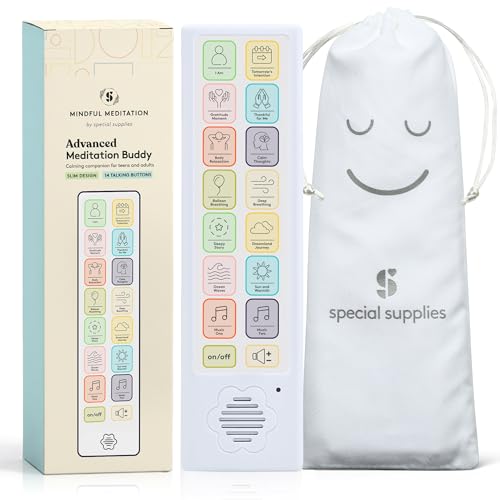
Special Supplies Meditation Buddy – Screen-Free Mindfulness & Breathing Device for Stress Relief, Daily Meditation, Anxiety Relief, Calm Focus & Emotional Balance for Kids and Adults (Adults)
Screen-Free Mindfulness Tool – Enjoy guided meditation, calm breathing, and daily mindfulness without apps, phones, or distractions. Perfect…
As an affiliate, we earn on qualifying purchases.
As an affiliate, we earn on qualifying purchases.
Frequently Asked Questions
Can Reducing Stress Improve Fat Loss Results?
Reducing stress can substantially improve your fat loss results. When you manage stress effectively, you control cortisol levels, the hormone that can promote fat storage, especially around your midsection. By practicing stress management techniques like meditation, deep breathing, or exercise, you help maintain cortisol control, which supports your metabolism and makes it easier to shed unwanted fat. Less stress means a more efficient fat loss journey overall.
How Does Sleep Quality Affect Stress and Fat Loss?
Your sleep quality can make or break your fat loss journey, acting like a superhero’s weakness. Poor sleep wrecks sleep hygiene and disrupts cortisol regulation, causing stress hormones to spike and sabotaging fat loss efforts. When you get quality sleep, you help your body recover, keep stress levels in check, and boost metabolism. Prioritize good sleep habits to optimize fat burning and keep stress at bay, transforming your results.
Are Certain Foods Better for Managing Stress and Weight?
Certain foods can help you manage stress and weight better. Focus on mindful eating by paying attention to how you feel during meals, which helps prevent overeating. Incorporate foods rich in magnesium, omega-3s, and complex carbs to stabilize mood and energy. Also, pay attention to meal timing—eating at regular intervals prevents dips in blood sugar that trigger stress. These strategies support your overall stress management and weight goals effectively.
What Role Do Hormones Play in Stress-Related Fat Retention?
Hormones are your body’s messengers, and when stress hits, cortisol acts like a fire alarm, triggering fat retention, especially around your belly. If your hormonal balance is off, it’s like trying to steer a ship with a broken compass. Proper cortisol regulation helps manage stress and prevents hormonal imbalance, making it easier to shed fat. Staying calm and supporting your adrenal health keeps hormones in check, helping you achieve your fat loss goals.
Is Strength Training More Effective Than Cardio for Fat Loss?
Strength training, especially resistance training focused on muscle building, is more effective than cardio for fat loss. It boosts your metabolism by building lean muscle, which burns more calories even at rest. Plus, it helps preserve muscle mass during weight loss, giving you a toned appearance. Incorporating resistance training into your routine accelerates fat loss and improves overall body composition better than cardio alone.

StrongVit Cortisol Supplements for Women and Men with Magnesium, Ashwagandha & L-Theanine. High Cortisol Reducer, Manager, Detox, Lower and Control. Sleep Support & Stress Relief, USA
16-in-1 Extra Strength Supplement: Unlock a wave of relaxation with our powerful magnesium complex cortisol supplement. Featuring L-Theanine,…
As an affiliate, we earn on qualifying purchases.
As an affiliate, we earn on qualifying purchases.
Conclusion
So, next time you’re pounding the treadmill, remember: stressing your body more might just be sabotaging your fat loss goals. Maybe, just maybe, embracing a little calm could actually help you shed those extra pounds instead of adding more stress to the mix. Who knew that less cardio and more chill might be the secret? But hey, keep sweating—because nothing says “healthy” like chasing weight loss chaos with more chaos. Good luck!

Strength Training for Fat Loss
As an affiliate, we earn on qualifying purchases.
As an affiliate, we earn on qualifying purchases.

Nature's Bounty Sleep + Stress Support, Sleep3 Maximum Strength 100% Drug Free Sleep Aid, Dietary Supplement with Ashwagandha, Time Release Technology, 10mg, 28 Tri-Layered Tablets
100% DRUG-FREE SLEEP AID: Nature’s Bounty Sleep3+ Stress Support is the first and only maximum strength tri-layer, 100%…
As an affiliate, we earn on qualifying purchases.
As an affiliate, we earn on qualifying purchases.