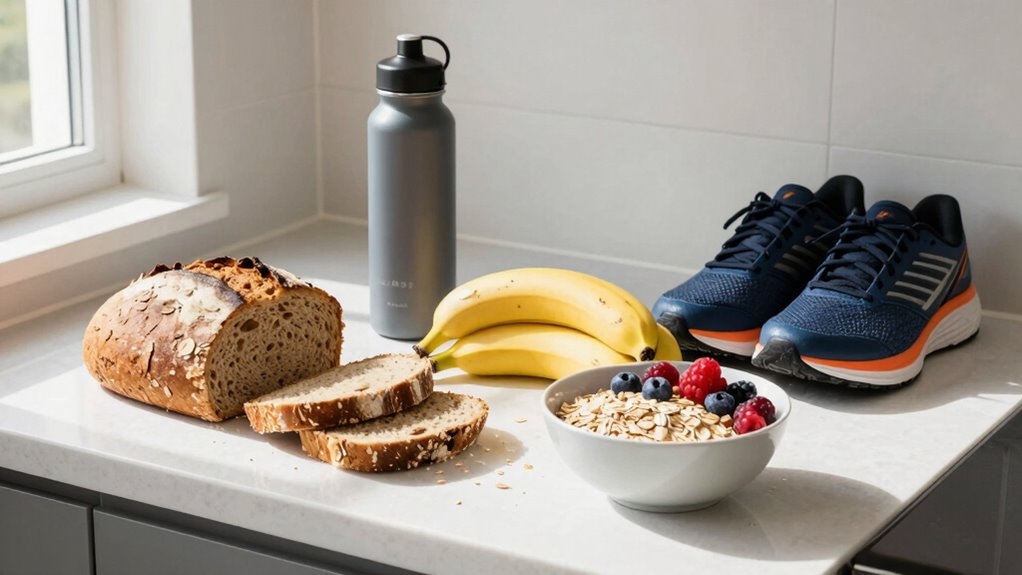

To fuel your cardio without feeling sluggish, focus on timing your carb intake wisely. Have a small, carbohydrate-rich snack about an hour before exercising for quick energy. During longer sessions, sip on carb-electrolyte drinks to maintain blood sugar. After workouts, pair quick carbs with protein to replenish glycogen and aid recovery. Proper timing and choice of carbs prevent sluggishness and bloating—if you want more tips, you’ll find useful strategies as you explore further.
Key Takeaways
- Consume quick-digesting carbs like fruit or grains 30-60 minutes before cardio for immediate energy.
- Incorporate moderate carbs during longer cardio sessions with electrolyte drinks to maintain blood sugar levels.
- Time your post-workout carbs paired with protein within 30-60 minutes to replenish glycogen and prevent sluggishness.
- Use carb cycling to adjust intake based on workout intensity, reducing carbs on rest days to avoid feeling bloated.
- Avoid excessive carbs immediately before or during exercise to prevent energy crashes and feelings of sluggishness.

Carbohydrates and cardio workouts are closely linked because the type and timing of carbs you consume can markedly impact your energy levels and performance. If you want to maximize your cardio sessions without feeling sluggish, paying attention to your post workout nutrition is vital. After a good workout, your muscles are depleted of glycogen, and replenishing these stores quickly helps reduce fatigue and speeds recovery. Consuming the right carbs soon after exercising can jump-start this process, giving you sustained energy for your next session. Simple carbs, like fruit or quickly digested grains, are ideal right after exercise because they get absorbed fast, restoring glycogen levels promptly. Pairing these with some protein can further enhance recovery, but the key is to get those carbs in within 30 to 60 minutes post-workout. This window is essential for optimizing glycogen replenishment and minimizing muscle soreness.
Consuming quick carbs within 30-60 minutes post-workout boosts glycogen and speeds recovery.
Another strategy that works hand-in-hand with post workout nutrition is carb cycling. This approach involves alternating carbohydrate intake on different days based on your activity level. On high-intensity or longer cardio days, you might increase your carb intake to fuel your workout and aid recovery. Conversely, on rest days or lighter sessions, you reduce carbs to help your body utilize stored fat more effectively. Carb cycling prevents your body from becoming accustomed to a constant carb intake, which can lead to insulin resistance or weight gain if not managed properly. It also helps you tailor your nutrition to match your energy needs, ensuring you don’t feel sluggish during your cardio routines. By strategically planning when to eat more carbs, you can maintain consistent energy levels and improve endurance over time.
Timing is everything when it comes to fueling your cardio workouts. You should aim for a small, carbohydrate-rich snack about an hour before hitting the gym, like a banana or a small bowl of oatmeal. This provides readily available energy without feeling too heavy. During longer cardio sessions, consider sipping on a carbohydrate-electrolyte drink to maintain blood sugar levels and prevent fatigue. After your workout, don’t neglect your post workout nutrition—quick carbs paired with protein will support muscle repair and glycogen restoration. Remember, the goal is to feel energized and ready for your next session, not sluggish or bloated. Incorporating proper nutrition strategies can further enhance your performance and recovery. Paying attention to how your body responds to different carb levels on various days, and adjusting accordingly, is key. Ultimately, managing your carb intake around your cardio workouts ensures you stay energized, recover faster, and avoid feeling drained or sluggish.

BARE PERFORMANCE NUTRITION Go Bar, Oat Based Endurance Training Snack 36g of Carbohydrates and 200 Calories Per Serving, 12 Bars Per Box, Original Oat
- Product Name: BARE PERFORMANCE NUTRITION Go Bar
- Type: Oat-based endurance snack
- Carbohydrates: 36g per serving
As an affiliate, we earn on qualifying purchases.
As an affiliate, we earn on qualifying purchases.
Frequently Asked Questions
What Are the Best Low-Gi Carbs for Cardio?
You should choose low-GI carbs like fiber-rich foods and specific fruit choices such as berries, cherries, and apples. These options provide sustained energy without causing blood sugar spikes, making them ideal before cardio. Incorporate whole grains, nuts, and seeds for added fiber. By fueling with these foods, you’ll maintain steady energy levels, improve endurance, and avoid feeling sluggish during your workout.
How Does Carb Timing Affect Workout Energy?
Carb timing directly impacts your workout energy by managing glycogen depletion and insulin response. Eating carbs about 30-60 minutes before exercise boosts glycogen stores, giving you sustained energy. If you wait too long, your insulin response drops, risking sluggishness. Consuming low-GI carbs earlier helps maintain stable blood sugar levels, preventing crashes. Timing your carb intake strategically guarantees you have enough glycogen and steady energy throughout your workout.
Can Keto or Low-Carb Diets Support Cardio Performance?
You might find that keto or low-carb diets support cardio performance, but it varies. The ketogenic benefits include improved fat burning and sustained energy, which can enhance endurance. However, low-carb challenges like initial fatigue or reduced high-intensity power may occur. If you adapt gradually, you can often maintain or even improve your cardio, but listen to your body and adjust as needed for ideal results.
What Signs Indicate I’M Not Fueling Properly?
If you’re not fueling properly, you might feel fatigued, shaky, or unable to maintain your workout intensity. You could notice sluggish recovery and decreased performance. To prevent this, pay attention to hydration strategies and meal timing—eat balanced meals with carbs and protein before exercise, and stay hydrated. Also, avoid skipping meals or waiting too long between eating and training, which can leave you low on energy during your cardio sessions.
Are Sugar Alcohols Beneficial or Harmful Before Exercise?
Think of sugar alcohols as gentle rain before a run—they can be beneficial, but too much might cause digestion issues. They have lower calorie content, helping you avoid excess energy spikes, but can sometimes lead to bloating or discomfort if consumed in excess. Before exercise, small amounts of sugar alcohols can provide a steady energy release without feeling sluggish, but watch your tolerance to prevent digestion troubles.

Skratch Labs Hydration Sports Drink Mix – Real‑Fruit Electrolyte Powder for Fast Hydration & Endurance | Lemon & Lime | 20 Servings | Vegan, Non‑GMO, Clean Ingredients
- Electrolyte Replacement: Replaces lost electrolytes for hydration
- Performance Hydration: Supports energy and endurance during activity
- Clean Ingredients: Made with real food, no artificial additives
As an affiliate, we earn on qualifying purchases.
As an affiliate, we earn on qualifying purchases.
Conclusion
Now that you know how to fuel your body without feeling sluggish, you’re ready to conquer your cardio sessions like a well-oiled machine. Think of carbs as the fuel that keeps your engine running smoothly—too little, and you’ll stall; too much, and you might overheat. Balance is key. By choosing the right carbs at the right times, you’ll glide through your workouts with the ease of a boat on calm waters, feeling energized and unstoppable.
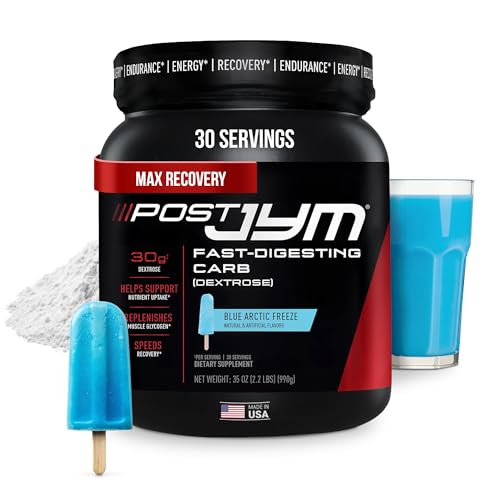
Post JYM Carb Fast Digesting Post Workout Recovery Powder
- Muscle Glycogen Replenishment: Supports quick glycogen recovery after workouts
- Great Taste: Delicious flavor that makes recovery enjoyable
- Fast Absorption: Contains dextrose for rapid glycogen replenishment
As an affiliate, we earn on qualifying purchases.
As an affiliate, we earn on qualifying purchases.

Carb Cycling for Beginners: A Complete Guide to Carb Cycling for Weight Loss. Burn Fat, Build Lean Muscle, Boost Energy, Improve Sleep and Enjoy Food. Includes a 4-week Simple Carb Cycling Meal Plan!
As an affiliate, we earn on qualifying purchases.
As an affiliate, we earn on qualifying purchases.