If you only rely on plain water during indoor workouts, you’re likely to feel more fatigued and sluggish than necessary. Without replenishing electrolytes like sodium, potassium, magnesium, and calcium, your muscles and nerves can’t function properly, leading to cramps, dizziness, and reduced performance. Hydrating solely with water might improve fluid levels but won’t prevent imbalances. Understanding how to manage electrolytes can make your workouts more effective and easier—keep going to learn more about optimizing your hydration strategy.

Get workout gear delivered free — and shop member deals
- Fast, free delivery on millions of items
- Access to Prime Big Deal Days deals on October 6–7
- Prime Video, Amazon Music and more included
Key Takeaways
- Relying solely on water without replacing lost electrolytes can impair muscle function and cause fatigue.
- Neglecting electrolyte intake during indoor workouts leads to dehydration symptoms despite drinking fluids.
- Failing to replenish minerals like sodium and potassium hampers hydration and reduces workout performance.
- Using only water may cause an imbalance that results in muscle cramps and sluggishness.
- Incorporating electrolyte-rich drinks helps maintain mineral balance, enhancing endurance and recovery.
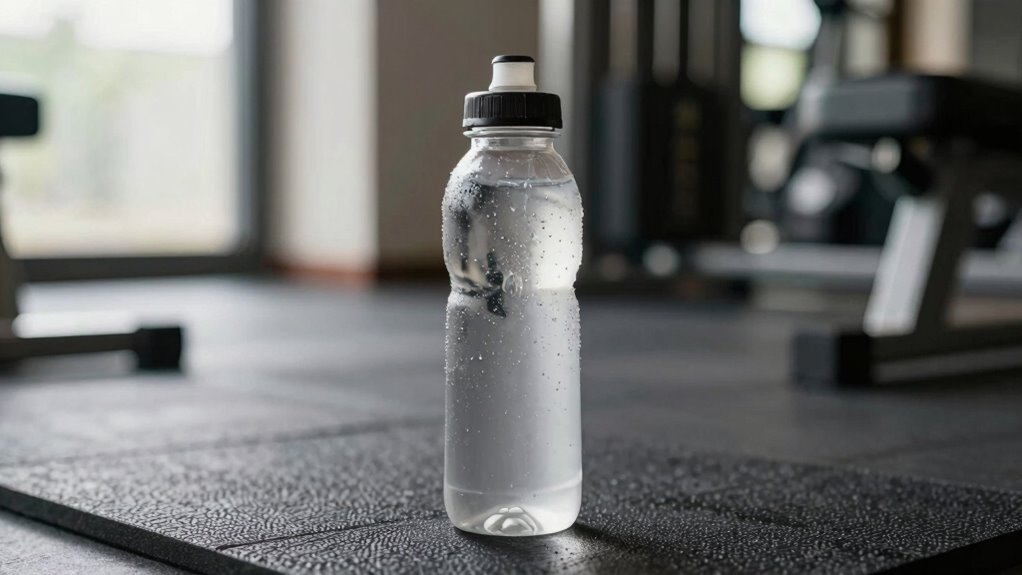
Are you making a common hydration mistake during indoor training? Many cyclists and fitness enthusiasts overlook a critical aspect of staying properly fueled: maintaining electrolyte balance. It’s easy to grab plain water and sip it throughout your session, but that can actually do more harm than good. When you neglect electrolytes, your body struggles to retain water and regulate nerve and muscle function, which can lead to dehydration symptoms even if you’re drinking fluids regularly. This imbalance makes your workout feel harder, saps your energy, and prolongs recovery.
Neglecting electrolytes during indoor training can lead to dehydration, muscle cramps, and decreased performance.
When your electrolyte levels dip, you might notice muscle cramps, dizziness, or fatigue that doesn’t seem to improve with water alone. These dehydration symptoms aren’t always obvious until you’re already feeling drained. The problem is that water alone only replaces lost fluids, not the minerals like sodium, potassium, magnesium, and calcium that your body needs to function optimally. Without these electrolytes, your body can’t effectively absorb water, leading to a vicious cycle of dehydration and fatigue. It’s a mistake many make, assuming that as long as they’re drinking, they’re properly hydrated. But hydration isn’t just about volume—it’s about electrolyte balance.
To avoid this common mistake, you should pay attention to what you’re drinking. Incorporate electrolyte-rich drinks or supplements designed for endurance training. These products help replenish the minerals lost through sweat and keep your electrolyte balance steady. You don’t need to overdo it, but a small amount of electrolytes during longer sessions can make a significant difference. Also, keep an eye on your sweat rate and adjust your hydration plan accordingly. If you notice salty residue on your skin or clothing after workouts, it’s a sign you’re losing a lot of electrolytes and need to replenish more effectively. Paying attention to your hydration strategies can help prevent imbalances and improve your performance.
In addition, understanding your sweat rate can help tailor your electrolyte intake for optimal results. Neglecting electrolyte balance during indoor training can leave you feeling sluggish and make your workout unnecessarily difficult. You might think you’re well-hydrated because your water bottle is empty, but if your electrolytes are out of whack, your muscles won’t perform at their best, and your recovery will take longer. Remember, hydration isn’t only about drinking water; it’s about drinking the right fluids that help your body maintain the necessary mineral balance. Staying mindful of hydration science can help you optimize your fluid intake and prevent common mistakes. Once you start paying attention to this, indoor training will feel a lot more manageable, and you’ll notice better endurance, quicker recovery, and fewer dehydration symptoms.
Frequently Asked Questions
How Much Water Should I Drink During Indoor Workouts?
You should aim to drink about 7-10 ounces of water every 10-20 minutes during indoor workouts. Focus on your hydration habits and listen to your body’s signals. Use water intake strategies like sipping regularly rather than gulping. Make certain you’re staying hydrated before, during, and after your session. Proper hydration helps maintain energy levels and prevents fatigue, making your indoor training feel easier and more effective.
Can Overhydration Cause Performance Issues?
Yes, overhydration can cause performance issues. When you drink too much water, you risk overhydration, which dilutes your electrolyte balance. This imbalance can lead to hyponatremia, a dangerous condition causing confusion, cramps, and fatigue. To avoid these risks, focus on maintaining proper hydration by balancing water intake with electrolytes, especially during intensive indoor workouts. Proper hydration helps sustain energy levels and prevents performance from suffering.
What Are Signs of Dehydration During Indoor Training?
Don’t ignore the signs of dehydration during indoor training — you’ll hit a wall faster. Watch for dry mouth, dizziness, or muscle cramps, which point to dehydration and disrupted electrolyte balance. Many hydration myths make people overlook these signals, but staying alert helps. Keep your hydration and electrolyte levels in check, and drink consistently to avoid feeling drained and maintain peak performance.
Does Electrolyte Intake Impact Indoor Training Hydration?
Electrolyte intake considerably impacts your indoor training hydration by maintaining electrolyte balance, which helps your body absorb fluids more effectively. When you replenish electrolytes like sodium, potassium, and magnesium, your body can better retain and utilize hydration, reducing fatigue and cramping. Without proper electrolyte support, fluid absorption slows, making workouts feel harder. So, including electrolyte-rich drinks or supplements can optimize hydration, keeping you energized and performing at your best indoors.
When Is the Best Time to Hydrate Before Indoor Exercise?
The best time for hydration timing is about 30 to 60 minutes before indoor exercise. During this pre-exercise drinking, you should sip water or an electrolyte-rich beverage to guarantee your body is well-hydrated without feeling overly full. This helps optimize performance and prevents dehydration. Remember, consistent hydration throughout the day also supports your indoor training, but focusing on pre-exercise drinking ensures you’re ready when you start.
Conclusion
Imagine your body as a finely tuned race car. When you neglect proper hydration, it’s like running on low fuel—performance drops, and the ride becomes harder. Staying well-hydrated keeps your engine running smoothly, making indoor training feel more natural and less like a battle. Don’t let dehydration be the pit stop that slows you down. Fill your tank with water, and you’ll cruise through your workouts with ease, racing toward your fitness goals.
Fall Picks
fall essentials
As an affiliate, we earn on qualifying purchases.