
To breathe through intervals without panicking, focus on controlled, rhythmic breathing—inhale deeply through your nose for two counts, then exhale slowly through your mouth for three or four counts. Use mental strategies like visualizing calming scenes or repeating affirmations to stay focused. Pay close attention to your breath’s sensation, and gently remind yourself to slow down if it becomes rapid. Mastering these techniques will help you maintain calm and confidence when pushing through tough moments; keep going to discover more.
Key Takeaways
- Practice rhythmic breathing: inhale through the nose for two counts, exhale through the mouth for three or four counts.
- Focus on breath awareness and mindfulness to stay present and prevent hyperventilation or panic.
- Visualize calming scenarios and use affirmations to boost confidence during intense efforts.
- Break efforts into smaller segments, concentrating on each breath to maintain control and reduce overwhelm.
- Develop consistent breathing patterns during warm-up to make automatic responses during intervals more natural.

When you’re pushing through high-intensity intervals, controlling your breathing can make a big difference in maintaining your performance and endurance. During these demanding moments, it’s common to feel your heart race and your mind start to panic. But with the right breathing techniques and mental strategies, you can stay calm, focused, and in control. The key is to consciously regulate your breath rather than letting it become erratic or shallow. This helps prevent panic and keeps your oxygen levels steady, fueling your muscles and clearing your mind.
Start by adopting a rhythmic breathing pattern. As you power through an interval, try to breathe in deeply through your nose for a count of two, then exhale slowly through your mouth for a count of three or four. This extended exhale activates your parasympathetic nervous system, which promotes relaxation and reduces stress. It also prevents you from hyperventilating, which can lead to dizziness or feelings of panic. Practice this pattern during your warm-up so it becomes second nature during your intense efforts. When you hit a challenging phase, focus solely on maintaining this steady rhythm. It acts as an anchor, grounding your mind and preventing it from spiraling into anxiety.
Adopt a rhythmic breathing pattern to stay calm and focused during intense intervals.
Mental strategies play a *vital* role in managing your breathing during intervals. Visualize a calming scenario, like breathing in the serenity of a peaceful place, and then exhale tension and stress with each breath. Repeating affirmations such as “I am in control” or “I can handle this” reinforces your confidence and shifts focus away from discomfort. Breaking the interval into smaller, manageable segments can also help. Instead of thinking about the entire effort, concentrate on just the next breath or the next few seconds. This reduces feelings of being overwhelmed and helps you stay present.
Another effective mental strategy is to use mindfulness. Pay close attention to your breath, noticing the sensation of air entering and leaving your body. This mindfulness keeps your mind engaged in the present moment, rather than dwelling on fatigue or fear. If you notice your breathing becoming shallow or rapid, gently remind yourself to slow down and deepen your breath. Over time, this practice improves your ability to respond calmly to the physical and mental stresses of intervals. Practicing breath regulation regularly can help you develop greater control and resilience during demanding workouts.
Incorporating these breathing techniques and mental strategies into your training will empower you to handle interval workouts without panicking. With practice, you’ll develop a natural rhythm and mental resilience that keeps you steady under pressure, helping you push through with confidence and control.
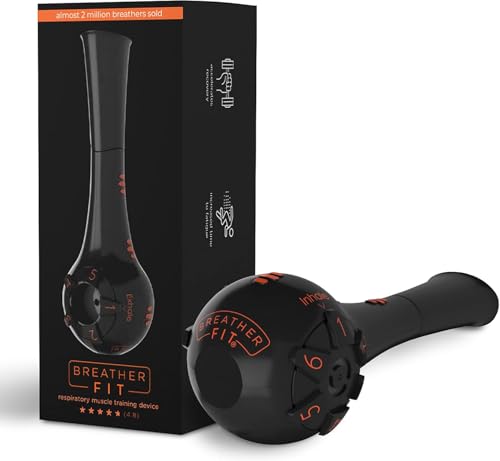
The Breather Fit – Lung Trainer for Athletes – Portable Breathing Exercise Device for Lungs – Respiratory Muscle Strengthener – Lung Exerciser Device – Breath Trainer – Coaching App Included
- Enhances Lung Strength: Boosts lung capacity and breathing efficiency
- Ideal for Athletes: Supports high-performance training and endurance
- Quick Daily Routine: Only 5 minutes of exercises daily
As an affiliate, we earn on qualifying purchases.
As an affiliate, we earn on qualifying purchases.
Frequently Asked Questions
Can Breathing Techniques Improve Overall Athletic Performance?
Yes, breathing techniques can improve your overall athletic performance. By practicing breath control, you enhance your oxygen efficiency, allowing your muscles to function better during intense activities. Proper breathing helps you stay calmer and more focused, reducing fatigue and increasing endurance. When you learn to manage your breath effectively, you can push harder, recover faster, and perform at a higher level, making these techniques essential for athletic success.
What Are Common Mistakes to Avoid When Practicing Interval Breathing?
When practicing interval breathing, avoid common mistakes like disrupting your breathing rhythm or rushing your breaths. Focus on maintaining steady, controlled inhalations and exhalations to help with anxiety management. Don’t hold your breath or breathe too shallowly, as it can increase panic. Keep your breathing consistent, and listen to your body’s cues. By staying calm and focused, you’ll improve your performance and reduce anxiety during intense intervals.
How Does Breathing Influence Mental Focus During High-Intensity Workouts?
Your breathing can be a game-changer, like a lighthouse guiding you through chaos. When you focus on steady breathing patterns, you enhance your mental clarity, keeping panic at bay during high-intensity workouts. Proper breath control helps you stay present, sharpens your focus, and prevents mental fog. By consciously regulating your breath, you maintain calmness and confidence, allowing your mind to stay clear and your performance to reach new heights.
Are There Specific Breathing Exercises for Beginners?
Yes, there are simple breathing exercises for beginners. Try diaphragmatic breathing by inhaling deeply through your nose, filling your belly, then slowly exhaling through your mouth. You can also practice box breathing—inhale for four seconds, hold for four, exhale for four, and hold again. These techniques help calm your nerves and improve focus during workouts, making it easier to breathe through intervals without panicking.
How Long Does It Typically Take to Master Interval Breathing?
Mastering interval breathing usually takes a few weeks to a month, depending on your dedication. As you practice, you’ll fine-tune your breathing rhythm, allowing your lung capacity to expand naturally. Think of it as sculpting your breath—each session chisels away hesitation. With consistent effort, you’ll find yourself breathing more effortlessly during intervals, transforming panic into calm confidence and making every breath a steady, empowering rhythm.

YeeBeny Breathing lamp Guided 3 Color 478s Meditation for Stress Relief
- Breathing Lamp Function: Reduces stress and promotes relaxation
- High-Quality Silicone Material: Soft surface with elegant white design
- Ideal Gift Choice: Perfect for family and friends
As an affiliate, we earn on qualifying purchases.
As an affiliate, we earn on qualifying purchases.
Conclusion
Remember, staying calm and focused during intervals is possible. Even if you feel overwhelmed, trust your breath and keep going—panic isn’t the answer. You might think you can’t handle the intensity, but every breath you take through it makes you stronger. Embrace the challenge, knowing you’re building resilience with each interval. So, breathe deeply, stay present, and remind yourself: you’ve got this. Your progress depends on your calm, confident breath.

Sparthos High Altitude Training Mask, Running Breathing Mask -Black
- Workout Time Reduction: Cuts workout time in half
- Enhanced Breathing: Promotes full, deep breaths
- Builds Endurance: Increases stamina and reduces fatigue
As an affiliate, we earn on qualifying purchases.
As an affiliate, we earn on qualifying purchases.

Mindsight 'Original Breathing Buddha' Guided Visual Meditation | 3 Modes to Slow Your Breathing & Calm Your Mind | Stress & Anxiety Relief | Wellness Gift | Adults, Kids, Classrooms | USB Rechargeable
- Purpose: Calm, focus, and promote peaceful sleep
- Usage: Three breathing modes and night light
- Breathing Modes: 4/7/8, 5/5, 4/4/4/4 patterns
As an affiliate, we earn on qualifying purchases.
As an affiliate, we earn on qualifying purchases.