
Relying solely on motivation is risky because it’s fleeting and varies daily, making consistency hard. Instead, focus on building systems and habits that operate automatically, reducing the need for willpower. Small, consistent changes, paired with triggers and environmental cues, create momentum over time. Tracking your progress and planning for setbacks helps strengthen these systems, so you sustain effort without relying on fleeting motivation. Keep going, and you’ll discover how to transform habits into lasting change.

Get workout gear delivered free with Prime
- Fast, free delivery on millions of items
- Prime Video, Amazon Music and more included
- Member-only deals all year
Key Takeaways
- Relying solely on motivation is unreliable; building systems and habits ensures consistent progress regardless of fluctuating motivation.
- Small, incremental adjustments and routines automate behavior, reducing the need for willpower and making habits sustainable.
- Automating tasks and designing environmental cues make desired behaviors effortless and less dependent on motivation.
- Tracking progress and celebrating small wins reinforce positive habits and maintain momentum without relying on motivation.
- Breaking goals into manageable steps and establishing routines creates self-sustaining systems that persist beyond fleeting motivation.
Understanding the Flaws of Motivation

Have you ever relied solely on motivation to get through a tough task? Chances are, it didn’t last. Motivation is fleeting; it comes and goes based on mood, energy, or external circumstances. When you depend on it, you’re fundamentally riding an emotional rollercoaster, which isn’t reliable or sustainable. One day, you feel inspired; the next, you’re stuck in a slump. This inconsistency makes motivation an unstable foundation for long-term success. It’s also heavily influenced by your current state of mind, which can be affected by stress or fatigue. Relying only on motivation sets you up for failure because it ignores the fact that discipline and systems are what truly keep you moving forward, regardless of how you feel in the moment. Incorporating systematic planning into your approach creates a more stable and reliable path to your goals. Recognizing that motivation is unpredictable highlights the importance of building routines and structures that operate independently of emotional states. Developing habitual behaviors ensures progress even when motivation wanes, reinforcing the value of consistent effort over fleeting feelings. Understanding that data-driven strategies yield measurable results can help you stay committed to your plans without being swayed by temporary emotional highs or lows. Additionally, understanding the Gold IRA markets can help you establish a long-term focus that isn’t swayed by short-term emotional fluctuations.
The Power of Habit Formation
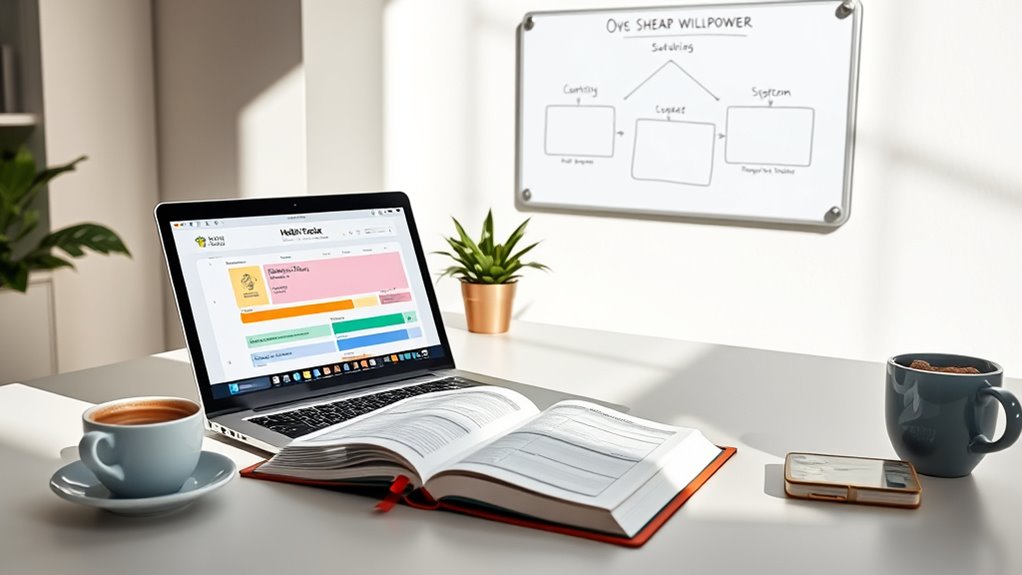
While relying solely on motivation is unreliable, establishing strong habits can provide the steady support needed to maintain progress. When you turn actions into habits, they become automatic, reducing the mental effort required. This shift helps you stay consistent even when motivation wanes. To build effective habits, focus on:
Strong habits make progress automatic and sustain consistency, even when motivation fades. Focus on small, repeated actions.
- Starting small: Break tasks into manageable steps to ensure success.
- Consistent cues: Use triggers like specific times or environments to prompt behavior.
- Repetition: Practice routines regularly until they become second nature.
- Proper maintenance: Just as air purifiers need regular filter checks, developing consistent routines ensures habits stay effective over time. Incorporating habit tracking can also reinforce progress and highlight areas for improvement. Additionally, understanding the science of habit formation can help tailor strategies to make habits more enduring, especially by choosing halal-certified foods that align with your values and simplify decision-making. Regularly reviewing your lease terms can ensure you stay on track with your commitments, much like maintaining habits.
Designing Systems for Consistency

You can build systems that make consistency effortless by automating routine tasks, so they happen without contemplating. Setting clear triggers helps you stay on track and avoid decision fatigue. Simplifying choices ensures you maintain steady progress without feeling overwhelmed. Incorporating practical routines for beginners into your routine can also boost confidence and create a strong foundation for long-term consistency. Additionally, understanding firewood handling techniques can streamline your woodworking process and reduce physical strain. Recognizing the importance of pinball machine weight in home setup planning can further ensure safe and manageable installation, especially given the varying weights of different models.
Automate Routine Tasks
Automating routine tasks is essential for maintaining consistency and freeing up your mental energy for more strategic work. When you set up systems to handle repetitive chores, you reduce decision fatigue and minimize the chance of errors. To get started, identify tasks that drain your time and energy daily or weekly. Then, implement automation tools or routines to handle them seamlessly. For example, you might:
- Schedule recurring emails or reminders
- Use apps to automate bill payments
- Create templates for common responses or reports
- Integrate smart home automation to manage lighting, climate, and security settings automatically, enhancing both convenience and safety.
Establish Clear Triggers
Establishing clear triggers is essential for ensuring your systems operate consistently and reliably. A trigger acts as a prompt that reminds you to take action without relying on willpower. To create effective triggers, choose specific cues tied to your environment or routines. For example, placing workout clothes by your bed makes morning exercise an automatic step. Make triggers obvious and unavoidable, so they stand out and prompt immediate action. Avoid vague cues; be precise to prevent confusion or procrastination. Consistent triggers help your brain associate certain circumstances with specific behaviors, turning habits into automatic responses. When triggers are reliable, maintaining your system becomes effortless, reducing the mental effort needed to stay on track. Clear triggers turn intentions into habits, ensuring your system functions smoothly over time. Additionally, integrating electric bikes into your routine can serve as a motivating cue to stay active and energized throughout the day. Understanding aroma oil diffusers and their benefits can also serve as environmental cues to promote relaxation and focus, reinforcing your system of habits. Recognizing ceiling fans as a cue for comfort can help you establish routines around climate control, making your environment more conducive to consistency. Leveraging crypto pump tools can provide timely alerts that help you stay ahead of market movements, turning market analysis into automatic responses. Incorporating smart appliances that respond to specific triggers can further automate your routines, making habit formation even easier.
Simplify Decision-Making
Simplifying decision-making is key to maintaining consistency in your habits. When you reduce choices, you eliminate hesitation and mental fatigue. This helps you stick to your routines without relying on willpower. To make this happen, consider streamlining your environment and routines. For example, you can:
- Limit options, such as choosing one healthy snack instead of several
- Automate tasks, like setting a fixed workout schedule
- Create routines that require minimal decision, like prepping clothes the night before
Small Changes, Big Impact

You can make a real difference with small adjustments to your daily routine. Consistently applying these tweaks over time builds momentum and lasting habits. Automating routine tasks helps you stay on track without relying solely on motivation. Incorporating sleep hygiene practices into your routine can further enhance your progress and overall well-being. Establishing a consistent sleep schedule supports your body’s natural rhythms and boosts your motivation. Using wellness technology like sleep trackers and smart lighting can also help you monitor and improve your sleep habits more effectively. Small behavioral changes grounded in sleep science make it easier to sustain healthy habits without relying solely on willpower.
Tiny Adjustments Matter
Have you ever wondered how small changes can lead to significant results? Tiny adjustments, when consistently applied, can transform your habits over time. These subtle shifts don’t require massive effort or motivation; instead, they build momentum naturally. For example, you might:
- Swap out a soda for water daily
- Take a five-minute walk after lunch
- Replace one screen hour with reading
Each small tweak might seem minor, but combined, they create a powerful ripple effect. By focusing on tiny adjustments, you reduce resistance and make progress feel manageable. Over days and weeks, these small changes compound, leading to noticeable improvements. Remember, it’s not about drastic overhaul but rather strategic, incremental steps that make your goals more achievable.
Consistency Over Time
While small changes may seem insignificant on any single day, their true power lies in consistency over time. When you stick with these tiny adjustments daily, they accumulate into meaningful progress. It’s not about making giant leaps but about showing up consistently, even when motivation wanes. Over weeks and months, these steady efforts compound, transforming habits and shaping your outcomes. The key is persistence—repeating simple actions day after day, regardless of how you feel. This builds momentum, making it easier to maintain your progress without relying on willpower. Eventually, these consistent behaviors become second nature, and your long-term success no longer depends on fleeting motivation, but on the reliable system you’ve created through persistent small steps.
Automate Daily Routines
Small, consistent actions build momentum over time, but maintaining them can be challenging amidst daily distractions. To make progress effortlessly, automate your routines. Set up systems that require minimal effort and mental energy. For example, you can:
- Prepare your workout clothes and gear the night before
- Use reminders or timers to prompt healthy habits
- Schedule recurring tasks at fixed times to create consistency
Automation removes decision fatigue, making it easier to stick with positive habits. It turns actions into habits, so you don’t have to rely on motivation alone. Over time, these small, automatic adjustments become second nature, helping you stay on track without constant mental effort. Small changes, when automated, lead to substantial long-term results.
Identifying Triggers and Cues

Understanding your triggers and cues is essential because they often set off the behaviors you’re trying to change. Recognizing these signals helps you catch habits before they take hold. Pay attention to your environment, emotions, and times of day when cravings or routines typically occur. For example, you might notice that stress prompts you to snack or that boredom leads to scrolling social media. Keep a journal or mental note of these moments to identify patterns. Once you’re aware of your triggers, you can start designing your environment and routines to minimize their impact. This awareness allows you to create strategic pauses, replace harmful cues with healthier ones, and build a system that supports your goals without relying solely on motivation or willpower.
Building Accountability Into Your Routine

Have you ever noticed how accountability can powerfully reinforce your habits? When you involve others or set external checks, you’re more likely to follow through. Building accountability into your routine helps turn intentions into actions without relying solely on motivation. You can:
- Share your goals with a friend or family member to create social pressure.
- Schedule regular check-ins or progress updates to stay on track.
- Use apps or tools that track your progress and send reminders.
These strategies keep you honest and committed, making it harder to ignore your habits. Accountability transforms your routine from a solo effort into a shared responsibility, boosting consistency and reducing the need for willpower. Over time, this external reinforcement becomes part of your system, making habits stick effortlessly.
Automating Success Through Environment
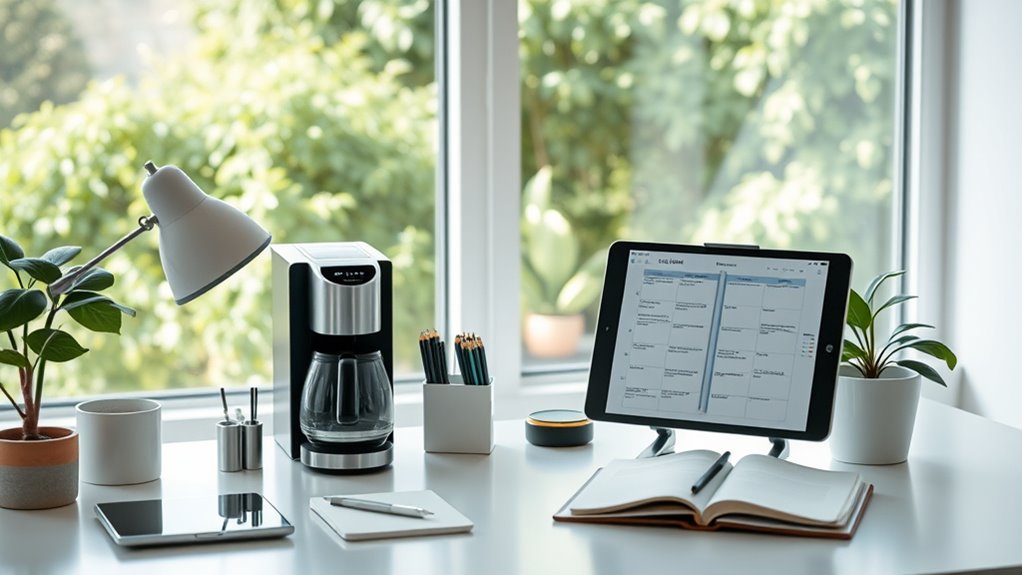
Your environment plays a crucial role in shaping your habits, often more than you realize. By intentionally designing your surroundings, you can make good behaviors easier and bad ones harder. For example, if you want to eat healthier, keep nutritious snacks visible and accessible, while hiding junk food. If you aim to exercise more, set out your workout clothes the night before. Small adjustments, like turning off notifications or placing your work materials where you can see them, create cues that prompt desired actions. Automating success through environment removes the need for constant willpower—your surroundings do the heavy lifting. Over time, these subtle changes become ingrained, making positive habits automatic. When your environment supports your goals, you reduce friction and make success a natural part of your daily routine.
Tracking Progress to Reinforce Behavior

You can stay motivated by tracking your progress with visual indicators that show how far you’ve come. Logging your data consistently helps you notice patterns and stay accountable. Celebrating small wins along the way keeps your momentum strong and reinforces your behavior.
Visual Progress Indicators
Visual progress indicators serve as powerful tools to reinforce positive behavior by providing immediate, tangible feedback. They make your progress visible, helping you stay motivated without relying solely on willpower. When you see a clear sign of achievement, it boosts your confidence and encourages consistency. Using visual cues taps into your natural desire for completion and mastery. To maximize their effectiveness:
- Use charts or graphs to display your progress over time
- Place visual cues in prominent locations to remind you regularly
- Celebrate milestones with visual markers like stickers or badges
These indicators turn abstract goals into concrete evidence of your efforts. They create a sense of momentum and help you recognize small wins, making continued progress feel rewarding and automatic.
Consistent Data Logging
Tracking your progress through consistent data logging transforms abstract goals into concrete evidence of effort. When you record your actions regularly, you create a clear picture of your habits, making progress measurable and tangible. This accountability fuels motivation, even on tough days. To visualize this, consider the following example:
| Day | Activity Completed | Notes |
|---|---|---|
| Monday | 30-minute run | Felt energized |
| Wednesday | 20-minute meditation | Less stress |
| Friday | Read 10 pages | Gained insight |
Celebrating Small Wins
Have you ever noticed how celebrating small wins can boost your motivation? Recognizing progress keeps you engaged and reinforces positive habits. When you hit a milestone, it fuels your momentum and makes the journey feel rewarding. To effectively celebrate, consider these strategies:
- Mark achievements with a small reward, like a favorite treat or break
- Reflect on how far you’ve come during your progress check-ins
- Share your wins with friends or a support group for encouragement
Celebrating small wins helps your brain associate effort with positive outcomes, making it easier to stay committed. It shifts your focus from what’s left to what you’ve already accomplished. Over time, these celebrations build confidence and make your habits stick. Small victories matter—they keep you motivated without relying solely on willpower.
Overcoming Obstacles With Systematic Strategies

Because obstacles can often feel overwhelming, relying on random motivation alone rarely leads to success. Instead, you need systematic strategies that help you navigate challenges effectively. Break down big problems into smaller, manageable steps so frustration doesn’t build up. Anticipate common setbacks and plan how to handle them before they occur. Use cues and routines to keep yourself on track, making progress feel automatic rather than dependent on fleeting motivation. When faced with a setback, analyze what went wrong and adjust your approach, rather than abandoning your efforts. This proactive mindset builds resilience and keeps you moving forward, regardless of how you feel in the moment. By establishing these strategies, you create a reliable system that minimizes the impact of obstacles.
Sustaining Motivation Through System-Driven Success
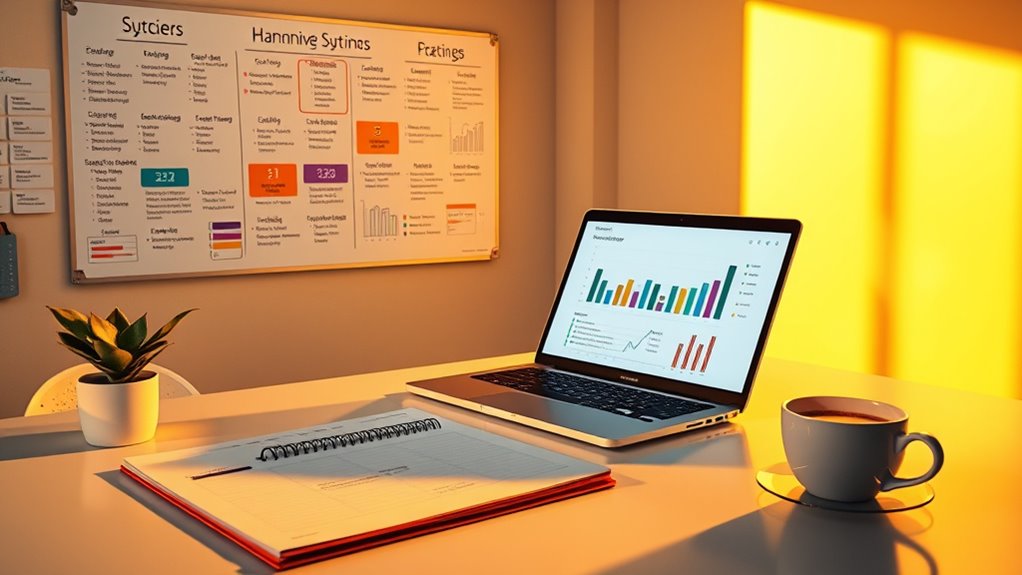
While motivation can ebb and flow, building success through system-driven habits helps sustain your drive over the long term. When your actions become automatic, you’re less dependent on fleeting feelings of enthusiasm. This consistency reinforces your progress, making setbacks less discouraging. To maintain momentum, focus on:
- Creating routines that reinforce your goals daily
- Tracking your progress to see tangible results
- Surrounding yourself with supportive, like-minded people
These strategies keep you anchored, even when motivation wanes. By designing systems that prioritize consistency, you shift your focus from relying on willpower to cultivating habits. Over time, these habits become self-sustaining, ensuring you stay on course without constantly needing a motivational boost. This approach transforms motivation from a fragile spark into a steady flame.
Frequently Asked Questions
How Do I Start Building Effective Habits if I Lack Initial Motivation?
You can start building effective habits even if motivation is low by focusing on small, simple actions. Commit to just 2 minutes of the habit each day—like stretching or reading one page. Use triggers, like tying the habit to an existing routine, to make it automatic. Celebrate small wins to reinforce progress. Over time, these tiny steps will build momentum, making the habit feel natural and less reliant on motivation.
What Are Common Mistakes to Avoid When Designing Behavioral Systems?
When designing behavioral systems, avoid setting overly ambitious goals that can lead to frustration. Don’t rely solely on motivation; instead, create simple, consistent routines you can stick with daily. Avoid neglecting your environment—organize it to support your habits. Don’t ignore progress or setbacks; track them to stay motivated. Finally, don’t forget to adjust your system as needed—flexibility ensures sustainability and keeps you moving forward.
How Long Does It Typically Take to See Results From System-Based Changes?
You can start noticing results from system-based changes in as little as a few days to a few weeks. Typically, consistent effort accelerates progress, making habits more ingrained and noticeable within 21 to 30 days. Keep in mind, individual factors influence the timeline, but persistence and system optimization guarantee that you’ll see positive changes sooner rather than later. Stay committed, and results will follow.
Can These Systems Be Adapted for Different Personality Types?
Absolutely, these systems can be tailored to fit different personality types. You can customize your approach by adjusting the routines, accountability methods, and reward structures to match your preferences and tendencies. For example, if you’re more introverted, you might prefer solo check-ins or quiet reflection, while extroverts might thrive with social accountability. The key is to adapt the system so it feels natural and sustainable for you.
How Do I Recover From Setbacks Without Losing System Momentum?
When setbacks hit, you might think stopping is easier, but that’s the real trap. Instead, acknowledge the slip, then get right back into your system without overthinking. Ironically, pushing through setbacks with a forgiving attitude keeps your momentum alive. Celebrate small wins, adjust your approach if needed, and remember, consistency beats perfection. You’re building resilience, not just a habit, so stay flexible and keep moving forward.
Conclusion
Remember, just like Odysseus relied on his trusted ship to navigate treacherous waters, building a solid system guides you past the storms of motivation and willpower. When you design your habits and environment thoughtfully, you create a reliable vessel that carries you forward, no matter the weather. Embrace the power of systems over fleeting motivation, and you’ll find yourself reaching your goals with less effort and more consistency—your own epic journey begins today.
Halloween Picks
halloween
As an affiliate, we earn on qualifying purchases.