TL;DR

Get workout gear delivered free with Prime
- Fast, free delivery on millions of items
- Prime Video, Amazon Music and more included
- Member-only deals all year
A Fit&Well report describes two drills recommended by trainer Yancy Culp: slow, deliberate walking and slow high knees. Culp says to practice consistently and increase the challenge gradually; the source does not provide research results showing how much balance improves.
Fit&Well has outlined two drills recommended by trainer Yancy Culp for people seeking to practice balance: walking very slowly to extend the time spent on each step, and performing high-knee raises at a deliberately slow pace. Culp advises practicing regularly and increasing the challenge over time, though the report does not cite research measuring the drills’ effects.
Culp, identified by Fit&Well as a Spartan DEKA co-creator and senior director, says balance supports everyday movement and coordination. His first exercise, which he calls “delayed walking,” involves walking slowly for several minutes each day. The aim is to spend longer balancing on one foot while shifting between steps than during a normal walk. He recommends gradually extending that interval.
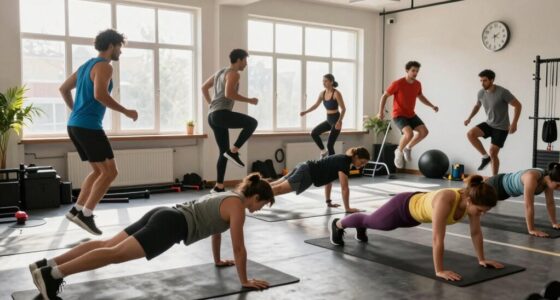
The second drill adapts a standard high-knee exercise. Culp advises raising one knee slowly and taking three seconds to complete the movement before setting the foot down, then continuing for two minutes daily. His proposed progression adds one second to each leg cycle every fifth day. The report says this schedule would reach a 10-second cycle in 35 days.
Culp also suggests increasing the challenge during high knees, including briefly closing the eyes or reaching down to touch the foot with both hands. These are suggestions from the trainer, not requirements for beginners. The source does not specify a starting fitness level, a standard test for progress, or evidence that every reader should attempt those added challenges.
Practicing Balance in Daily Movement
The drills offer readers a structured way to practice balance through familiar movements rather than starting with prolonged one-leg stands. Slow walking focuses attention on the brief single-foot phase of each step, while controlled knee raises ask the participant to remain steady as a leg moves.
Culp links balance with confidence in movement and says it becomes more important with age. The report also presents balance practice as potentially relevant to fall risk, but it provides no data showing that these two exercises prevent falls or reduce injury. Their practical significance is more limited: they give readers two simple routines to try, with progression described in concrete terms.
Because balance can vary with health, mobility and surroundings, the suggested pace and challenge may not suit everyone. Readers who feel unsteady can adapt the movements and use a stable support. The report does not offer individualized exercise or medical advice.
balance exercise equipment for seniors
As an affiliate, we earn on qualifying purchases.
As an affiliate, we earn on qualifying purchases.
Culp’s Everyday Balance Test
The Fit&Well report frames one-leg balance as one of five fitness checks Culp uses to help people think about areas of physical fitness. The other checks, according to the article, concern cardiovascular fitness, strength and mobility. The source does not describe a validated assessment or provide scoring criteria, so it is best understood as a practical prompt rather than a diagnosis.
Culp gives tying a shoe while standing as an example of a task that combines balance and coordination. Fit&Well’s writer also recounts improving at putting on socks while standing on one leg after practicing regularly over several months. That is a personal account, not a controlled test of the two drills presented here. The article’s central advice is to practice consistently and make the movements harder gradually.
“Balance is one of the clearest indicators of how well the body is functioning day to day.”
— Yancy Culp, quoted by Fit&Well
As an affiliate, we earn on qualifying purchases.
Evidence and Safety Questions
The supplied report does not cite clinical research or other comparative evidence for the drills. It gives Culp’s recommendations and a writer’s personal experience, but does not establish how much improvement readers can expect, how quickly it may occur, or whether the proposed schedule works equally well for different ages and abilities.
It is also unclear how the exercises should be modified for people with existing balance problems, pain, injury or other health conditions. Closing the eyes or reaching toward the foot can make a balance task harder; the source does not set out safety instructions for those variations. Anyone who feels at risk of falling should avoid attempting a challenging version without appropriate support and seek guidance from a qualified health or exercise professional where needed.
As an affiliate, we earn on qualifying purchases.
A Gradual Practice Plan
The report gives a schedule rather than a formal follow-up milestone: practice delayed walking for several minutes a day, or slow high knees for two minutes daily, and increase the challenge gradually. For the high-knee drill, Culp’s suggested progression is to add one second to the leg cycle every fifth day. Readers should treat that as his proposed plan, not a tested requirement or a guarantee of improvement.
People trying the movements can begin beside a stable surface and use a range of motion they can control. The source provides no prescribed way to measure results, so it remains unclear whether readers should judge progress by longer holds, steadier steps or another measure. Fit&Well’s report does not announce further testing or a follow-up study.
stability ball for balance training
As an affiliate, we earn on qualifying purchases.
As an affiliate, we earn on qualifying purchases.
Key Questions
What are the two balance drills?
Delayed walking means walking unusually slowly to spend longer balancing on each foot during a step. The second drill is a slow high-knee raise, with the movement taking several seconds before the foot returns to the ground.
How often does Culp recommend practicing?
Culp suggests doing delayed walking for several minutes each day and slow high knees for two minutes daily. These are his recommendations as reported by Fit&Well, not a universal prescription.
How does the high-knee progression work?
Culp proposes adding one second to each leg cycle every fifth day. The report says that schedule reaches a 10-second cycle in 35 days; it does not provide evidence that this pace is right for every person.
Should beginners close their eyes during the drill?
Closing the eyes is one of Culp’s suggested ways to make the exercise harder, not a necessary starting step. Because it can make balance more difficult, people who feel unsteady should leave it out and use a stable support or seek professional guidance.
Do the drills prevent falls?
The report does not establish that these exercises prevent falls. Culp says balance is relevant to movement and fall risk, but the source provides no measured results showing the drills reduce falls or injuries.
Source: rss
Fall Picks
fall essentials
As an affiliate, we earn on qualifying purchases.