TL;DR

Get workout gear delivered free with Prime
- Fast, free delivery on millions of items
- Prime Video, Amazon Music and more included
- Member-only deals all year
Adjustable dumbbell sets combine multiple weight settings in one pair of handles, saving storage space compared with a rack of fixed weights. Before buying, match the set’s weight range and increments to your exercises, check that its adjustment system feels secure and easy to use, and follow the maker’s instructions for setup and care.
A single pair of adjustable dumbbells can replace a line of weights that would otherwise stretch across your floor. That sounds simple until you try to store the tray, change the load between exercises, or curl a handle that feels wider than you expected.
Adjustable dumbbell sets combine multiple weight settings in one pair of handles, using dials, selector pins, twisting systems, or removable plates. They can make home strength training more compact, but the right choice depends on your space, your exercises, and how much weight you expect to lift.
This guide explains how the mechanisms work, what weight range and increments to look for, and how to check comfort, safety, and value. You’ll also get a practical buying checklist, so you can compare real models instead of getting swept up by the biggest number on the box.
Adjustable dumbbell sets save space by combining several weight settings in one pair, but the tray or stand still needs a stable home.
Choose the usable range and increment sizes around the exercises you plan to do, not just the set’s maximum weight.
Dial, selector, twist, and plate-loaded systems trade adjustment speed against simplicity; try the mechanism or study its instructions before buying.
Check handle width, texture, balance, and overall dimensions because adjustable models can feel bulkier than fixed dumbbells.
Confirm that weights are fully seated and locked, follow the maker’s instructions, and avoid dropping a set unless its manufacturer allows it.
How adjustable dumbbells change weight between exercises
Adjustable dumbbells change the load on a handle by adding or removing weight through a dial, selector pin, twist mechanism, or plates. The system lets you move from a lighter setting to a heavier one without keeping a separate pair of fixed dumbbells for every exercise. That can make a compact home workout feel more like training in a small gym.
On a dial system, you usually set the desired weight while the dumbbell rests in its cradle, then lift the handle and selected plates together. A selector-pin model uses a pin or latch to connect the handle to the chosen weight blocks. Plate-loaded designs work more like a barbell: you add or remove plates and secure them with collars. Each approach has a different rhythm.
For example, imagine moving from 10-pound curls to 20-pound rows. A fast selector may make that change in seconds; a plate-loaded set may take longer but have a simpler construction. That difference matters if you use timed circuits, though it may matter less if you rest between sets.
Think of the mechanism like choosing between a quick-release camera strap and a simple buckle: convenience is useful, while a secure fit matters every time. Check the manufacturer’s instructions and make sure all selected parts are seated and locked before lifting. The mechanism should feel clear in your hands, not like a puzzle you solve mid-workout.
Products Worth Considering

BowFlex Results Series SelectTech Adjustable Dumbbells (Pair)

Bowflex SelectTech 840 Adjustable Kettlebell
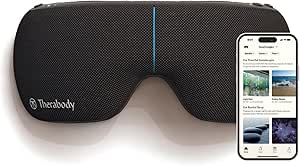
Therabody SmartGoggles 2nd Gen Heated Eye and Temple Massager
As an affiliate, we earn on qualifying purchases.
Pick a weight range that fits your workouts now and later
The right weight range is the range that covers the exercises you plan to do, with room for your strength to grow. A set that tops out too soon can limit rows or presses, while a very heavy set may cost more and feel cumbersome if most of your training involves lighter movements. Your exercise list is a better starting point than the highest number in an advertisement.
Write down the movements you expect to practice: curls, shoulder raises, presses, rows, or lunges. Those exercises can call for quite different loads. For instance, a beginner doing controlled shoulder raises may reach for a much lighter setting than they use for a two-handed row. A set that serves only the heaviest movement can feel awkward for everything else.
Weight increments matter, too. If a curl feels manageable at one setting but the next jump makes your form wobble, you may need a smaller step. This is one reason two sets with similar maximum weights can serve different people: the set with more gradual options may give you more room to build steadily.
Some brands offer expansion kits, but compatibility varies by model and version. Check the exact product’s full range, increment sizes, and expansion details before counting on future upgrades. If you share workouts with someone else, compare the lighter settings as well as the maximum; the useful range needs to fit both of you.
Buying cue: Choose the weight steps you can use across your planned exercises, not just the heaviest setting you might reach someday.
Compare adjustment styles before you buy
Dial and selector systems usually make weight changes faster, while plate-loaded sets offer a straightforward way to add or remove individual plates. Twist-style designs fall between these approaches, depending on the model. No mechanism wins for every home gym: your routine, tolerance for setup time, and preference for moving parts should guide the choice.
If you move quickly through a workout, a fast selector can help you keep your session flowing. If you do a few exercises with longer rests, taking an extra moment to change plates may not bother you. A person sharing equipment with a partner may value clear markings and simple adjustments, because neither has to guess which setting the other left behind.
Look closely at how the weights lock in place and what the maker says about handling. A complicated dial is only convenient when it engages properly; a basic plate system still needs collars secured correctly. Recent designs may offer clearer indicators or smaller cradles, but product details differ, so examine the exact model rather than assuming every set from one brand works the same way.
Before purchasing, try the adjustment if you can. If you shop online, read the setup instructions and check whether weight changes happen only in the tray. Imagine changing from presses to curls with slightly sweaty hands: can you see the indicator, grip the handle, and understand the next step without fumbling? That small scenario can tell you more than a polished product photo.
| Style | What to expect | Good fit when |
|---|---|---|
| Dial or selector | Quick changes through a marked selector | You value speed between exercises |
| Twist system | Weight selection through a turning handle or control | You want a compact system and like its adjustment feel |
| Plate-loaded | Plates are added or removed by hand | You prefer a simple setup and accept slower changes |
Check grip, balance, and size before judging comfort
Comfort depends on the handle’s diameter and texture, how balanced the dumbbell feels, and how much space the weight blocks take up around your hand. Adjustable models can be longer or bulkier than fixed dumbbells, especially at light settings, so a high weight range does not automatically mean a comfortable lift. Fit matters most when you repeat a movement many times.
Picture a set of curls at home: the handle rests in your palm, but wide weight blocks brush your forearms at the top of each repetition. That small annoyance can change how the exercise feels, even if the weight itself is appropriate. Rows or presses may feel different, so think about the specific movements you plan to do.
Check the grip texture and handle width if a store sample is available. When shopping online, look for the handle and overall dimensions rather than relying on a close-up photograph. The dumbbell’s balance can also change across settings: a lighter selection may leave a long, unusual shape compared with a compact fixed-weight pair.
Storage deserves the same attention. Adjustable sets usually take less room than a full rack of equivalent fixed weights, but their tray or stand still needs a stable, level spot. Measure the place where you plan to keep the set, including room to lift each dumbbell out and return it without bumping a wall or furniture. A compact footprint helps only if you can use it comfortably.
Use a simple checklist to compare real-world value
A good buying comparison weighs the full package: usable range, increments, comfort, adjustment method, storage, warranty, and the cost of stands or expansion parts. The sticker price alone cannot show whether a set replaces the range of fixed weights you would actually use. A cheaper model may suit occasional training; another may offer better fit and flexibility for frequent sessions.
Start with your space and routine. If you have room for a tray beside a sturdy bench and plan to train several times a week, quick adjustments might save enough friction to matter. If your workouts are occasional and you prefer simple hardware, a slower plate-loaded set could suit you better. Either way, check what the warranty covers and whether replacement parts are available.
Use this short process before you choose:
- List your exercises and estimate which loads you need for each one.
- Compare increments to see whether the next setting is a comfortable step up.
- Check the handle and dimensions against your grip and storage space.
- Read the locking instructions and confirm how the set should sit in its tray.
- Add the full cost of a stand, expansion kit, or other required accessories.
For example, two people comparing sets may find that the higher-priced option includes a stable stand, while the lower-priced set needs a separate purchase. Put both totals on the same page, then compare the exact models’ ranges and warranty terms. That makes “value” a practical question: which set supports your routine without surprise costs or awkward compromises?
Keep adjustable dumbbells secure with careful setup and storage
Adjustable dumbbells are safest to use when their selected weights are fully seated, locked as instructed, and lifted from a stable starting position. Before each set, take a moment to check the mechanism and return the dumbbell to its cradle or tray as the maker directs. That habit is simple, especially when you are moving between exercises quickly.
Set the base on a level, stable surface before selecting a weight. If a plate, block, pin, or dial does not sit as expected, pause and reset it instead of trying to lift through uncertainty. For instance, if you hear a click that seems incomplete while changing settings, place the handle back in the tray and follow the product instructions again.
Many manufacturers advise against dropping adjustable dumbbells because an impact can damage moving parts or loosen components. If your workouts include movements where you normally drop weights after a difficult repetition, check whether your chosen model is designed for that use. Otherwise, lower the dumbbells under control and set them down carefully.
Keep the set clean and stored in its intended place. A crowded floor, tilted tray, or loose plate is a poor start to a session. Treat the selector like the latch on a garden gate: check that it has caught before you lean on it. Follow the model’s own setup and care instructions, since mechanisms and limits vary from set to set.
Frequently Asked Questions
Are adjustable dumbbells as good as regular dumbbells?
Adjustable dumbbells can cover many of the same exercises as fixed dumbbells and take less room than a rack of weights. They may feel bulkier, and their moving parts need careful setup. The better fit depends on your exercises, available space, and preference for changing weights.
What weight range should a beginner buy?
There is no single range that suits every beginner. Start by listing the movements you plan to practice and compare the loads you can control comfortably across them. Check the smallest increments too, since gradual steps can help you progress without a jump that disrupts your form.
Are small weight increments important?
Small increments can be useful when the next larger setting feels like too big a jump, especially on lighter movements such as curls or shoulder raises. They matter less if the available steps already fit your training. Compare the increments across the full range rather than looking only at the maximum weight.
Can you drop adjustable dumbbells?
Many manufacturers advise against dropping them because an impact can damage selectors or loosen parts. Check the care instructions for your exact model. If the maker does not allow drops, lower the weights with control and set them down carefully.
Do adjustable dumbbells take up less space than a rack?
They usually need less storage space than a comparable range of fixed dumbbells. You still need room for the tray or stand and enough clearance to lift the handles out. Measure the planned storage spot before buying so the set fits your actual room.
Are expansion kits compatible with every set from a brand?
No. Expansion kits may work only with specific models or versions. Check the exact product name, compatible range, and added weight before counting an expansion kit as part of your future training plan.
Conclusion
Before you buy, match the weight range and increments to your exercises, then check the grip, mechanism, footprint, and full accessory cost. A set that feels secure and easy to adjust is more likely to fit naturally into your workouts.
Pick the pair that belongs in your routine, not the one with the loudest number on its box. A good home gym starts with equipment you can reach for, set up, and use with confidence.