
TL;DR

Get workout gear delivered free with Prime
- Fast, free delivery on millions of items
- Prime Video, Amazon Music and more included
- Member-only deals all year
Adjustable dumbbell sets replace multiple fixed weights with one adaptable handle. They save space, support progressive overload, and cater to different workout styles. Picking the right model depends on weight range, adjustment speed, and durability.
Imagine transforming your living room into a compact gym with just one set of weights. Adjustable dumbbell sets make that possible. They’re designed to pack a variety of weights into a single, space-efficient handle, so you can switch from a warm-up curl to a heavy deadlift without clutter or hassle.
Whether you’re a beginner or an experienced lifter, understanding how these systems work—and which features matter—can help you pick the perfect set. This isn’t about flashy gadgets; it’s about practical, effective fitness tools that fit your space and your goals.
Choose a set with a weight range that supports both your current and future strength goals.
Quick-adjust systems like selector dials or twist-lock handles save time during workouts.
Prioritize durable, metal handles and quality locking mechanisms to ensure safety and longevity.
Modern models now offer micro-increments and compact designs, making steady progress easier.
Regularly inspect and maintain your adjustable dumbbells for safety and durability.
What Makes Adjustable Dumbbell Sets So Handy?
Adjustable dumbbell sets are a game-changer for home workouts. Picture this: a single handle that transforms from 5 lb to 50 lb with just a twist or a dial. They cut down clutter, cost less than a full rack of fixed weights, and let you progress gradually.
Say goodbye to stacking multiple dumbbells in your corner. Instead, you get a sleek, versatile tool that adapts to your strength and training style. Plus, they’re perfect for small spaces—no more sacrificing floor room for bulky equipment.
For example, a typical set might go from 5 lb for warm-ups to 50 lb for serious lifts—covering most beginner to intermediate needs. Some high-end models even push past 100 lb, ideal for advanced strength training.
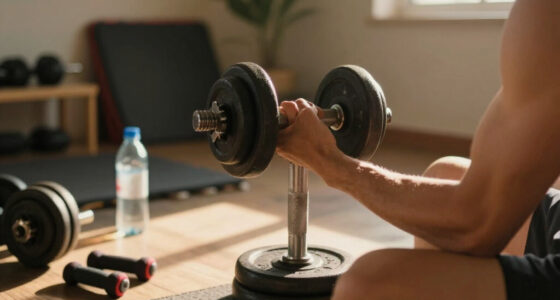
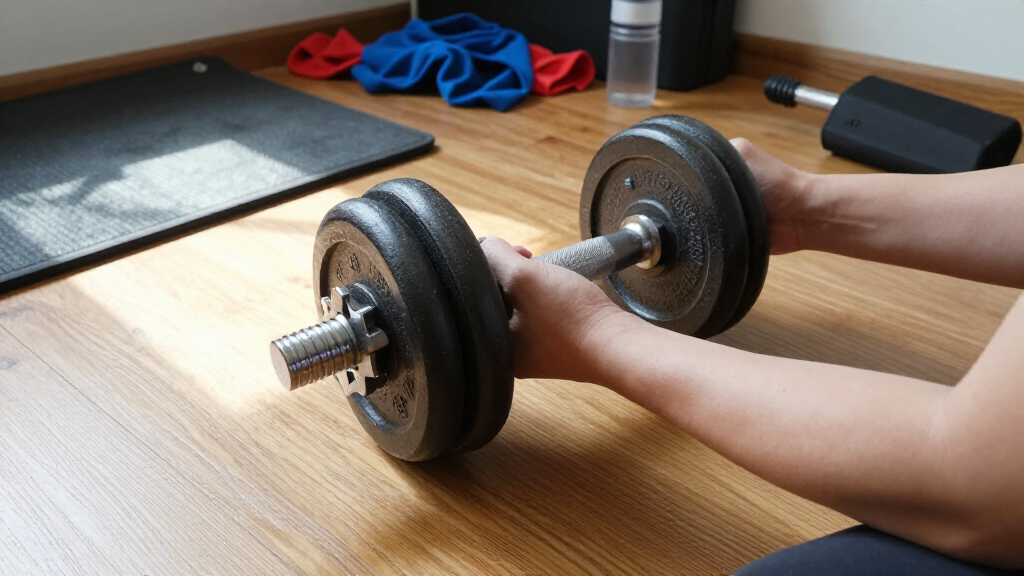
adjustable dumbbell set with quick adjustment
As an affiliate, we earn on qualifying purchases.
As an affiliate, we earn on qualifying purchases.
How Do You Pick the Best Adjustable Dumbbell Set for You?
Choosing the right set starts with understanding your workout needs. Do you focus on light weight for rehab or high weights for building strength? The answer shapes your choice.
Here’s a quick guide:
- Weight Range: Match the maximum weight to your current and future goals. Beginners might need 10-50 lb, while advanced lifters may want 100+ lb.
- Adjustment Speed: Need quick changes for circuits? Selector dials and twist-lock handles change weights in seconds. For less frequent switching, plate-loaded models work fine.
- Build Quality: Metal components last longer, especially if you plan to drop or move the set often. Plastic parts are cheaper but may wear faster.
- Size and Fit: Check if the dumbbell stays full length at all weights or shortens as you remove plates. Comfort and control matter.
- Expansion and Accessories: Can you add more plates later? Do you need a stand or storage cradle?
For example, a user who lifts heavy and wants quick transitions might prefer a selector dial system with a high weight capacity. Meanwhile, a beginner focusing on lighter weights and gradual progress might choose a simple spin-lock model.
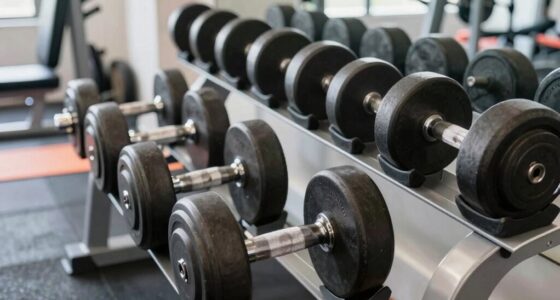
space-saving adjustable dumbbells for home gym
As an affiliate, we earn on qualifying purchases.
As an affiliate, we earn on qualifying purchases.
The Types of Adjustable Dumbbells: Which One Fits Your Style?
Adjustable dumbbells come in several designs, each with pros and cons. Here’s a comparison table to help you decide:
| Type | Advantages | Drawbacks |
|---|---|---|
| Selector Dial | Fast, easy, clearly marked | More moving parts, can be bulky, sensitive to drops |
| Pin or Slider | Quick to change, straightforward | Pin can wear out, might misalign over time |
| Twist-Lock Handle | Compact, clean look, quick adjustments | Usually stay in cradle during adjustment, less flexible |
| Plate-Loaded Spin-Lock | Affordable, durable, easy to expand | Slower to change, handles can protrude and feel awkward |
| Premium Modular | High capacity, small increments, replaceable parts | Higher cost, proprietary components |
Understanding these differences matters because each mechanism influences your workout experience, convenience, and long-term durability. For instance, selector dials offer speed but may be bulkier and more prone to mechanical issues, which could require repairs or replacements over time. Plate-loaded models, while slower to adjust, tend to be more durable and easier to repair, making them a good choice for those prioritizing longevity. The twist-lock handles strike a balance, offering quick adjustments without excessive complexity, but they may feel less flexible during dynamic routines. Choosing the right type hinges on your workout style, maintenance willingness, and space considerations. Consider how often you’ll need to change weights, the importance of quick transitions, and your tolerance for potential repairs. This tradeoff analysis ensures you pick a system that aligns with your fitness journey and lifestyle, rather than just the initial convenience.
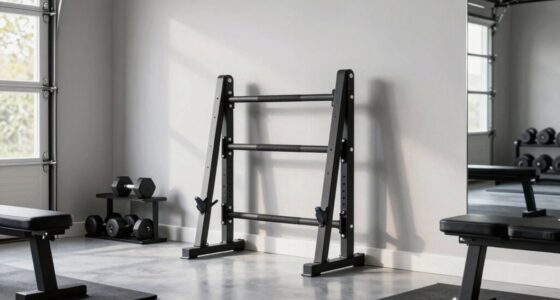
dumbbell set with 50 lb weight range
As an affiliate, we earn on qualifying purchases.
As an affiliate, we earn on qualifying purchases.
What Should You Look For When Buying an Adjustable Dumbbell Set?
Not all adjustable dumbbells are created equal. Here are key factors to consider:
- Range and Capacity: Will it cover your current workouts and future progress? Think about exercises like squats, presses, and rows—heavier weights often needed for lower-body lifts.
- Adjustment Speed: Do you need quick changes for circuits or slow, deliberate adjustments?
- Build and Durability: Will it withstand your workout style? Metal handles and quality locking mechanisms last longer, reducing the likelihood of breakage or malfunction during intense sessions. Cheaper plastic parts might save money upfront but could lead to premature wear, frustration, or safety issues. Investing in quality ensures that your equipment remains reliable as your strength and training demands grow.
- Size and Storage: Will it fit your space? Consider the length at lighter weights and whether a stand is included. Compact designs can help maximize limited room, but overly long dumbbells may hinder certain exercises or storage options.
- Price and Expansion: Can you add plates later? Is the initial investment worth it for your goals? Sometimes spending more initially on a system that allows future expansion saves money long-term, preventing the need for buying new equipment as your training progresses. Conversely, if your goals are modest, a basic model might suffice, provided it meets your current needs.
For example, a home gym owner with limited space might prioritize a compact set with a sturdy stand, while a developing athlete might focus on expanding capacity over time, choosing a system that allows easy addition of plates or modules. Understanding these factors helps you balance immediate needs with future growth, ensuring your investment remains valuable and functional for years to come.
As an affiliate, we earn on qualifying purchases.
What’s New in Adjustable Dumbbell Technology?
The landscape of adjustable dumbbells is evolving fast. Here’s what’s trending:
- Heavier Compact Models: Manufacturers are squeezing more weight into shorter handles, making heavy lifting more space-friendly. This allows users to perform advanced lifts without sacrificing home space or safety, but it also means that the mechanisms must be robust enough to handle increased stress.
- Finer Increments: Smaller jumps—like 2.5 lb—are now common, aiding gradual progress and rehab. This precision can be critical for injury prevention, tailored training, and accommodating users with different strength levels, but it may also increase the complexity of adjustment mechanisms and cost.
- Faster Mechanisms: New twist-handle and synchronized systems cut change times dramatically. This innovation enhances workout flow, reduces downtime, and supports high-intensity routines. However, faster systems might require more maintenance or be more sensitive to wear, which could affect longevity.
- Better Ergonomics: Shorter, more balanced handles with textured grips mimic traditional dumbbells, improving comfort and control. This development helps prevent slips and enhances safety during dynamic movements, but it may also increase manufacturing costs.
- Modular and Expandable: Systems that let you start small and grow without buying new sets are gaining popularity. They offer flexibility for future training needs but often come with higher initial costs or proprietary parts, making repairs or upgrades less straightforward.
- Enhanced Storage: Purpose-built stands and trays keep things tidy and accessible. This not only improves organization but also promotes safety and equipment longevity, but it adds to the overall setup cost and space requirements.
- Connected Features: Some models now include app tracking, guided routines, or digital counters—though they come at a premium. These features can motivate and guide your training, but they also introduce potential technology issues and ongoing costs.
For instance, a new premium set might include micro-adjustment plates and a sleek stand, perfect for someone who wants versatility without sacrificing space. Understanding these innovations helps you choose a model that balances technological benefits with durability and cost-effectiveness, ensuring your investment supports your evolving fitness journey.
The Pros and Cons of Adjustable Dumbbell Sets
Adjustable dumbbells can be a real asset or a minor annoyance—depending on your needs and choices. Here’s a quick rundown:
- Advantages: Save space; cost less than a full rack; support progressive overload; portable and easy to organize; suitable for all skill levels. These benefits make them highly versatile, especially for home gyms where space and budget are limited. However, it’s important to weigh these against potential drawbacks.
- Limitations: Some models are bulkier or longer than fixed dumbbells; mechanisms can wear or break, especially with frequent use or drops; maximum weight may restrict advanced lifts for serious lifters; changing weights can take a few seconds to a minute, which may interrupt workout flow; some exercises may feel awkward due to length or shape, especially if the dumbbell extends significantly during heavier configurations; repair or replacement parts may be proprietary, potentially leading to higher costs or delays when maintenance is needed. Recognizing these tradeoffs ensures you select a model aligned with your expectations and training style, rather than just initial convenience. For example, if quick weight changes are essential, you might accept a slightly bulkier design. Conversely, if space is tight, you might prioritize a compact but slower-to-adjust system, understanding it might impact workout efficiency. Balancing these factors helps you find the best fit for your fitness journey and equipment longevity.
Keeping Your Adjustable Dumbbells Safe and Lasting
Safety isn’t just a concern—it’s a necessity. Proper maintenance and usage ensure your investment lasts. Always check that plates are fully locked before lifting—loose plates are a hazard.
Inspect the locking mechanisms, collars, and handles regularly. If something feels loose or cracked, stop and repair or replace parts. Avoid dropping your dumbbells unless the manufacturer rates them impact-resistant. Proper storage is equally important; keep your dumbbells on a sturdy stand or cradle, in a dry, cool environment. Regularly clean the mechanisms with a dry cloth to prevent dirt and grime buildup, which can interfere with smooth adjustments. Avoid oils or solvents that could damage plastic or rubber parts, as this may compromise safety and functionality. These habits extend the lifespan of your equipment and maintain safe operation during every workout. For example, wiping down your dumbbells after heavy or sweaty sessions helps prevent corrosion and keeps mechanisms responsive. Remember, regular inspection and maintenance aren’t just about longevity—they’re critical for your safety and workout effectiveness.
Are Adjustable Dumbbells Right for You?
Deciding if adjustable dumbbells fit your needs boils down to your space, budget, and workout style. If you want a versatile, space-saving option that can grow with your strength, they’re worth considering.
However, if you prefer quick, repeated access to fixed weights or perform very heavy lifts regularly, a traditional rack might serve better. Think about your goals: lighter weights for rehab or beginners, heavier for advanced strength training—your choice should match the demands.
For example, a busy parent with limited space will appreciate the compact design, while a dedicated athlete might need higher max weights and faster adjustments. Ultimately, the decision hinges on balancing convenience, safety, and your specific training needs. If you value flexibility and space efficiency, adjustable dumbbells are a smart addition. But if your training involves constant, rapid changes or very heavy lifting, traditional options may be more practical. Consider your long-term goals and how your equipment will fit into your lifestyle, ensuring you select a solution that supports consistent progress and safety.
Frequently Asked Questions
Are adjustable dumbbells worth the investment?
For most home gym users, yes. They save space, cost less than multiple fixed weights, and support gradual progression. If space or budget is tight, they offer a versatile solution that grows with you.
How much weight should I buy?
Select a range that covers your current exercises and allows for progress. Beginners might start around 10-50 lb, while more advanced users may prefer 100 lb or more for heavy lifts.
Can I adjust both dumbbells at the same time?
Most models require adjusting each dumbbell separately. However, some premium or connected systems now offer synchronized adjustments, making workouts even smoother.
Are adjustable dumbbells safe?
Yes, when used correctly. Always check that plates are fully locked before lifting, avoid dropping them unless rated impact-resistant, and follow manufacturer guidelines for maintenance and handling.
How long does it take to change the weight?
Quick-change systems like dials or twist-lock handles typically take just a few seconds. Plate-loaded models may take longer, especially if you need to remove and replace plates manually.
Conclusion
Adjustable dumbbell sets can truly transform your home gym, offering flexibility, space efficiency, and cost savings. The key is matching features—like weight range, adjustment speed, and build quality—to your personal goals.
Think of your set as a trusted workout partner that adapts as you grow stronger. With the right choice, you’ll find yourself lifting smarter, not harder, every day.
Wellness content on this site is informational and not a substitute for professional medical guidance.EVERGREEN BESTSE Evergreen bestsellers Picks
bestsellersbestsellers
As an affiliate, we earn on qualifying purchases.