
To recover better between tough indoor cycling sessions, focus on proper hydration by drinking water before, during, and after rides, and consider electrolyte drinks for longer sessions. Refuel with a balanced snack or meal rich in carbs and protein within 30-60 minutes post-ride to replenish glycogen and repair muscles. Include light stretching or foam rolling, rest adequately, and prioritize sleep to support recovery. Keep these habits in mind—they’ll help you maximize your gains and come back stronger.

Get workout gear delivered free with Prime
- Fast, free delivery on millions of items
- Prime Video, Amazon Music and more included
- Member-only deals all year
Key Takeaways
- Rehydrate thoroughly with water and electrolyte drinks to restore fluid balance and prevent cramps.
- Consume a balanced post-ride meal or snack rich in carbs and protein within 30-60 minutes.
- Incorporate light stretching, foam rolling, or active recovery to enhance blood flow and reduce stiffness.
- Prioritize adequate sleep and rest days to support muscle repair and overall recovery.
- Maintain proper nutrition and hydration throughout the day to reduce inflammation and boost immune function.
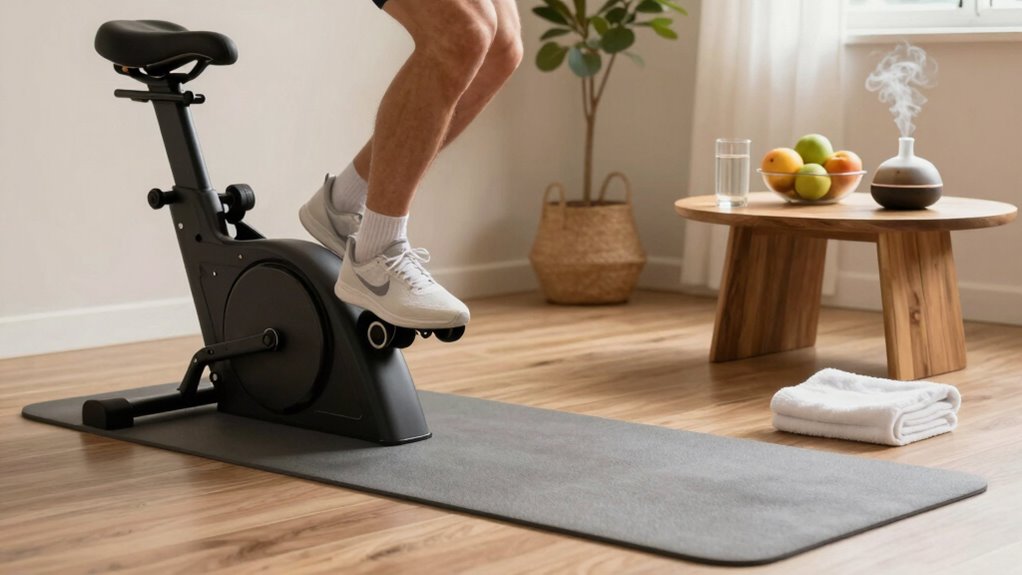
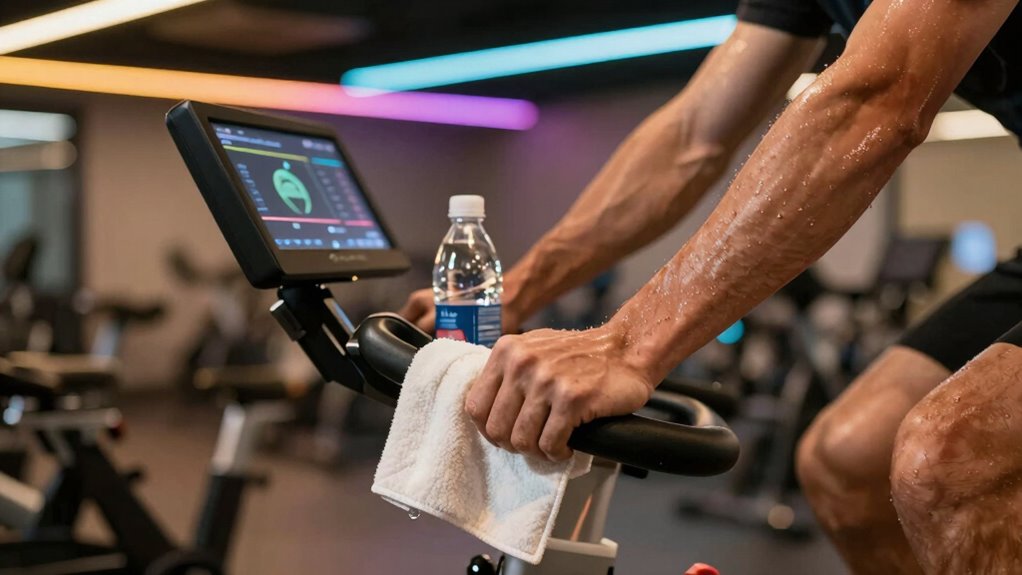
Recovering effectively between indoor cycling sessions is essential for improving your performance and preventing injury. After pushing yourself through intense rides, your body needs proper attention to repair muscles, restore energy, and prepare for the next workout. One of the most important aspects of recovery is implementing effective hydration strategies. During vigorous cycling, you lose fluids through sweat, which can lead to dehydration if not replenished. Drinking water before, during, and after your session helps maintain fluid balance. You might also consider electrolyte drinks, especially after longer or sweat-heavy rides, to replace lost salts and minerals. Staying well-hydrated minimizes muscle cramps, reduces fatigue, and speeds up recovery, so make hydration a priority.
Nutrition timing plays a *key* role in maximizing recovery. When you eat matters just as much as what you eat. Within 30 to 60 minutes after your ride, aim for a balanced snack or meal rich in carbohydrates and protein. Carbohydrates replenish glycogen stores depleted during exercise, while protein supplies the amino acids necessary for muscle repair. For example, a banana with peanut butter, a protein shake, or yogurt with fruit can efficiently support recovery. Avoid waiting too long to eat, as delayed nutrition can prolong soreness and delay your readiness for the next session. Proper nutrition timing ensures your body has the fuel and nutrients needed to recover quickly and adapt to training stress. Incorporating proper recovery techniques such as light stretching, foam rolling, or gentle movement can further enhance blood flow and reduce muscle stiffness. Engaging in active recovery activities can also promote circulation and hasten the healing process. Additionally, paying attention to nutrient intake can optimize your recovery by supporting immune function and reducing inflammation. Ensuring adequate hydration throughout the day is equally important for sustained recovery and overall health. Rest days are equally important; they give your muscles time to rebuild and strengthen. Adequate sleep plays a *crucial* role in recovery, as most repair processes occur during rest. Establishing a consistent sleep schedule helps your body recover more efficiently and enhances overall performance. Prioritizing rest and recovery can significantly impact your cycling progress and overall well-being.
As an affiliate, we earn on qualifying purchases.
Frequently Asked Questions
How Can I Prevent Muscle Soreness After Indoor Cycling?
To prevent muscle soreness after indoor cycling, focus on hydration strategies by drinking plenty of water and electrolyte-rich fluids to replenish lost minerals. Sleep optimization is essential—ensure you get enough restful sleep to aid muscle repair. Incorporate gentle stretching and active recovery, like light cycling or walking, to enhance circulation. Proper nutrition with protein and carbs also supports muscle recovery, reducing soreness and helping you bounce back faster.
What Are the Best Recovery Stretches for Indoor Cyclists?
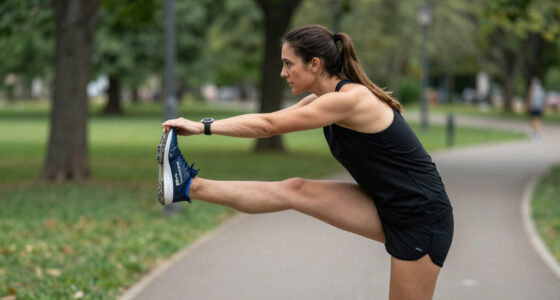
Think of recovery stretches like gentle waves calming a storm; they soothe your muscles after intense rides. Focus on hamstring, hip flexor, and quad stretches, holding each for 20-30 seconds. Incorporate foam rolling techniques to release tightness and improve flexibility. Stay hydrated with proper hydration strategies, drinking water or electrolyte-rich drinks, to help your muscles recover faster. These practices keep your muscles loose and ready for your next ride.
How Many Hours Should I Rest Between Intense Sessions?
You should rest at least 24 to 48 hours between intense indoor cycling sessions. During this time, focus on hydration strategies like drinking water and electrolytes to replenish lost minerals. Prioritize mental recovery by relaxing and avoiding stressors. This rest period allows your muscles to repair and your mind to reset, ensuring you’re ready for the next workout. Listen to your body and adjust rest days as needed for best recovery.
Can Nutrition Alone Improve Recovery Times?
Nutrition alone can considerably improve your recovery times, but it’s not the only factor. Focus on meal timing to guarantee your muscles get the nutrients they need promptly after sessions. Hydration strategies are equally essential, helping to replace lost fluids and electrolytes. By combining proper nutrition with timely meals and staying well-hydrated, you support faster recovery and better overall performance, making your rest periods more effective.
What Are Signs of Overtraining in Indoor Cycling?
You’ll know you’re overtraining when your cycling form dramatically worsens, like your legs suddenly turn to jelly, and every pedal feels impossible. Persistent fatigue, irritability, and poor hydration strategies can make recovery impossible. If your energy crashes, soreness lingers, and you struggle to keep up, it’s your body’s way of saying it’s overwhelmed. Pay close attention, rest, hydrate well, and adjust intensity to avoid pushing beyond your limits.
As an affiliate, we earn on qualifying purchases.
Conclusion
So, next time you’re pushing through those grueling indoor cycling sessions, remember that recovery isn’t just about resting—it’s about doing everything *not* to recover. Ironically, the best way to get back on your bike stronger is to prioritize sleep, nutrition, and rest. Who knew that taking time off might actually make you faster? So embrace the downtime, and watch yourself improve—because sometimes, doing less is the secret to going further.
As an affiliate, we earn on qualifying purchases.
As an affiliate, we earn on qualifying purchases.
Evergreen bestsellers Picks
bestsellers
As an affiliate, we earn on qualifying purchases.