If you’re struggling to sit because of intense muscle soreness, focus on gentle stretches targeting your affected muscles, like your hamstrings and quads, and hold them for 20-30 seconds. Apply ice within the first 48 hours to reduce swelling, then switch to heat for better blood flow. Stay hydrated, rest, and consider massage or foam rolling to ease tightness. Keep exploring for more effective ways to recover quickly and comfortably.
Key Takeaways
- Apply ice packs during the first 48 hours to reduce swelling and numb pain.
- Use gentle stretching and foam rolling to alleviate muscle tightness and improve mobility.
- Take over-the-counter pain relievers like ibuprofen to manage inflammation and discomfort.
- Rest and stay hydrated to support muscle recovery and reduce soreness.
- Consider heat therapy after initial swelling subsides to increase blood flow and promote healing.
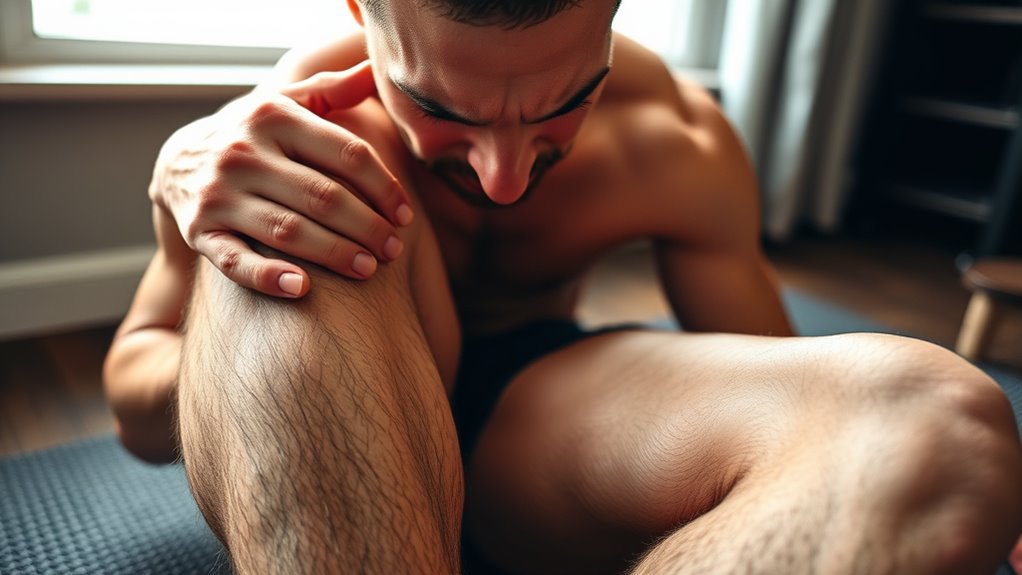
Ever experienced that painful soreness a day or two after intense exercise? If so, you’re probably familiar with the discomfort of delayed onset muscle soreness (DOMS). It can make simple movements feel like a challenge, especially when you’re trying to sit or stand. During these times, proper care becomes essential to get you back on your feet faster. One effective approach is incorporating post work stretches into your routine right after your workout. These stretches help relax tight muscles, improve circulation, and reduce the buildup of lactic acid that contributes to soreness. Focus on gentle, controlled movements targeting the muscles you worked most intensely. For example, if you lifted weights, stretch your hamstrings, quadriceps, and calves. Hold each stretch for 20 to 30 seconds, and avoid bouncing, which can worsen soreness or cause injury. Doing these post work stretches consistently can prevent muscles from tightening excessively and speed up recovery. Additionally, understanding the importance of muscle recovery can motivate you to prioritize these practices and enhance your overall fitness progress.
Alongside stretching, implementing pain management techniques can make a big difference. Over-the-counter pain relievers like ibuprofen or acetaminophen can help reduce inflammation and ease discomfort, especially if the soreness is severe. Applying ice packs to sore areas within the first 48 hours can diminish swelling and numb nerve endings, providing quick relief. After that initial period, switching to heat therapy—such as warm compresses or a heating pad—can promote blood flow and help muscles relax. Gentle massage or foam rolling on sore muscles can also break down tension, improve circulation, and alleviate tightness. Remember, though, to be gentle—aggressive rubbing might worsen inflammation. Adequate hydration plays a significant role too; drinking plenty of water flushes out toxins and supports muscle repair. Likewise, ensuring you get nutritious food rich in protein, vitamins, and minerals supplies your muscles with the nutrients needed for quicker recovery.
Rest is equally essential. Giving your muscles time to heal prevents further strain and helps reduce soreness more effectively. If the pain persists beyond a few days or worsens, it’s wise to consult a healthcare professional. They can check for any underlying injuries or issues that might require targeted treatment. Keep in mind that while soreness can be uncomfortable, it’s also a sign that your muscles are adapting and getting stronger. With the right combination of post work stretches and pain management techniques, you can minimize downtime and get back to your routine sooner. Remember, listening to your body and giving it the care it needs is key to overcoming DOMS and preventing future setbacks.
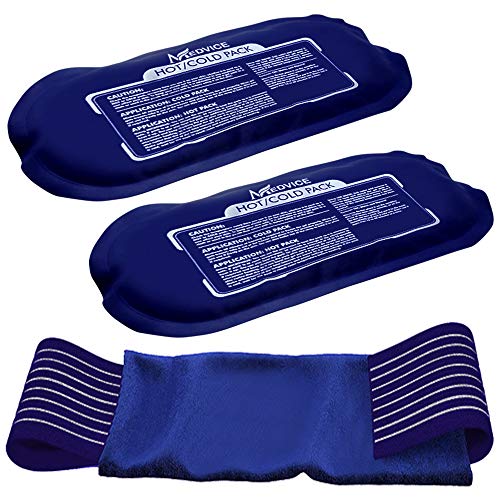
Reusable Hot and Cold Ice Packs for Injuries (3-Piece Set), Joint Pain, Muscle Soreness and Body Inflammation – Reusable Gel Wraps – Adjustable & Flexible for Knees, Back, Shoulders, Arms and Legs
DUAL GEL ICE PACKS – These reusable ice packs offer hot and cold therapeutic support to help relieve…
As an affiliate, we earn on qualifying purchases.
As an affiliate, we earn on qualifying purchases.
Frequently Asked Questions
How Long Does DOMS Typically Last?
DOMS typically lasts between 3 to 7 days, depending on your muscle recovery process. During this time, you might feel soreness and stiffness, but staying hydrated is key. Follow hydration tips like drinking plenty of water and electrolytes to help your muscles recover faster. Gentle stretching and active recovery can also ease discomfort. Remember, patience and proper care speed up muscle recovery, so give your body time to heal.
Can DOMS Be Prevented Before Workouts?
You can help prevent DOMS by starting with effective warm-up routines that prepare your muscles for exercise. Incorporate dynamic stretches and light cardio to increase blood flow. After your workout, use cooldown techniques like gentle stretching to promote recovery and reduce soreness. Staying consistent with these practices helps your muscles adapt and minimizes post-workout pain, making future sessions more comfortable and reducing the risk of delayed onset muscle soreness.
Is It Safe to Take Painkillers for DOMS?
Taking painkillers for DOMS is generally safe if used sparingly; about 30% of athletes use over-the-counter meds to ease soreness. Pain medication can help muscle relaxation and reduce discomfort, but it’s important not to depend on them long-term. Always follow dosing instructions and consult a healthcare professional if pain persists. Using them responsibly ensures you manage soreness safely without masking serious injury.
Does Stretching Help Reduce DOMS Symptoms?
Stretching can help reduce DOMS symptoms by promoting muscle recovery and increasing blood flow. Incorporate gentle stretching techniques after your workout to ease muscle tightness and soreness. While stretching isn’t a cure-all, it supports recovery and can lessen discomfort. Just be careful not to overstretch or push through pain, as that could delay healing. Consistent, gentle stretching is your best bet for easing DOMS symptoms effectively.
When Should I See a Doctor for DOMS?
You should see a doctor if your DOMS symptoms worsen despite proper exercise timing and hydration strategies, or if you experience severe pain, swelling, or difficulty moving. These signs might indicate muscle strain or injury rather than typical soreness. Don’t neglect persistent discomfort—prompt medical advice ensures proper treatment and helps prevent further damage. Trust your body’s signals and seek professional help when pain feels abnormal or unmanageable.
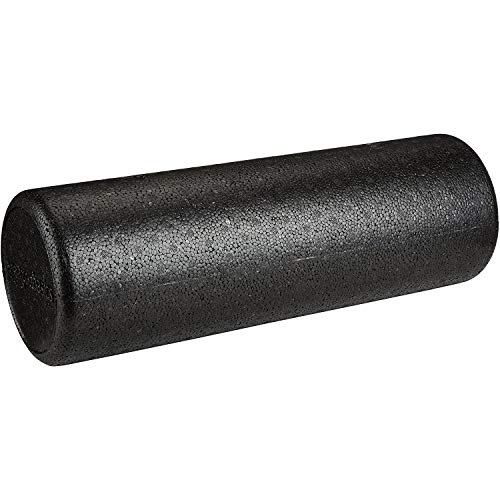
Amazon Basics High-Density Foam Roller for Exercise and Recovery, 18 Inches, Black
High-density foam roller in Black
As an affiliate, we earn on qualifying purchases.
As an affiliate, we earn on qualifying purchases.
Conclusion
So, next time DOMS hits you like a freight train, remember this guide. With these tips, you’ll be back on your feet faster than a cheetah on roller skates and ready to conquer the world—or at least sit comfortably again. Don’t let DOMS turn you into a stiff, immobile statue; instead, wield these tricks like a superhero, and crush that soreness into oblivion. You’ve got this—no pain can hold you down for long!
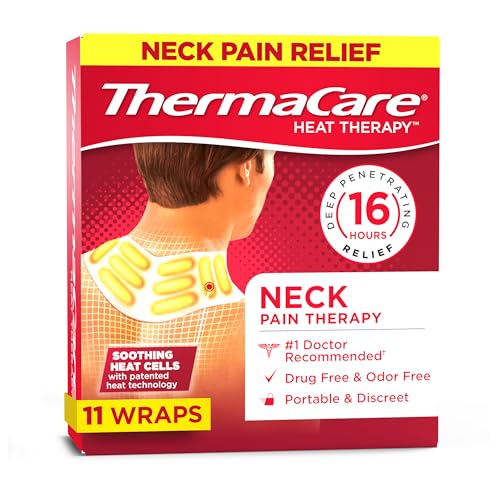
ThermaCare Heat Wraps for Neck & Shoulder Pain Relief – Portable Adhesive Heating Pads with 16-Hour Therapeutic Heat – Drug-Free Muscle & Joint Soothing Patches (11-Count)
Up to 16 Hours of Relief: Experience up to eight hours of continuous heat while wearing the wrap,…
As an affiliate, we earn on qualifying purchases.
As an affiliate, we earn on qualifying purchases.

Trideer Stretching Strap Yoga Strap Physical Therapy for Home Workout, Exercise, Pilates and Gymnastics, 10 Loops Non-Elastic Stretch Bands with Aesthetic Packaging for Women & Men (Black)
Long Lasting Premium Quality: Made of sturdy polypropylene, this tough yoga strap stands out in a crowd by…
As an affiliate, we earn on qualifying purchases.
As an affiliate, we earn on qualifying purchases.