TL;DR

Get workout gear delivered free with Prime
- Fast, free delivery on millions of items
- Prime Video, Amazon Music and more included
- Member-only deals all year
Peloton instructor Rebecca Kennedy advocates for training routines that prioritize longevity and performance, emphasizing feeling good today and in the future. This reflects a broader trend in wellness focus.
Peloton instructor Rebecca Kennedy has publicly expressed her commitment to designing workouts that prioritize longevity and performance, aiming to help individuals feel good both today and 30 years from now.
In a recent wellness update, Kennedy detailed her weekly exercise routine, emphasizing movements and practices that support long-term health rather than short-term aesthetic goals. She stated, “I want my training to support longevity and performance—to feel good today and 30 years from now.” This approach aligns with a growing movement among fitness professionals and enthusiasts who seek sustainable routines that promote joint health, muscle strength, and overall vitality.
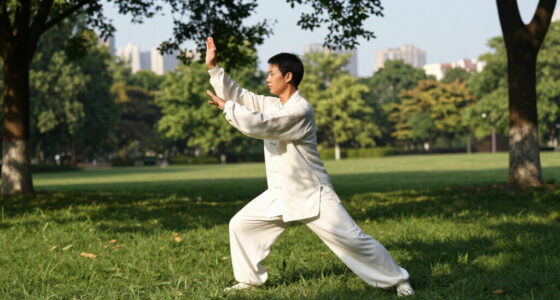
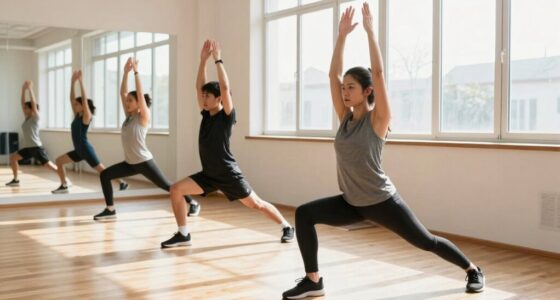
Kennedy’s focus includes a mix of strength training, mobility exercises, and low-impact cardio, tailored to reduce injury risk and enhance functional fitness over decades. Her weekly plan incorporates activities like resistance work, stretching, and mindful movement, designed to be adaptable for various ages and fitness levels. She emphasizes that feeling good in the moment is just as important as maintaining health long-term, advocating for a balanced approach that integrates mental well-being with physical activity.
Why Long-Term Wellness Is Gaining Attention in Fitness
This emphasis on longevity and performance reflects a shift in the fitness industry, where personalized, sustainable routines are increasingly valued. As populations age and awareness of chronic health issues rises, more individuals and trainers are prioritizing preventive health over purely aesthetic goals. Kennedy’s stance exemplifies this broader trend, which could influence future workout design and wellness strategies.
For consumers, adopting routines focused on long-term health may lead to better quality of life, reduced injury, and sustained physical independence. It also aligns with research suggesting that consistent, moderate activity tailored to one’s lifespan can have significant benefits for aging populations, potentially reducing healthcare costs and improving overall well-being.
As an affiliate, we earn on qualifying purchases.
Growing Interest in Longevity-Focused Fitness Routines
Over recent years, there has been a notable increase in search interest and media coverage around longevity-oriented fitness, driven by aging demographics and health-conscious consumers. This trend is partly fueled by scientific studies highlighting the importance of maintaining muscle mass, mobility, and cardiovascular health well into old age. While specific initiatives like Kennedy’s weekly plan are emerging, the overall movement remains a trend signal rather than a confirmed widespread practice. The recent spike in coverage and public discussion suggests rising curiosity and acceptance of longevity-focused training, although detailed guidelines and industry standards are still evolving.
It is important to note that the focus on longevity is often linked to broader wellness conversations, including nutrition, mental health, and lifestyle choices, making it a multifaceted approach rather than solely a fitness trend.
“I want my training to support longevity and performance—to feel good today and 30 years from now.”
— Rebecca Kennedy
low-impact cardio exercise equipment
As an affiliate, we earn on qualifying purchases.
As an affiliate, we earn on qualifying purchases.
Extent and Adoption of Longevity-Focused Training
It remains unclear how widespread longevity-focused routines are becoming across the fitness industry. While interest is rising, there is limited data on how many trainers or gyms have integrated these principles into their standard offerings. Additionally, it is not yet confirmed whether this approach will significantly influence industry standards or consumer behavior on a large scale. The current trend signals suggest growing curiosity, but broader adoption and formal guidelines are still developing.
resistance bands for strength training
As an affiliate, we earn on qualifying purchases.
As an affiliate, we earn on qualifying purchases.
Monitoring Trends and Industry Adoption of Longevity Fitness
Future developments may include more trainers and wellness programs emphasizing longevity, along with research validating specific routines. Observers will likely watch for increased media coverage, consumer interest, and potential integration into mainstream fitness certifications. Meanwhile, individuals interested in this approach should seek guidance from qualified professionals to tailor routines to their personal health needs and goals.
stretching and flexibility yoga mat
As an affiliate, we earn on qualifying purchases.
As an affiliate, we earn on qualifying purchases.
Key Questions
What types of exercises support longevity?
Exercises that promote joint health, muscle strength, and mobility, such as resistance training, stretching, and low-impact cardio, are considered beneficial for long-term wellness.
Is longevity-focused training suitable for all ages?
Yes, routines can be adapted for different ages and fitness levels, emphasizing gradual progression and safety. Consulting with a healthcare provider or qualified trainer is recommended.
How does focusing on longevity differ from traditional fitness goals?
While traditional fitness often emphasizes aesthetics or short-term performance, longevity training prioritizes sustainable health, injury prevention, and maintaining functional ability over decades.
Will this trend replace other fitness approaches?
It is unlikely to replace existing methods but may complement them, adding a long-term perspective to personalized fitness routines.
What scientific evidence supports longevity-focused training?
Research indicates that consistent, moderate activity tailored to aging populations can improve health outcomes and reduce chronic disease risk, though specific protocols are still being refined.
Source: rss
Columbus Day / Indigenous Peoples' Day Picks
long weekend sales
As an affiliate, we earn on qualifying purchases.