
Understanding the difference between mobility and flexibility can substantially improve your training. Flexibility refers to your muscles’ and tendons’ ability to stretch passively, increasing your static range of motion. Mobility, however, involves moving joints actively through that range with control, enhancing strength and stability. By focusing on both, you optimize movement, reduce injury risk, and improve performance. Keep exploring to learn how to effectively integrate these concepts into your routine for maximum results.
Key Takeaways
- Flexibility involves passive stretching to increase static muscle and tendon stretch range, while mobility focuses on active, controlled joint movement.
- Flexibility enhances stretch capacity; mobility improves movement control, stability, and joint function during dynamic activities.
- Improving flexibility mainly involves stretching exercises; enhancing mobility requires dynamic, functional movements and neuromuscular control.
- Flexibility increases passive range of motion; mobility emphasizes active range of motion and movement quality.
- Both should be integrated into training, with flexibility preparing muscles and mobility optimizing joint function and movement efficiency.
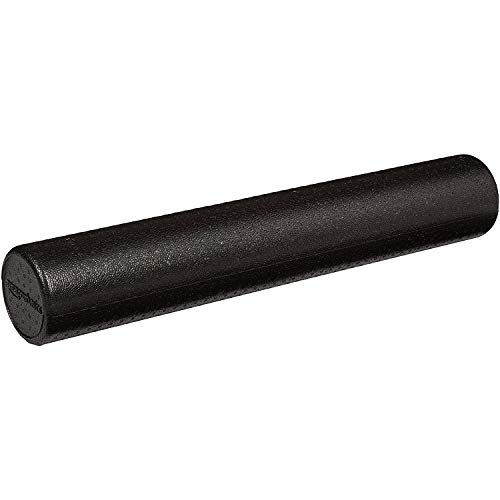
Amazon Basics High-Density Foam Roller for Exercise, Stretching and Muscle Recovery, 36 Inches, Black
High-density foam roller in Black
As an affiliate, we earn on qualifying purchases.
As an affiliate, we earn on qualifying purchases.
Defining Flexibility and Its Role in Movement

What exactly is flexibility, and why does it matter for movement? Flexibility is the ability of your muscles and tendons to stretch and lengthen through a range of motion. It plays a vital role in how smoothly you move, affecting your ability to perform everyday activities and athletic tasks. When your muscles are flexible, you can move more freely without stiffness or pain, reducing the risk of injury. Flexibility also helps improve posture, balance, and coordination. It allows your joints to move through their full range of motion, which is essential for peak performance and injury prevention. Without adequate flexibility, even strong muscles can become restrictive, limiting your ability to move efficiently and comfortably in various activities. Additionally, engaging in activities like aquatic exercise can enhance flexibility by providing a low-impact environment for stretching and movement. Incorporating regular stretching routines can further support muscle elasticity and overall movement quality, as well as promote long-term joint health. Maintaining proper muscle flexibility can also help prevent muscular imbalances that often lead to discomfort or injury.

Resistance Bands, Pull Up Assist Bands – Workout Bands, Eexercise Bands for Working Out, Fitness, Training, Physical Therapy for Men Women – Multicolor
100% Natural Latex
As an affiliate, we earn on qualifying purchases.
As an affiliate, we earn on qualifying purchases.
Understanding Mobility and Its Impact on Performance

Have you ever wondered how your ability to move freely affects your performance? Mobility is essential because it determines how well your joints and tissues function during activity. When your mobility is ideal, you can perform movements with greater efficiency, power, and safety. Poor mobility may lead to compensations, increasing injury risk and reducing effectiveness. Improving mobility involves maintaining joint health, enhancing tissue elasticity, and practicing controlled movement patterns. Additionally, modern kitchen technology can assist in tracking and supporting your mobility goals through innovative tools and devices. By focusing on mobility, you can range of motion for better movement execution, reduce injury risk through proper joint function, improve overall athletic performance, and enhance recovery and reduce soreness. Understanding and prioritizing mobility allows you to release your full potential, making your training more effective and sustainable over time.

TEMI Slant Board for Calf-Stretching – Wooden Incline Wedge Stretcher for Squats, Foot & Ankle Mobility, Portable Fitness Equipment, Balance Block for Heel Stretch
👍𝗣𝗢𝗥𝗧𝗔𝗕𝗟𝗘 & 𝗟𝗜𝗚𝗛𝗧𝗪𝗘𝗜𝗚𝗛𝗧 — This calf stretcher slant board is designed for easy transport, weighing just 5 lbs….
As an affiliate, we earn on qualifying purchases.
As an affiliate, we earn on qualifying purchases.
Key Differences Between Flexibility and Mobility

Flexibility primarily focuses on increasing your range of motion in a specific muscle or joint, while mobility emphasizes your ability to move actively through that range with control. You need to contemplate both when improving overall movement, as flexibility alone can leave your joints unstable. Understanding the difference helps you target your training effectively for better performance and injury prevention. Additionally, incorporating dynamic mobility exercises can enhance joint stability and movement efficiency. Incorporating functional movement patterns can further improve your overall mobility and reduce the risk of injury. Incorporating connected fitness technology can provide real-time feedback to optimize your mobility routines and track progress over time. Recognizing the importance of safe training practices can help prevent setbacks and ensure sustainable progress.
Range of Motion Focus
While flexibility and mobility are often used interchangeably, they have distinct focuses when it comes to range of motion. Flexibility primarily targets the ability to stretch muscles and tendons across a specific joint, increasing static stretch capacity. Mobility, on the other hand, emphasizes the movement within a joint during dynamic actions. To improve your range of motion:
- Focus on stretching tight muscles for increased flexibility
- Incorporate dynamic movements to enhance joint mobility
- Address joint restrictions that limit movement
- Use targeted exercises to improve functional range during activity
- Recognize the importance of joint health in maintaining both flexibility and mobility
Understanding these differences helps you tailor your training. Flexibility increases your passive range, while mobility ensures you can actively move through that range efficiently and safely. Both are essential for peak performance and injury prevention. High refresh rates and low input lag are also important considerations for optimizing training and performance.
Movement Control Emphasis
Understanding the key difference between flexibility and mobility lies in how each emphasizes movement control. Flexibility focuses on increasing the length of muscles or tendons, often without regard to how well you can control that range. Mobility, on the other hand, emphasizes maintaining control throughout movement within a joint’s full range. It’s about actively managing stability and coordination during motion. When you prioritize mobility, you train your nervous system to coordinate muscles effectively, ensuring smooth, controlled movements. This control helps prevent injury and improves performance. Flexibility alone may allow you to stretch farther, but without proper control, that increased range can be unstable or risky. Developing mobility means balancing flexibility with strength and stability, giving you safer, more efficient movement patterns.

OPTP The Original Stretch Out Strap with Exercise Book, for Flexibility and Mobility Exercises. Stretch Out Straps for Physical Therapy, Yoga Stretching Strap and Knee Therapy Strap. Made in the USA
Top Choice Stretching Strap for Physical Therapy: The OPTP Stretch Out Strap was the first stretching strap on…
As an affiliate, we earn on qualifying purchases.
As an affiliate, we earn on qualifying purchases.
Common Exercises to Improve Flexibility

To effectively enhance your flexibility, incorporating specific exercises into your routine can make a significant difference. These exercises target your muscles and joints to increase length and range of motion. Consistency is key for noticeable improvements. Some effective stretches include:
- Hamstring stretch: Sit with one leg extended and reach toward your toes to stretch your hamstrings.
- Hip flexor stretch: Kneel on one knee and push your hips forward to open your hip flexors.
- Shoulder stretch: Extend one arm across your chest and use your other arm to pull it closer, stretching your shoulder.
- Triceps stretch: Reach one arm overhead and bend at the elbow, using your other hand to gently push your elbow back.
- Incorporating proper technique ensures you perform these stretches safely and effectively. Utilizing proper technique can also help prevent injuries and improve overall flexibility gains. Additionally, understanding muscle elongation principles can optimize your stretching routine for better results. Regularly practicing these exercises can help you develop better flexibility and prevent injuries, especially when combined with consistent effort and mindfulness of your body’s limits. Paying attention to body jewelry materials and measurements can also ensure comfort during stretching sessions, avoiding irritation or injury.
Effective Strategies to Enhance Mobility

To boost your mobility, start with dynamic warm-up techniques that get your joints moving. Incorporate static stretching after workouts to improve flexibility over time. Don’t forget to use foam rolling tools to release muscle tension and enhance your overall movement quality. Creating a comfortable workspace can also support your training by encouraging better posture and reducing discomfort during exercise. Paying attention to auditory processing can help you stay more focused and responsive during your routines, ultimately improving your training effectiveness. Additionally, understanding decoding slang can help you better interpret informal cues or instructions during group classes or training sessions. Developing joint health through proper techniques can further contribute to improved mobility and prevent injuries, especially when combined with knowledge of proper muscle recovery methods.
Dynamic Warm-Up Techniques
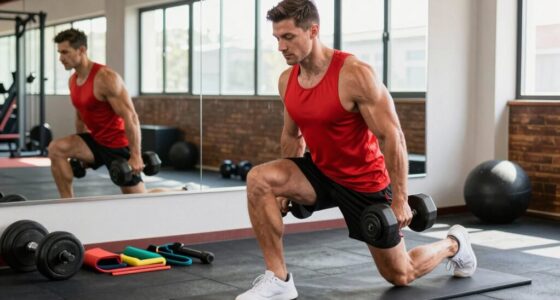
A dynamic warm-up is essential for preparing your muscles and joints for activity, helping to improve mobility and reduce injury risk. It increases blood flow, activates your nervous system, and loosens tissues, making your workout safer and more effective. To get started, incorporate movements that mimic your activity, such as leg swings, arm circles, hip circles, or walking lunges. These techniques help improve range of motion while also warming up muscles. Focus on controlled, purposeful movements rather than quick, jerky actions. By doing so, you enhance joint lubrication and muscle elasticity, setting the stage for excellent performance. Remember, a well-executed dynamic warm-up primes your body for success and minimizes the chance of strains or pulls during your training. Incorporating functional movements into your warm-up can further enhance your overall mobility and performance.
Incorporate Static Stretching
Incorporating static stretching into your routine can considerably enhance your mobility by increasing muscle length and joint range of motion. Hold each stretch for 15 to 60 seconds, focusing on areas that feel tight or restricted. Consistency is key; aim to stretch after workouts or during dedicated flexibility sessions. Static stretching helps relax muscles, improve tissue elasticity, and reduce stiffness, making movement easier and more fluid. Be mindful not to overstretch or push into pain, as this can cause injury. Incorporate stretches targeting major muscle groups like hamstrings, hip flexors, calves, and shoulders. Over time, you’ll notice increased ease in daily activities and improved performance in other training exercises. Making static stretching a regular habit is a simple yet effective way to boost your overall mobility. Research suggests that muscle elasticity can be significantly improved through consistent stretching routines.
Use Foam Rolling Tools
Using foam rolling tools can considerably boost your mobility by releasing muscle tightness and breaking up adhesions in connective tissue. This self-myofascial release technique helps improve blood flow, reduce soreness, and enhance tissue elasticity. To get the most beneficial results from foam rolling, target key areas such as your calves, quads, hamstrings, and back. Apply steady pressure and roll slowly, spending extra time on tender spots. Consistency is key—regular sessions can lead to lasting improvements in your range of motion. Remember to breathe deeply and avoid rolling directly over joints or bones. Incorporate foam rolling into your warm-up or cool-down routines for maximum benefits. With dedication, you’ll notice increased flexibility, reduced injury risk, and smoother movement in your training.
How to Incorporate Both Into Your Training Routine

To effectively blend mobility and flexibility into your training routine, you need a strategic approach that targets both areas without overwhelming your schedule. Start by dedicating specific days or sessions to each focus—perhaps mobility drills before workouts to prepare your joints, and flexibility stretches afterward to improve range. Incorporate dynamic movements like leg swings or arm circles during warm-ups, and static stretches after training. Keep sessions short and consistent—10 to 15 minutes daily can make a difference. Listen to your body; avoid overstretching or pushing through pain. Use a mix of foam rolling, dynamic movements, and static stretching. This balanced approach guarantees you develop both mobility and flexibility, enhancing performance and reducing injury risk.
Frequently Asked Questions
Can Flexibility or Mobility Prevent Injuries More Effectively?
Flexibility and mobility both help prevent injuries, but mobility is more effective because it improves your joint function and movement patterns. When you focus on mobility, you strengthen muscles and tissues around your joints, reducing strain and the risk of injuries during activity. Flexibility alone may not address underlying movement issues. So, prioritizing mobility training helps you move better, stay safer, and prevent injuries more effectively.
How Do Flexibility and Mobility Influence Athletic Performance?
Flexibility and mobility directly boost your athletic performance by enhancing your range of motion, allowing you to move more efficiently and with greater control. When you’re flexible, you can perform stretches and movements with less effort, while good mobility helps you maintain proper form during complex actions. Together, they improve your speed, strength, and agility, reducing fatigue and injury risk, and helping you train harder and recover faster.
Are There Age-Specific Flexibility or Mobility Training Recommendations?
Think of your joints as aging trees that need gentle pruning. As you age, focus on slow, controlled movements to maintain flexibility and mobility, preventing stiffness and injury. Incorporate daily stretching and mobility exercises tailored to your body’s changing needs, like nurturing a garden. Prioritize consistency over intensity, and listen to your body’s signals. This approach keeps your body resilient, vibrant, and ready to support your active lifestyle at any age.
What Role Does Nutrition Play in Improving Flexibility and Mobility?
Nutrition plays a vital role in improving your flexibility and mobility by supporting tissue health and reducing inflammation. You should focus on eating anti-inflammatory foods, like omega-3 fatty acids, fruits, and vegetables, which help repair tissues and maintain joint health. Staying hydrated also keeps your muscles and fascia supple. Adequate protein intake aids in muscle repair and recovery, making it easier for you to improve and maintain your mobility and flexibility.
How Often Should Flexibility and Mobility Exercises Be Performed for Best Results?
You should aim to perform flexibility and mobility exercises at least 3 to 5 times a week for maximum results. Consistency is key, so incorporate them into your daily routine or after workouts. Spend about 10-15 minutes on each session, focusing on different muscle groups. Regular practice helps improve range of motion, reduce injury risk, and enhance overall movement quality. Stay committed, and you’ll notice steady progress over time.
Conclusion
By understanding the difference between flexibility and mobility, you unlock the secret to transforming your movement like a superhero soaring through the sky. Incorporate targeted exercises and strategies into your routine, and watch your performance skyrocket beyond what you thought possible. Remember, mastering both can turn your body into a well-oiled machine, unstoppable and resilient. Don’t settle for stagnation—embrace the change and unleash a new level of strength and agility that’s truly extraordinary.