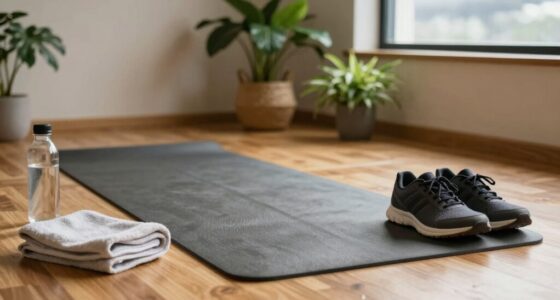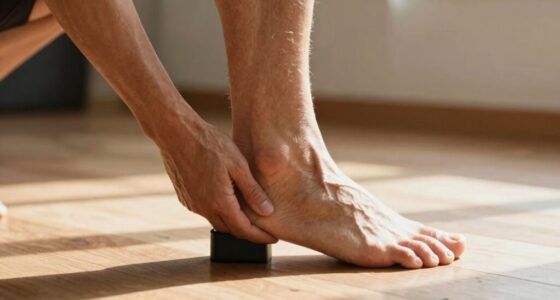

A perfect rest day walk lasts about 20 to 45 minutes at a comfortable pace where you can chat easily. Keep the effort light—you’re not aiming for exhaustion but supporting your recovery. This gentle activity boosts circulation, reduces soreness, and helps prevent injuries by maintaining joint mobility and flexibility. Consistency makes it more effective, so incorporating regular walks keeps your body resilient. Stick with gentle, enjoyable walks to maximize benefits as you explore what makes a walk truly restorative.

Get workout gear delivered free with Prime
- Fast, free delivery on millions of items
- Prime Video, Amazon Music and more included
- Member-only deals all year
Key Takeaways
- Aim for 20 to 45 minutes of a comfortable, moderate-paced walk to promote circulation and recovery without overexertion.
- Keep the walk easy and relaxed, maintaining a conversation to avoid fatigue and support muscle repair.
- Light activity like walking stimulates lymphatic flow, accelerates healing, and reduces muscular soreness on rest days.
- Regular, gentle walks help prevent stiffness, maintain joint mobility, and promote overall injury prevention.
- Incorporate walking into your routine to boost mental well-being, encourage consistency, and support long-term resilience.

Taking a rest day doesn’t mean you have to stay completely sedentary; incorporating a gentle walk can boost recovery and improve overall well-being. When you choose to walk lightly on your rest days, you give your body a chance to recover more efficiently. This activity promotes circulation, helping to deliver oxygen and nutrients to muscles, which accelerates the repair process and reduces soreness. It also stimulates lymphatic flow, aiding in the removal of metabolic waste products that can accumulate after intense workouts. These recovery benefits make a walk an effective way to stay active without overtaxing your muscles or risking burnout.
In addition to aiding recovery, a walk at a relaxed pace can play an essential role in injury prevention. When you’re active, even lightly, you help maintain joint mobility and muscle flexibility, which are crucial for avoiding stiffness and strains. Movement during rest days keeps your muscles and connective tissues limber, reducing the likelihood of injuries when you ramp up your training again. Moreover, a gentle walk encourages better posture and balance, which can prevent falls and misalignments that often cause injuries over time. By integrating these walks into your routine, you’re actively supporting your body’s resilience and durability. Incorporating gentle movement into your rest days also helps prevent stiffness and promotes long-term joint health.
The key to maximizing the benefits of your rest day walk is keeping it easy and manageable. Aim for about 20 to 45 minutes, depending on your fitness level and how your body feels. The goal isn’t to push yourself but to stay lightly active. A brisk pace isn’t necessary; instead, focus on a comfortable stride where you can hold a conversation without gasping for air. This moderate intensity ensures you’re promoting circulation and recovery without adding fatigue or stress. Remember, the purpose is to aid your body’s healing process, not to tire it out further.
Consistency is also critical. Regular, short walks on rest days can make a significant difference over time, helping you build a sustainable habit. It’s not about the distance you cover but about maintaining gentle activity that supports your overall health. Incorporating these walks can also boost your mental well-being, giving you a chance to clear your mind and enjoy nature or your surroundings. When done thoughtfully, a simple walk becomes a powerful tool for both physical recovery and injury prevention, helping you stay on track toward your fitness goals while respecting your body’s need for rest.
As an affiliate, we earn on qualifying purchases.
Frequently Asked Questions
How Often Should I Take a Rest Day Walk Weekly?
You should take a rest day walk about two to three times a week to enjoy its benefits. Walking frequency on rest days helps improve circulation, boost mood, and promote recovery without overexerting yourself. These walks should be easy and relaxing, making them a perfect way to stay active while allowing your body to recover. Listening to your body guarantees you get the most rest day benefits without risking overtraining.
Can Rest Day Walks Help With Recovery From Intense Workouts?
Imagine you take a gentle walk after an intense workout, and it helps reduce soreness and mental fatigue. Rest day walks boost recovery benefits by increasing blood flow, which delivers nutrients to muscles and clears waste. They also provide a mental refresh, easing stress and improving mood. So, yes, incorporating light walks on rest days supports your body’s recovery and keeps you motivated for your next workout.
What Shoes Are Best for a Comfortable Rest Day Walk?
For a comfortable rest day walk, choose shoes with good cushioning support and comfortable footwear. Look for options that fit well, provide ample arch support, and have shock absorption to reduce impact on your joints. Sneakers designed for walking or running often work best, but prioritize comfort over style. Properly fitted shoes help prevent discomfort, making your walk enjoyable and aiding your recovery without putting unnecessary strain on your feet.
Is It Better to Walk Outdoors or on a Treadmill During Rest Days?
Going with your gut, outdoor walking often beats indoor treadmill sessions because you get fresh air and enjoy outdoor scenery, which can lift your mood. While indoor walking is convenient, especially in bad weather, outdoor strolls provide variety and natural beauty. Ultimately, choose what feels better for you—both keep you moving, but outdoor walks might be the more invigorating choice to reset your mind and body.
How Do I Stay Motivated to Walk on Rest Days?
To stay motivated on rest days, focus on mindful movement by paying attention to your breath and surroundings. Choose scenic routes that make walking enjoyable and revitalizing, turning it into a treat rather than a chore. Set small goals, like noticing new sights or feeling your body relax, to keep your mind engaged. Remember, these walks help restore your energy and boost your mood, making it easier to stay consistent.
comfortable walking shoes for men women
As an affiliate, we earn on qualifying purchases.
As an affiliate, we earn on qualifying purchases.
Conclusion
A well-planned rest day walk is like a gentle breeze that refreshes your body without wearing you out. Keep it easy, about 20 to 30 minutes, and enjoy the calm it brings. This simple activity helps your muscles recover, boosts circulation, and clears your mind. Think of it as a reset button for your week—light, steady, and effective. Embrace this perfect walk to feel rejuvenated and ready for your next adventure.
As an affiliate, we earn on qualifying purchases.
As an affiliate, we earn on qualifying purchases.
Fall Picks
fall essentials
As an affiliate, we earn on qualifying purchases.