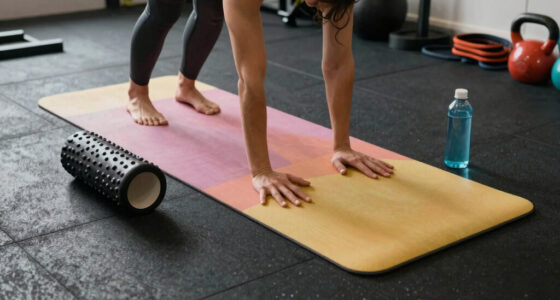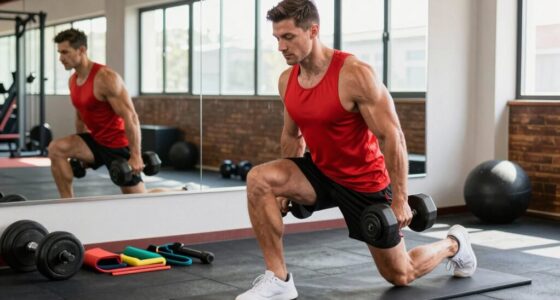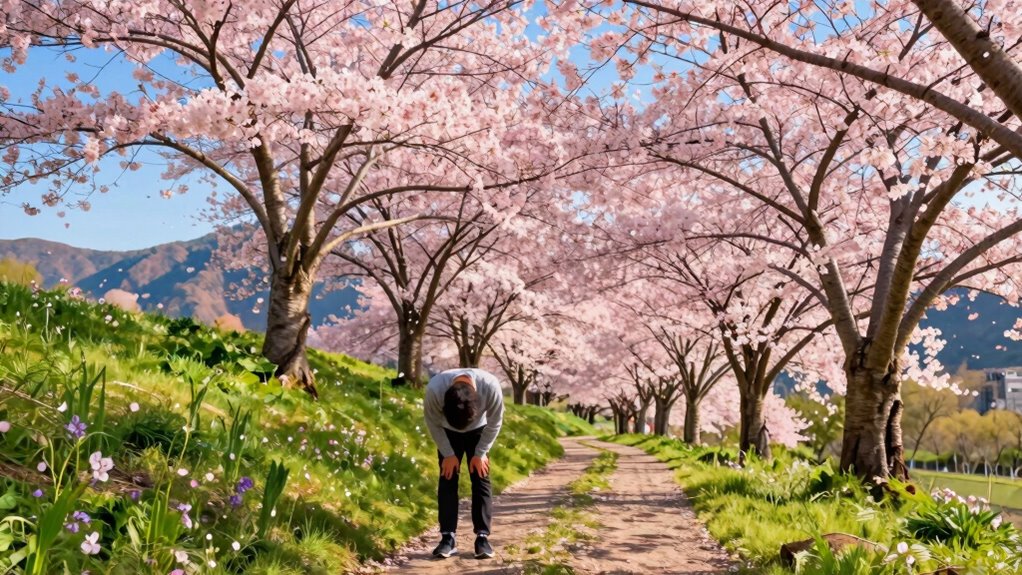

When you increase activity in spring after a quiet period, you might feel sore or tired because your muscles are adjusting to the extra effort. This soreness happens as tiny tears form in muscle fibers, a normal part of building strength and resilience over time. Your body needs time to repair and adapt, but common recovery tips like gentle stretching, rest, and proper nutrition help. Keep going, and you’ll find these feelings become less frequent and more manageable.
Key Takeaways
- Increased outdoor activity after inactivity causes muscle micro-tears, leading to soreness as muscles adapt.
- Micro-tears from new or intensified exercise stimulate repair and strengthening over time.
- Soreness signals muscles adjusting, and consistent activity reduces discomfort in the long run.
- Proper recovery, hydration, and gentle stretching support muscle repair and lessen soreness.
- Initial soreness is normal when increasing activity, but it diminishes as muscles become more resilient.

Have you ever felt sore after a day spent outdoors in the spring? That familiar ache in your muscles can catch you off guard, especially if you’ve recently ramped up your activity level. Spring invites us to get outside and move more, but if you’re not used to increased activity, your body reacts with soreness that can linger for days. This sensation isn’t just discomfort; it’s your body’s way of signaling that it’s adjusting to new demands through a process called muscle adaptation. When you challenge your muscles with more activity than they’re used to, tiny tears occur in the muscle fibers. These micro-tears are a normal part of exercise recovery, and as your muscles repair, they become stronger and more resilient. It’s a gradual process, but in the meantime, soreness is a common byproduct.
Understanding exercise recovery is key to managing this discomfort. Rest, hydration, and proper nutrition help your muscles repair and adapt faster. Taking time to cool down after activity, stretching gently, and consuming protein-rich foods support muscle repair. This recovery process is essential because it allows your body to adapt to increased activity levels, reducing soreness over time. The more consistent you are with your activity, the more your muscles will adapt, leading to less soreness and improved endurance. Think of muscle adaptation as a training partner that helps you get stronger with each workout or outdoor adventure. Your body learns to handle greater loads, which means you’ll experience less soreness even as you push your limits.
Consistent recovery, proper nutrition, and gentle stretching help muscles adapt and reduce soreness over time.
However, it’s normal to feel sore when you first start a new activity or increase your intensity. Your muscles need time to adjust, and this is when muscle adaptation kicks in. As your body becomes more accustomed to the increased activity, the soreness diminishes. It’s a sign that your muscles are recovering and becoming more efficient at handling the workload. To speed up this process, listen to your body, don’t push through pain, and give yourself time to recover. Incorporating light activity on rest days can promote circulation, helping nutrients reach your muscles and waste products to be flushed out. Over time, your soreness will become less intense and less frequent, replaced by a sense of strength and resilience.
In essence, feeling sore after more outdoor activity in spring is your body’s way of learning and adapting. It’s a sign that your muscles are in the process of becoming stronger and more capable. Embrace the recovery period, stay consistent with your activity, and your body will thank you as you enjoy the outdoors with less discomfort and more vigor.

Amazon Basics High-Density Foam Roller for Exercise and Recovery, 18 Inches, Black
- Color: Black
- Length: 18 Inches
- Material: High-Density Foam
As an affiliate, we earn on qualifying purchases.
As an affiliate, we earn on qualifying purchases.
Frequently Asked Questions
Can Spring Allergies Worsen Muscle Soreness?
Yes, spring allergies can worsen muscle soreness. When allergy inflammation occurs during seasonal flare ups, it can increase overall body discomfort, making muscles feel more achy and tender. Your immune system’s response to pollen and other allergens drains energy and heightens sensitivity, which can amplify soreness from increased activity. So, if you’re dealing with allergy symptoms, expect your muscles to feel more beaten up than usual during springtime workouts.
Is Soreness a Sign of Injury or Just Normal Adaptation?
Soreness isn’t always a sign of injury; it’s often normal adaptation to new activity. You might feel tight or tender as your muscles recover and strengthen, which is part of healthy exercise recovery. However, sharp, persistent pain signals injury risk. Pay attention to your body—proper recovery and gradual increases help prevent injury, ensuring your soreness is a sign of progress, not damage.
How Long Does Springtime Soreness Typically Last?
Springtime soreness usually lasts 3 to 7 days after increasing activity, but it varies based on your exercise recovery and allergy impact. You might experience longer soreness if allergies cause inflammation or if you push too hard too soon. To speed up recovery, stay hydrated, get plenty of rest, and ease into new routines gradually. Pay attention to your body’s signals to avoid prolonged discomfort or injury.
Are Certain Exercises More Likely to Cause Soreness?
Back in the days of chivalry, you’d know some exercises are more likely to cause soreness. Certain exercise selection and higher workout intensity tend to lead to more muscle fatigue and soreness. For example, new or unfamiliar moves, especially those targeting unfamiliar muscle groups, often cause more soreness. To avoid this, gradually increase workout intensity, vary your exercises, and listen to your body, much like a knight would heed warnings before a quest.
Can Hydration Help Reduce Springtime Muscle Discomfort?
Yes, hydration can help reduce springtime muscle discomfort. Staying well-hydrated boosts hydration benefits like improved muscle function and faster recovery. It also helps maintain electrolyte balance, which prevents cramps and soreness. Make sure you drink enough water before, during, and after activity. Incorporate electrolyte drinks if you’re exercising intensely or sweating a lot, as they replenish essential minerals and keep your muscles working smoothly.

Muscle Milk Genuine Protein Powder, Vanilla Crème, 1.93 Pounds, 12 Servings, 32g Protein, 2g Sugar, Calcium, Vitamins A, C & D, NSF Certified for Sport, Energizing Snack, Packaging May Vary
- Product Weight: 1.93 pounds (12 servings)
- Supports Muscle Growth: High-quality protein for recovery
- Energizing Snack: Great for on-the-go consumption
As an affiliate, we earn on qualifying purchases.
As an affiliate, we earn on qualifying purchases.
Conclusion
As you jump into spring activities, remember that your muscles are adjusting, which can cause soreness. Notably, research shows that over 60% of people experience increased muscle pain when increasing activity levels, highlighting how common this is. Your body needs time to adapt, so listen to it and ease into new routines. With patience and proper care, you’ll soon enjoy the season pain-free and feeling energized. Keep pushing forward—you’re stronger than you think!

Chair Yoga Posters for Seniors & Beginners, 5 Guides & 5 30-Day Challenges
- Complete Yoga Set: 5 pose guides and 5 challenges
- Easy-to-Follow Instructions: Large illustrations with step-by-step guidance
- Durable & Spill-Resistant: Laminated paper for longevity and easy cleaning
As an affiliate, we earn on qualifying purchases.
As an affiliate, we earn on qualifying purchases.

Under Armour Squeeze Water Bottles, 32 oz Water Bottles, Sideline Sports Water Bottle with Quick-Shot Lid, Quick & Easy Hydration, Gym Water Bottles, Squeeze Bottle, 1 32oz Bottle
- Easy Hydration: Quick-shot lid and one-way valve
- On-the-Go Use: One-hand operation for active hydration
- Measurement Markings: Ounces and milliliters for tracking
As an affiliate, we earn on qualifying purchases.
As an affiliate, we earn on qualifying purchases.