TL;DR

Get workout gear delivered free with Prime
- Fast, free delivery on millions of items
- Prime Video, Amazon Music and more included
- Member-only deals all year
A Fit&Well writer says they now do child’s pose and a standing forward fold after daily walks to address stiffness noticed after moving to a hilly area. Physiotherapist Helen O’Leary says the poses can help ease discomfort for some people, but the report does not present clinical trial evidence or show that the routine works for everyone.
Fit&Well has published a first-person account of two stretches its writer does after daily walks: child’s pose and a standing forward fold. The writer says the routine helps them feel less stiff after walking in a hilly area, while physiotherapist Helen O’Leary says the positions can alleviate discomfort for some people; the report does not establish that they prevent injury or work for everyone.
The writer says walking is their daily form of exercise and that walks usually last no longer than an hour. They had assumed a low-impact walk did not require recovery activity, but noticed stiffness in their legs, hips and back after moving to a hilly area. In response, they began doing both stretches, holding each for about one minute.
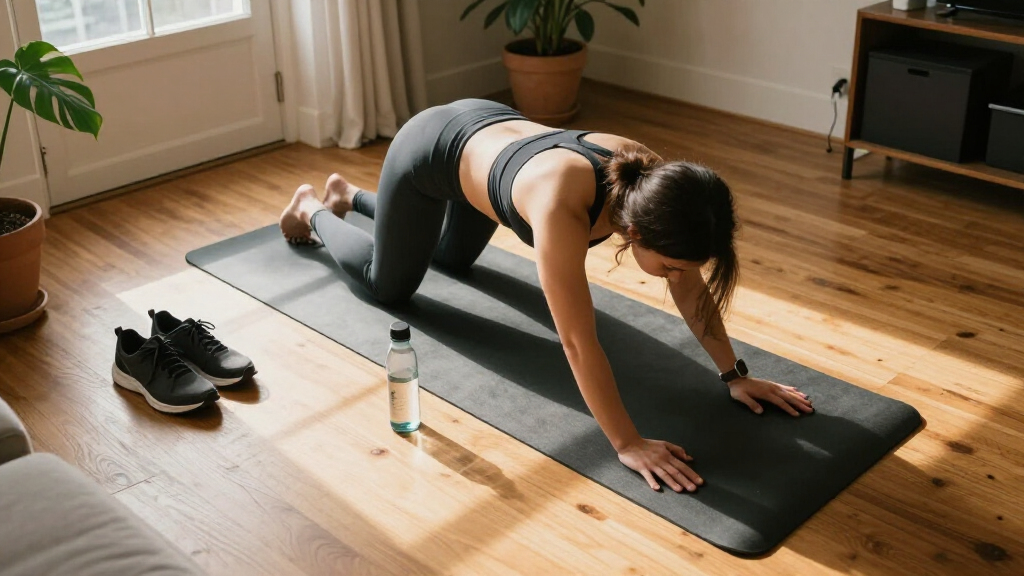
For child’s pose, the account instructs readers to kneel with their knees wider than hip-width, reach their arms forward and sit their hips back. For the standing forward fold, it advises standing with feet hip-width apart, lowering the arms toward the feet and keeping the knees bent. The writer says to stop when a stretch is felt in the hamstrings and hold the position.
O’Leary, identified as a physiotherapist at Complete Pilates, says both positions flex the spine and stretch soft tissues in the lower back. She also suggests a side-bending variation of child’s pose: walk the hands to one side and sit back into the opposite hip, then repeat on the other side. These are her explanations and suggestions as quoted in the report, not findings from a study described there.
A Short Routine After Hilly Walks
The report’s practical point is that a walk can still leave someone feeling stiff, even when it is low-impact and does not feel like a strenuous workout. The writer links the change in how their legs, hips and back felt to walking in a hilly area; that is a personal account, not evidence that hills caused the symptoms for all walkers.
Pairing a brief stretch routine with an existing daily walk may also make it easier for this writer to keep the habit. The article calls this approach habit stacking: attaching one behavior to another that already happens regularly. It does not measure whether this method improves flexibility or recovery, and the reported benefit is that the writer feels less stiff for the rest of the day.
For readers, the distinction matters: the two positions are simple options to try if they feel comfortable, not a guaranteed treatment. The report does not compare them with other stretches, assess how long any relief lasts, or say whether they are suitable for people with particular injuries or health conditions.
Products Worth Considering

Hyperice Normatec Elite Wireless Compression Boots Recovery – Standard Size

Blueair Blue Pure 511i Max Air Purifier

Garmin Forerunner 55 GPS Running Smartwatch, Black
As an affiliate, we earn on qualifying purchases.
Why the Writer Added Stretches
The source is a first-person Fit&Well report, rather than a clinical study or formal exercise guideline. Its writer describes a change in routine after noticing stiffness following walks in a hilly area. They chose movements aimed at the hips and legs and intended to mobilize the back, which they describe as their stiffest area.
O’Leary gives a possible explanation for the lower-back focus. She says the lower back is neutral or slightly extended when standing, which can load its small joints, and that forward-folding positions put the spine into flexion. The article presents this as the physiotherapist’s explanation of why some walkers might feel stiff; it does not establish a diagnosis for the writer or readers.
The reported routine is brief: two positions held for about a minute each, with an optional side bend in child’s pose. The account does not specify a warm-up, a prescribed stretching frequency beyond doing the stretches after the writer’s daily walk, or a progression plan.
““It is quite common to feel a bit stiff or achy after walking, particularly following a long walk, and certain stretches can alleviate that discomfort.””
— Helen O’Leary, physiotherapist at Complete Pilates, as quoted by Fit&Well
Limits of the Stretching Advice
The source does not provide a publication date, clinical trial data, or measurements of the writer’s stiffness before and after stretching. It is unclear how much relief the writer experienced, how long it lasted, or whether the routine would have the same effect for other people. The report also does not establish that walking caused the stiffness.
O’Leary’s comments describe a possible benefit, but the article does not give a specific threshold for how far to stretch or explain how to adapt the poses for readers with pain, limited mobility or a diagnosed condition. Readers should not push into pain; people with persistent symptoms, an existing injury or a health condition can seek advice from a qualified health professional before trying a new routine.
How Readers Can Try the Routine
The account does not announce a follow-up study or a planned update. Readers who want to try the routine can follow the described positions after a walk, keeping the knees bent in the standing fold and stopping at a comfortable stretch rather than forcing the movement. O’Leary’s suggested side bend can be repeated on both sides.
Whether the stretches help will depend on the individual; the source reports one writer’s experience and a physiotherapist’s explanation, not a universal result. Anyone whose discomfort is severe, persistent or worsening should seek individualized advice rather than relying on the article as a diagnosis or treatment plan.
Key Questions
Which two stretches does the Fit&Well writer do after walking?
The writer does child’s pose and a standing forward fold, holding each for about one minute.
How does the report say to do child’s pose?
Kneel with the knees wider than hip-width, reach the arms forward and sit the hips back. The writer holds the position; O’Leary also suggests walking the hands to one side and repeating on the other.
How should the standing forward fold be performed?
Stand with feet hip-width apart and lower the arms toward the feet while keeping the knees bent. Stop when a stretch is felt in the hamstrings and hold the position, according to the report.
Are these stretches proven to relieve tight hips and tired legs?
The source describes one writer’s experience and quotes a physiotherapist who says certain stretches can alleviate discomfort. It does not provide clinical evidence that the routine works for everyone or prevents injury.
What should someone do if stretching causes pain?
Do not force a painful stretch. People with persistent symptoms, an existing injury or a health condition can ask a qualified health professional for advice about suitable movements.
Source: fitandwell.com