
To build better recovery meals on a budget, focus on affordable, nutrient-dense ingredients like rice, beans, seasonal vegetables, and canned tuna. Plan your meals ahead to control portion sizes and avoid waste, ensuring you get the right mix of carbs and protein within the ideal recovery window. Incorporate locally sourced and sustainable foods to save money and boost nutrient variety. If you want practical tips to enhance your recovery meals cost-effectively, keep exploring the strategies below.

Get workout gear delivered free — and shop member deals
- Fast, free delivery on millions of items
- Access to Prime Big Deal Days deals on October 6–7
- Prime Video, Amazon Music and more included
Key Takeaways
- Plan and prepare large batches of affordable staples like rice, beans, and seasonal vegetables to save money and ensure nutrient availability.
- Combine nutrient-dense ingredients such as oats, peanut butter, and canned tuna for cost-effective recovery meals.
- Prioritize consuming carbohydrates and protein within the post-workout window to optimize glycogen replenishment and muscle repair.
- Incorporate seasonal, locally sourced fruits and vegetables to maximize antioxidants and reduce costs.
- Choose sustainable, biodiversity-friendly ingredients to enhance nutrient density and support environmental and community health.

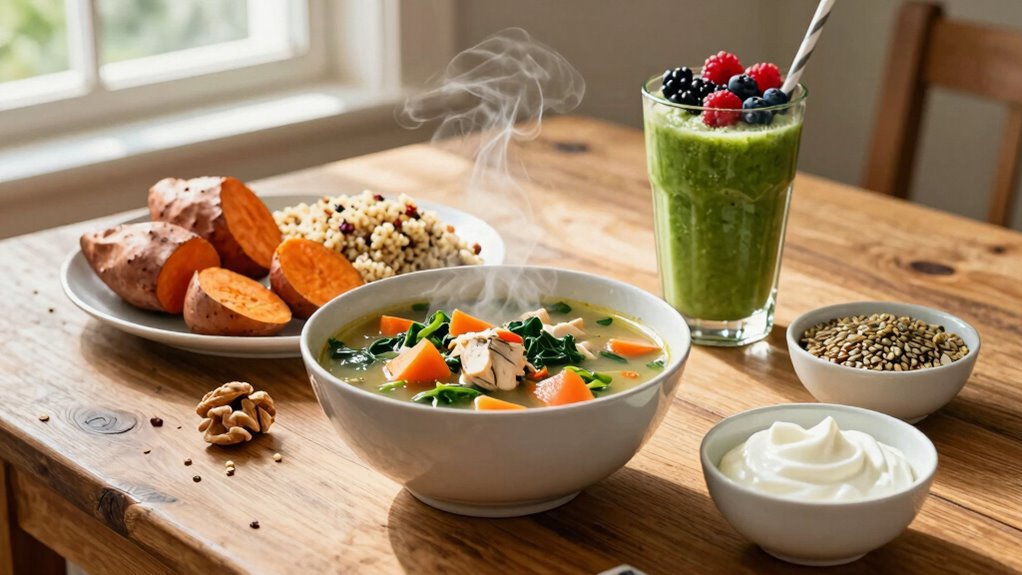
Recovering from intense workouts or physical activity doesn’t have to drain your wallet. You can build effective recovery meals that help you refuel and repair without overspending. The key is to focus on smart meal prep and understanding nutrient timing. Planning your meals ahead of time not only saves money but also guarantees you’re fueling your body with the right nutrients at the right moments. Instead of scrambling for a quick fix post-workout, prepare large batches of economical ingredients like rice, beans, and seasonal vegetables. These staples are affordable, versatile, and rich in the nutrients your body craves after exertion. When you meal prep, you control portion sizes and ingredients, reducing waste and minimizing costs. Plus, having meals ready to go means you’re less likely to make impulsive, expensive food choices. Incorporating biodiversity-friendly ingredients can also support sustainable living practices while enhancing your meals with diverse nutrients. Additionally, choosing ingredients that support local sourcing can further reduce costs and environmental impact. Being mindful of nutrient timing helps optimize your recovery process and make the most out of your meals. Understanding nutritional density can help you select ingredients that provide maximum benefits for your recovery. Nutrient timing plays an essential role in recovery. After a workout, your body needs a mix of carbohydrates and protein to replenish glycogen stores and repair muscle tissue. Combining affordable, nutrient-dense foods like oats with peanut butter, or canned tuna with whole-grain crackers, can deliver the necessary macronutrients without breaking the bank. Incorporating fruits like bananas or seasonal berries, which are often inexpensive and packed with antioxidants, can help reduce inflammation and speed up recovery. Consuming antioxidant-rich foods within the perfect window—usually within 30 to 60 minutes after exercise—maximizes their benefits. This is where meal prep shines; by having your recovery foods ready, you guarantee you’re taking advantage of nutrient timing without the stress or added expense of last-minute shopping.
affordable nutrient-dense meal prep containers
As an affiliate, we earn on qualifying purchases.
As an affiliate, we earn on qualifying purchases.
Frequently Asked Questions
Can Recovery Meals Be Suitable for All Dietary Restrictions?
Recovery meals can be suitable for all dietary restrictions if you focus on meal customization. You can tailor ingredients to meet gluten-free, vegetarian, vegan, or allergy-specific needs. By choosing nutrient-dense, versatile foods and adjusting portion sizes, you guarantee your recovery meal supports your health goals while respecting your dietary restrictions. This personalized approach helps you recover properly without compromising your dietary needs or preferences.
How Long Should I Wait Before Eating After Exercise?
You should aim to eat within 30 to 60 minutes after exercise to optimize recovery. During this window, focus on post workout snacks that include carbs and protein to replenish energy and repair muscles. Don’t forget hydration strategies—drink plenty of water or electrolyte-rich beverages to stay hydrated. Waiting too long can hinder recovery, so plan your meal or snack promptly to get the best benefits from your workout.
Are Supplements Necessary for Effective Recovery Meals?
Supplements aren’t necessary for effective recovery if you focus on proper protein timing and balanced meals. Many supplement myths suggest you need extra products, but real recovery comes from nutrient-rich foods like lean meats, dairy, and plant-based options. Prioritize whole foods to fuel your muscles and replenish glycogen, and only consider supplements if you have specific dietary gaps or needs. Your body can recover well without extra supplements when you eat thoughtfully.
What Are Quick and Easy Recovery Meal Options?
You can quickly refuel with post workout snacks like Greek yogurt, a banana with peanut butter, or a protein shake. Opt for protein-rich foods such as eggs, cottage cheese, or lean meats to aid muscle repair. These options are easy to prepare, portable, and budget-friendly, making them perfect for fast recovery after your workout. Incorporate these into your routine to maximize recovery without complicating your meal plan.
How Can I Prevent Muscle Soreness With My Meals?
Did you know that proper nutrition can reduce muscle soreness by up to 50%? To prevent soreness, focus on protein timing by consuming protein-rich meals within an hour after exercise, helping your muscles recover faster. Stay hydrated with effective hydration strategies, like drinking water or electrolyte drinks, to support muscle repair. Combining these approaches guarantees you’re fueling your body effectively, reducing soreness and enhancing your recovery process.
As an affiliate, we earn on qualifying purchases.
Conclusion
By choosing affordable, nutrient-dense ingredients and planning your meals wisely, you can turn recovery nutrition into a powerful tool without breaking the bank. Think of your budget as a garden—you can grow a lush, nourishing harvest with patience and care. With these simple strategies, you’ll nourish your body effectively and confidently, proving that good recovery meals don’t have to be a costly puzzle—just a well-tended seed ready to flourish.
As an affiliate, we earn on qualifying purchases.
whole grain rice for recovery meals
As an affiliate, we earn on qualifying purchases.
As an affiliate, we earn on qualifying purchases.
Halloween Picks
halloween
As an affiliate, we earn on qualifying purchases.