
Many beginners ask too late about the importance of protein for muscle recovery. You might focus on carbs or fats and overlook how essential high-quality protein is for repairing and growing muscles after workouts. Waiting until soreness or stagnation sets in can delay progress and cause setbacks. If you want faster recovery and better results, understanding the timing and sources of protein early on is key. Keep exploring to discover how to make protein work best for you.

Get workout gear delivered free — and shop member deals
- Fast, free delivery on millions of items
- Access to Prime Big Deal Days deals on October 6–7
- Prime Video, Amazon Music and more included
Key Takeaways
- Many beginners neglect adequate protein intake, delaying muscle recovery and growth.
- Timing protein intake post-workout is crucial but often overlooked initially.
- Choosing high-quality protein sources like eggs, fish, and dairy enhances effectiveness.
- Consistent protein consumption throughout the day supports steady muscle repair.
- Proper understanding of protein’s role prevents prolonged soreness and stagnation in progress.
Have you ever wondered why protein has become such a hot topic in nutrition and health discussions? It’s because protein plays a pivotal role in your body’s functions, especially when it comes to muscle recovery. Whether you’re hitting the gym regularly or just trying to stay active, understanding how protein supports your muscles can make a big difference in your progress. When muscles work hard, tiny tears happen in the fibers, and protein helps repair and rebuild them stronger. Without enough protein, your recovery slows down, and you might find yourself feeling sore longer or not making the gains you want. That’s why paying attention to your dietary sources of protein is essential. From lean meats to plant-based options, the quality and timing of your intake influence how well your muscles recover after each workout.
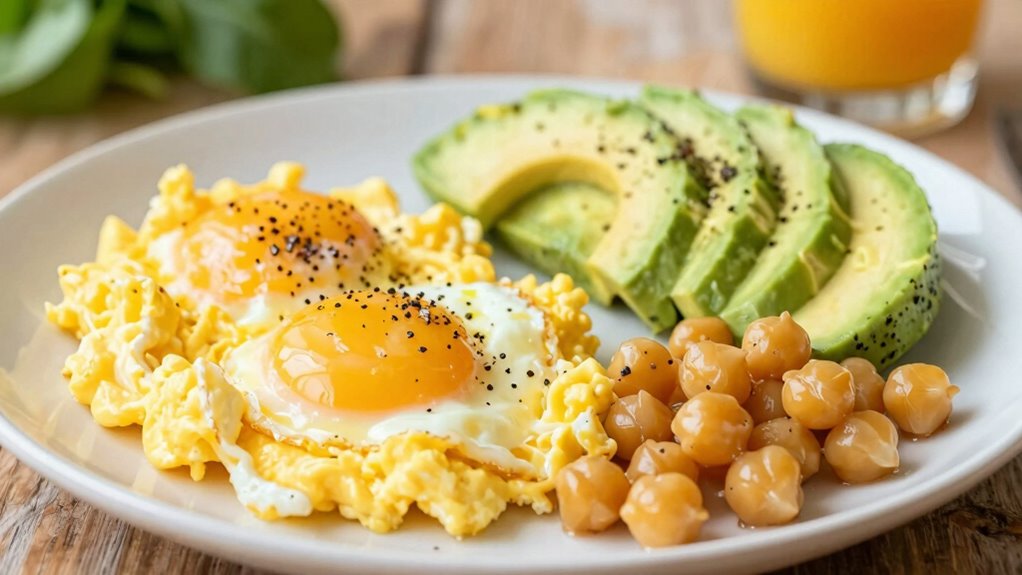
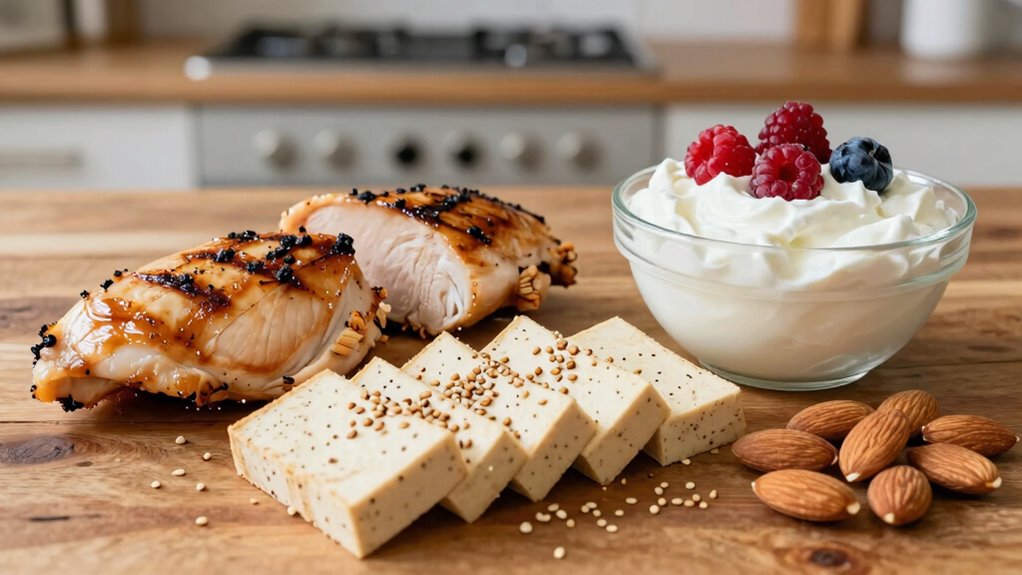
Many beginners overlook the importance of incorporating enough dietary sources of protein into their daily routines. They often focus on carbs or fats, neglecting how indispensable protein is for overall health and muscle maintenance. It’s common to assume that eating protein only matters if you’re trying to bulk up or compete professionally. But in reality, everyone benefits from a balanced amount of high-quality protein, especially during periods of increased physical activity. You don’t need to become a bodybuilder to appreciate its benefits; even light exercise can demand more protein than you might think. By understanding which dietary sources serve as excellent protein providers—like eggs, dairy, nuts, beans, and fish—you can guarantee your body has what it needs to repair and grow. Additionally, protein quality can significantly impact how effectively your body utilizes the nutrients, making it even more important to choose the right sources. Recognizing the importance of sustainable dietary choices ensures that your nutrition supports not just your fitness goals but also the health of the planet. Incorporating nutrient timing strategies can also help optimize your muscle recovery and overall progress.
What many beginners miss is the timing of protein intake. Consuming enough protein throughout the day, especially after workouts, can markedly boost muscle recovery. Instead of waiting until dinner to get your fill, spreading protein-rich foods across meals ensures your muscles constantly receive the nutrients they need. This approach not only helps repair muscle damage but also supports your metabolism and overall energy levels. If you overlook these details early on, you might find your progress stagnating or recovery taking longer than expected. Being proactive about your dietary sources of protein and paying attention to when and how much you consume can make a noticeable difference in how you feel and perform. Ultimately, understanding the role of protein in muscle recovery and guaranteeing you get enough from your diet is a simple yet powerful step toward better health and fitness.
As an affiliate, we earn on qualifying purchases.
Frequently Asked Questions
How Do I Calculate My Daily Protein Needs Accurately?
To calculate your daily protein needs, consider your activity level, body weight, and fitness goals. A common guideline is 0.8 grams of protein per kilogram of body weight for sedentary adults, but athletes may need up to 2 grams. Focus on protein timing by spreading intake throughout the day, and dietary supplements can help if you struggle to meet your needs through food alone. Adjust based on your progress.
Can I Get Enough Protein From Plant-Based Sources Alone?
Yes, you can get enough protein from plant-based sources alone. Did you know that with careful planning, vegan nutrition can provide all essential amino acids? Plant-based proteins like beans, lentils, tofu, and quinoa are rich in nutrients and can meet your daily needs. By combining different sources and paying attention to variety, you guarantee your diet delivers complete protein, supporting your health without animal products.
What Are Signs of Protein Deficiency?
If you’re lacking enough protein, you might notice signs like fatigue, muscle weakness, or slow recovery from exercise. Poor protein absorption can cause these issues, especially if you have dietary restrictions that limit protein sources. You may also experience swelling or skin issues. Pay attention to these signs, and consider adjusting your diet or consulting a healthcare professional to make sure you’re meeting your body’s protein needs despite your dietary limitations.
Is Excessive Protein Intake Harmful?
Think of your body as a well-oiled machine—excessive protein intake can clog the gears, stressing your kidneys and impacting protein metabolism. While dietary supplements can help, too much protein may lead to dehydration and nutrient imbalances. Moderation is key; stick to recommended amounts to avoid harm. Your body thrives on balance, just like a finely tuned engine, so listen to your body’s signals and consult professionals when unsure.
When Is the Best Time to Consume Protein?
You should consume protein around your workouts for ideal timing, supporting muscle repair and growth. Eating protein within 30 minutes to two hours post-exercise maximizes supplement absorption and boosts recovery. Incorporate protein evenly throughout the day to maintain steady amino acid levels, but prioritize post-workout intake. This strategic timing helps your body efficiently utilize the protein, enhancing your fitness goals and overall muscle development.
As an affiliate, we earn on qualifying purchases.
Conclusion
So, don’t wait until you’re already feeling drained or struggling to meet your goals to ask about protein. Think of it like filling a car’s tank—you need to top it up regularly before hitting empty. By understanding your protein needs early, you keep your body running smoothly, powering through workouts and daily tasks. Asking the right questions now is like planting seeds for a stronger, healthier you—so don’t delay, start nourishing yourself today.
As an affiliate, we earn on qualifying purchases.
As an affiliate, we earn on qualifying purchases.
Fall Picks
fall essentials
As an affiliate, we earn on qualifying purchases.