TL;DR

Get workout gear delivered free with Prime
- Fast, free delivery on millions of items
- Prime Video, Amazon Music and more included
- Member-only deals all year
A Fit&Well report describes how the Royal Osteoporosis Society’s free online bone-health assessment identified risk factors the writer had not accounted for, including a previous fracture after a minor injury. The tool is intended to flag when someone may benefit from discussing bone health with a medical professional; it does not diagnose osteoporosis.
The Royal Osteoporosis Society (ROS) has launched a free online bone-health assessment designed to flag factors linked to osteoporosis and suggest whether a user may benefit from in-person medical advice. A Fit&Well writer said the checker highlighted a previous fracture after a minor collision as a reason to discuss bone health, despite the writer’s expectation of having a low risk.
The Fit&Well report describes the tool as a risk assessment, not a diagnosis. It asks about factors such as age, menopause, ethnicity, body mass index, smoking, alcohol intake, relevant medical conditions and family history. A history of a fracture is also considered. The assessment can indicate whether further discussion or a full fracture-risk assessment may be appropriate.
The writer, who said they were 39 and regularly did weight-bearing exercise, reported that a hand fracture from a minor collision on a soccer field about five years earlier affected the result. The injury was a spiral fracture of the fifth metacarpal. The report says the ROS checker states that someone who has broken a bone may be two or three times more likely to break another than someone without a previous fracture; it says a spinal fracture can raise risk by as much as five times. These are figures presented by the tool in the report, not an individual prediction for the writer.
ROS representative Julia Thomson cautioned that not every broken bone signals a bone-health problem. She said the checker flags a fracture as something that could merit a conversation with a doctor, who can consider how it happened and whether other steps are warranted. The report also identifies a parent’s hip fracture, smoking, drinking more than 14 units of alcohol per week, low BMI and conditions such as coeliac disease or an overactive thyroid among possible risk factors.
A Fracture Can Prompt a Risk Review
Osteoporosis can weaken bones without causing obvious symptoms before a fracture, so a person may not know that their risk deserves attention. The ROS tool offers a way to identify potential risk factors and prompt a conversation with a clinician. Its value is as a signposting step: a result can help users decide whether to seek advice, but it cannot establish that someone has osteoporosis.
The report’s personal account also illustrates why a single lifestyle measure, such as exercise or taking vitamin D, does not by itself settle someone’s overall risk. A previous fracture, family history, health conditions and other factors may also matter. People should not interpret a quiz result as a medical conclusion or as a substitute for an assessment by a qualified professional.
digital bathroom scale with BMI measurement
As an affiliate, we earn on qualifying purchases.
As an affiliate, we earn on qualifying purchases.
How the Checker Frames Bone Risk
Osteoporosis is a condition in which bone mineral density and mass decline, leaving bones more fragile. The Fit&Well report describes it as often having no pain or clear symptoms until a fracture occurs. It cites the International Osteoporosis Foundation as estimating that globally, one in three women and one in five men over 50 will experience a fracture due to osteoporosis. The report does not provide a date or further methodology for that estimate.
The checker’s factors reflect that risk can be shaped by several aspects of a person’s health and history. The report says bone strength tends to decline with age, and that women can lose bone strength more quickly around menopause as estrogen levels fall. It also lists a BMI below 18.5 and certain medical conditions as potential risk factors. These points provide general context; the tool’s result does not show that any one factor will cause osteoporosis.
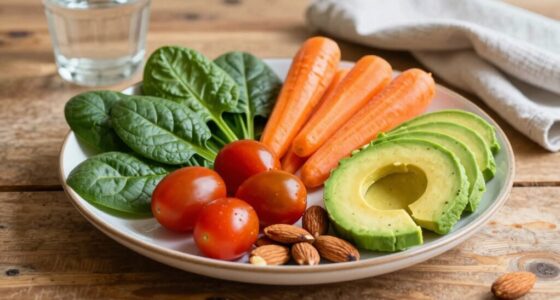
The article also discusses nutrition. Thomson said calcium supports bone strength and that it is found in foods beyond dairy, including some vegetables, nuts, bread and fortified products. The report gives daily calcium amounts of 700 milligrams for most people and 1,000 milligrams for those at increased risk, and says vitamin D supplementation may be worth considering year-round. Individual needs can vary, so dietary or supplement decisions should be checked with a health professional, particularly for people with medical conditions or specific dietary restrictions.
“You will be two or three times more likely to break another bone than someone who has never broken a bone.”
— Royal Osteoporosis Society bone-check tool, as quoted in Fit&Well
As an affiliate, we earn on qualifying purchases.
What the Online Result Cannot Establish
The source does not state when the checker launched, how its questions are scored, or how accurately it identifies people who will later develop osteoporosis or experience a fracture. It also does not provide the writer’s full result or say whether a clinician recommended testing or treatment. The assessment’s output should therefore be understood as a prompt for follow-up, not confirmation of a condition.
Whether a previous fracture signals an underlying bone issue depends on factors including the injury and the person’s health. Thomson’s comments in the report stress that a broken bone can have other explanations. The source does not describe a formal medical evaluation of the writer, and no diagnosis is reported.
calcium and vitamin D supplement for bone health
As an affiliate, we earn on qualifying purchases.
As an affiliate, we earn on qualifying purchases.
Discuss Concerning Results With a Clinician
People who use the ROS checker and receive a result suggesting follow-up can discuss their history and next steps with a doctor or other appropriate medical professional. That conversation may clarify whether a full fracture-risk assessment or additional action is suitable. Anyone with questions about supplements, calcium intake or an existing health condition should seek advice tailored to their circumstances rather than relying on a general online tool.
The report offers no announced schedule for further updates to the assessment or data on its use. For now, the confirmed development is the availability of the free checker as a way to raise awareness and direct users toward professional advice when indicated.
As an affiliate, we earn on qualifying purchases.
Key Questions
Does the ROS bone checker diagnose osteoporosis?
No. The report describes it as a risk assessment that can suggest whether someone may benefit from medical advice or a fuller fracture-risk assessment. It does not confirm a diagnosis.
Does a previous fracture mean I have osteoporosis?
No. ROS representative Julia Thomson said not every broken bone indicates a bone-health problem. The circumstances of the injury and a person’s wider health history matter, so discuss concerns with a medical professional.
Which factors does the checker ask about?
The report lists age, menopause, ethnicity, BMI, smoking, alcohol intake, some medical conditions, a parent’s hip fracture and the user’s own fracture history among the factors it considers.
What should I do if the result flags a risk?
Use the result as a reason to speak with a doctor or another appropriate health professional. They can discuss whether further assessment or other steps fit your circumstances.
Source: rss
Halloween Picks
halloween
As an affiliate, we earn on qualifying purchases.