

A deload week is a planned reduction in your workout intensity and volume that allows your body to recover without losing progress. By easing up on heavy lifts, focusing on light activity, and prioritizing rest, you prevent overtraining and reduce injury risk. Incorporate active recovery techniques like stretching, foam rolling, and good nutrition to support healing. Staying consistent during this time helps maintain momentum, and exploring these strategies will give you a smarter approach to recovery.
Key Takeaways
- Deload week involves reducing training volume and intensity to promote recovery without sacrificing progress.
- It helps prevent overtraining, reduce fatigue, and maintain long-term training consistency.
- Incorporate active recovery techniques like stretching, foam rolling, and light activities during deloads.
- Proper nutrition, hydration, and sleep are crucial to maximize recovery during this period.
- Planning deload weeks strategically ensures continued progress while giving the body adequate rest.

Recovery strategies during a deload week go beyond just taking time off. Incorporate light stretching, foam rolling, and mobility exercises to improve blood flow and reduce muscle tightness. Gentle activities like walking, swimming, or yoga also support recovery without overtaxing your system. Nutrition plays an essential role as well. Prioritize protein intake to aid muscle repair, stay hydrated, and include nutrient-dense foods that support overall recovery. Sleep is indispensable, too—aim for quality rest, as it’s when your body does most of its repair work. Avoid stressful activities that could elevate cortisol levels, which hinder recovery and exacerbate fatigue. Managing training workload effectively helps ensure your body can recover fully and sustainably.
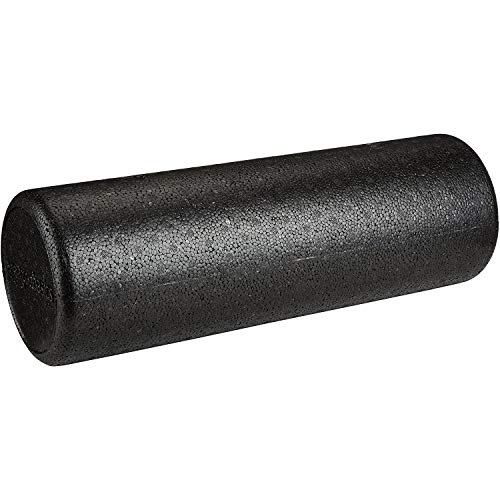
Amazon Basics High-Density Foam Roller for Exercise and Recovery, 18 Inches, Black
High-density foam roller in Black
As an affiliate, we earn on qualifying purchases.
As an affiliate, we earn on qualifying purchases.
Frequently Asked Questions
How Often Should I Schedule a Deload Week?
You should schedule a deload week every 4 to 8 weeks, depending on your training frequency and how your body perceives. Typically, a deload duration lasts about a week, during which you reduce intensity and volume. If you’re training intensely or frequently, opt for more frequent deloads. Listening to your body helps prevent overtraining and ensures steady progress without risking burnout.
Can I Still Do Cardio During a Deload Week?
Yes, you can still do cardio during a deload week. In fact, many find that light stretching and moderate cardio help with mental recovery and keep their routine fresh. Studies show that active recovery can boost mood and prevent stiffness. Just keep the intensity low, focus on maintaining consistency, and listen to your body. This way, you support overall progress without overtaxing your muscles.
What Are Signs I Need a Deload Sooner?
You should consider a deload sooner if you notice persistent mental fatigue, lack of motivation, or excessive soreness that doesn’t improve with rest. These signs indicate your body needs a break from intense training. Incorporate resting techniques like light activity or active recovery to help you recharge. Listening to your body is essential; if you’re feeling drained mentally or physically, it’s smart to deload early to prevent injury and keep progress on track.
Should I Change My Nutrition During Deload?
During a deload, you don’t need to drastically change your caloric intake unless you’re experiencing significant weight changes or energy shifts. Stick to your usual nutrition to maintain consistency. However, you might consider adjusting your supplements—reducing stimulants or other energy boosters if you feel overly taxed. Focus on balanced meals to support recovery, and listen to your body’s signals, tweaking intake only if necessary for ideal rest and progress.
Is a Deload Necessary for Beginners?
Yes, a deload can be beneficial for beginners, even if you’re just starting out. It helps manage training volume and allows your body to recover with proper recovery strategies. By scheduling a deload, you prevent burnout and reduce injury risk. Listen to your body; if you’re feeling overly fatigued or sore, incorporating a deload week guarantees you maintain progress while giving your muscles and joints time to recover effectively.

Pull Up Bands, Resistance Bands, Pull Up Assistance Band Exercise Bands for Men & Women Working Out, Body Stretching, Physical Therapy, Muscle Training – Black
100% Natural Latex
As an affiliate, we earn on qualifying purchases.
As an affiliate, we earn on qualifying purchases.
Conclusion
A deload week is like hitting the reset button for your body, helping you recover without losing momentum. By intentionally reducing your intensity, you allow your muscles and mind to recharge, so you can come back stronger and more focused. Think of it as giving your engine a tune-up—preventing breakdowns before they happen. Embrace deload weeks as a smart strategy to sustain progress and keep your fitness journey moving smoothly, like a well-oiled machine.

Optimum Nutrition Gold Standard 100% Whey Protein Powder, Double Rich Chocolate 1.98 Pound (Packaging May Vary)
24 g High-Quality Whey Protein per Scoop – 100% of the protein from whey for a fast-absorbing, complete…
As an affiliate, we earn on qualifying purchases.
As an affiliate, we earn on qualifying purchases.

Amazon Basics 1/2 Inch Extra Thick Exercise Yoga Mat with Carrying Strap for Home Workouts and Fitness, 74" x 24", Black
Extra thick, cushy floor mat in Black for yoga, gym, and everyday exercise
As an affiliate, we earn on qualifying purchases.
As an affiliate, we earn on qualifying purchases.