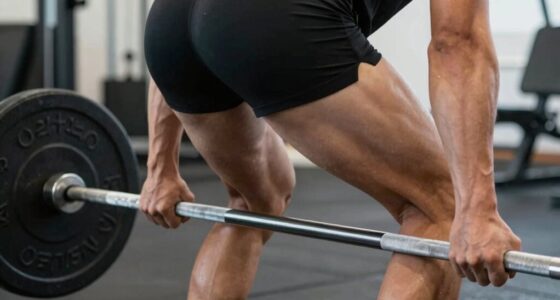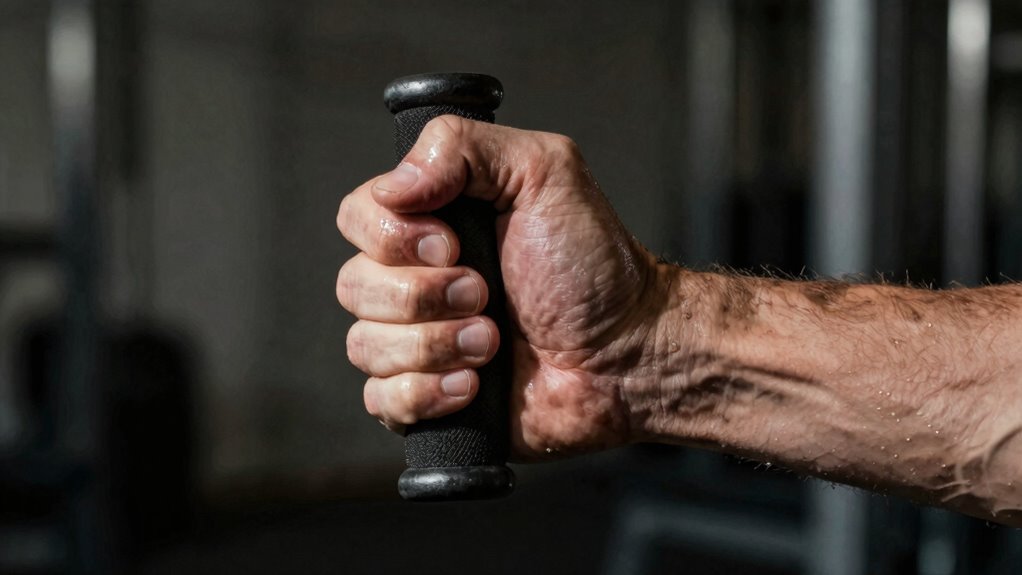

Your hands often give out before your muscles because grip strength isn’t just about muscle power—it depends on nerve signals, tendons, and fatigue limits. When you grip tightly, blood flow decreases, and your nervous system may struggle to fully activate your hand muscles, causing early failure. Improving grip endurance, technique, and nutrition can help, but understanding these factors is key—if you want to discover the secrets behind why your hands quit first, keep exploring further.
Key Takeaways
- Nerve fatigue and impaired nerve-muscle communication often cause hands to weaken before muscles tire.
- Poor grip technique and excessive force reduce blood flow, leading to early hand fatigue.
- Hand and finger muscles can fatigue quicker than larger forearm muscles due to limited endurance.
- Insufficient recovery, hydration, and nutrition weaken nerve function, causing hands to give out first.
- Strengthening grip endurance and proper technique helps delay hand fatigue, preventing premature hand failure.
Top picks for "grip strength secret"
Open Amazon search results for this keyword.
As an affiliate, we earn on qualifying purchases.
The Anatomy of Hand and Grip Muscles
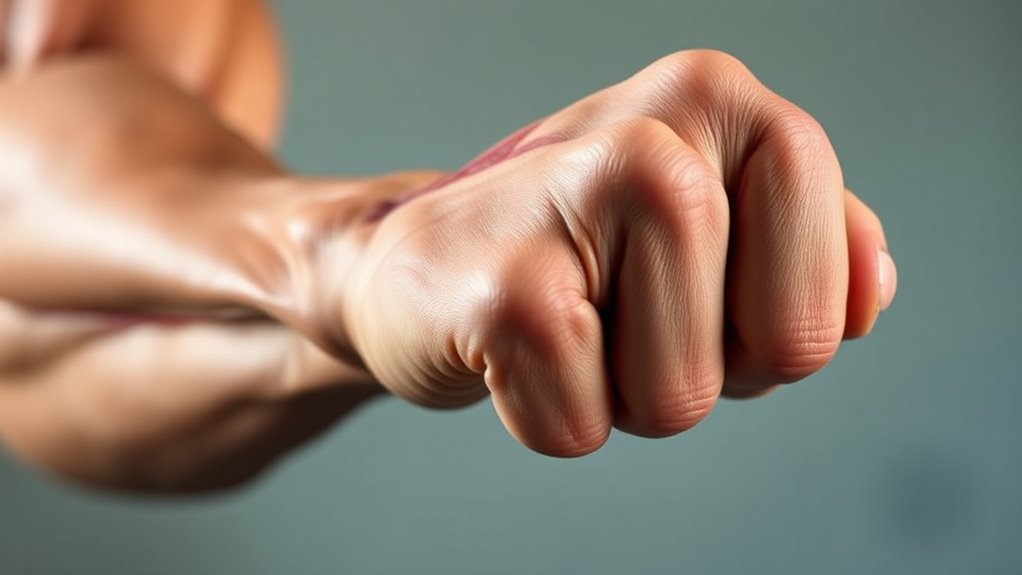
Understanding the anatomy of your hand and grip muscles is essential for improving your grip strength. Your hand contains a complex network of muscles, tendons, and bones that work together to produce force. The primary muscles involved are the flexor and extensor groups, which control finger movement. The flexor muscles, located in your forearm, pull your fingers into a grip, while the intrinsic muscles within your hand fine-tune this action. The thenar and hypothenar muscles control thumb and pinky movements, respectively. Tendons connect these muscles to your finger bones, transmitting force. Knowing how these muscles work allows you to target specific areas with exercises, helping you build a stronger, more resilient grip. This understanding is the foundation for enhancing your hand strength effectively.
Common Causes of Grip Fatigue
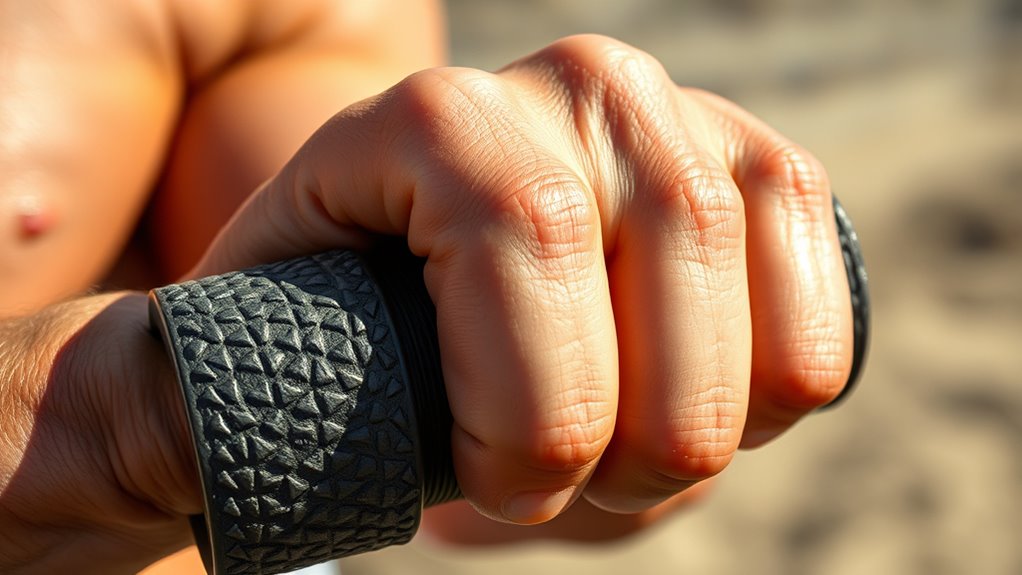
Grip fatigue often occurs when your hand muscles are pushed beyond their current capacity, leading to a temporary loss of strength and control. Several common causes contribute to this, starting with muscle exhaustion from repeated gripping or holding. Overuse without adequate rest causes your muscles to tire quickly. Poor technique or improper grip positioning can strain muscles unnecessarily, leading to early fatigue. Insufficient blood flow, often caused by tight grip or gripping too hard, reduces oxygen delivery to muscles. Dehydration and lack of proper nutrition weaken muscle endurance. Additionally, fatigue may stem from underlying conditions like arthritis or tendinitis, which cause inflammation and reduce muscle efficiency. Recognizing these causes helps you address them proactively and improve your grip endurance over time. Understanding muscle physiology can further help in designing effective training and recovery strategies, especially when combined with targeted auditory processing techniques to enhance focus during exercises. Improving blood circulation through proper technique and rest can significantly extend your grip endurance, and incorporating proper hydration can also improve muscle performance during activity. For example, maintaining good muscle conditioning can help delay fatigue and boost overall hand strength.
The Role of Nervous System in Hand Strength
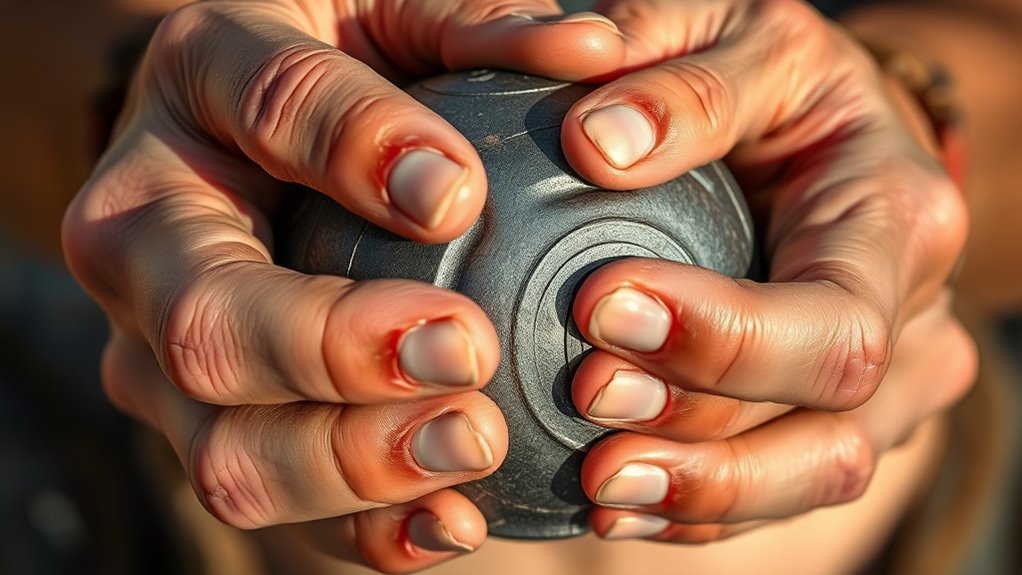
Your hand muscles rely heavily on the nervous system to generate force and coordinate movements. When you grip something, your brain sends electrical signals through nerves to activate muscle fibers in your hands and forearms. The strength of your grip depends on how well your nervous system communicates with these muscles, recruiting the right number and type of fibers at the right time. Faster nerve signals lead to quicker, more powerful grips, while impaired nerve function weakens your hold. Additionally, your nervous system manages muscle fatigue, adjusting effort as needed. Proper nerve health and efficient communication are vital for maintaining hand strength, especially during intensive tasks. Without ideal nervous system function, your muscles can’t reach their full potential, making nerve health key to a strong grip. Youngster Choice highlights how overall nerve efficiency is crucial for optimal muscle performance. Moreover, maintaining nerve integrity can help prevent muscle fatigue and ensure sustained strength during prolonged activities. Nervous system health plays a crucial role in overall muscular endurance and recovery. The flat iron bike concept underscores the importance of efficient energy transfer, similar to how optimal nerve signaling enhances muscle performance.
How Grip Endurance Affects Performance
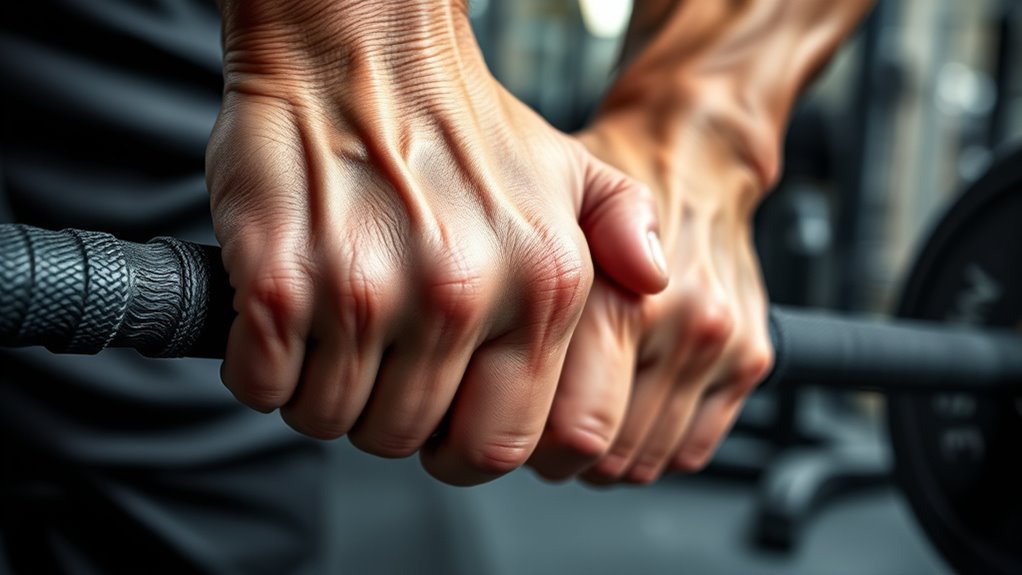
Endurance in your grip plays a crucial role in sustaining performance during prolonged or repetitive tasks. When your grip stamina is high, you can hold onto objects longer without fatigue, which boosts efficiency and reduces the risk of dropping or mishandling tools. Poor grip endurance forces you to release early or reduce effort, impacting activities like weightlifting, climbing, or manual labor. Over time, limited endurance can lead to quicker muscle fatigue and decreased overall strength output. Developing grip endurance allows you to perform at a consistent level, maintaining control and precision longer. This not only enhances your performance but also prevents injury caused by overexertion. Building grip endurance ensures your hands support your efforts, so you can push through tough routines without quitting prematurely. Being aware of the importance of hand strength in activities such as pinball or other precision tasks highlights how vital grip endurance truly is. Additionally, incorporating specific exercises like grip training can significantly improve your stamina and overall hand health. Improving muscle recovery strategies can also help maintain your grip capacity during extended activities, especially when you focus on preventing overuse injuries, which can hinder long-term performance. Proper piercing care and hygiene practices, like regular cleaning, can also support overall hand health, preventing issues that might impair grip.
Key Exercises to Strengthen Your Grip

To effectively strengthen your grip, incorporating targeted exercises into your routine is essential. One effective move is the farmer’s carry, where you hold heavy weights in each hand and walk steadily, engaging your grip muscles. Dead hangs are simple—just hang from a pull-up bar for as long as you can, building endurance and finger strength. Incorporate squeezing a tennis ball or grip trainer to boost hand strength daily. Another powerful exercise is wrist curls, which strengthen the forearm muscles that support your grip. Remember to vary your routines, gradually increasing weight and duration to challenge your muscles. Consistency is key; these exercises will help you develop a stronger, more resilient grip that won’t give out early. Regularly assessing your battery performance metrics can help track your progress and prevent premature grip fatigue. Additionally, understanding proper training techniques can maximize your grip development and safety. Incorporating proper equipment like gripping tools and supportive gloves can further enhance your training results. Paying attention to recovery strategies such as stretching and rest can also prevent overuse injuries and improve overall strength gains. Engaging in cybersecurity practices to protect your data can serve as a metaphor for safeguarding your physical strength through proper training and recovery.
The Importance of Hand and Finger Mobility

Maintaining hand and finger mobility is essential for peak grip performance and overall hand health. When your fingers move freely, you can generate more force and reduce injury risk. Flexibility helps you grasp objects securely and prevents stiffness that hampers strength.
| Mobility Exercises | Benefits |
|---|---|
| Finger stretches | Increase flexibility |
| Hand rotations | Improve joint range of motion |
| Grip releases | Reduce tension and stiffness |
| Tendon glides | Enhance tendon health |
Focusing on mobility keeps your hands agile and responsive. Incorporate simple stretches daily, and you’ll notice better grip endurance and less discomfort, ensuring your hands stay strong and resilient for any task.
Proper Technique for Maximizing Grip Power

To maximize your grip power, focus on optimizing your hand position for better leverage and control. Consistent grip training helps build strength and reinforces proper technique. By paying attention to these points, you’ll see improvements in your grip strength over time. Incorporating proper assessment methods can further help track your progress and tailor your training effectively. Additionally, understanding muscle engagement during exercises can lead to more effective strength development. Incorporating correct form and posture can also prevent injury and ensure you’re targeting the right muscle groups for optimal gains. Ensuring your training includes evidence-based techniques can optimize results and minimize the risk of overtraining.
Hand Position Optimization
Optimizing your hand position is essential for maximizing grip strength during lifts. Start by gripping the bar evenly, ensuring your palms wrap fully around it. Keep your wrists in a neutral position to avoid unnecessary strain, which can weaken your grip. Squeeze the bar firmly with your fingers, not just your palms, to engage more muscle fibers. Position your thumbs securely around the bar to create a stable grip. If you’re using straps or other aids, make sure they don’t alter your natural hand placement or reduce grip engagement. Experiment with slight adjustments to finger placement and hand angle to find what feels most secure and powerful. Proper hand positioning ensures your grip is as strong as possible, helping you lift heavier and prevent premature hand fatigue. Additionally, maintaining good grip endurance through proper technique can help prevent early fatigue during lifting sessions.
Consistent Grip Training
Consistent grip training builds strength and reinforces proper technique, making your grip more reliable during lifts. When you train regularly, your hands adapt, increasing endurance and grip force over time. Focus on maintaining good form—use a firm, secure grip without over-tightening, which can cause fatigue. Incorporate a variety of exercises like deadlifts, farmer’s carries, and grip-specific tools such as grippers or thick bars. Track your progress to stay motivated and identify areas needing improvement. Rest days are essential to allow your grip muscles to recover and grow stronger. Remember, consistency is key; sporadic efforts won’t yield lasting results. By sticking to a routine, you’ll develop a dependable grip that enhances your overall strength and lifts performance. Paying attention to vetted vacuum features can also teach you the importance of regular maintenance and proper technique to optimize results.
The Impact of Fatigue on Grip and Overall Progress

Fatigue plays a significant role in reducing grip strength and hindering your overall progress. When your hands tire, your grip weakens, making it harder to lift, hold, or perform precise movements. This temporary decline can lead to longer recovery times and decreased training intensity. Over time, persistent fatigue may cause you to push less, stall progress, or even risk injury. Recognizing how fatigue impacts your grip helps you adjust your training to prevent burnout.
- Your grip may weaken before your muscles are truly exhausted
- Fatigue can cause improper form, increasing injury risk
- Rest periods become essential to maintain progress
- Overtraining without recovery hampers strength gains
Nutritional Factors Influencing Hand Strength

Proper nutrition plays a essential role in building and maintaining hand strength, as your muscles require essential nutrients to recover and grow. Protein is indispensable, providing the amino acids needed for muscle repair and growth, so include lean meats, eggs, or plant-based sources. Magnesium helps with muscle function and prevents cramps, which is critical for grip endurance—consider nuts, seeds, and leafy greens. Vitamin D and calcium support bone health, ensuring your hands stay strong and resistant to injury. Omega-3 fatty acids reduce inflammation, aiding recovery from training. Hydration also matters; staying well-hydrated keeps muscles functioning at their best. Incorporate a balanced diet rich in these nutrients to support your grip training efforts and prevent premature fatigue, ensuring your hands stay strong and capable over time.
Incorporating Grip Training Into Your Routine

To effectively boost your grip strength, you need to integrate specific grip exercises into your workout routine regularly. Consistency is key—adding targeted moves helps your hands and forearms adapt and grow stronger over time. Start by including simple exercises like farmer’s carries, towel pulls, or grip squeezes. You can also incorporate tools such as grip trainers or hand grippers for variety. Aim to perform grip exercises 2-3 times a week, gradually increasing intensity. Remember, proper rest allows your muscles to recover and grow. To make it easier, create a mini routine that fits into your existing workouts, so grip training becomes a natural part of your fitness journey. Building grip strength isn’t complex but does require dedication.
Frequently Asked Questions
How Long Does It Typically Take to See Improvements in Grip Strength?
You can usually see improvements in grip strength within 2 to 4 weeks if you train consistently. Focus on exercises like deadlifts, farmers carries, and grip squeezes. Remember, progress varies based on your initial strength, workout intensity, and recovery. Stay dedicated, increase resistance gradually, and guarantee proper nutrition. With regular effort, you’ll notice stronger hands and better grip endurance in just a few weeks.
Can Age Affect the Rate of Grip Fatigue and Recovery?
Yes, age can affect how quickly your grip fatigues and recovers. As you get older, your grip strength may decline, and recovery takes longer due to reduced muscle mass and slower circulation. You might notice fatigue setting in sooner during workouts and need more time to bounce back. Regular training can help, but be mindful of your body’s limits and adjust your routines accordingly to prevent injury.
Are There Specific Signs Indicating Grip Overtraining or Injury?
Think of your hands as a delicate garden. If you notice persistent pain, swelling, or a tingling sensation, it’s like weeds taking over—signs of overtraining or injury. Weak grip despite rest, numbness, or a burning feeling also point to trouble. Ignoring these signals is like neglecting your garden; it could lead to bigger problems. Pay attention, rest, and seek advice before the damage spreads.
How Do Different Sports or Activities Influence Grip Endurance Needs?
Different sports and activities heavily influence your grip endurance needs. For example, rock climbing and tennis require sustained grip strength, pushing your hands to hold on longer. Weightlifting demands quick, powerful grips, while activities like rowing involve repetitive, moderate grip efforts. By understanding these demands, you can tailor your training to improve endurance, prevent overuse injuries, and guarantee your hands stay strong enough to match your activity’s specific grip requirements.
What Are Common Misconceptions About Grip Training Effectiveness?
Many believe endless reps build unstoppable grip strength, but that’s a myth. You don’t need to crush your hands with excessive training to see results. Instead, focus on quality over quantity, training your grip in targeted ways. Ironically, overdoing it can lead to fatigue or injury, limiting progress. Effective grip training requires balance, patience, and smart exercises—not just brute force or endless reps.
Conclusion
So, next time your hands give out before your muscles do, remember it’s often a mix of nerves, technique, and nutrition working together—like a perfectly synchronized team. When you focus on strengthening your grip and fueling your body right, you might just find your hand strength catching up with your overall power. It’s no coincidence that with consistent effort, your grip can become your secret weapon in reaching new fitness heights.