

Progressive overload means gradually increasing the demands on your muscles to build strength and size without guessing. You can do this by adding weight, reps, or changing exercise variables safely over time. Tracking your progress helps ensure you’re advancing at the right pace without overtraining. Recognizing signs of overloading too fast allows adjustments that prevent setbacks. mastering these steps will set you on the path to consistent results—keep going to learn more.
Key Takeaways
- Gradually increase workout demands through weight, reps, or intensity to promote muscle growth and prevent plateaus.
- Track your progress consistently using logs, photos, or performance data to make informed adjustments.
- Analyze trends to identify improvements and determine when to safely escalate workload or modify routines.
- Prioritize proper technique and recovery to maximize results and minimize injury risk during progressive overload.
- Avoid overtraining by listening to your body, incorporating rest days, and advancing workload gradually for sustainable progress.

TYZDMY Adjustable Dumbbells Set of 2,Free Weights Dumbbells Set,Adjustable Dumbbell Set,52.5 lbs pair 105 lbs,15 in 1,for Men/Women Gym Equipment for Home Strength Training Equipment
【15 in1 Adjustable Dumbbells】You will receive a pair of 52.5 lb dumbbells, each adjustable in 15 different weights:…
As an affiliate, we earn on qualifying purchases.
As an affiliate, we earn on qualifying purchases.
What Is Progressive Overload and Why Is It Important?

Progressive overload is a fundamental principle in strength training that involves gradually increasing the demands placed on your muscles. If you want to build strength and muscle mass, you need to challenge your body consistently. This means slowly raising the weight, increasing reps, or adjusting other variables like rest time or exercise difficulty. Without this steady progression, your muscles won’t adapt or grow, and your progress will stall. It’s essential because your body gets used to the current workload, making it less effective over time. By pushing beyond your comfort zone in a controlled way, you signal your muscles to grow stronger and bigger. This deliberate, incremental challenge is key to making consistent gains and avoiding plateaus in your training. Proper technique ensures that you safely apply progressive overload without risking injury and maximizes your results. Incorporating training variables like tempo and rest periods can further enhance your progress and prevent training plateaus. Additionally, understanding muscle adaptation helps you tailor your progression to optimize results over time, and applying training principles consistently ensures sustainable improvement. Recognizing the importance of recovery and rest also plays a critical role in allowing muscles to repair and grow effectively.

Fitness Logbook (Black) – A5 Undated Workout Journal For Men & Women – Plastic Cover & Thick Paper – Planner Log Book To Track Weight Loss, Muscle Gain, Gym Exercise, Bodybuilding Progress
THOUGHTFUL LAYOUT. Simple, clean, and time-tested. Plenty of space to record exercises, weights, reps, cardio and notes. Before…
As an affiliate, we earn on qualifying purchases.
As an affiliate, we earn on qualifying purchases.
The Science Behind Progressive Overload

Understanding the science behind progressive overload reveals why this method effectively stimulates muscle growth and strength gains. When you consistently challenge your muscles with increased resistance or volume, you create micro-tears in muscle fibers. Your body responds by repairing these fibers stronger and thicker, leading to muscle growth. This process, called hypertrophy, is driven by adaptations in your nervous system and muscle tissue. As you overload, your nervous system becomes more efficient at recruiting muscle fibers, improving strength. Additionally, progressive overload triggers hormonal responses that promote recovery and growth. Your body recognizes the need to adapt to the increased stress, which is why gradually pushing your limits leads to continuous progress. Muscle adaptation is the key factor behind sustained improvements. This scientific principle is the foundation for effective, sustainable training. Recognizing how training stimulus interacts with your body’s natural response mechanisms can help optimize your progress over time. Incorporating proper recovery strategies is also essential to allow your muscles to repair and grow effectively. Moreover, understanding individual variability can help tailor training programs for optimal results.
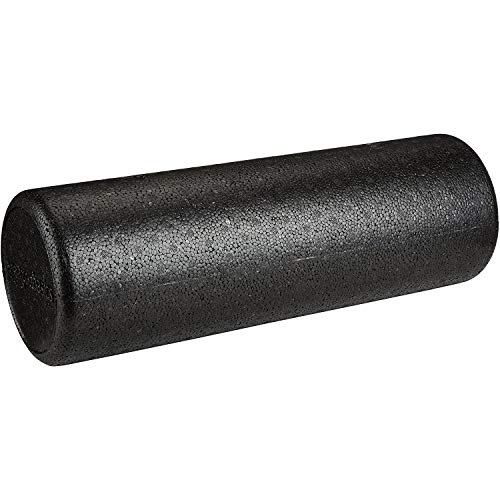
Amazon Basics High-Density Foam Roller for Exercise and Recovery, 18 Inches, Black
High-density foam roller in Black
As an affiliate, we earn on qualifying purchases.
As an affiliate, we earn on qualifying purchases.
Different Methods to Apply Overload Safely

Applying overload safely is vital to prevent injury and guarantee consistent progress in your training. You can do this by gradually increasing intensity, volume, or complexity. For example, consider these methods:
| Method | Description |
|---|---|
| Incremental Weight Increase | Add small weight amounts over time for strength gains. |
| Repetition Progression | Perform more reps with the same weight to build endurance. |
| Tempo Variations | Slow down or speed up movement to challenge muscles differently. |
| Rest Period Adjustments | Shorten rest times to increase intensity safely. |
| Monitoring Progress ensures safety by tracking your improvements to avoid overtraining. Additionally, paying attention to training recovery can help prevent burnout and injuries. Incorporating proper nutrition supports muscle repair and overall progress. Regularly assessing training intensity helps maintain a safe overload pace and avoid setbacks. Being aware of muscle fatigue is also crucial to prevent overexertion and injury.

Pull Up Bands, Resistance Bands, Pull Up Assistance Bands Set for Men & Women, Exercise Workout Bands for Working Out, Body Stretching, Physical Therapy, Muscle Training – Colorful
100% Natural Latex
As an affiliate, we earn on qualifying purchases.
As an affiliate, we earn on qualifying purchases.
Tracking Your Progress Effectively

To track your progress effectively, you need consistent measurement methods that give you reliable data over time. Analyze your performance trends regularly to identify improvements and areas that need adjustment. Staying disciplined with these tracking techniques helps make certain you’re progressing safely and efficiently. Understanding your net worth can also provide insight into your financial growth as you implement progressive overload. Incorporating performance analysis tools, such as apps or software, can further enhance your ability to monitor progress accurately over time. Additionally, using sticking wall decor techniques can serve as a visual reminder of your progress and motivate continued effort. Regularly reapplying sunscreen and maintaining skin hydration are essential practices that can influence your overall results, especially if your training involves outdoor activities. Being aware of decoding slang can also help you better interpret informal feedback from trainers or peers about your progress.
Consistent Measurement Methods
Tracking your progress consistently is essential to making steady gains through progressive overload. To do this effectively, you need reliable measurement methods. First, record your workout details after each session, including weights, reps, and sets. Second, take regular progress photos to visually track changes over time. Third, keep a training journal to note how you feel during workouts and any strength improvements. Fourth, periodically measure body metrics like weight, body fat percentage, or muscle circumferences. Using these methods consistently helps you identify patterns, stay motivated, and make informed adjustments. Additionally, monitoring piercing healing and care routines can ensure your progress remains safe and irritation-free. Moreover, employing AI-driven analysis can provide deeper insights into your training data, helping you optimize your routines. Recognizing the importance of industry recognition in payment systems can also inspire confidence in your tracking tools and platforms. Remember, the key is consistency—stick to your measurement routine to accurately gauge your progress and ensure you’re on the right track. Incorporating accurate tracking tools can further enhance your ability to monitor subtle changes over time.
Analyzing Performance Trends
Once you’ve established consistent measurement methods, the next step is to analyze the data to identify performance trends. Look for patterns over time, such as steady improvements or plateaus. Are you lifting heavier weights, increasing reps, or reducing rest periods? Track your progress regularly and compare recent data to earlier records. This helps you see whether your training is effective or if adjustments are needed. Pay attention to fluctuations, but focus on overall direction. If you notice consistent gains, you’re on the right track. If progress stalls, consider modifying your routine or recovery strategies. Analyzing trends keeps you informed and motivated, ensuring you can make data-driven decisions and continue progressing without guesswork. Additionally, incorporating support breakfast strategies, such as consuming high-protein options, can optimize recovery and performance.
How to Increase Resistance Without Overtraining

Increasing resistance is essential for progress, but pushing too hard can lead to overtraining and setbacks. To safely boost resistance, you need a smart approach. Here are four effective strategies:
- Gradually increase weight or reps over multiple sessions.
- Use small increments to avoid sudden stress.
- Incorporate longer rest periods to recover fully.
- Listen to your body—if you feel excessive fatigue, scale back temporarily.
The Role of Volume and Intensity in Overloading

To keep making progress, you need to find the right balance between volume and intensity. Adjusting your sets and reps can help you overload safely, while monitoring your performance shows if you’re improving. Remember, balancing workload and rest is key to avoiding burnout and maximizing gains.
Balancing Workload and Rest
Balancing workload and rest is essential to effective progress in training, as too much intensity without adequate recovery can lead to burnout or injury. Properly managing volume and intensity helps you avoid overtraining while still challenging your muscles. To find the right balance:
- Gradually increase workload to prevent sudden stress.
- Incorporate rest days to allow recovery.
- Vary intensity to avoid constant maximum effort.
- Listen to your body—acknowledge signs of fatigue or pain.
Adjusting Sets and Reps
Adjusting sets and reps is a key way to fine-tune your training volume and intensity for effective overload. Increasing the number of sets boosts overall workload, helping your muscles adapt and grow stronger. Conversely, reducing reps with heavier weights can challenge your strength capacity more intensely. To progress, you might add an extra set or slightly increase reps within your current range. Alternatively, lowering reps while increasing weight intensifies the effort per repetition. These adjustments allow you to manipulate volume and intensity precisely, without overtraining. Remember, small changes matter—gradually increasing reps or sets over time ensures consistent progress. By fine-tuning your sets and reps, you create a tailored overload that keeps your muscles adapting and prevents plateaus.
Monitoring Performance Gains
Monitoring your performance gains is essential to understanding how volume and intensity contribute to effective overload. By tracking your progress, you can see whether you’re making consistent improvements or need to adjust your training. Focus on these key factors:
- Record your sets, reps, and weights used during each workout.
- Track how your strength or endurance improves over time.
- Notice when you can increase volume without sacrificing form.
- Pay attention to how your body responds, including fatigue and recovery.
This data helps you determine if you’re overloading appropriately or risking overtraining. Consistent monitoring ensures you’re challenging yourself just enough to promote growth without unnecessary strain, leading to smarter, more effective progress.
Recognizing Signs You’re Overloading Too Quickly

If you start feeling persistent soreness, fatigue that doesn’t improve with rest, or notice a decline in your performance, you might be overloading too quickly. Recognizing these signs early helps you avoid injury and burnout. Look out for these indicators:
| Symptom | What It Means |
|---|---|
| Unrelenting soreness | Too much, too fast; muscles haven’t recovered |
| Decreased performance | Your body is overwhelmed; progress stalls |
| Persistent fatigue | Overtraining; needs more recovery |
| Injury or pain | Sign of overstressing muscles or joints |
Pay attention to your body signals. Adjust your workload if these signs appear to keep progress steady and safe.
Balancing Rest and Work for Optimal Gains

Balancing rest and work is key to maximizing your gains and preventing burnout. Taking scheduled rest days helps your muscles recover and grow stronger, while skipping recovery increases the risk of overtraining. By planning your rest strategically, you make certain of consistent progress without sacrificing your well-being.
Rest Days Boost Progress
While pushing yourself during workouts is essential for progress, taking regular rest days is equally important to prevent burnout and injury. Rest days allow your muscles to recover, repair, and grow stronger, which is critical for continuous gains. When you give your body time to recover, you’re more likely to stay consistent and avoid overtraining. To maximize your progress, consider these key points:
- Schedule at least one rest day per week to facilitate recovery.
- Use rest days for light activity like walking or stretching to stay active.
- Focus on proper nutrition and hydration to support healing.
- Pay attention to your body’s signals—rest more if you feel fatigued or sore.
Balancing work and rest ensures sustained progress and long-term success.
Avoid Overtraining Risks
Pushing your limits in workouts drives progress, but ignoring signs of fatigue can lead to overtraining and setbacks. If you push too hard without adequate rest, your body won’t recover properly, increasing injury risk and decreasing performance. Pay attention to persistent soreness, fatigue, or lack of motivation—they’re signals your body needs a break. Incorporate lighter days or active recovery to prevent burnout. Balance intense sessions with rest to allow muscles to repair and adapt. Overtraining can also weaken your immune system and hinder progress, so it’s essential to listen to your body’s cues. By managing your workload wisely, you’ll avoid setbacks and ensure consistent gains. Remember, rest isn’t just downtime; it’s an indispensable part of making sustainable progress.
Schedule Recovery Strategically
Scheduling recovery days thoughtfully is essential for maximizing your workout gains. Rest allows your muscles to repair and grow stronger, preventing burnout and injury. To optimize your schedule, consider these strategies:
- Plan rest days after intense sessions to allow full recovery.
- Incorporate active recovery, like light walking or stretching, to stay mobile.
- Listen to your body’s signals—if you’re unusually sore or fatigued, add extra rest.
- Vary workout intensity throughout the week to avoid overloading specific muscle groups.
Balancing work and recovery isn’t just about avoiding setbacks; it’s about ensuring consistent progress. When you strategically schedule rest, you give your body the time it needs to adapt and grow stronger, leading to better results and reduced risk of injury.
Common Mistakes When Implementing Overload

One common mistake when implementing progressive overload is increasing the workload too quickly. This can lead to overtraining, injury, or burnout, setting back your progress. Instead of making rapid jumps, you should gradually add weight, reps, or sets to allow your muscles and joints to adapt securely. Ignoring proper recovery or skipping warm-ups can compound this mistake, increasing the risk of setbacks. Another error is focusing solely on lifting heavier without maintaining proper form, which can cause injuries and reduce effectiveness. Remember, consistency and patience are key. Pushing too hard too fast might feel motivating initially, but it often leads to setbacks. Safe, steady progress ensures sustainable gains and minimizes injury risk.
Creating a Long-Term Progressive Overload Plan

Creating a long-term progressive overload plan requires careful planning and consistency. You need to set clear goals and adapt as you progress. Here are four key steps to get started:
- Assess your current level to establish a baseline for progression.
- Plan gradual increases in weight, reps, or intensity to avoid plateaus.
- Schedule regular review points to evaluate progress and tweak your plan.
- Prioritize recovery to ensure your body adapts effectively and avoids injury.
Frequently Asked Questions
How Do I Adjust Overload for Different Fitness Levels?
You adjust overload for different fitness levels by starting with manageable weights and gradually increasing intensity as you build strength. For beginners, add small increments or more repetitions before increasing weight. Advanced lifters can push by increasing weights faster or adding volume. Listen to your body, avoid overtraining, and make sure proper form. Consistently challenge yourself, but always prioritize safety to prevent injury and promote steady progress.
Can Progressive Overload Prevent Plateaus in Training?
Imagine you’re a savvy fitness explorer in a quest for gains—progressive overload can indeed prevent plateaus. By consistently increasing your workload—adding weight, reps, or intensity—you challenge your muscles to grow stronger. This steady progression keeps your body guessing, avoiding adaptation. Think of it as upgrading your armor in a game; without it, you’ll hit a wall. Keep pushing your limits smartly, and your results will keep climbing.
What Role Does Nutrition Play in Effective Overload?
Nutrition plays a vital role in effective overload because it fuels your workouts and aids recovery. You need sufficient protein to repair muscles, carbs for energy, and healthy fats to support overall health. If you neglect proper nutrition, your progress stalls, and your body can’t adapt efficiently. By eating balanced meals, you give your body the resources it needs to handle progressive overload and push through plateaus.
How Often Should I Reassess My Progress?
You should reassess your progress every 4 to 6 weeks to stay on track. Don’t wait too long, or you might miss signs of stagnation. Regular check-ins help you adjust your training intensity and guarantee you’re progressing effectively. Even if you’re seeing good results, reassessing keeps you motivated and prevents plateaus. Remember, consistent evaluation is key to maintaining steady gains without guesswork.
Is It Necessary to Vary Overload Methods Regularly?
Yes, you should vary overload methods regularly. Keeping your workouts fresh prevents plateaus and guarantees continuous progress. You can change intensity, volume, or exercises to challenge different muscle groups. By doing this consistently, you avoid adaptation, which can halt gains. Listen to your body, and adjust your approach every few weeks. This strategy keeps your training effective, motivating, and aligned with your goals.
Conclusion
By consistently applying progressive overload, you’re 40% more likely to see sustained strength gains over time. Remember, it’s not about pushing to exhaustion every session but gradually challenging yourself. Track your progress, listen to your body, and balance rest with effort. When done right, you’ll avoid injuries and maximize results. Stay committed, and you’ll discover your true potential—making every workout count toward your long-term fitness goals.