
Training two days a week allows more recovery, and each session can focus intensely on specific muscle groups, reducing fatigue and supporting steady progress. Switching to three days increases workout variety, helping prevent plateaus and ensuring balanced strength development across muscles. With more frequent sessions, you can target muscles more often, but recovery becomes key. Understanding these differences will help you optimize your routine and reach your goals more effectively. Keep exploring to find the best fit for your needs.
Key Takeaways
- Three-day routines allow for greater workout variety and targeted muscle focus, promoting balanced strength development.
- Two-day routines often prioritize recovery and intensity, ideal for beginners or those with limited training time.
- Increasing to three days can enhance muscle adaptation and prevent plateaus through more frequent stimulation.
- Fewer sessions (two days) may require higher intensity per workout to maintain progress, while three days distribute workload more evenly.
- Personal goals and recovery capacity influence which frequency optimally supports strength gains and progress.

Have you ever wondered how often you should train to see the best strength gains? The frequency of your workouts plays a vital role in maximizing results, and finding that sweet spot can make all the difference. When considering training schedules, one approach is to work out multiple days per week, like three days, versus more frequent sessions. Each method impacts your progress differently, especially when it comes to recovery optimization and workout variety.
Training three days a week can be highly effective if you’re strategic. It allows your muscles ample time to recover between sessions, which is essential for strength development. Recovery optimization isn’t just about resting; it’s about giving your body enough time to repair micro-tears in the muscle fibers, rebuild stronger tissue, and prevent overtraining. A three-day schedule often strikes a good balance, reducing fatigue and injury risk while still providing enough stimulus for progress. Plus, with fewer sessions, you can focus on each workout with more intensity and attention to form, leading to better overall strength gains.
Training three days a week allows optimal recovery and focused intensity for better strength gains.
However, training more frequently—say, four or five days a week—can introduce more workout variety into your routine. Workout variety keeps your muscles guessing, preventing plateaus and helping you develop balanced strength across different muscle groups. When you spread your training over several days, you can target specific muscles or movements, allowing for more tailored sessions. This variety not only enhances muscle growth but also keeps motivation high, reducing boredom that sometimes comes with repetitive routines. The key here is managing recovery; with more frequent sessions, you need to be mindful of how your body responds. Incorporating lighter or active recovery days ensures you’re not overloading your muscles and risking setbacks. Additionally, understanding training frequency and how it affects muscle adaptation can help you optimize your routine for better results.
The choice between a three-day schedule and more frequent training ultimately depends on your goals, capacity, and how well you listen to your body. If you prefer focused, high-intensity sessions with plenty of rest in between, three days might be best. If you thrive on diversity and enjoy more constant engagement, a more frequent routine can work, provided you prioritize recovery optimization. Remember, no matter the schedule, paying attention to how your body responds, incorporating rest days, and varying your workouts are key to sustained progress. In the end, consistency matters most, and adjusting your frequency to what suits you best will help you achieve steady, impressive strength gains.

TYZDMY Adjustable Dumbbells Set of 2,Free Weights Dumbbells Set,Adjustable Dumbbell Set,52.5 lbs pair 105 lbs,15 in 1,for Men/Women Gym Equipment for Home Strength Training Equipment
【15 in1 Adjustable Dumbbells】You will receive a pair of 52.5 lb dumbbells, each adjustable in 15 different weights:…
As an affiliate, we earn on qualifying purchases.
As an affiliate, we earn on qualifying purchases.
Frequently Asked Questions
How Does Training Frequency Affect Muscle Recovery Time?
Training more frequently can lead to increased muscle soreness if you don’t permit enough recovery time, but it also promotes workout consistency. When you train less often, your muscles have more time to recover, reducing soreness, but you might lose momentum. Balancing your training frequency helps optimize recovery time, keeps soreness manageable, and ensures you stay consistent with your workouts for better progress.
Can Increased Frequency Lead to Overtraining?
Yes, increasing your training frequency can lead to overtraining risks if you don’t manage recovery well. Overtraining happens when your body doesn’t get enough rest, leading to fatigue or injury. To avoid this, use effective recovery strategies like proper sleep, nutrition, and rest days. Listen to your body, and don’t push through persistent soreness or fatigue, as these are signs you need more recovery time.
What Is the Optimal Rest Period Between Sessions?
Remember, “Rome wasn’t built in a day.” For recovery optimization, you should rest 48 to 72 hours between strength training sessions targeting the same muscle groups. This interval permits your muscles to repair and grow, making your workout scheduling more effective. Listen to your body; if you’re sore or fatigued, extend your rest to prevent overtraining and ensure consistent progress.
How Does Training Frequency Impact Long-Term Strength Gains?
Training frequency directly impacts your long-term strength gains by allowing you to guarantee training volume and maintain workout intensity. When you train more frequently, you can boost overall volume without overloading each session, promoting continuous progress. However, balancing frequency with proper rest ensures your muscles recover and adapt, leading to steady strength improvements over time. Consistency and listening to your body are key to maximizing your gains.
Is Daily Training Better for Beginners Than 3 Days per Week?
While daily training might seem tempting, it’s often better for beginners to stick with three days a week. This approach allows you to enjoy training variety and maintain workout consistency without feeling overwhelmed. Giving your body time to rest and recover helps prevent burnout and injury, making each session more effective. Focus on steady progress, and you’ll find your strength naturally grows with patience and balanced effort.

Lianjindun 5 Pcs Professional Resistance Bands. Latex-Free, Pilates Band, Work Out Bands, Stretch Bands for Working Out Women or Men, Exercise Bands Set for Pilates, Physical Therapy, Yoga
5 Level Resistance(3-20pounds): You will get a set of resistance bands including five colors, different colors represent different…
As an affiliate, we earn on qualifying purchases.
As an affiliate, we earn on qualifying purchases.
Conclusion
Ultimately, whether you hit the gym 2 or 3 days a week, consistency is your strongest ally. Think of your training routine as planting seeds—more frequent sessions can help your progress grow faster, but even fewer days can still yield results if you stay committed. The key is to listen to your body and find a rhythm that keeps you motivated. Like a well-tuned engine, steady effort will keep your strength journey moving smoothly forward.

Trideer Weight Lifting Gloves for Women Men with Wrist Support, Workout Gloves Women Full Palm Protection for Gym Training, Fitness, Weightlifting & Pull Ups
Superior Wrist Support & Stability: Trideer women's lifting gloves feature an extra-long adjustable wrist strap for maximum support…
As an affiliate, we earn on qualifying purchases.
As an affiliate, we earn on qualifying purchases.
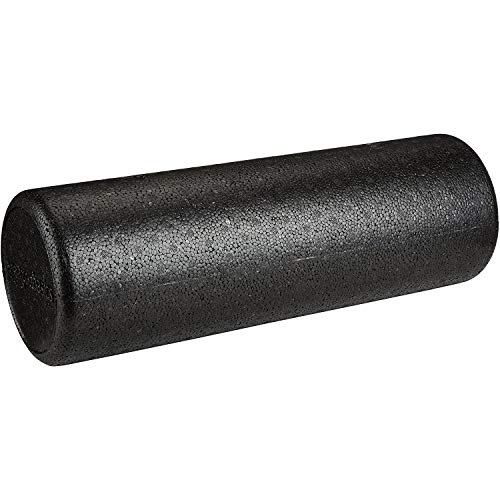
Amazon Basics High-Density Foam Roller for Exercise and Recovery, 18 Inches, Black
High-density foam roller in Black
As an affiliate, we earn on qualifying purchases.
As an affiliate, we earn on qualifying purchases.