
TL;DR
A Fit&Well writer describes replacing longer gym sessions with three 30-minute workouts each week and combining four upper-body exercises into one home routine. The sequence uses one dumbbell for three movements and a knee-based push-up, with three rounds suggested; the report is a personal account, not evidence that the routine produces results for everyone.
Fit&Well has published a writer’s account of a four-exercise arm and upper-body workout done at home with one dumbbell, offering a time-saving alternative to the longer gym sessions the writer used to do. The routine combines pressing, rowing, curling and a knee-based push-up, but the claimed results are personal experience rather than independently reported evidence.

Get workout gear delivered free with Prime
- Fast, free delivery on millions of items
- Prime Video, Amazon Music and more included
- Member-only deals all year
The writer says their schedule changed from training for CrossFit competitions with sessions of up to two hours, five times a week to three workouts of about 30 minutes each week. They use the arm routine as part of one of those sessions rather than splitting push and pull exercises across separate workouts.
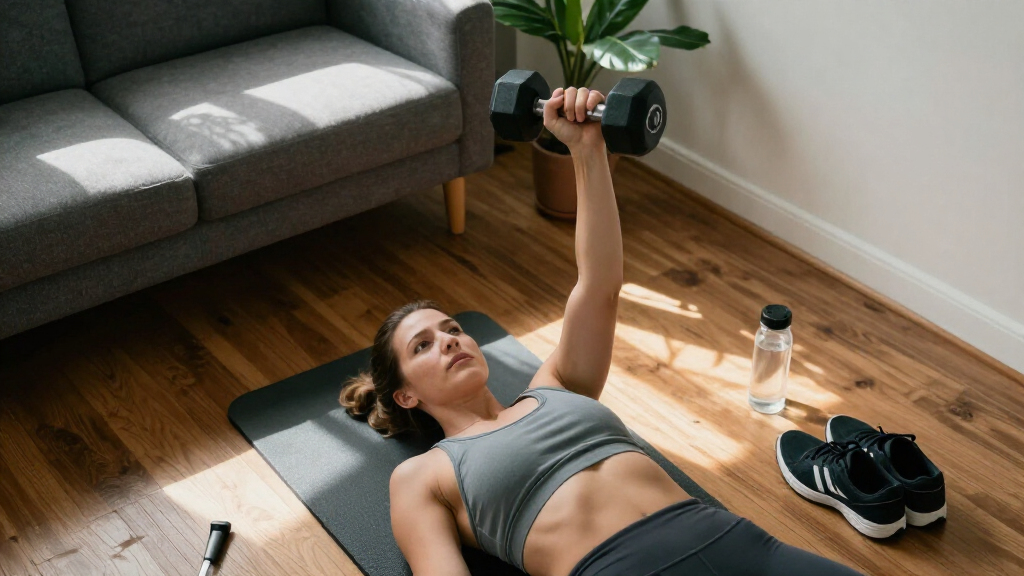
The sequence pairs opposing movements: a half-kneeling single-arm press, a single-arm bent-over row, a single-arm hammer curl and a triceps push-up performed from the knees. The first three movements use a dumbbell; the push-up uses body weight. The writer recommends six to eight repetitions on each side for the dumbbell exercises and as many controlled push-ups as possible.
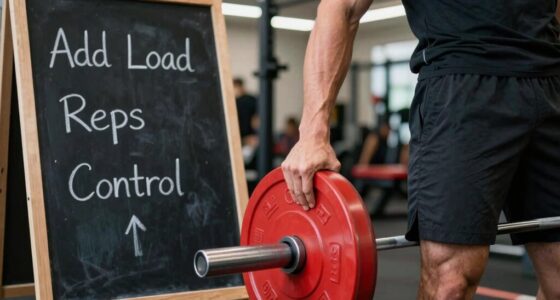
After completing the four exercises, the suggested format is to rest for two minutes and repeat until finishing three rounds. The report advises selecting a load that makes the final repetitions challenging. It says to increase the weight slightly once eight repetitions are easy, or reduce it if completing eight is difficult. These are the writer’s programming suggestions, not a tested guarantee of strength or muscle gains.
A Shorter Home-Based Training Option
The account speaks to readers whose available training time has changed: rather than requiring a separate arm day or a gym visit, the writer fits several upper-body movements into one session at home. Combining push and pull exercises is presented as a practical way to organize limited workout time, while a single adjustable dumbbell can cover most of the routine.
The exercise choices also show that an “arms” workout can involve more than the biceps and triceps. The writer notes that the press and row recruit the shoulders, upper back and lats, reflecting how these muscles work together during pushing and pulling. That rationale is the author’s training explanation; the article does not compare the routine with other programs or provide measured outcomes.
For readers considering the workout, the main takeaway is its structure, not a promise of results: four movements, brief rest between rounds and a load matched to current ability. Fitness level, technique, available equipment and consistency will affect whether the plan is suitable for an individual.
Products Worth Considering

OMRON Complete 2-in-1 Upper Arm Blood Pressure Monitor with EKG

BowFlex Results Series SelectTech Adjustable Dumbbells

Withings Body Scan Smart Scale
As an affiliate, we earn on qualifying purchases.
How the Four Exercises Fit Together
The writer says they once divided arm training into separate push and pull workouts, but now combines both patterns in one of three weekly sessions. The first exercise is a press and the second a row; the hammer curl then targets elbow flexion, followed by a push-up that emphasizes the triceps while also requiring shoulder and trunk control.
For the press, the report uses a half-kneeling position: one knee rests on the floor while the opposite foot is planted in front. The dumbbell is held on the kneeling-side hand and pressed overhead. The writer says this setup limits help from the legs and can encourage core engagement. They also describe it as a useful adaptation while recovering from a lower-back disc injury. That is their personal account, not a recommendation for people with back injuries.
For the row, the user hinges forward with one hand supported on a sturdy surface and pulls the dumbbell toward the ribs. The hammer curl is performed with the palm facing inward and the upper arm kept near the torso. The final movement is described as a triceps push-up from the knees, with hands narrower than shoulder width. The article names cast-iron spinlock dumbbells as the writer’s equipment and mentions comparable products, but the routine does not depend on a particular brand.
““The long gym sessions I used to do when training for CrossFit competition—at times, up to two hours, five times a week—are a thing of the past.””
— Fit&Well writer
What the Personal Account Cannot Establish
The supplied report does not provide a publication date, independent review, trial data or measurements showing how much strength or muscle the routine produced. The phrase “still get results” comes from the article’s framing; the material provided does not define those results or establish that other people will experience them.
It is also unclear how long each round takes, whether the writer performs the workout every week, or what other exercises make up the remaining sessions. The report gives no assessment of readers’ training experience, injuries or equipment limits. In particular, its discussion of a half-kneeling press during the writer’s recovery from a disc injury should not be read as medical guidance. Anyone with a back condition, pain or other health concern should seek advice from a qualified professional before beginning or changing exercise.
How Readers Can Apply the Routine
The source describes a workout format rather than a scheduled launch or forthcoming study, so no further milestone is reported. Readers who want to try the exercises can begin with a manageable weight and focus on controlled movement, especially during overhead pressing and bent-over rows. The writer’s guide is six to eight repetitions per side for the dumbbell moves, followed by push-ups within a comfortable range, with rest between rounds.
New or returning exercisers should adjust the load, range of motion and number of rounds to their ability; the suggested three rounds are not a requirement for everyone. Stop if a movement causes pain, and seek qualified instruction if form or injury concerns arise. The report does not include follow-up evidence about whether the writer’s schedule or routine changes over time.
Key Questions
What exercises are in the workout?
The routine includes a half-kneeling single-arm press, single-arm bent-over row, single-arm hammer curl and a triceps push-up from the knees.
How many rounds does the report suggest?
The writer recommends completing the four exercises, resting for two minutes, and repeating for three rounds. The report presents this as a personal workout format, not a rule for every fitness level.
How many repetitions should I do?
The suggested range is six to eight repetitions on each side for the dumbbell exercises, then as many push-ups as can be completed with sound form. The writer advises adjusting the dumbbell weight if eight repetitions are either too easy or too difficult.
Does the article prove the routine gets results?
No. It is a personal account and provides no controlled testing or measured outcomes. The report does not establish that the routine will produce the same results for other people.
Is the routine appropriate for someone with a back injury?
The writer says they used the half-kneeling press while recovering from a disc injury, but that is not medical advice. People with a back injury or pain should consult a qualified health professional before trying the routine.
Source: fitandwell.com