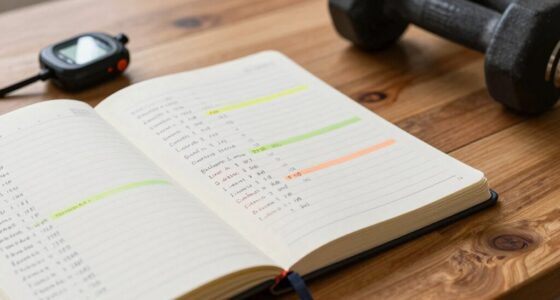
Focusing only on raw heart rate numbers can cause unnecessary stress and anxiety. When you fixate on hitting specific zones or worry about normal fluctuations, you may push too hard or hold back unnecessarily. Heart rate varies due to many factors like stress, hydration, and temperature, which are all normal. Recognizing these fluctuations as part of your body’s natural response can help you stay calmer and healthier. If you want to understand how to interpret your data better, keep exploring these insights.

Get workout gear delivered free with Prime
- Fast, free delivery on millions of items
- Prime Video, Amazon Music and more included
- Member-only deals all year
Key Takeaways
- Focusing solely on raw heart rate numbers can lead to unnecessary anxiety and stress.
- Misinterpreting normal fluctuations as health issues causes unwarranted concern.
- Fixating on specific heart rate zones may push individuals too hard or cause hesitation.
- Ignoring context, like stress or hydration, results in misjudging heart rate data.
- Viewing heart rate as an absolute measure rather than a flexible guide increases stress levels.
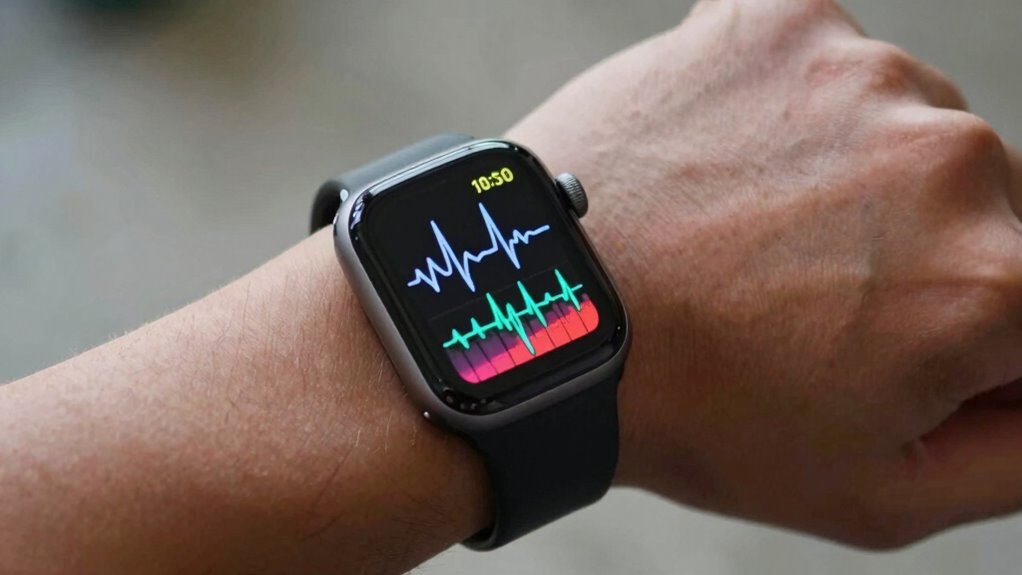
Many people rely on heart rate data to track their fitness and health, but they often overlook a common mistake that can lead to misleading results. This mistake isn’t about the accuracy of the devices themselves but about how you interpret the data. You might be surprised to learn that focusing solely on raw numbers can cause unnecessary stress and even hinder your overall heart health. When you use fitness tracking tools, it’s easy to get caught up in hitting specific heart rate zones or maintaining certain numbers. However, this narrow focus can lead to anxiety if your heart rate isn’t exactly where you think it should be, especially during workouts or rest periods. Instead of helping you, it can create a cycle of frustration and worry, which isn’t beneficial for your overall well-being.
Focusing only on heart rate numbers can cause stress and hinder your overall health.
The key to effective fitness tracking is understanding that your heart rate fluctuates naturally throughout the day, influenced by factors like stress, hydration, sleep, and even ambient temperature. When you fixate on an ideal target heart rate, you risk misinterpreting these normal variations as signs of overtraining, fatigue, or health issues. This can cause you to push harder unnecessarily or, conversely, to hold back out of fear. Both reactions are counterproductive and can lead to increased stress about your fitness progress. Remember, your heart health isn’t just about hitting specific numbers; it’s about maintaining consistent, healthy patterns over time. Additionally, understanding the natural variability of heart rate can help you develop a more balanced perspective on your health data. Recognizing these fluctuations as part of normal physiological responses can help reduce unnecessary worry and promote a healthier mindset. Moreover, being aware of the body’s natural responses can assist you in setting realistic expectations and avoiding disappointment when your data doesn’t align with idealized standards. This awareness is rooted in the understanding that heart rate is influenced by many external and internal factors, making it a dynamic rather than static measure of health.
Furthermore, integrating knowledge about your overall health context can help you interpret your heart rate data more accurately and prevent misjudgments about your fitness level. Moreover, many people overlook the importance of contextualizing heart rate data within their overall health picture. If your heart rate is elevated during a workout, that’s usually a good sign of effort. But if it remains high at rest or during everyday activities, it might indicate stress or health concerns that need addressing. Relying solely on data points without considering how you feel physically or emotionally can cause unnecessary worry. Instead, focus on how your body responds to exercise and daily activities. Use heart rate data as a guide, not a strict rule. This way, you foster a healthier relationship with fitness tracking, reducing stress and supporting better heart health.
In the end, the mistake many make is equating heart rate data directly with their health status or progress. It’s a helpful tool, but it shouldn’t define your self-worth or fitness journey. Keep in mind that fluctuations are normal, and listening to your body is just as important as monitoring numbers. By shifting your perspective and understanding these nuances, you can avoid unnecessary stress and make more informed, confident decisions about your fitness and heart health.
heart rate monitor with stress tracking
As an affiliate, we earn on qualifying purchases.
As an affiliate, we earn on qualifying purchases.
Frequently Asked Questions
How Accurate Are Consumer Heart Rate Monitors?
Consumer heart rate monitors can be quite accurate, but their data accuracy depends on proper device calibration and placement. If you calibrate your device correctly and make certain it fits snugly, you’ll get more reliable readings. Keep in mind that factors like movement or skin tone may affect accuracy. Regularly updating the device software and following manufacturer instructions help maintain precision, giving you confidence in your heart rate data.
Can Stress Affect Heart Rate Readings?
Imagine your heart as a compass, steady and true. Stress acts like a gust of wind, causing the needle to sway. Stress-induced inaccuracies happen when emotional influence on readings skews your data, making your heart rate seem higher or lower than it truly is. When you’re anxious or stressed, your readings may not reflect your actual physical state, leading to confusion and unnecessary worry. Stay calm for more accurate results.
What Is a Normal Resting Heart Rate?
A normal resting heart rate for you typically ranges from 60 to 100 beats per minute. Knowing your resting heart rate helps you track your fitness progress and understand your health. Exercise benefits your heart by improving its efficiency, often lowering your resting rate over time. To get the most out of your workouts, aim to stay within your heart rate zones, which vary based on your fitness goals.
How Does Hydration Impact Heart Rate Data?
Think of your body as a finely tuned instrument—hydration keeps it in harmony. When you’re dehydrated, electrolyte imbalance and dehydration effects can cause your heart rate to spike or dip unexpectedly. Proper hydration maintains electrolyte balance, stabilizing your heart rate data. Skimp on water, and dehydration effects kick in, leading to inaccurate readings that might cause unnecessary stress. Staying well-hydrated helps your heart work efficiently and keeps your data reliable.
Should I Consult a Doctor for Irregular Heart Rate Readings?
Yes, you should consult a doctor if you notice irregular heart rate readings. A medical consultation allows for proper symptom evaluation, helping identify any underlying issues. Don’t ignore inconsistent or abnormal heart rates, especially if accompanied by symptoms like dizziness, chest pain, or shortness of breath. Prompt medical advice guarantees you get the appropriate care and peace of mind, reducing unnecessary stress and potential health risks.
fitness tracker for heart rate variability
As an affiliate, we earn on qualifying purchases.
As an affiliate, we earn on qualifying purchases.
Conclusion
So, next time your heart rate spikes unexpectedly, ask yourself: are you truly in danger or just misreading the data? Remember, relying solely on numbers can cause unnecessary stress. Take a deep breath, consider other signs of well-being, and don’t let a mistake in your heart rate data control your feelings. Isn’t your peace of mind worth more than a false reading? Focus on overall health rather than just the numbers.
wearable heart rate monitor for accurate data
As an affiliate, we earn on qualifying purchases.
As an affiliate, we earn on qualifying purchases.
smartwatch with hydration and stress monitoring
As an affiliate, we earn on qualifying purchases.
As an affiliate, we earn on qualifying purchases.
Halloween Picks
halloween
As an affiliate, we earn on qualifying purchases.