To build endurance without pain, use a run-walk formula that alternates manageable running and walking intervals, gradually increasing your running time. Focus on proper breathing—deep, controlled inhales and exhales—to stay relaxed and conserve energy. Wear supportive footwear to reduce discomfort and injury risk. Be patient and consistent, slowly extending your running segments over time. Keep listening to your body, and you’ll develop lasting endurance while avoiding injury. If you keep practicing, you’ll find even greater progress ahead.
Key Takeaways
- Use a run-walk interval pattern, such as 2 minutes running followed by 1 minute walking, to prevent injury and build stamina gradually.
- Incorporate deep, diaphragmatic breathing techniques to improve oxygen intake and reduce fatigue during each interval.
- Choose supportive footwear to enhance comfort and reduce strain, facilitating consistent and pain-free training sessions.
- Gradually increase running intervals over time while maintaining short walk breaks to adapt your body safely.
- Focus on patience and listening to your body to avoid overtraining and promote sustainable endurance development.

Running can be an exhilarating way to stay fit, but pain often holds runners back from reaching their full endurance. If you’ve experienced discomfort or fatigue during your runs, adopting a structured approach like the run-walk method can make a significant difference. This strategy allows your body to adapt gradually, building endurance without overwhelming your muscles or joints. To maximize its benefits, combine interval training with effective breathing techniques, creating a sustainable and pain-free running experience.
Interval training is at the core of the run-walk approach. Instead of pushing through long, continuous runs that leave you exhausted or sore, you alternate between running and walking intervals. For example, you might run for 2 minutes and then walk for 1 minute, repeating this cycle multiple times. Over time, you can extend the running intervals while keeping the walking periods short enough to recover. This method not only reduces the risk of injury but also helps your cardiovascular system adapt gradually, making each session more manageable. The key is consistency—sticking to a schedule that allows your body to build strength without overdoing it.
Alternate running and walking intervals to reduce injury risk and build endurance gradually.
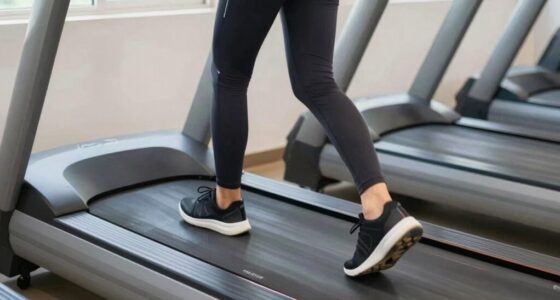
Breathing techniques complement interval training by ensuring that your lungs get enough oxygen and that your effort stays steady. Proper breathing helps prevent side stitches and fatigue, making each run more comfortable. Focus on deep, diaphragmatic breaths—inhale through your nose, allowing your belly to expand, then exhale fully. During your run-walk sessions, coordinate your breathing with your pace: for example, breathe in for three seconds during a run, then breathe out for three seconds as you walk. This rhythmic breathing maintains a steady oxygen supply, reducing the feeling of breathlessness and helping you conserve energy. When combined with interval training, good breathing habits guarantee that each interval feels less taxing and more controlled. Additionally, incorporating proper footwear can further reduce discomfort and support your body’s adaptation process.
Starting with the run-walk method and integrating interval training and breathing techniques creates a positive feedback loop. Your body learns to handle increased activity without pain, and your confidence grows with each session. As you progress, you can gradually extend your running intervals, decrease the walk breaks, and refine your breathing to sustain longer periods of effort. The goal is to listen to your body, avoid pushing too hard too soon, and let your endurance develop naturally. Remember, patience and consistency are essential. Each step, whether running or walking, brings you closer to a pain-free, stronger running routine that can support your goals without risking injury or burnout.

Brooks Women’s Adrenaline GTS 25 Supportive Running & Walking Shoe – Black/Black/Ebony – 9 Medium
THIS WOMEN’S SHOE IS FOR: The Adrenaline GTS 25 is perfect for runners and walkers seeking reliable support…
As an affiliate, we earn on qualifying purchases.
As an affiliate, we earn on qualifying purchases.
Frequently Asked Questions
How Often Should I Incorporate Run-Walk Intervals Into My Training?
You should incorporate run-walk intervals 3 to 4 times a week, gradually increasing frequency as your endurance improves. Focus on progression strategies by slowly extending running intervals and shortening walk breaks over time. Listen to your body, and don’t push too hard initially. Consistent interval training helps build endurance without risking injury, ensuring you stay motivated and avoid burnout while making steady progress.
Can I Use the Run-Walk Method for Long-Distance Races?
Yes, you can use the run-walk method for long-distance races. It promotes gait adaptation, helping you develop a more efficient stride over time. This approach also aids in injury prevention, as alternating walking and running reduces strain on your muscles and joints. By practicing this method during training, you’ll build endurance, manage fatigue better, and stay healthier during your race, making it a smart strategy for long-distance events.
What’s the Best Way to Determine My Walk and Run Intervals?
To determine your walk and run intervals, start with a manageable pace and monitor your effort. Use interval adjustment by gradually increasing run time as your endurance improves, while keeping walk breaks comfortable. Pace monitoring helps ensure you’re not overexerting, so listen to your body. Modify intervals based on how you feel, aiming for a balance that challenges you without causing pain or fatigue.
Are There Specific Shoes Recommended for the Run-Walk Method?
You should choose running shoes that offer good cushioning, support, and flexibility, especially for the run-walk method. Look for footwear choices designed for mixed activity, which can handle both walking and running comfortably. Opt for lightweight, breathable options with a cushioned sole to reduce impact and prevent discomfort during *shifts*. Trying on different models and consulting with a specialist can help you find the best running shoes for your run-walk routine.
How Quickly Will I See Improvements in My Endurance?
Like a seed breaking through soil, your endurance blossoms in steady stages. You’ll notice progress within a few weeks, especially when you track your improvements carefully and listen to your body. Consistency fuels injury prevention, ensuring your journey isn’t derailed by setbacks. With patience and dedication, your stamina will grow stronger each day, transforming your runs into a graceful dance of strength and resilience.
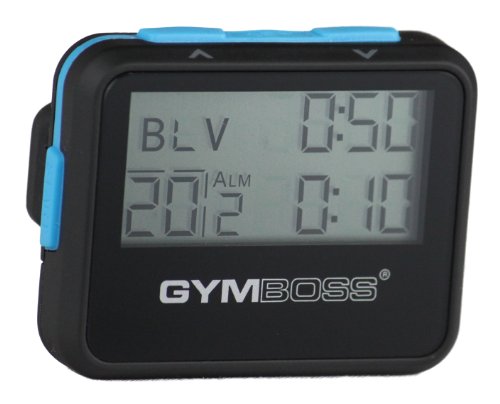
Gymboss Interval Timer and Stopwatch – Black/Blue SOFTCOAT
Compact interval timer times one or two intervals between two seconds and 99 minutes.
As an affiliate, we earn on qualifying purchases.
As an affiliate, we earn on qualifying purchases.
Conclusion
Now that you’ve discovered the run-walk method, you’re planting seeds for a stronger, pain-free running journey. Think of it as building a sturdy bridge, brick by brick, that safely carries you across the distance. With patience and consistency, you’ll watch your endurance grow like a mighty oak, standing tall through every stride. Keep moving forward, and soon, running will feel less like a challenge and more like an enjoyable dance with each step.

The Power of Breath: A Comprehensive Guide to Mastering 21 Breathing Techniques for Health, Focus, and Well-Being
As an affiliate, we earn on qualifying purchases.
As an affiliate, we earn on qualifying purchases.

NORTIV 8 Women's Walking Shoes Cushion Comfortable ActiveBreeze Running Tennis Shoes Non-Slip Workout Gym Sports Athletic Breathable Fashion Sneakers,Size 7.5,Beige/Khaki,SNWS248W
Exceptional Cushioning: These women’s walking shoes are well-cushioned. The thick EVA midsole provides a cloud-like feel, absorbing shock…
As an affiliate, we earn on qualifying purchases.
As an affiliate, we earn on qualifying purchases.