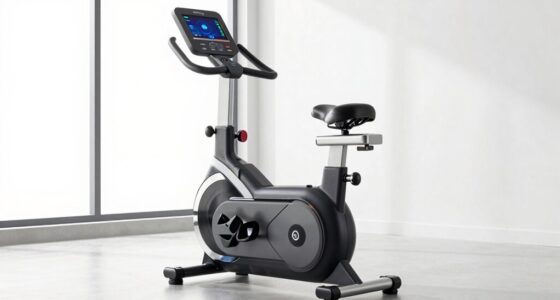
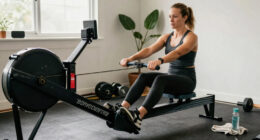
For Black Friday exercise bikes for home, my best overall pick is the YOSUDA Pro Magnetic Exercise Bike, which stands out for riders who want a magnetic-resistance setup rather than a space-saving folding frame. The BARWING Foldable 5-in-1 is a stronger fit when compact storage and varied seated positions matter, while the WFLGFT Recumbent Bike with Arm Exerciser suits shoppers seeking a supported riding posture and upper-body movement. The key tradeoff is between a more dedicated cycling setup and a foldable or recumbent design that serves broader home needs. App connectivity, resistance style, adjustability, and the space a bike occupies can matter more than a long feature list. Read on for the full breakdown and a guide to matching a bike to your routine and room.

Get workout gear delivered free with Prime
- Fast, free delivery on millions of items
- Prime Video, Amazon Music and more included
- Member-only deals all year
Complete the kit


Key Takeaways
- Dedicated magnetic bikes lead for cycling-focused use: The YOSUDA Pro Magnetic and MERACH S26 stand apart from folding options designed around storage and multi-position exercise.
- Folding models trade riding specificity for flexibility: The BARWING, pooboo, PLENY, and JELENS models emphasize compact storage or multiple exercise positions, which can suit shared rooms better than a full-size bike.
- Connectivity is not the same as coaching: Several picks offer app connectivity or compatibility, but shoppers should confirm which functions work with their preferred device and app before treating connectivity as a training system.
- Recumbent and upright designs serve different comfort needs: The WFLGFT recumbent model offers a different riding posture from the upright and indoor cycling bikes, so posture preference should guide the choice.
- Adjustability matters as much as resistance: Seat and handlebar fit can shape whether a bike is usable for regular sessions; models with explicit adjustment features merit attention from households with multiple riders.
| SLUNSE FITNESS EB1 Indoor Exercise Bike with Adjustable Magnetic Resistance |  | Best Overall for Smooth, Adjustable Training | Resistance: 100-level micro-adjustable magnetic | Flywheel: 35 lb | Drive: Belt drive | VIEW LATEST PRICE | See Our Full Breakdown |
| CURSOR Fitness Indoor Exercise Bike with Adjustable Seat and Handlebars |  | Best for a Broad Rider Height Range | Resistance mechanism: Friction | Resistance levels: 100 | Drive: Belt | VIEW LATEST PRICE | See Our Full Breakdown |
| SEKAM Indoor Stationary Exercise Bike with Belt Drive |  | Best Compact Pick | Drive: Belt | Resistance: Friction; 6 levels | Maximum weight: 300 lb in specifications; description states 330 lb | VIEW LATEST PRICE | See Our Full Breakdown |
| WFLGFT Recumbent Exercise Bike with Arm Exerciser |  | Best for Seated, Full-Body Workouts | Resistance: 16-level magnetic | Weight capacity: 450 lb | Frame: Reinforced 1.5T steel tubing | VIEW LATEST PRICE | See Our Full Breakdown |
| RELIFE Indoor Exercise Bike with Belt Drive |  | Best for Shorter Riders | Drive: Belt-driven flywheel | Resistance: Adjustable from 0% to 100% | Operating noise: Below 25 dB | VIEW LATEST PRICE | See Our Full Breakdown |
| YOSUDA Indoor Exercise Bike with App Connectivity |  | Best for App-Connected Friction Training | Resistance: Friction, 100 levels | Drive system: Belt | Flywheel: 25 lbs | VIEW LATEST PRICE | See Our Full Breakdown |
| YOSUDA Pro Magnetic Exercise Bike |  | Best for Quiet, Low-Maintenance Riding | Resistance: Magnetic, 0–100 levels | Drive system: Maintenance-free belt drive | Maximum user weight: 300 lbs | VIEW LATEST PRICE | See Our Full Breakdown |
| HOELLL Compact Indoor Exercise Bike with App Connectivity |  | Best Compact Pick for Adjustable Friction Workouts | Resistance: Continuously variable friction, 100 levels | Drive system: Chain | Maximum user weight: 265 lbs | VIEW LATEST PRICE | See Our Full Breakdown |
| MERACH S26 Magnetic Resistance Indoor Exercise Bike |  | Best for Connected Fitness App Users | Resistance: Magnetic, adjustable from 0–100% | Maximum user weight: 300 lbs | User height range: 4’8″–6’2″ | VIEW LATEST PRICE | See Our Full Breakdown |
| BARWING Foldable 5-in-1 Stationary Exercise Bike with Magnetic Resistance |  | Best for Small Homes and Flexible Riding Positions | Resistance: 16-level magnetic | Flywheel: 6.6 lb | Maximum user capacity: 350 lb | VIEW LATEST PRICE | See Our Full Breakdown |
| ApexionGear Indoor Exercise Bike with Adjustable Resistance |  | Best Compact Quiet-Ride Pick | Drive system: Belt drive | Resistance: Infinitely adjustable | Maximum user weight: 300 lbs | VIEW LATEST PRICE | See Our Full Breakdown |
| pooboo Folding Magnetic X-Bike Upright Exercise Bike |  | Best for Simple Fold-Away Storage | Resistance: 8-level magnetic | Flywheel weight: 6.6 lbs | Maximum user weight: 300 lbs | VIEW LATEST PRICE | See Our Full Breakdown |
| PLENY 5-in-1 Folding Exercise Bike with Magnetic Resistance |  | Best for Quiet, Varied Home Workouts | Resistance: 16 magnetic levels | Flywheel weight: 6.6 lbs | Noise level: Under 15 dB | VIEW LATEST PRICE | See Our Full Breakdown |
| CHAOKE Magnetic Exercise Bike with App Compatibility |  | Best for Connected Indoor Cycling | Resistance: Micro-adjustable magnetic | Flywheel: 35 lbs | Maximum user weight: 350 lbs | VIEW LATEST PRICE | See Our Full Breakdown |
| JELENS 5-in-1 Folding Exercise Bike with 16-Level Magnetic Resistance |  | Best Folding Pick for Higher Capacity | Resistance: 16-level magnetic | Flywheel weight: 5.5 lbs | Weight capacity: 330 lbs | VIEW LATEST PRICE | See Our Full Breakdown |
| black friday exercise bikes for home | Resistance | Maximum user weight |
|---|---|---|
| SLUNSE FITNESS EB1 Indoor Exer | 100-level micro-adjustable magnetic | 350 lb |
| CURSOR Fitness Indoor Exercise | — | 300 lb |
| SEKAM Indoor Stationary Exerci | Friction; 6 levels | — |
| WFLGFT Recumbent Exercise Bike | 16-level magnetic | — |
| RELIFE Indoor Exercise Bike wi | Adjustable from 0% to 100% | — |
| YOSUDA Indoor Exercise Bike wi | Friction, 100 levels | 300 lbs |
| YOSUDA Pro Magnetic Exercise B | Magnetic, 0–100 levels | 300 lbs |
| HOELLL Compact Indoor Exercise | Continuously variable friction, 100 levels | 265 lbs |
| MERACH S26 Magnetic Resistance | Magnetic, adjustable from 0–100% | 300 lbs |
| BARWING Foldable 5-in-1 Statio | 16-level magnetic | — |
| ApexionGear Indoor Exercise Bi | Infinitely adjustable | 300 lbs |
| pooboo Folding Magnetic X-Bike | 8-level magnetic | 300 lbs |
| PLENY 5-in-1 Folding Exercise | 16 magnetic levels | — |
| CHAOKE Magnetic Exercise Bike | Micro-adjustable magnetic | 350 lbs |
| JELENS 5-in-1 Folding Exercise | 16-level magnetic | — |
More Details on Our Top Picks
SLUNSE FITNESS EB1 Indoor Exercise Bike with Adjustable Magnetic Resistance
The SLUNSE FITNESS EB1 is my strongest all-around pick for home riders who want finely controlled workouts without stepping up to a recumbent design. Its 100-level magnetic resistance offers smaller intensity changes than the CURSOR Fitness bike’s friction system, while the 35 lb flywheel and belt drive are geared toward steady, quieter pedaling. A wide stated height range, plus four-way seat and two-way handlebar adjustment, gives more room to tune the fit than the RELIFE, which is listed for riders only up to 5’8″. Zwift and Kinomap compatibility and a metric-tracking LCD add useful structure, though the data does not specify a built-in training program. The tradeoff is a 20–25 minute assembly job and app support limited to the two named platforms.
Pros:- 100-level magnetic resistance allows fine adjustments between effort levels.
- 35 lb flywheel and belt drive are suited to steady, quieter indoor riding.
- Four-way seat and two-way handlebar adjustment accommodate riders from 4’8″ to 6’1″.
- LCD tracks time, speed, distance, calories, and odometer; transport wheels aid repositioning.
Cons:- Assembly is still required, with an estimated 20–25 minutes of setup.
- App compatibility is specified only for Zwift and Kinomap.
Best for: Home riders who want quiet, incremental resistance changes, app-compatible workouts, and a bike that can fit multiple household members.
Not ideal for: Buyers who want a recumbent seat, a folding frame, or confirmed compatibility with apps beyond Zwift and Kinomap.
- Resistance:100-level micro-adjustable magnetic
- Flywheel:35 lb
- Drive:Belt drive
- Maximum user weight:350 lb
- Recommended rider height:4’8″–6’1″
- Adjustments:4-way adjustable seat; 2-way adjustable handlebars
- Connectivity:Compatible with Zwift and Kinomap
- Monitor metrics:Time, speed, distance, calories, odometer
- Assembly:80% pre-assembled
Our verdict“Choose the EB1 if you want a well-adjustable upright bike with fine magnetic resistance, but skip it if you need broader app support or a recumbent position.”
CURSOR Fitness Indoor Exercise Bike with Adjustable Seat and Handlebars
The CURSOR Fitness CBE suits households that need an upright bike to fit riders of different heights, with a listed range from 4’8″ to 6’2″. That extra reach edges past the SLUNSE EB1’s stated 6’1″ limit, and the seat’s four-way adjustment plus five handlebar height settings give buyers concrete fit options. Its belt drive is specified below 25 dB, making it a sensible choice for shared rooms where workout noise matters. The tradeoff is friction resistance: unlike the EB1’s magnetic system, it relies on friction, and the product data does not describe the same micro-adjustable magnetic control. At 39.7 lb, it is relatively light to move, but that lower weight may not appeal to buyers seeking a heavier bike. Assembly is listed as tool-free and under 30 minutes.
Pros:- Listed rider height range extends from 4’8″ to 6’2″.
- Belt drive is specified below 25 dB for quieter home workouts.
- Four-way seat adjustment and five handlebar height settings offer fit flexibility.
- Tool-free assembly is designed to take under 30 minutes.
Cons:- Friction resistance may be less appealing to buyers who prefer the EB1’s magnetic system.
- Maximum user weight is 300 lb, below the EB1’s 350 lb capacity.
- The 39.7 lb bike may feel less substantial than a heavier stationary option.
Best for: Households with riders from shorter heights through 6’2″ who want a quiet, adjustable upright bike and straightforward setup.
Not ideal for: Riders seeking magnetic resistance, a high stated user-weight limit, or a heavier stationary frame.
- Resistance mechanism:Friction
- Resistance levels:100
- Drive:Belt
- Maximum user weight:300 lb
- Rider height range:4’8″–6’2″
- Seat adjustment:4-way; 7 vertical settings (32.2″–39.1″)
- Handlebar adjustment:5 vertical settings (36.2″–46.85″)
- Noise level:Below 25 dB
- Assembly:Tool-free; under 30 minutes
Our verdict“Pick the CURSOR if accommodating taller riders and keeping setup simple matter more than magnetic resistance or a higher capacity.”
SEKAM Indoor Stationary Exercise Bike with Belt Drive
The SEKAM SK-MEB is the most space-conscious upright option in this group on paper, with a compact listed frame and an 17 kg product weight. That makes it more appealing for a tight home workout corner than the heavier SLUNSE EB1, though the SEKAM’s dimensions require caution: its stated width of 6.7 inches may be incomplete or inaccurate. Its belt drive is described as quiet, and the adjustable seat and handlebar settings help it serve more than one rider, but its six resistance levels offer fewer stated steps than the EB1 or CURSOR. A further buying concern is the conflicting capacity information: the specifications list 300 lb, while the description says 330 lb. I would treat the lower figure as the safer guide until the seller clarifies it.
Pros:- Listed weight of 17 kg is lighter than the SLUNSE EB1, aiding repositioning.
- Belt drive is described as quiet, with noise below 25 dB.
- Five-way seat adjustment and five handlebar height settings support fit changes.
- LCD tracks time, speed, distance, calories, and odometer.
Cons:- Capacity conflicts between the 300 lb specification and 330 lb description.
- The listed 6.7-inch width may be incomplete or inaccurate, making space planning difficult.
- Six resistance levels provide fewer stated increments than the EB1’s 100-level system.
Best for: Buyers prioritizing a light, compact upright bike for moderate home cardio who can verify the listed dimensions and capacity before purchase.
Not ideal for: Riders who need many resistance increments, depend on precise size information, or require a clearly confirmed capacity above 300 lb.
- Drive:Belt
- Resistance:Friction; 6 levels
- Maximum weight:300 lb in specifications; description states 330 lb
- User height range:4’9″–6’1″
- Adjustments:5-way adjustable seat; 5 handlebar height settings
- Item weight:17 kg
- Listed dimensions:25″ D × 6.7″ W × 32″ H
- Monitor metrics:Time, speed, distance, calories, odometer
- Assembly:80% pre-assembled
Our verdict“Consider the SEKAM for a lighter, compact setup only if its dimensions and 300 lb listed capacity fit your needs.”
WFLGFT Recumbent Exercise Bike with Arm Exerciser
The WFLGFT W80601 is the clear outlier here: rather than copying the upright cycling position of the EB1 or CURSOR, it pairs a recumbent seat with synchronized arm and leg exercise. That setup may suit people looking for low-impact movement, rehabilitation-style training, or a more supported seated position. Its 16 magnetic resistance levels and hand-grip pulse sensors add useful workout feedback, while the 450 lb stated capacity is the highest listed among these five bikes. The tradeoff is a more specialized format: buyers wanting a forward-leaning cycling posture or a simple compact upright bike should look at the SLUNSE instead. This option also requires assembly, and Bluetooth app support depends on a compatible device and app, with no specific platforms named in the data.
Pros:- Combines arm and leg exercise for a broader seated workout than the upright EB1.
- 16 magnetic resistance levels provide adjustable low-impact effort.
- 450 lb stated weight capacity exceeds the other four bikes in this batch.
- Padded sliding seat, breathable backrest, and hand-grip pulse sensors support seated workouts.
Cons:- The recumbent arm-and-leg format is less suited to riders seeking a conventional upright cycling position.
- Assembly is required.
- Bluetooth app support is listed without naming compatible apps.
Best for: Home exercisers seeking supported, low-impact seated training with both arm and leg movement, including buyers who value a high stated weight capacity.
Not ideal for: Cyclists who want an upright indoor-riding posture, a simple spin-bike setup, or named and confirmed app compatibility.
- Resistance:16-level magnetic
- Weight capacity:450 lb
- Frame:Reinforced 1.5T steel tubing
- Workout features:Synchronized arm and leg exercise; pedals move forward or backward
- Connectivity:Bluetooth app support
- Display metrics:Time, distance, speed, calories, pulse
- Seat:Sliding adjustable seat with padded cushion and breathable backrest
- Heart-rate monitoring:Hand-grip sensors
- Drive:Magnetic flywheel and reinforced belt drive
Our verdict“Choose the WFLGFT if supported seating and coordinated arm-and-leg exercise matter more than a traditional upright ride.”
RELIFE Indoor Exercise Bike with Belt Drive
The RELIFE EB801 makes the most sense for shorter riders who want a compact upright bike with a broad range of seat and handlebar adjustments. Its stated fit range ends at 5’8″, which is narrower than the CURSOR’s reach to 6’2″ and the EB1’s to 6’1″; taller buyers should favor either of those models. For a rider within range, the spring-equipped seat, cage pedals, tablet mount, and transport wheels make it a practical option for regular indoor cardio. The belt drive is specified below 25 dB, while resistance adjusts from 0% to 100%. Unlike the EB1, the product data does not name magnetic resistance or app compatibility, and its 280 lb capacity is the lowest among these five. It arrives 80% preassembled, but some setup remains.
Pros:- Six-way seat adjustment and six-level handlebar adjustment allow varied fit tuning within its stated height range.
- Belt drive is specified below 25 dB for quieter home use.
- Spring-equipped seat is designed to absorb cycling vibrations.
- Transport wheels, cage pedals, and tablet mount support convenient home workouts.
Cons:- Stated rider height range ends at 5’8″, well below the EB1 and CURSOR limits.
- 280 lb weight capacity is lower than the other bikes in this batch.
- Some assembly is required despite arriving 80% preassembled.
Best for: Shorter riders, especially those up to 5’8″, who want a quiet upright bike with a spring seat, tablet mount, and easy repositioning.
Not ideal for: Taller riders, users above the 280 lb stated capacity, or buyers who want named app compatibility or a confirmed magnetic resistance system.
- Drive:Belt-driven flywheel
- Resistance:Adjustable from 0% to 100%
- Operating noise:Below 25 dB
- Weight capacity:280 lb
- Rider height range:4’8″–5’8″
- Adjustments:6-way seat; 6-level handlebar height adjustment
- Display:LED
- Included features:Adjustable tablet mount, transport wheels, cage pedals
- Assembly:80% preassembled
Our verdict“The RELIFE is a practical fit for shorter riders who value a quiet, adjustable bike, but taller users should choose the EB1 or CURSOR.”
YOSUDA Indoor Exercise Bike with App Connectivity
For a home rider who wants app-linked workout tracking without giving up a substantial flywheel, the YOSUDA Indoor Exercise Bike is a balanced pick. Its 25 lb flywheel and belt drive are designed for a smoother, quieter pedal feel than a chain-driven option like the HOELLL EB-001. Bluetooth connectivity, an LCD display, and a tablet holder add ways to follow and record workouts, while adjustable seat and handlebars help fit different riders.
The tradeoff is its friction resistance: adjustments involve direct contact, unlike the magnetic systems on the YOSUDA Pro and MERACH S26, which are better fits for riders prioritizing low-noise resistance changes. The 300 lb capacity is also lower than the BARWING’s stated limit. I’d choose this model for app-aware home cycling, but not for someone seeking magnetic resistance or a fold-away frame.
Pros:- Belt drive and 25 lb flywheel are designed for a smooth, quiet ride.
- Bluetooth app connectivity, LCD display, and tablet holder support tracked and guided workouts.
- Adjustable seat and handlebars accommodate a range of riding positions.
- Cage pedals and an emergency flywheel stop support controlled pedaling.
Cons:- Friction resistance requires direct adjustment and may need more upkeep than magnetic systems.
- Assembly is required.
- The 300 lb capacity is lower than the BARWING’s stated 350 lb limit.
Best for: Home riders who want Bluetooth-linked workout tracking, a 25 lb flywheel, and adjustable fit in a conventional stationary-bike frame.
Not ideal for: Riders who want non-contact magnetic resistance, a folding bike, or a capacity above 300 lbs.
- Resistance:Friction, 100 levels
- Drive system:Belt
- Flywheel:25 lbs
- Maximum user weight:300 lbs
- User height range:4 ft 8 in to 6 ft
- Connectivity and display:Bluetooth app connectivity and LCD display
- Frame:Steel
- Item weight:27 kg
Our verdict“Choose this YOSUDA if app connectivity and a heavier flywheel matter more than magnetic resistance or compact storage.”
YOSUDA Pro Magnetic Exercise Bike
If noise and resistance upkeep are high on my home-bike checklist, the YOSUDA Pro has a clear advantage over the friction-based YOSUDA Indoor Exercise Bike. Its belt drive and magnetic resistance are specified for operation at 20 dB or less, so it suits shared living spaces where repeated workout noise can be disruptive. The 6-way seat adjustment and 2-way handlebar adjustment offer more fit flexibility than the MERACH S26’s 4-way seat adjustment, while the tablet and bottle holders keep workout essentials close.
It arrives 80% pre-assembled, but setup is still required, and its capacity tops out at 300 lbs. The MERACH S26 adds named app compatibility and health-data syncing, making it a stronger choice for riders focused on connected platforms. I’d favor the Pro for quieter, simpler indoor cycling rather than app ecosystem depth.
Pros:- Magnetic resistance and belt drive are designed for quiet, smooth operation.
- Noise level is specified at 20 dB or less.
- Six-way seat adjustment and two-way handlebar adjustment allow a customizable fit.
- Arrives 80% pre-assembled and includes transport wheels, a tablet holder, and a bottle holder.
Cons:- Maximum user weight is 300 lbs.
- Assembly remains necessary despite the pre-assembled portion.
- App support is listed, but specific compatible platforms and data syncing are not specified.
Best for: Apartment or shared-home riders who want magnetic resistance, a belt drive, and more seat-position adjustment.
Not ideal for: Riders above 300 lbs or buyers who want detailed named app and health-data integrations.
- Resistance:Magnetic, 0–100 levels
- Drive system:Maintenance-free belt drive
- Maximum user weight:300 lbs
- Seat adjustment:6-way
- Handlebar adjustment:2-way, up and down
- Noise level:≤20 dB
- Display tracking:Time, speed, distance, calories, and heart rate
- Assembly:80% pre-assembled
Our verdict“Pick the YOSUDA Pro for a quiet, adjustable magnetic bike, and choose the MERACH S26 instead if named app integrations matter more.”
HOELLL Compact Indoor Exercise Bike with App Connectivity
The HOELLL EB-001 is the space-conscious option among these conventional indoor bikes: its compact frame and transport wheels make it easier to shift around a home than the larger-feeling YOSUDA models. It also pairs app connectivity and workout-data syncing with a monitor that tracks time, speed, distance, heart rate, and calories. Four-way seat adjustment and two-way handlebar adjustment give riders some control over fit, while continuously variable resistance allows fine changes rather than forcing a choice from a short list of preset levels.
That flexibility comes with a chain drive and friction resistance, unlike the belt-and-magnetic YOSUDA Pro, which is the better match for riders seeking lower-noise, lower-maintenance operation. HOELLL lists a 265 lb capacity and a height range of 4.8 to 6 feet, so its fit is less accommodating than the MERACH S26’s stated range. I’d pick it for compact placement, not for riders outside its listed fit limits.
Pros:- Compact design and transport wheels support easier placement in a smaller home.
- Continuously variable friction resistance allows gradual intensity adjustments.
- App connectivity and workout-data syncing pair with a monitor that tracks several ride metrics.
- Four-way seat and two-way handlebar adjustments help tailor riding position.
Cons:- Chain drive and friction resistance may involve more noise or upkeep than a belt-and-magnetic setup.
- Maximum user weight is 265 lbs, below the 300 lb limits listed for the YOSUDA and MERACH bikes.
- The stated height range may exclude riders shorter than 4.8 feet or taller than 6 feet.
Best for: Riders with limited floor space who want adjustable friction resistance, app syncing, and transport wheels.
Not ideal for: Riders above 265 lbs, outside the listed 4.8-to-6-foot height range, or seeking a belt drive and magnetic resistance.
- Resistance:Continuously variable friction, 100 levels
- Drive system:Chain
- Maximum user weight:265 lbs
- User height range:4.8 ft to 6 ft
- Seat adjustment:4-way
- Handlebar adjustment:2-way
- Monitor tracking:Time, speed, distance, heart rate, and calories
- Weight:42 lbs
Our verdict“Choose the HOELLL when a compact footprint and adjustable app-linked friction workouts take priority over a quieter magnetic system.”
MERACH S26 Magnetic Resistance Indoor Exercise Bike
Among these five bikes, the MERACH S26 makes the clearest case for riders who want their home workouts to connect with existing fitness services. It supports MERACH, Kinomap, and Zwift, with workout-data syncing to Google Fit and Apple Health—more specifically defined integrations than the YOSUDA Pro’s general Bluetooth app support. Magnetic resistance and an under-25 dB noise specification suit shared spaces, while the 4’8″–6’2″ height range spans a broader stated fit than the HOELLL EB-001.
The extras are practical rather than essential: a tablet holder, dumbbell rack, bottle holders, and transport wheels help organize a workout area, but the product data does not list assembled dimensions. That makes planning a tight corner harder than with the explicitly compact HOELLL or the folding BARWING. Setup takes about 30 minutes, and the one-year warranty is specified. I’d put it ahead of the YOSUDA Pro for app ecosystem breadth, not storage flexibility.
Pros:- Supports MERACH, Kinomap, and Zwift, with syncing to Google Fit and Apple Health.
- Magnetic resistance is specified at under 25 dB for quieter home use.
- Stated 4’8″–6’2″ user-height range accommodates a broad range of riders.
- Includes transport wheels, a tablet holder, a dumbbell rack, and bottle holders.
Cons:- Assembled dimensions are not specified, making space planning less certain than with the compact HOELLL or folding BARWING.
- Setup takes about 30 minutes, despite arriving 80% pre-assembled.
- The one-year warranty is limited compared with buyers seeking longer stated coverage.
Best for: Riders who use Zwift, Kinomap, or health-data services and want a quiet magnetic bike for home workouts.
Not ideal for: Buyers who need confirmed assembled dimensions for a very tight space or want a bike that folds for storage.
- Resistance:Magnetic, adjustable from 0–100%
- Maximum user weight:300 lbs
- User height range:4’8″–6’2″
- App compatibility:MERACH, Kinomap, and Zwift
- Fitness data syncing:Google Fit and Apple Health
- Noise level:Under 25 dB
- Adjustments:4-way seat and 2-way handlebar
- Assembly and warranty:80% pre-assembled; 1-year warranty
Our verdict“Choose the MERACH S26 if named app and health-data integrations matter more than foldable storage or clearly listed dimensions.”
BARWING Foldable 5-in-1 Stationary Exercise Bike with Magnetic Resistance
The BARWING Foldable 5-in-1 earns its place by solving a different home-bike problem: what to do when a full-time bike would take up too much room. It folds to an approximately 1.8 sq. ft. storage footprint and offers upright, reclined, and folded positions, unlike the fixed-frame YOSUDA Pro and MERACH S26. Eight seat-height settings and a stated 4’11″–6’6″ user range add flexibility, while the 350 lb capacity is the highest specified among the five products here.
Its 16 magnetic resistance levels are simpler than the 0–100 adjustments listed for the YOSUDA and MERACH bikes, and its 6.6 lb flywheel is much lighter than the YOSUDA Indoor Exercise Bike’s 25 lb flywheel. That points to a more space-saving, general-purpose ride rather than a heavier, finely adjusted spin-bike feel. The console tracks basic metrics, and assembly is still required. I’d choose it for storage and position options, not app-led training.
Pros:- Folds to an approximately 1.8 sq. ft. storage footprint and has transport wheels.
- Upright, reclined, and folded positions offer more use and storage options than fixed-frame bikes.
- 350 lb maximum user capacity is the highest listed among these five products.
- Includes arm and leg resistance bands, a phone holder, and a workout display.
Cons:- Sixteen resistance levels offer fewer adjustment steps than the 0–100 systems on the YOSUDA and MERACH bikes.
- The 6.6 lb flywheel is much lighter than the YOSUDA Indoor Exercise Bike’s 25 lb flywheel.
- Assembly is required, and the listed console features are basic rather than app-connected.
Best for: Small-home riders who need a foldable bike, upright and reclined positions, and a higher stated weight capacity.
Not ideal for: Riders seeking app connectivity, a heavier flywheel, or finely stepped resistance adjustments like those on the MERACH S26.
- Resistance:16-level magnetic
- Flywheel:6.6 lb
- Maximum user capacity:350 lb
- Workout positions:Upright, reclined, and folded
- Recommended user height:4’11″–6’6″
- Storage footprint:Approximately 1.8 sq. ft.
- Seat adjustment:8 height settings and 2 angle settings
- Warranty and assembly:1-year parts warranty; 70% pre-assembled
Our verdict“Choose the BARWING if folding storage and multiple riding positions matter more than app features or a heavier flywheel.”
ApexionGear Indoor Exercise Bike with Adjustable Resistance
The ApexionGear makes the most sense for home riders who want a straightforward, quiet spin bike without a large footprint or app-centered setup. Its belt drive and infinitely adjustable resistance give you finer control than the eight fixed steps on the pooboo X-Bike, while the padded saddle, adjustable handlebars, and leveling feet aim to make longer sessions more comfortable and stable. At 31 pounds, it is easier to move than a heavier studio-style bike, and transport rollers help with room-to-room storage. The tradeoff is a basic LCD that does not pair with Bluetooth or training apps, unlike the connected CHAOKE. Assembly is still required, and this is not the folding choice for buyers who need the smallest stored footprint.
Pros:- Belt drive and premium bearings are designed for quiet, smooth pedaling.
- Infinitely adjustable resistance allows finer effort changes than bikes with fixed resistance steps.
- Padded seat, adjustable handlebars, and leveling feet support a more comfortable, stable ride.
- Transport rollers and a device holder add convenience for home workouts and storage.
Cons:- The LCD does not pair with apps or Bluetooth.
- Assembly is required, with setup listed at about 30 minutes.
Best for: Apartment riders who want quiet, continuously adjustable cycling and need to move the bike between rooms.
Not ideal for: Buyers who want app-connected training, a folding frame, or a bike ready to use without assembly.
- Drive system:Belt drive
- Resistance:Infinitely adjustable
- Maximum user weight:300 lbs
- Bike weight:31 lbs
- Adjustment:Seat and handlebars: 7 levels
- Monitor metrics:Time, speed, distance, calories, heart rate
- Frame:Steel
- Assembly:80% pre-assembled; approximately 30 minutes
Our verdict“Choose the ApexionGear for a compact, quiet ride with fine resistance control, but choose the CHAOKE if connected training matters more.”
pooboo Folding Magnetic X-Bike Upright Exercise Bike
The pooboo X-Bike is the practical pick when clearing floor space matters more than studio-bike intensity. Its folding frame and transport wheels make it easier to tuck away than the ApexionGear, while upright and semi-recumbent positions let you vary posture without buying a second machine. Eight magnetic resistance levels keep the setup simple, and the included arm bands add a light upper-body option. That package is less finely adjustable than the PLENY’s 16-level system, so riders seeking gradual resistance changes may prefer that model. The listed 300-pound capacity is also lower than the JELENS’s 330-pound limit. One buying caveat is the conflicting frame-material information: the description says aluminum alloy, while the item details say thickened steel.
Pros:- Folding frame and transport wheels support compact storage and easy relocation.
- Upright and semi-recumbent riding positions offer posture variety.
- Magnetic resistance avoids the friction-based adjustment approach.
- Arm resistance bands add a basic upper-body exercise option.
Cons:- Eight resistance levels offer fewer adjustment steps than the PLENY and JELENS bikes.
- The stated maximum user weight is 300 lbs.
- Product information gives conflicting descriptions of the frame material.
Best for: Space-conscious beginners who want a bike that folds away and offers both upright and semi-recumbent riding.
Not ideal for: Riders who need more than 300 pounds of listed capacity, many resistance increments, or clear certainty about the frame material.
- Resistance:8-level magnetic
- Flywheel weight:6.6 lbs
- Maximum user weight:300 lbs
- Riding positions:Upright and semi-recumbent
- Monitor metrics:Time, speed, distance, calories burned, heart rate
- Frame material:Conflicting listing: aluminum alloy in description; thickened steel in item details
- Features:Folding frame, arm resistance bands, adjustable seat, bottle holder, device holder, transport wheels
Our verdict“Pick the pooboo if easy storage and two riding positions matter more than a wide resistance range or a clearly specified frame.”
PLENY 5-in-1 Folding Exercise Bike with Magnetic Resistance
The PLENY 5-in-1 stands out among these folding bikes for pairing 16 magnetic resistance levels with resistance bands, so workouts can vary beyond pedaling without taking up the space of separate equipment. Its cushioned backrest and padded handles make it a more supportive choice for riders who prefer a backed seat than the ApexionGear, which has no listed backrest. The maker lists a noise level under 15 dB and a folded footprint of 20 × 20 inches, useful for shared homes where storage and sound both matter. The tradeoffs are a 300-pound recommended limit and battery-powered operation. Compared with the JELENS, it has a stated smaller capacity, though its listed 85% pre-assembly may reduce setup work.
Pros:- Sixteen magnetic resistance levels provide more adjustment steps than the pooboo’s eight.
- Resistance bands add upper-body exercise alongside cycling.
- Backrest, padded handles, phone holder, and transport wheels support home use.
- Folds to a listed 20 × 20-inch footprint and is 85% pre-assembled.
Cons:- Maximum recommended user weight is 300 pounds.
- The monitor requires batteries.
- At 20.3 kg, it may be less convenient to carry than the lighter ApexionGear.
Best for: Home exercisers who want a quiet folding bike with back support, multiple resistance steps, and light upper-body work.
Not ideal for: Riders above the 300-pound recommended limit or buyers who prefer equipment that does not require batteries.
- Resistance:16 magnetic levels
- Flywheel weight:6.6 lbs
- Noise level:Under 15 dB
- Maximum recommended weight:300 lbs
- Item weight:20.3 kg
- Dimensions:49 × 16 × 24 inches
- Folded footprint:20 × 20 inches
- Power and assembly:Battery powered; 85% pre-assembled
- Monitor metrics:Time, speed, distance, calories, heart rate
Our verdict“Choose the PLENY for a quiet, foldable bike with back support and varied workouts, provided its capacity and battery needs suit you.”
CHAOKE Magnetic Exercise Bike with App Compatibility
For riders who want a more traditional cycling position and app-supported sessions, the CHAOKE is the strongest fit in this batch. Its 35-pound flywheel, belt drive, and micro-adjustable magnetic resistance are aimed at a smoother, more controlled ride than the foldable pooboo or PLENY. App compatibility with Z-sport, Zwift, and Kinomap gives training a connected dimension that the ApexionGear’s basic LCD cannot provide. Its stated 350-pound capacity and broad 4’8″–6’4″ height range also give it an advantage over the folding models’ 300-pound limits, while four-way seat adjustment helps fine-tune fit. The tradeoff is less handlebar flexibility: it adjusts only vertically. This bike also does not fold, so it suits a dedicated workout area better than a small room.
Pros:- App compatibility supports connected training with Z-sport, Zwift, and Kinomap.
- A 35-pound flywheel and belt drive are designed for smooth, quiet cycling.
- Four-way seat adjustment and a stated 4’8″–6’4″ fit range support varied rider sizes.
- 350-pound maximum user weight exceeds the listed limits of the folding bikes here.
Cons:- Handlebars adjust vertically only, limiting fit customization compared with the four-way seat adjustment.
- The bike is not listed as foldable, so it needs a more permanent storage spot.
- The LCD lists basic metrics rather than advanced display features.
Best for: Riders setting up a dedicated home cycling spot who want app compatibility, a heavier flywheel, and a higher stated capacity.
Not ideal for: People who need a folding bike, horizontal handlebar adjustment, or a richer built-in display.
- Resistance:Micro-adjustable magnetic
- Flywheel:35 lbs
- Maximum user weight:350 lbs
- User height range:4’8″–6’4″
- Seat adjustment:4-way
- Handlebar adjustment:2-way, up/down
- Drive and noise:High-density rubber belt; under 25 dB
- App compatibility:Z-sport, Zwift, and Kinomap
- Assembly:80% pre-assembled
Our verdict“Choose the CHAOKE for connected, more substantial indoor cycling and a higher capacity, but skip it if compact fold-away storage is a priority.”
JELENS 5-in-1 Folding Exercise Bike with 16-Level Magnetic Resistance
The JELENS 5-in-1 is the better folding choice for buyers who need more listed capacity than the pooboo or PLENY provide: its limit is 330 pounds, compared with 300 pounds for both. It also has 16 magnetic resistance levels, upright and semi-reclining positions, and a backrest, making it more adaptable for varied home sessions than the compact, non-folding ApexionGear. An arm resistance band adds upper-body movement, while the device stand, bottle holder, and transport wheels keep the workout setup self-contained. Its stated rider range of 5’1″–6’6″ is narrower at the shorter end than the CHAOKE’s range, and assembly remains necessary despite 70% pre-assembly. The 5.5-pound flywheel is also lighter than the PLENY’s 6.6-pound unit.
Pros:- 330-pound capacity is higher than the 300-pound limits listed for the pooboo and PLENY.
- Sixteen magnetic resistance levels offer a broad range of workout settings.
- Upright and semi-reclining positions, backrest, and arm band support varied sessions.
- Folding frame, transport wheels, device stand, and bottle holder suit home use.
Cons:- The stated rider-height range starts at 5’1″, which may exclude shorter riders.
- Assembly is required despite the bike arriving 70% pre-assembled.
- Its 5.5-pound flywheel is lighter than the PLENY’s 6.6-pound flywheel.
Best for: Riders who want a foldable bike with a backrest and arm band, especially those who need a listed capacity above 300 pounds.
Not ideal for: Riders shorter than 5’1″, buyers seeking a heavier flywheel, or anyone who wants to avoid assembly.
- Resistance:16-level magnetic
- Flywheel weight:5.5 lbs
- Weight capacity:330 lbs
- Rider height range:5’1″–6’6″
- Frame material:Alloy steel
- Positions:Upright and semi-reclining
- Display metrics:Time, speed, distance, calories, heart rate
- Included features:Arm resistance band, device stand, water bottle holder, transport wheels
Our verdict“Pick the JELENS if you want folding storage, back support, and a 330-pound capacity; choose the CHAOKE for app-based cycling or the PLENY for a lighter flywheel.”
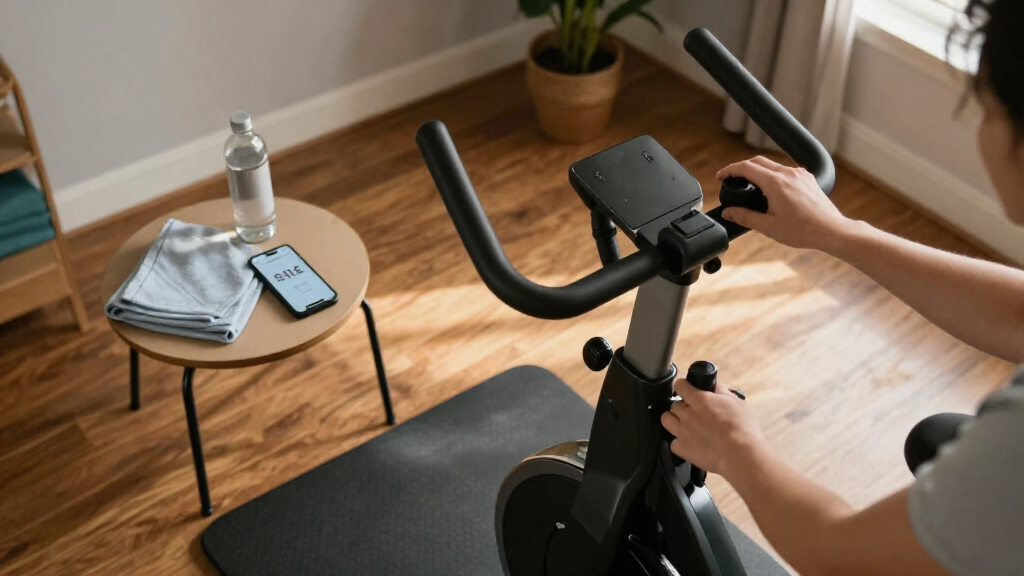
How We Picked
I compared these bikes around the decisions that shape home use: resistance type, riding position, adjustability, storage needs, connectivity, and whether a model is built for focused cycling or broader exercise. I gave more weight to a clear use case and practical fit than to feature count alone. A bike with magnetic resistance may appeal to shoppers seeking controlled workout adjustments, while a folding frame can be the better choice when floor space is limited.
The ranking favors bikes that appear to balance a useful home setup with a distinct reason to choose them, then gives specialist designs their own place rather than treating every model as interchangeable. The YOSUDA Pro Magnetic leads for a cycling-focused setup; foldable 5-in-1 models rank better for storage and varied positions, and the WFLGFT recumbent bike is a more targeted pick for riders who prefer its posture. Product names and listed features alone do not establish noise levels, exact fit, warranty coverage, or app compatibility, so I recommend checking those details before ordering.
Factors to Consider When Choosing Black Friday Exercise Bikes For Home
Before choosing from this lineup, I would match the bike to the room, rider, and workout you will actually repeat. A sale-season purchase can feel like a bargain but still be a poor fit if it is hard to store, uncomfortable to adjust, or tied to an app you do not use.
Choose the Riding Position Before the Feature List
Upright and indoor cycling bikes place the rider differently from a recumbent bike, so the first question is which position you can comfortably maintain. Recumbent designs can appeal to riders who prefer back support and a more reclined posture, while upright bikes take a more familiar seated position. Do not assume a bike is suitable for every body just because its seat adjusts; adjustment range and handlebar reach still matter. If more than one person will ride, compare the listed seat and handlebar adjustments against each rider’s needs. For a shared household, a simpler model that fits everyone can be more useful than a specialized bike with extra functions.
Plan for the Bike’s Full Footprint
Measure the space where you will ride, but also check the route through doorways and the room needed to get on and off safely. A folding frame can reduce storage demands, yet it still needs a stable place to use and room to fold or move. Compact designs often add flexibility by combining positions or exercise functions, but that can mean a different feel from a dedicated indoor cycling bike. Commonly overlooked details include ceiling clearance, nearby furniture, and whether the bike can be moved without disrupting the room. Choose a folding model for a genuine storage need, not simply because the word “folding” sounds more convenient.
Compare Resistance for Your Workout Style
Magnetic resistance appears across many picks in this roundup, including dedicated bikes and folding models, but the bike’s overall design still affects the ride. Think about whether you want gradual changes for steady sessions or a setup that supports more focused cycling workouts. A listed resistance level count does not tell the whole story: feel, range, adjustment method, and consistency can matter more during regular use. If exact resistance behavior is not specified, check the product details rather than assuming that a higher number of levels means a better workout. Buyers who want structured training should also check whether the bike’s controls and any companion app support their routine.
Treat App Features as a Compatibility Question
App connectivity and app compatibility are not interchangeable promises. Before buying, check which apps are supported, whether a phone or tablet is required, and whether the listed connection covers workout data, resistance control, or only basic pairing. Do not assume a bike includes a screen, coaching plan, or subscription simply because its name mentions an app. For shoppers who prefer to ride without a device, a connected model may add little value over a straightforward bike. If you already use a training app, verify compatibility before making it a deciding factor.
Separate Multi-Function Convenience From Cycling Focus
Five-in-one and arm-exerciser designs aim to cover more than one type of home workout, which can be appealing when space or equipment options are limited. The tradeoff is that a multi-purpose frame may not feel as specialized as a bike built around cycling alone. Ask which exercise functions you will use regularly instead of counting every advertised mode as a benefit. If cycling is your main goal, a dedicated magnetic bike may be a more direct fit; if variety is the priority, a folding multi-function model may make better use of a small room. A feature that stays unused still takes up space and can complicate setup.
Check Ownership Details Before Ordering
Product titles rarely answer practical questions about assembly, maintenance, transport, or warranty support. Read the current listing for assembly requirements, included tools, care instructions, and the maker’s support terms before purchasing. Check the stated rider capacity and dimensions rather than inferring them from a model’s appearance or category. If quiet operation matters in an apartment or shared home, look for specific information about drive and resistance noise instead of treating “belt drive” or “magnetic” as a guarantee. These checks are especially useful during Black Friday shopping, when it is easy to focus on a deal and overlook whether the bike fits your space and expectations.
Frequently Asked Questions
Which bike in this lineup makes the most sense if I want to focus on cycling workouts?
I would start with the YOSUDA Pro Magnetic or MERACH S26 rather than a folding 5-in-1 model, since their names identify them as dedicated magnetic indoor bikes. The YOSUDA Pro is the roundup’s best overall pick for a cycling-focused setup, while the MERACH S26 is another option to compare if you are weighing a dedicated magnetic design. Check each listing for resistance adjustment details, rider fit, and any stated usage limits. If your routine depends on a particular app, confirm compatibility directly before choosing. A dedicated bike is not automatically the best fit if you need to store it frequently.
Should I choose a folding bike or a regular indoor exercise bike for a small home?
A folding model can make sense when you need to reclaim floor space between workouts, particularly among the BARWING, pooboo, PLENY, and JELENS options. A dedicated indoor bike may be preferable if you have a permanent workout area and want cycling to be the main purpose of the machine. Measure both the bike in use and its folded storage dimensions; folding does not remove the need for safe riding clearance. Also consider how often you will fold and move it, since a storage feature only helps if it fits your routine. If the bike will stay in one place, compare riding fit and workout style before choosing based on storage alone.
Are app-connected exercise bikes worth choosing if I already use a workout app?
They can be, but only if the bike supports the app or functions you actually use. The YOSUDA Indoor Exercise Bike, HOELLL Compact Bike, and CHAOKE Magnetic Bike call out app connectivity or compatibility, but those labels do not spell out which apps or data features are supported. Check whether the connection provides workout tracking, resistance control, or another function you want. Confirm whether your phone or tablet is needed and whether any separate subscription applies. If you mainly follow workouts on another device without syncing bike data, an app feature may not justify choosing one model over a better-fitting alternative.
What should I check before buying an exercise bike for more than one rider?
Start with the adjustment range for the seat and handlebars, then compare it with each rider’s height and preferred position. The CURSOR model specifically highlights adjustable seat and handlebars, but every bike’s listing should be checked for the actual range rather than relying on a general adjustment claim. Confirm the manufacturer’s stated rider capacity and see whether changing settings between users is straightforward. A good fit for one person does not guarantee a comfortable fit for another. If household members need very different riding positions, compare an adjustable upright bike with a recumbent option before settling on a shared model.
Is a recumbent bike or an upright bike a better choice for a beginner?
Neither style is right for every beginner; comfort and the kind of movement you want matter more than experience level. The WFLGFT recumbent model is the lineup’s distinct option for shoppers drawn to a reclined position and an arm exerciser, while upright models provide a different posture and cycling feel. Beginners who want simple cycling may prefer a straightforward setup over a model with several modes or app functions. Check adjustability and the product’s instructions, and start with a pace and resistance level that feels manageable. If posture or mobility is a concern, ask a qualified health professional which riding position is appropriate for you.
Conclusion
For a cycling-focused home setup, I would choose the YOSUDA Pro Magnetic Exercise Bike as my best overall pick, with the MERACH S26 as another dedicated magnetic option to compare. For best value in function rather than sale price, I would look at a model whose features match your routine without paying for unused app or multi-exercise functions; the SLUNSE FITNESS EB1 is a straightforward magnetic-resistance candidate to investigate. My best premium pick is the YOSUDA Pro Magnetic for buyers prioritizing a dedicated cycling design, though I would verify its fit and listed features before ordering. For beginners, the CURSOR deserves a close look for its adjustable seat and handlebars. For a small room or varied workouts, I would choose the BARWING Foldable 5-in-1; for a recumbent riding position with arm exercise, the WFLGFT is the more specific choice. Match the bike to your space and posture first, then use app features and resistance details to make the final call.