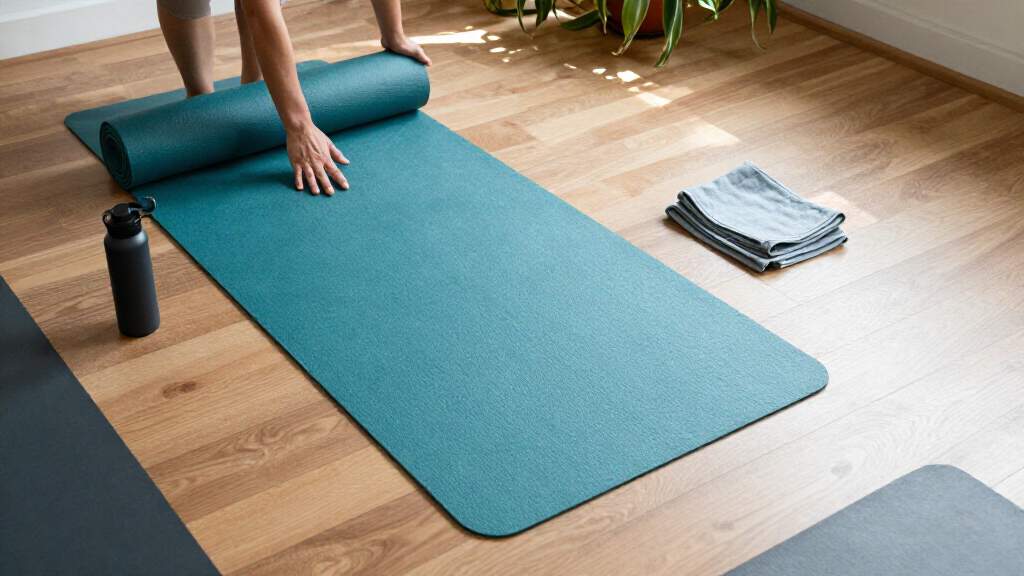
Choosing the best yoga mats requires balancing cushioning with stability, as thicker mats often compromise balance in standing poses. My top recommendation is the Manduka PRO Yoga Mat, which offers unparalleled durability and a dense, supportive surface that withstands years of daily use. For those prioritizing sweat absorption and eco-friendly materials, the Manduka eKO Yoga Mat stands out for its natural rubber construction and superior grip. The primary tradeoff in this category is between portability and support; travel mats are lightweight but offer minimal joint protection, while home mats provide comfort but are heavy to carry. Continue reading to see how these options compare on price, texture, and long-term wear to find the fit for your practice style.

Get workout gear delivered free with Prime
- Fast, free delivery on millions of items
- Prime Video, Amazon Music and more included
- Member-only deals all year
Complete the kit


Key Takeaways
- Natural rubber mats like the Manduka eKO offer the best wet grip but require a break-in period and are heavier than synthetic alternatives.
- Closed-cell PVC mats such as the Manduka PRO are hygienic and durable but can feel slippery when sweaty until textured or broken in.
- Travel mats under 2mm thickness, like the Manduka eKO SuperLite, sacrifice cushioning entirely for portability, making them unsuitable for joint issues.
- Budget options from Gaiam and Amazon Basics provide adequate cushioning for beginners but often suffer from peeling and loss of grip within six months.
- Alignment lines on mats like the Manduka Begin are a significant aid for new practitioners but can become distracting for advanced users who rely on proprioception.
| Gaiam Thick Yoga Mat with Carrying Strap | 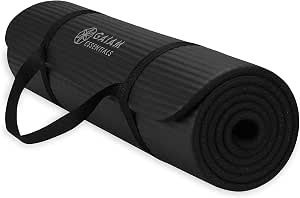 | Best for Joint Comfort | Thickness: 10 mm | Material: NBR Foam | Weight: 3.11 lbs | VIEW LATEST PRICE | See Our Full Breakdown |
| Manduka Begin Yoga Mat 68″ |  | Best for Beginners | Thickness: 5 mm | Material: TPE Foam | Weight: 2.1 lbs | VIEW LATEST PRICE | See Our Full Breakdown |
| Manduka PRO Yoga Mat, 6 mm |  | Best Premium Durability | Thickness: 6 mm | Material: PVC | Weight: 7.5 lbs | VIEW LATEST PRICE | See Our Full Breakdown |
| Vesstra Premium Non-Slip Yoga Mat |  | Best for Sweat and Grip | Thickness: 4 mm | Material: PU / Natural Rubber | Weight: 6.2 lbs | VIEW LATEST PRICE | See Our Full Breakdown |
| Amazon Basics Extra Thick Exercise Yoga Mat |  | Best Budget Value | Thickness: 0.5 inches | Material: NBR Foam | Weight: 2.2 lbs | VIEW LATEST PRICE | See Our Full Breakdown |
| Retrospec Solana Extra Thick Non-Slip Yoga Mat |  | Best for Joint Support | Brand: Retrospec | Dimensions: 72 x 24 x 1 inches | Weight: 2.2 pounds | VIEW LATEST PRICE | See Our Full Breakdown |
| Gaiam Premium Reversible 6mm Yoga Mat |  | Best Value for Home Practice | Brand: Gaiam | Material: Polyvinyl chloride (PVC) | Dimensions: 68 x 24 inches | VIEW LATEST PRICE | See Our Full Breakdown |
| Manduka eKOLite Natural Rubber Yoga Mat |  | Best Eco-Friendly Performance | Brand: Manduka | Material: 100% natural tree rubber | Dimensions: 71 x 24 inches | VIEW LATEST PRICE | See Our Full Breakdown |
| Manduka GRP Adapt Travel Yoga Mat |  | Best for Hot Yoga Travel | Brand: Manduka | Dimensions: 71 x 24 x 1/16 inches | Thickness: 1.5 mm | VIEW LATEST PRICE | See Our Full Breakdown |
| Manduka eKO SuperLite Travel Yoga Mat |  | Best Compact Eco-Mat | Brand: Manduka | Material: Natural tree rubber | Dimensions: 71 x 24 inches | VIEW LATEST PRICE | See Our Full Breakdown |
| Gaiam Dry-Grip Yoga Mat |  | Best for Hot Yoga | Brand: Gaiam | Material: Polyvinyl chloride | Dimensions: 68 × 24 × 0.2 inches | VIEW LATEST PRICE | See Our Full Breakdown |
| Manduka eKO Yoga Mat, Natural Rubber | 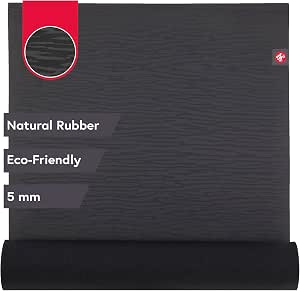 | Best Premium Eco-Friendly | Material: 100% natural tree rubber | Thickness: 5 mm (0.2 in) | Dimensions: 71 × 24 inches | VIEW LATEST PRICE | See Our Full Breakdown |
| Gruper Eco-Friendly Non-Slip TPE Yoga Mat |  | Best Value for Beginners | Brand: Gruper | Material: Thermoplastic elastomer (TPE) | Size: 72 x 24 in | VIEW LATEST PRICE | See Our Full Breakdown |
| Gaiam Classic Print Yoga Mat, 4 mm |  | Best Lightweight Everyday Mat | Brand: Gaiam | Material: Polyvinyl chloride (PVC) | Dimensions: 68 x 24 inches | VIEW LATEST PRICE | See Our Full Breakdown |
| Manduka X Yoga and Fitness Mat |  | Best for Versatility and Durability | Thickness: 5 mm | Dimensions: 71 x 24 inches | Weight: 3.4 lbs | VIEW LATEST PRICE | See Our Full Breakdown |
| yoga mat | Weight | Dimensions | Thickness | Material |
|---|---|---|---|---|
| Gaiam Thick Yoga Mat with Carr | 3.11 lbs | 72 x 24 inches | 10 mm | NBR Foam |
| Manduka Begin Yoga Mat 68" | 2.1 lbs | 68 x 24 inches | 5 mm | TPE Foam |
| Manduka PRO Yoga Mat | 7.5 lbs | 71 x 26 inches | 6 mm | PVC |
| Vesstra Premium Non-Slip Yoga | 6.2 lbs | 72 x 27 inches | 4 mm | PU / Natural Rubber |
| Amazon Basics Extra Thick Exer | 2.2 lbs | 73.2 x 24.3 inches | 0.5 inches | NBR Foam |
| Retrospec Solana Extra Thick N | 2.2 pounds | 72 x 24 x 1 inches | — | Foam |
| Gaiam Premium Reversible 6mm Y | 3.1 pounds | 68 x 24 inches | 6 mm | Polyvinyl chloride (PVC) |
| Manduka eKOLite Natural Rubber | 5.2 lbs | 71 x 24 inches | 4 mm | 100% natural tree rubber |
| Manduka GRP Adapt Travel Yoga | 2 lbs | 71 x 24 x 1/16 inches | 1.5 mm | — |
| Manduka eKO SuperLite Travel Y | 2 lbs | 71 x 24 inches | 1.5 mm | Natural tree rubber |
| Gaiam Dry-Grip Yoga Mat | 4.8 pounds | 68 × 24 × 0.2 inches | — | Polyvinyl chloride |
| Manduka eKO Yoga Mat | 6.2 lbs | 71 × 24 inches | 5 mm (0.2 in) | 100% natural tree rubber |
| Gruper Eco-Friendly Non-Slip T | 2.6 lb (standard) | — | 6 mm or 8 mm options | Thermoplastic elastomer (TPE) |
| Gaiam Classic Print Yoga Mat | 2.1 lb | 68 x 24 inches | 4 mm | Polyvinyl chloride (PVC) |
| Manduka X Yoga and Fitness Mat | 3.4 lbs | 71 x 24 inches | 5 mm | — |
More Details on Our Top Picks
Gaiam Thick Yoga Mat with Carrying Strap
This 10 mm NBR foam mat prioritizes cushioning above all else, making it a strong contender for practitioners with sensitive knees or hips. Compared to the Amazon Basics Extra Thick Exercise Yoga Mat, which offers similar thickness, the Gaiam model provides a slightly more textured surface that helps reduce slipping during dry, low-sweat sessions. However, this softness comes at a cost: the high-density foam lacks the firm stability needed for advanced balancing poses. While the adjustable carrying strap simplifies transport, the mat can feel bulky when rolled. It is an excellent choice for restorative yoga or Pilates, but those seeking a firm foundation for power yoga may find it too yielding.
Pros:- Extra-thick 10 mm foam significantly reduces impact on knees and hips.
- Textured surface provides reliable traction during dry workouts.
- Lightweight at 3.11 lbs, making it easy to transport with the included strap.
Cons:- Soft cushioning can destabilize balance-heavy poses.
- Requires 24–48 hours of airing out to remove initial foam odor.
- Grip performance diminishes significantly in sweaty conditions.
Best for: Beginners or practitioners with joint pain who prioritize cushioning over stability.
Not ideal for: Advanced yogis or hot yoga students who need a firm, non-slip surface for complex balances.
- Thickness:10 mm
- Material:NBR Foam
- Weight:3.11 lbs
- Dimensions:72 x 24 inches
- Included:Carrying Strap
- Care:Wipe clean
- Brand:Gaiam
Our verdict“This mat is the ideal choice for those whose primary concern is joint protection rather than high-intensity performance.”
Manduka Begin Yoga Mat 68″
The Manduka Begin Yoga Mat distinguishes itself with a built-in center alignment stripe, a feature absent in most competitors like the Vesstra Premium Non-Slip Yoga Mat. This guide helps new students maintain proper posture and symmetry, reducing the learning curve for foundational poses. At 5 mm of TPE foam, it strikes a balance between comfort and stability, offering more firmness than the Gaiam Thick Yoga Mat while remaining lighter than the Manduka PRO. The reversible design adds aesthetic versatility, though the hand-wash-only requirement is less convenient than wipe-clean alternatives. It is a thoughtful entry-level mat that focuses on form correction rather than just cushioning.
Pros:- Center alignment stripe guides proper form and balance for beginners.
- Lightweight TPE foam offers joint support without excessive bulk.
- Reversible dual-color design provides two looks in one mat.
Cons:- Hand-wash-only care instructions are less convenient than wipe-clean mats.
- TPE material may degrade faster than premium rubber or PVC options.
Best for: New yoga students who need visual cues to correct their alignment and posture.
Not ideal for: Experienced practitioners who find alignment lines distracting or unnecessary.
- Thickness:5 mm
- Material:TPE Foam
- Weight:2.1 lbs
- Dimensions:68 x 24 inches
- Feature:Alignment Stripe
- Care:Hand wash only
- Brand:Manduka
Our verdict“This mat is specifically engineered to help beginners build correct habits through visual alignment guidance.”
Manduka PRO Yoga Mat, 6 mm
As a benchmark for longevity, the Manduka PRO offers a closed-cell PVC surface that resists sweat and bacteria, unlike the porous nature of some TPE mats. Its 6 mm dense cushioning provides a firm, stable foundation that outperforms the softer Gaiam Thick Yoga Mat in balancing poses. While it lacks the extreme grip of the Vesstra Premium Non-Slip Yoga Mat’s PU surface, the PRO’s no-slip dot pattern on the bottom ensures it stays put on the floor. The primary tradeoff is weight; at 7.5 lbs, it is cumbersome for travel compared to lighter options. However, for home practitioners seeking a mat that will last years without degrading, this is the superior investment.
Pros:- Closed-cell surface prevents moisture and sweat absorption.
- Dense 6 mm cushioning provides excellent stability for advanced poses.
- OEKO-TEX certified and made in Germany for quality assurance.
Cons:- Heavy at 7.5 lbs, making it difficult to transport.
- Strict hand-wash-only care limits cleaning convenience.
Best for: Serious practitioners who prioritize long-term durability and a firm, stable surface.
Not ideal for: Travelers or commuters who find carrying a 7.5 lb mat impractical.
- Thickness:6 mm
- Material:PVC
- Weight:7.5 lbs
- Dimensions:71 x 26 inches
- Certification:OEKO-TEX
- Origin:Germany
- Care:Hand wash only
Our verdict“This mat is the definitive choice for those who view their yoga equipment as a long-term investment.”
Vesstra Premium Non-Slip Yoga Mat
The Vesstra Premium Non-Slip Yoga Mat stands out for its PU surface, which maintains traction even during sweaty sessions, a significant advantage over the dry-grip limitations of the Gaiam Thick Yoga Mat. Its natural rubber base offers superior stability compared to the foam construction of the Manduka Begin, though it is heavier at 6.2 pounds. The 4 mm thickness provides enough cushioning for comfort while retaining the firmness needed for flow classes. The main drawback is the noticeable rubber scent upon unboxing, which requires ventilation. For practitioners who sweat heavily or engage in dynamic flows, this mat offers the most reliable grip in this lineup.
Pros:- Sweat-resistant PU surface provides consistent non-slip traction.
- Dense natural rubber base ensures high stability during movement.
- Extra-wide design offers ample room for stretching and movement.
Cons:- Natural rubber emits a strong scent when new.
- Hand-wash-only care adds maintenance effort.
Best for: Hot yoga participants and dynamic flow practitioners who need reliable sweat resistance.
Not ideal for: Those sensitive to strong odors or who prefer lightweight mats for travel.
- Thickness:4 mm
- Material:PU / Natural Rubber
- Weight:6.2 lbs
- Dimensions:72 x 27 inches
- Surface:Non-slip PU
- Testing:Third-party tested
- Care:Hand wash only
Our verdict“This mat is the top pick for anyone whose practice involves significant sweating or rapid transitions.”
Amazon Basics Extra Thick Exercise Yoga Mat
For those seeking basic cushioning without a premium price tag, the Amazon Basics Extra Thick Exercise Yoga Mat delivers essential functionality. At 0.5 inches thick, it matches the cushioning depth of the Gaiam Thick Yoga Mat but often comes at a lower cost. It is significantly lighter than the Manduka PRO, making it easier to handle, though its NBR foam lacks the durability and eco-friendly credentials of TPE or rubber alternatives. The textured surface provides adequate traction for dry workouts, but it may not hold up as well over time as the Vesstra or Manduka models. It is a practical entry point for casual users who prioritize budget over long-term performance.
Pros:- Extra-thick 0.5-inch foam absorbs shock effectively.
- Lightweight design with an included strap for easy storage.
- Textured surface offers sufficient traction for dry workouts.
Cons:- Bulky to roll due to extreme thickness.
- Hand-wash-only care is less convenient than wipe-clean options.
Best for: Budget-conscious buyers who need basic cushioning for occasional stretching or floor exercises.
Not ideal for: Daily practitioners who need high durability, sweat resistance, or eco-friendly materials.
- Thickness:0.5 inches
- Material:NBR Foam
- Weight:2.2 lbs
- Dimensions:73.2 x 24.3 inches
- Included:Carrying Strap
- Care:Hand wash only
- Brand:Amazon Basics
Our verdict“This mat is the most cost-effective solution for casual users who need basic joint protection.”
Retrospec Solana Extra Thick Non-Slip Yoga Mat
This mat stands out for its one-inch thickness, which provides substantial cushioning for knees, wrists, and hips during floor-heavy practices. Unlike the thinner Manduka eKOLite, which prioritizes stability, the Solana prioritizes comfort, making it ideal for restorative yoga or Pilates where joint pressure is a concern. The non-slip ribbed surface offers decent grip for dry practices, though it lacks the moisture-wicking capability of premium rubber mats. Its generous 72 x 24 inch size gives practitioners ample room to move, surpassing the standard 68-inch length found on many competitors. However, the initial odor requires airing out, and the foam construction may compress over time with heavy use, unlike the durable closed-cell rubber alternatives.
Pros:- One-inch thickness cushions joints
- Non-slip surface helps maintain grip
- Includes a nylon carrying strap
- Free from BPA, phthalates, and latex
Cons:- May have an initial chemical odor
- Foam may compress over time
- Not suitable for submersion cleaning
Best for: Yogis with sensitive joints or those practicing restorative styles who need maximum padding.
Not ideal for: Vinyasa practitioners who need firm stability for balancing poses; the thickness can cause wobbling.
- Brand:Retrospec
- Dimensions:72 x 24 x 1 inches
- Weight:2.2 pounds
- Material:Foam
- Surface:Non-slip, ribbed
- Included accessory:Nylon carrying strap
- Free from:BPA, phthalates, heavy metals, latex
- Care:Wipe with gentle soap and water
Our verdict“Choose this if joint comfort is your priority over high-performance grip.”
Gaiam Premium Reversible 6mm Yoga Mat
The Gaiam Premium Reversible offers a balanced middle ground with its 6mm PVC construction, providing more cushion than the ultra-thin travel mats but less than the extra-thick foam options. Its reversible printed design adds aesthetic versatility, allowing users to switch sides for a fresh look, a feature absent in single-color rubber mats like the Manduka eKOLite. The textured surface provides reliable grip for static poses, though it may become slippery if hands get sweaty compared to moisture-wicking alternatives. This mat is lighter than the Retrospec Solana, making it easier to roll and store, but the PVC material requires careful hand washing and airing out to mitigate off-gassing. It serves well as a dedicated home mat where portability is less critical.
Pros:- 6mm cushioning supports joints
- Reversible design offers two looks
- Textured surface provides grip
- Lighter than extra-thick foam mats
Cons:- Requires 2-3 days airing for odor
- Hand-wash only maintenance
- PVC material is not biodegradable
Best for: Home practitioners who want a durable, cushioned mat with aesthetic options.
Not ideal for: Hot yoga enthusiasts; PVC surfaces can lose grip when wet.
- Brand:Gaiam
- Material:Polyvinyl chloride (PVC)
- Dimensions:68 x 24 inches
- Thickness:6 mm
- Weight:3.1 pounds
- Surface:Textured, non-slip
- Design:Reversible print
- Care:Hand wash only
Our verdict“A solid choice for home studios needing moderate cushioning and style flexibility.”
Manduka eKOLite Natural Rubber Yoga Mat
This mat excels in environmental responsibility without sacrificing performance, utilizing biodegradable natural tree rubber that outperforms synthetic foams in durability and grip. Compared to the Gaiam Premium, the eKOLite offers superior traction for dynamic flows due to its rippled textured surface and closed-cell structure that resists moisture buildup. At 4mm thick, it strikes a balance between stability and comfort, though it feels firmer than the Retrospec Solana. The 99% latex-free composition makes it accessible for those with sensitivities, unlike pure rubber alternatives. However, the maintenance is strict; avoiding soap and sun exposure is necessary to preserve the rubber’s integrity, which adds a layer of care responsibility not required by simpler PVC mats.
Pros:- Biodegradable natural tree rubber
- Textured surface ensures stability
- Closed-cell design resists moisture
- 99% latex-free for sensitive users
Cons:- Strict care instructions (no soap/sun)
- Narrower feel for some body types
- Heavier than travel mats
Best for: Eco-conscious yogis seeking high-grip performance for Vinyasa or Hatha styles.
Not ideal for: Users who prefer low-maintenance cleaning; strict care rules may be inconvenient.
- Brand:Manduka
- Material:100% natural tree rubber
- Dimensions:71 x 24 inches
- Thickness:4 mm
- Weight:5.2 lbs
- Surface:Rippled textured grip
- Design:Closed-cell
- Latex:99% latex-free
- Care:Hand wash; avoid soaking/soap
Our verdict“The go-to for practitioners who value sustainability and high-performance grip.”
Manduka GRP Adapt Travel Yoga Mat
Designed specifically for high-sweat practices, the GRP Adapt utilizes a Satin Grip surface that improves traction as moisture increases, a stark contrast to the slippery nature of PVC mats like the Gaiam Premium when wet. Its 1.5mm ultra-thin profile makes it exceptionally portable, folding compactly for travel, unlike the bulkier Manduka eKOLite. The moisture-absorbing construction draws sweat away, keeping hands dry during hot yoga or intense Pilates. However, this thinness means minimal cushioning, offering little protection for knees on hard floors. It is not a replacement for a home mat but a specialized tool for practitioners who prioritize grip over padding and need to pack light.
Pros:- Satin Grip improves traction with sweat
- Foldable and lightweight for travel
- Moisture-absorbing construction
- Suitable for hot yoga and Pilates
Cons:- Limited cushioning due to 1.5mm thickness
- Care instructions prohibit machine washing
- Avoids soap and sunlight exposure
Best for: Hot yoga practitioners and travelers who need sweat-ready grip in a compact package.
Not ideal for: Those with knee or wrist sensitivity; the thin profile offers negligible padding.
- Brand:Manduka
- Dimensions:71 x 24 x 1/16 inches
- Thickness:1.5 mm
- Weight:2 lbs
- Materials:Polyurethane, rubber
- Surface:Satin Grip
- Color:Dark Lotus
- Care:Hand wash only; hang dry
Our verdict“Essential for hot yoga fans who need reliable grip without carrying bulk.”
Manduka eKO SuperLite Travel Yoga Mat
The eKO SuperLite brings the sustainability of the eKOLite into a foldable, travel-friendly format, using sustainably harvested natural tree rubber. It offers superior grip compared to synthetic travel mats due to its textured orange peel surface, which provides tactile feedback for balance. At 1.5mm thick, it shares the thinness of the GRP Adapt, meaning users should expect firm contact with the floor rather than plush cushioning. This mat is ideal for yogis who refuse to compromise on material quality while traveling. While it lacks the sweat-absorbing tech of the GRP, its 99% latex-free nature and eco-friendly build make it a durable companion for studio hopping or outdoor practice, provided it is cleaned gently without soap or sun exposure.
Pros:- Foldable and travel-friendly
- Sustainably harvested natural rubber
- Textured surface provides grip
- 99% latex-free composition
Cons:- Ultra-thin design limits cushioning
- Strict cleaning requirements
- Not suitable for high-sweat practices
Best for: Traveling yogis who prioritize natural materials and eco-friendly construction.
Not ideal for: Hot yoga practitioners; it lacks the moisture-wicking grip of the GRP Adapt.
- Brand:Manduka
- Material:Natural tree rubber
- Dimensions:71 x 24 inches
- Thickness:1.5 mm
- Weight:2 lbs
- Surface:Textured orange peel
- Latex content:99% latex-free
- Care:Hand wash; avoid soaking/soap
Our verdict“The best choice for eco-conscious travelers who need reliable grip in a tiny package.”
Gaiam Dry-Grip Yoga Mat
This mat stands out for its moisture-wicking surface, which actively pulls sweat away to maintain traction during intense heat. Compared to the Gruper Eco-Friendly Non-Slip TPE Yoga Mat, which relies on general texture, the Gaiam’s specialized coating offers superior stickiness when you are dripping wet. However, this performance comes at a weight penalty; at 4.8 pounds, it is heavier than travel-friendly options like the Manduka GRP Adapt Travel Yoga Mat. The 0.2-inch cushioning is adequate for standard floors but may feel thin on hard concrete without an underlayer. It is a dedicated tool for sweaty sessions, not a jack-of-all-trades for every studio visit.
Pros:- Moisture-wicking surface maintains grip during heavy sweating
- Cushioned construction supports joints during floor poses
- Durable PVC material withstands frequent use
Cons:- Hand wash only, which complicates deep cleaning
- Heavier than average at 4.8 pounds, reducing portability
Best for: Practitioners who engage in hot yoga or Bikram styles where sweat makes standard mats slippery.
Not ideal for: Frequent travelers or commuters, as the 4.8-pound weight adds noticeable bulk to a bag.
- Brand:Gaiam
- Material:Polyvinyl chloride
- Dimensions:68 × 24 × 0.2 inches
- Weight:4.8 pounds
- Color:Marbled
- Care:Hand wash only
Our verdict“Choose this if you prioritize non-slip performance in high-heat environments over lightweight portability.”
Manduka eKO Yoga Mat, Natural Rubber
Built from 100% natural tree rubber, this mat offers a dense, cushioned feel that synthetic alternatives often struggle to replicate. While the Manduka X uses a durable synthetic scrim for easy maintenance, the eKO provides a more organic, grippy surface that improves with use. The 5 mm thickness delivers substantial joint protection, making it superior to thinner travel mats like the Manduka eKO SuperLite. Be aware that the natural rubber scent can be strong initially, requiring ventilation before use. Its closed-cell design prevents sweat absorption, but it demands careful cleaning to avoid degradation from harsh soaps or sunlight.
Pros:- Biodegradable natural rubber construction
- Rippled texture provides exceptional grip
- Closed-cell design prevents moisture buildup
Cons:- Noticeable natural rubber scent upon unboxing
- Strict care instructions prohibit soaking or harsh soaps
Best for: Eco-conscious practitioners who want a dense, high-grip surface and don’t mind a break-in period.
Not ideal for: Those sensitive to rubber odors or anyone looking for a mat that can be thrown in the washing machine.
- Material:100% natural tree rubber
- Thickness:5 mm (0.2 in)
- Dimensions:71 × 24 inches
- Weight:6.2 lbs
- Surface:Rippled textured grip
- Latex content:99% latex-free
- Care:Hand wash only; avoid soaking and sun exposure
Our verdict“This is the top choice for those who value sustainable materials and superior grip over easy maintenance.”
Gruper Eco-Friendly Non-Slip TPE Yoga Mat
This double-layer TPE mat offers impressive durability and non-slip texture on both sides at a budget-friendly price point. Unlike the Amazon Basics Extra Thick Exercise Yoga Mat, which can degrade quickly, the Gruper’s construction resists tearing and deformation well for its cost. It includes a carrying strap and bag, adding convenience that many premium mats charge extra for. However, the material is susceptible to damage from shoes or pet paws, so it is strictly for barefoot use. While the 6 mm thickness is comfortable for most, it lacks the dense cushioning of the Manduka PRO for those with severe joint sensitivity.
Pros:- Non-slip texture on both sides enhances versatility
- Includes carrying strap and storage bag
- Lightweight and easy to roll up
Cons:- Vulnerable to tearing from shoes or pet claws
- Not suitable for machine washing or prolonged sun exposure
Best for: Beginners or budget-conscious buyers who want a durable, lightweight mat with included accessories.
Not ideal for: Pet owners or those who practice in shoes, as the TPE surface is vulnerable to tears from claws and soles.
- Brand:Gruper
- Material:Thermoplastic elastomer (TPE)
- Size:72 x 24 in
- Thickness:6 mm or 8 mm options
- Weight:2.6 lb (standard)
- Included accessories:Carrying strap and storage bag
Our verdict“A solid entry-level choice that balances affordability with practical features like included carrying gear.”
Gaiam Classic Print Yoga Mat, 4 mm
Weighing just 2.1 pounds, this PVC mat is exceptionally light, making it far easier to carry than the Gaiam Dry-Grip or the heavier Manduka eKO. The 4 mm cushioning strikes a balance between stability and comfort, though it may feel thin on hard floors compared to the Vesstra Premium. Its textured surface provides decent grip for standard Hatha or Yin practices, but it may slip during vigorous sweat sessions. A significant drawback is the initial odor, which requires airing out for 2–3 days. It is a practical, low-cost option for home practice where extreme grip or maximum cushioning are not primary concerns.
Pros:- Extremely lightweight at 2.1 pounds
- Free of six specified phthalates
- Compact and easy to store
Cons:- Strong initial odor requires 2-3 days of airing out
- Thin 4 mm profile may not cushion hard floors adequately
Best for: Home practitioners who want a lightweight, affordable mat for gentle yoga styles.
Not ideal for: Hot yoga fans or those with sensitive noses, due to the PVC off-gassing and potential slipperiness when wet.
- Brand:Gaiam
- Material:Polyvinyl chloride (PVC)
- Dimensions:68 x 24 inches
- Thickness:4 mm
- Weight:2.1 lb
- Phthalates:Free of six specified types
- Care:Spot clean with damp cloth; avoid sun
Our verdict“Ideal for casual home users who prioritize low weight and low cost over high-performance grip.”
Manduka X Yoga and Fitness Mat
The Manduka X bridges the gap between specialized yoga mats and general fitness equipment. Its Double-Weave scrim makes it significantly more durable than the Gruper TPE mat, resisting tears from varied workouts. The crosshatch texture offers reliable dry grip, while the closed-cell construction ensures sweat sits on the surface for easy wiping, unlike porous mats. At 3.4 pounds, it is more portable than the Manduka eKO but less grippy in wet conditions than the Gaiam Dry-Grip. This mat is designed for those who do not just practice yoga but also do pilates, cardio, or strength training on the same surface.
Pros:- Durable Double-Weave scrim resists wear and tear
- Closed-cell construction keeps sweat and bacteria out
- Lighter than natural rubber alternatives
Cons:- Rough texture can be harder to wipe down deeply
- Not suitable for submersion or shower cleaning
Best for: Multi-discipline athletes who need one mat that can handle yoga, pilates, and strength training.
Not ideal for: Hot yoga practitioners, as the crosshatch texture provides less wet grip than specialized moisture-wicking surfaces.
- Thickness:5 mm
- Dimensions:71 x 24 inches
- Weight:3.4 lbs
- Construction:Double-Weave scrim; closed-cell
- Surface:Crosshatch texture
- Material features:Latex-free; vegan-friendly
Our verdict“The best all-rounder for those who mix yoga with other fitness disciplines and need a tough, easy-to-clean surface.”
How We Picked
I evaluated these yoga mats based on three critical performance metrics: grip integrity, cushioning density, and material longevity. Grip was assessed by considering how each surface interacts with sweat and bare feet, distinguishing between closed-cell materials that repel moisture and open-cell materials that absorb it. Cushioning was judged not just by thickness but by firmness; a 6mm mat that compresses fully under weight offers less joint protection than a 4mm high-density rubber mat. I also prioritized build quality, looking for signs of potential peeling or flaking, which are common failure points in lower-tier TPE and PVC mats.
The ranking logic prioritizes versatility and long-term value over initial cost. Products that offer a balanced experience—adequate grip for vinyasa flows and enough padding for restorative poses—were placed higher than specialized mats that excel in only one area. I also considered user maintenance; mats requiring special cleaning agents or careful storage to prevent degradation were ranked lower than low-maintenance options, reflecting the reality that most practitioners prefer convenience. This approach ensures the recommendations suit a wide range of practices, from gentle Hatha to dynamic Ashtanga.
Factors to Consider When Choosing Best Yoga Mats
Selecting the right mat is less about brand prestige and more about matching the physical properties of the mat to your specific practice style and body needs. Here are the core factors that should drive your decision.Material Composition and Environmental Impact
The material dictates the mat’s feel, grip, and lifespan. Natural rubber mats provide exceptional traction and are biodegradable, but they can smell initially and degrade faster if exposed to direct sunlight. PVC (Polyvinyl Chloride) mats, like the Manduka PRO, are the industry standard for durability and are easy to clean, though they are not biodegradable. TPE (Thermoplastic Elastomer) offers a middle ground, being lighter and often non-toxic, but typically lacks the long-term resilience of high-quality PVC or rubber. If you have latex allergies, you must strictly avoid natural rubber and opt for PVC or TPE alternatives. Consider your ethics and local disposal options, as rubber mats cannot be recycled in standard municipal programs, whereas some PVC mats have manufacturer take-back schemes.
Thickness vs. Stability Tradeoffs
Thicker mats (6mm to 8mm) are often marketed as better for comfort, but they can destabilize balance poses like Tree or Warrior III. Standard 3-5mm thickness provides the best balance between joint protection and ground connection for most practitioners. Beginners or those with knee issues might benefit from 6mm+ cushioning, but they should be prepared for a slight wobble in standing sequences. Conversely, advanced practitioners often prefer 2-4mm mats because they offer a firm foundation that enhances proprioception. Do not choose thickness solely based on comfort; prioritize stability if your practice involves significant standing and balancing work. If you need extra padding for knees, consider using a folded towel or a dedicated knee pad on a thinner, more stable mat.
Open-Cell vs. Closed-Cell Structures
This structural difference determines how a mat handles sweat and cleaning. Open-cell mats (mostly natural rubber) have microscopic holes that absorb sweat, providing superior grip during hot yoga or intense flows. However, they soak up water and cleaning solutions, which can lead to a musty smell if not dried thoroughly. Closed-cell mats (PVC and many TPEs) are non-absorbent, making them hygienic and easy to wipe down. The tradeoff is that closed-cell mats can become slippery when wet because the sweat sits on the surface rather than being absorbed. If you practice hot yoga, an open-cell mat is generally superior for grip, while a closed-cell mat is better for those who prioritize hygiene and low-maintenance care.
Weight and Portability Factors
If you carry your mat to a studio, weight is a decisive factor. Standard home mats can weigh 3-5 pounds, which is manageable for short trips but burdensome for daily commuting. Travel mats weigh less than 2 pounds and roll up tightly, but they lack the cushioning necessary for long practices. Some lightweight mats use thin PVC or rubber, which can feel flimsy and shift on the floor if not weighted properly. Consider your commute method: if you walk or bike, invest in a lightweight mat or a mat bag with a comfortable strap. If you drive or practice at home, prioritize density and durability over weight, as heavier mats tend to stay flat and resist curling at the edges.
Break-In Periods and Texture Evolution
Many premium mats, particularly those made of natural rubber or high-density PVC, have a break-in period. New rubber mats often have a textured coating that can feel slightly tacky or sticky initially, which may be uncomfortable for sensitive skin. Over time, this surface smooths out and the grip becomes more consistent. PVC mats are usually ready to use immediately but may feel slick until they accumulate slight wear or are broken in with salt scrubbing. Understanding this timeline prevents premature judgment; a mat that feels too sticky on day one might offer the best grip after a month of use. Always check return policies if you are sensitive to texture changes, as this is a common reason for dissatisfaction with high-end mats.
Frequently Asked Questions
How do I stop my yoga mat from slipping on the floor?
Slipping usually results from a mismatch between your mat’s bottom layer and your floor type. If your mat slides on hardwood, try placing a non-slip rug pad underneath it. For concrete or tile floors, ensure the mat is clean and free of dust, which acts as a lubricant. Some mats, particularly lightweight travel versions, are prone to shifting due to their low weight; using a mat bag with a strap or practicing on a carpeted surface can help anchor them. If the top surface is slippery, a yoga towel is the most effective solution, as it absorbs sweat and provides friction where the mat surface fails.
Is a thicker yoga mat always better for joint pain?
No, thickness is not a direct correlate of comfort or support. A very thick, soft mat can cause your joints to sink into the material, leading to misalignment and instability in standing poses, which can actually exacerbate knee or hip pain. High-density mats, even if thinner (4mm), often provide better support because they do not compress fully under body weight. For knee pain specifically, a high-density rubber mat offers better shock absorption than a soft, low-density foam mat. It is often more effective to use a thinner, stable mat and add a folded blanket under the knees for restorative poses than to rely on a uniformly thick, unstable surface.
How often should I replace my yoga mat?
Replacement frequency depends on material quality and usage intensity. High-quality PVC mats like the Manduka PRO can last a decade or more with proper care, often outliving their warranty period. Natural rubber mats may last 2-5 years, depending on exposure to sunlight and sweat. Budget TPE or thin PVC mats often show signs of peeling or loss of grip within 6-12 months of regular use. You should replace your mat if the surface becomes smooth and loses traction, if it starts flaking, or if it retains odors that cannot be cleaned. Regular inspection for surface degradation is a better indicator than a fixed timeline.
Can I use a yoga mat for other exercises like HIIT or Pilates?
Most yoga mats are designed for static holds and slow movements, not high-impact activities. Using a yoga mat for HIIT can damage the surface due to the friction from shoes and the impact of jumping, leading to premature wear. Pilates requires a firmer surface than many thick yoga mats provide, as soft mats can destabilize core engagement. If you need a multi-purpose mat, look for high-density rubber or PVC options that offer firmness and durability. For dedicated HIIT or CrossFit, a specialized gym mat with higher abrasion resistance is a safer choice to protect both the mat and your equipment.
What is the best way to clean and maintain a yoga mat?
Cleaning methods vary by material. For closed-cell PVC mats, a mixture of water and mild dish soap applied with a damp cloth is sufficient; avoid harsh chemicals that can break down the plastic. Open-cell natural rubber mats should never be soaked or put in a washing machine, as this damages the structure; spot clean with a gentle, pH-neutral cleaner and air dry away from direct sunlight. Regular maintenance involves wiping down the mat after each practice to remove sweat and oils, which can degrade the surface over time. Storing the mat unrolled or loosely rolled prevents permanent creasing and helps maintain its shape and flatness.
Conclusion
Choosing the best yoga mats ultimately depends on your specific practice style and environmental priorities. For the vast majority of practitioners seeking a lifelong companion for their practice, the Manduka PRO Yoga Mat remains the best overall choice due to its unmatched durability and dense, supportive cushioning. If you prioritize eco-friendly materials and superior grip for hot yoga, the Manduka eKO Yoga Mat is the best premium pick, offering natural rubber performance that synthetic options cannot match. For beginners who need alignment guidance and a softer entry point, the Manduka Begin Yoga Mat provides excellent value with its alignment stripes and manageable weight. Travelers should opt for the Manduka eKO SuperLite for its packability, while budget-conscious users will find adequate performance in the Gaiam Premium Reversible. Match the mat’s density and material to your body’s needs and your floor type to ensure a safe, stable practice.