This mobility training checklist is for anyone putting together a home setup for stretching, balance practice, and movement work. It covers a mix of simple tools and buying advice, so you can focus on the gear that fits your routine and space.

Get workout gear delivered free with Prime
- Fast, free delivery on millions of items
- Prime Video, Amazon Music and more included
- Member-only deals all year
The checklist is organized by equipment type. Some sections include a named product pick; others offer general guidance where no specific product was provided. Each section explains what the item can contribute and what details to consider before choosing one.
Use it as a buying guide, not a requirement to collect every item. Start with the movements you already practice, check fit and compatibility details, and add equipment gradually as your routine calls for it.
Yoga Blocks
Yoga blocks can bring the floor closer during stretches and supported poses, making them a useful part of a mobility setup. The listed pick, Yoga Blocks 2 Pack, EVA 9x6x3 in, 8FT Strap & Oxford Bag, combines two blocks with a strap and bag. That gives you several pieces to consider together when deciding whether the set matches your practice and storage needs.
A common mistake is choosing blocks without checking their dimensions or material. The listed size is 9x6x3 inches, so compare those measurements with the support and reach you want from a block. Consider whether the shape and material feel suitable for the surfaces where you practice, and whether the set is comfortable to grip and position. The 8-foot strap may suit some stretching routines, but check its length against the movements you plan to do. Also consider whether the included bag can hold the whole set and fit where you store your gear.
What to look for:
- Block dimensions that suit your reach and support needs
- EVA material and a shape that feels comfortable to position
- Whether two blocks match the poses you practice
- Strap length that suits your stretching movements
- A bag that fits the set and your storage space
Yoga Blocks 2 Pack, EVA 9x6x3 in, 8FT Strap & Oxford Bag

The SAYONAKUAJ yoga block set includes two lightweight EVA blocks, an extra‑long 8 ft adjustable D‑ring strap, and a light gray Oxford drawstring bag for easy transport. The non‑slip blocks provide stable support for alignment, balance, and flexibility in yoga, Pilates, and stretching routines.
Pros:
- Stable, non‑slip EVA blocks with beveled edges for comfortable grip
- Extra‑long adjustable strap expands reach for hamstring and shoulder stretches
- Lightweight and portable with a dedicated Oxford carry bag
- Supports yoga, Pilates, stretching, and mobility work for all skill levels
Cons:
- Limited color options; only charcoal gray/gray available
Best for: Home practitioners who want blocks, a strap, and a carrying bag together
Not ideal for: Anyone seeking blocks alone or different dimensions
Bottom line: Check the block dimensions and strap length against your routine before choosing this set.
Stretching Straps
A stretching strap can help you work through movements that need extra reach, making it a practical option for a mobility routine. Since no specific product was provided for this slot, treat it as selection advice: decide which stretches you want the strap to support, then compare options based on their stated length, material, and adjustment design.
One common buying mistake is assuming that any strap will fit every exercise or user. Check the usable length and the way loops, buckles, or other adjustment points are arranged. A strap should let you hold it comfortably without forcing an awkward grip. Consider how it will feel against your hands and feet, and whether its material is easy to keep clean. If you plan to pair it with other gear, check that its length works in the space where you stretch and that it is easy to store alongside your equipment. Choose based on the movements you actually do, rather than collecting features you may not use.
What to look for:
- Usable length for your height and intended stretches
- Adjustment points or loops that are easy to grip
- Material that feels comfortable against hands and feet
- Construction suited to regular handling
- A design that stores easily with your other gear
Balance Boards
A balance board offers a surface for balance practice and can add a changing movement challenge to a home routine. The named pick is the GIBBON SlackBoard Balance Board for Kids & Adults. Before choosing it, consider who will use the board and whether its intended setting and movement style fit the practice you have in mind.
A frequent mistake is overlooking user fit and surroundings. Check the product information for its intended users, setup requirements, and any guidance about where and how to use it. Make sure you have enough clear space around the board for mounting, dismounting, and practice. If multiple people will use it, consider whether its design suits each person’s needs and experience. Also look at how it is stored when not in use and whether the available floor area works for the board. A balance product should match your comfort level and routine; start with the manufacturer’s instructions and choose an option that feels manageable for the people using it.
What to look for:
- Product guidance on intended users and use
- Setup requirements that fit your available space
- A stable, clear area for mounting and practice
- Whether the design suits each intended user
- Storage needs when the board is not in use
GIBBON SlackBoard Balance Board for Kids & Adults

The GIBBON SlackBoard is a versatile, lightweight balance trainer suitable for all ages, ideal for improving core strength, flexibility, and posture. Its durable design allows use at home, gym, or office for balance training, fitness, and skill development in activities like surfing and skateboarding.
Pros:
- Suitable for all ages and skill levels
- Durable, sustainably made from American maple wood
- Versatile for various fitness and recreational activities
- Compact and easy to store
Cons:
- Requires some space for safe use
- May need supervision for young children
- Limited to indoor or flat outdoor surfaces
Best for: Households looking for a board described for kids and adults
Not ideal for: Anyone without a clear space suited to balance practice
Bottom line: Review the setup and use guidance, then confirm the board fits the people and space available.
Massage Balls
A massage ball can be a compact tool to include in a mobility or recovery routine. The listed pick is the Massage Ice Roller Ball – Cold & Heat Therapy for Plantar Fasciitis. Its product name describes cold and heat use, so check the specific product instructions to understand how those features work and what preparation they require.
A common mistake is choosing based on the name alone without checking the product details. Look for its dimensions, surface feel, and instructions for using or preparing it, including any guidance related to temperature. Consider whether it is comfortable to hold and roll over the areas you intend to address, and whether it is easy to clean and store. The product name refers to plantar fasciitis, but suitability for a particular concern depends on your needs and the product’s directions. Check those directions carefully, and if you are unsure whether a tool or temperature-based use is appropriate for you, consult a qualified health professional. Choose a ball that fits your routine and feels manageable to use.
What to look for:
- Dimensions and surface details in the product information
- Clear preparation and use instructions for cold or heat
- A shape that is comfortable to hold and roll
- Cleaning and storage guidance
- Directions relevant to the areas you plan to use it on
Massage Ice Roller Ball – Cold & Heat Therapy for Plantar Fasciitis

The 2‑in‑1 massage roller combines a stainless‑steel, cooling‑gel core that can be frozen for cold therapy or warmed for heat relief. Its compact 2.91‑inch design lets you target muscles in the back, neck, shoulders, legs and feet, providing up to six hours of soothing relief after just two hours in the freezer.
Pros:
- Dual cold and heat therapy in one device
- Whole‑body use for back, neck, shoulders, legs, and feet
- Durable stainless‑steel construction with cooling gel core
- Compact size makes it easy to carry to the gym or travel
Cons:
- Requires at least two hours of freezing time before cold use
Best for: Shoppers looking for a massage roller ball with cold and heat described
Not ideal for: Anyone who wants a simple ball without temperature preparation
Bottom line: Read the preparation and use directions closely before adding this roller ball to your routine.
Resistance Bands
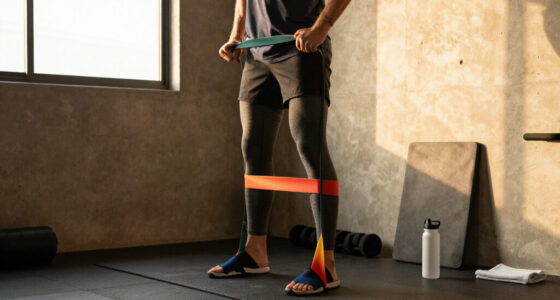
Resistance bands can add adjustable challenge to mobility and movement exercises, but the right choice depends on how you plan to use them. No specific product was supplied for this section, so focus on your routine first: identify the movements you want to do and what level of resistance feels appropriate for them.
A common mistake is buying a band without checking its resistance range and format. Product descriptions may distinguish among resistance levels, band shapes, lengths, or handle styles, so compare those details with your planned exercises and available space. Check how the band is intended to be held or anchored and whether that setup works safely in your home. If you want a set, make sure the included options are clearly identified and useful to you. Inspect bands as directed by the maker and follow their instructions for use and care. Choose a format that is straightforward for your routine and comfortable to control through the movements you practice.
What to look for:
- Resistance levels that suit your planned movements
- Band length and format for the exercises you do
- Clear guidance for holding or anchoring the band
- A set whose included options are clearly described
- Use and care instructions from the manufacturer
Wobble Cushions
A wobble cushion or balance disc can add an unstable surface to a home movement setup. The listed pick is the Wobble Cushion Balance Disc – Wobble Seat for Physical Therapy and Sen. The product name is cut off after “Sen,” so review the complete listing to understand its description and intended use before deciding whether it belongs in your routine.
A common mistake is assuming that every cushion fits every use. Check the full product details for dimensions, material, inflation or setup instructions, and any guidance about intended users or activities. Consider where you plan to use it: a seat and a balance exercise surface can call for different dimensions and handling. Make sure it fits the chair or floor area involved, and check how it should be cleaned and stored. If you are choosing it for a specific physical therapy purpose, follow guidance from your clinician and the manufacturer’s instructions. A clear understanding of the full listing will help you decide whether the cushion’s size and use match your space and needs.
What to look for:
- The complete product listing and intended-use description
- Dimensions that suit chair or floor use
- Setup or inflation directions, if applicable
- Material and cleaning guidance
- Manufacturer guidance for intended users and activities
Wobble Cushion Balance Disc – Wobble Seat for Physical Therapy and Sensory Input

This balance disc promotes core stability, improves posture, and helps calm children by providing sensory input. It can be used as a wiggle seat or for various exercises to strengthen muscles and relieve back and shoulder pain.
Pros:
- Enhances core stability and muscle tone
- Provides sensory input and calming effect for children
- Versatile for sitting, standing, and exercise routines
- Relieves back and shoulder pain
Cons:
- Not designed for high-impact activities
- Requires inflation and adjustments for optimal use
Best for: Shoppers who want a wobble cushion or balance disc for home use
Not ideal for: Anyone unable to confirm the item’s full description and dimensions
Bottom line: Read the complete listing and compare its dimensions and use guidance with your intended setup.
For a budget-first buying order, begin with the movements you already practice and choose one item that supports them. Compare dimensions, setup requirements, and included accessories before adding another tool. For advice-only categories, use the checklist points to narrow your options without buying a full set by default.
Your home setup can grow one useful piece at a time. Pick gear that fits your space, feels manageable to use, and supports the routine you want to keep doing. Small, considered choices can make it easier to get started and stay consistent.