

To ride hard without wrecking your recovery, recognize signs of overtraining like fatigue or soreness, and incorporate structured rest days into your schedule. Balance high-intensity sessions with recovery rides and active recovery techniques such as stretching or yoga. Prioritize good nutrition, hydration, and plenty of sleep to support muscle repair. Listen to your body’s cues and adjust your intensity accordingly—continuing with these tips will help you push without risking burnout.
Key Takeaways
- Alternate high-intensity rides with recovery or low-resistance sessions to prevent overtraining and allow muscle repair.
- Incorporate at least one full rest day per week to fully recover and avoid burnout.
- Prioritize proper nutrition and hydration post-ride to support recovery and replenish glycogen stores.
- Use active recovery techniques like gentle stretching, foam rolling, or restorative yoga to enhance circulation and reduce soreness.
- Monitor your body cues for fatigue or soreness and adjust ride intensity accordingly to maintain progress without overdoing it.
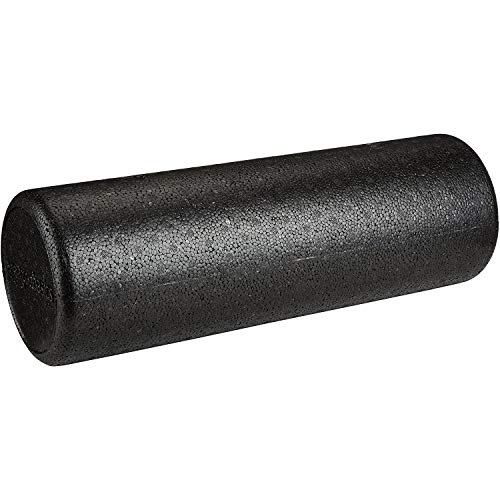
Amazon Basics High-Density Foam Roller for Exercise and Recovery, 18 Inches, Black
High-density foam roller in Black
As an affiliate, we earn on qualifying purchases.
As an affiliate, we earn on qualifying purchases.
Recognizing the Signs of Overtraining

If you start feeling unusually fatigued or your performance suddenly drops, it’s a clear sign you might be overtraining. You could notice persistent soreness that doesn’t improve with rest or feel unusually irritable and mentally drained. Your sleep might become disrupted, or you may experience frequent headaches and a weakened immune system, catching colds more often. You might also notice a lack of motivation or enthusiasm for your usual workouts, even when you’re not pushing yourself harder than usual. These signs indicate your body isn’t recovering properly from training sessions. Ignoring them can lead to burnout or injury. Staying aware of these symptoms helps you adjust your intensity and avoid pushing beyond your limits, keeping your training safe and effective. Additionally, monitoring training load can help prevent overtraining by ensuring you’re balancing work and recovery appropriately. Recognizing overtraining signs early allows you to take corrective steps and maintain a healthy training routine. Being mindful of your recovery process and how your body responds can further support your progress and prevent setbacks. Incorporating proper rest periods and recovery strategies can also significantly reduce the risk of overtraining and promote better overall performance. Regularly assessing your body cues can help you identify early warning signs of fatigue or stress so you can make necessary adjustments.

Amazon Basics 1/2 Inch Extra Thick Exercise Yoga Mat with Carrying Strap for Home Workouts and Fitness, 74" x 24", Black
Extra thick, cushy floor mat in Black for yoga, gym, and everyday exercise
As an affiliate, we earn on qualifying purchases.
As an affiliate, we earn on qualifying purchases.
The Importance of Structured Rest Days

Taking regular, structured rest days helps you avoid overtraining and burnout, keeping your body from becoming overwhelmed. These breaks also allow your muscles to recover and rebuild, enhancing your overall performance. Skipping rest can hinder progress, so make sure to schedule downtime into your routine. Incorporating proper recovery techniques can further optimize your training and prevent injuries. Paying attention to sleep hygiene and ensuring quality rest can significantly boost your recovery process. Prioritizing rest and recovery is essential for maintaining long-term health and consistent progress. Additionally, understanding muscle repair processes can help you fine-tune your recovery strategies for better results, especially considering how training schedules influence recovery times.
Prevent Overtraining Burnout
To prevent overtraining and burnout, incorporating structured rest days into your spin-class routine is essential. Rest days give your muscles time to recover, repair, and grow stronger, reducing the risk of exhaustion and injury. They also help reset your mental focus, keeping you motivated and preventing fatigue from clouding your judgment. Skipping rest can lead to diminished performance, persistent soreness, and even burnout that derails your progress. Listening to your body’s signals—if you feel unusually tired, sore, or unmotivated—is a sign you need to back off and rest. Scheduling regular breaks isn’t a sign of weakness; it’s a smart strategy to sustain your energy, improve endurance, and ultimately ride harder and longer without risking setbacks. Incorporating proper maintenance into your training plan, such as ensuring your bike is well-maintained and adjusted, can also enhance your performance and safety. European cloud innovation supports the development of sustainable and secure cloud solutions that can enhance your training data management and recovery tracking. Additionally, understanding Gold IRA Rollovers can be part of a long-term financial strategy to ensure your retirement savings are protected and diversified. Paying attention to glycolic acid benefits can also help improve your skin health and recovery after intense workouts, ensuring you look and feel your best. Being aware of user privacy and cookies can help you manage your online privacy preferences while tracking your training progress securely.
Boost Performance Recovery
Incorporating structured rest days into your spin routine not only prevents burnout but also accelerates your performance recovery. Rest days give your muscles time to repair, replenish energy stores, and reduce inflammation, leading to better endurance and strength. To maximize recovery, consider these key steps:
- Prioritize Sleep: Aim for 7-9 hours nightly to support muscle repair and hormone regulation.
- Nutrition Focus: Fuel your body with protein, healthy fats, and carbs to replenish glycogen and repair tissues. Furthermore, recovery nutrition plays a crucial role in reducing soreness and promoting muscle regeneration. Incorporating proper hydration is also essential, as it helps flush out toxins and supports overall recovery processes. Understanding the role of structured rest in your training program can significantly impact your long-term progress. Additionally, paying attention to training load management ensures you avoid overtraining and optimize your recovery periods.
- Active Recovery: Engage in light activities like stretching or walking to boost circulation without overexerting yourself.
- Leverage connected fitness technology to monitor your recovery progress and optimize your rest periods for sustained performance.

Unigear Hydration Pack Backpack with 70 oz 2L Water Bladder for Running, Hiking, Cycling, Climbing, Camping, Biking (Black)
FIT PERFECTLY: pack size of 16.5 x 8 x 6.0 inch with adjustable shoulder chest waist straps, will…
As an affiliate, we earn on qualifying purchases.
As an affiliate, we earn on qualifying purchases.
Balancing High-Intensity and Recovery Rides

Balancing high-Intensity and recovery rides is essential for making steady progress without risking burnout. You need to push yourself, but also allow your body time to recuperate and adapt. Striking this balance helps prevent overtraining and keeps motivation high. To visualize, consider this breakdown:
| Ride Type | Purpose | Frequency per Week |
|---|---|---|
| High-Intensity | Build strength, speed, power | 1-2 |
| Recovery | Repair muscles, reduce fatigue | 1-2 |
| Moderate | Maintain endurance | 2-3 |
| Rest Days | Complete recovery | 1-2 |
This plan ensures you challenge yourself while giving your body space to recuperate. Incorporating training load management is crucial for optimizing performance and preventing injury. Adjust based on your goals, fatigue levels, and progress. Being mindful of training intensity helps maintain a sustainable training routine and supports ongoing improvements. Recognizing the importance of training recovery also plays a vital role in avoiding setbacks and ensuring consistent progress. Additionally, monitoring training volume can help prevent overtraining and facilitate better adaptation. Incorporating proper nutrition and hydration further enhances your recovery and overall performance.
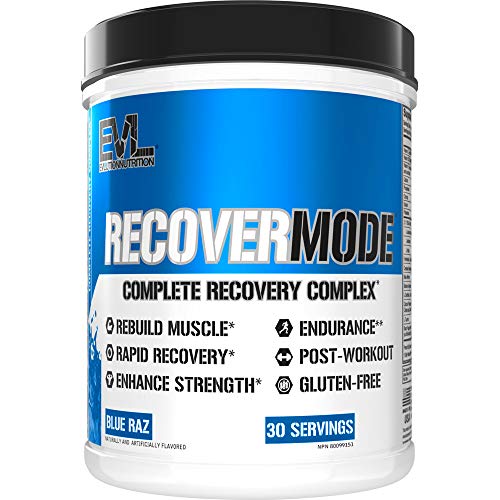
Evlution Nutrition Recover Mode- Complete Post Workout with BCAAs, Immunity Support, Vitamin C, D & E, Electrolytes, Hydration, Creatine, Glutamine, Beta-Alanine, L-Carnitine, 30 Serve, Blue Raz
Complete Recovery Complex – Take your recovery to the next level with RecoverMode, a scientifically formulated post-workout drink…
As an affiliate, we earn on qualifying purchases.
As an affiliate, we earn on qualifying purchases.
Incorporating Active Recovery Into Your Routine

To help your body recover, try including gentle pedal sessions that keep your muscles moving without overexertion. Restorative yoga can also enhance flexibility and reduce tension, making it a great active recovery option. Incorporating these practices into your routine keeps you fresh and ready for the next intense spin class.
Gentle Pedal Sessions
Gentle pedal sessions offer a smart way to include active recovery in your routine without overexerting yourself. These sessions keep your muscles moving and promote blood flow, helping your body recover faster. To get the most out of your gentle rides, focus on:
- Maintaining a low resistance level to prevent fatigue
- Pedaling at a relaxed, steady pace for 30-45 minutes
- Staying mindful of your breathing and avoiding strain
This approach keeps your legs active without pushing your limits, reducing soreness and stiffness. It also helps clear lactic acid buildup and keeps your cardiovascular system engaged without risking burnout. Incorporating these sessions regularly ensures you stay consistent while allowing your body to recover effectively.
Restorative Yoga Practices
Incorporating restorative yoga into your routine offers an effective way to promote active recovery without adding stress to your body. It helps release tension, improve flexibility, and calm your nervous system after intense spin sessions. Focus on gentle poses like child’s pose, reclined twist, or supported bridge, holding each for several minutes. Use props such as bolsters, blocks, or blankets to support your body and deepen relaxation. Breathe deeply and consciously during each pose, encouraging blood flow and easing muscle stiffness. Restorative yoga encourages mindfulness, reducing mental fatigue as well as physical strain. Make it a regular part of your recovery days to enhance overall resilience, prevent injury, and prepare your body for your next ride. Keep it simple, slow, and intentional.
Nutrition Strategies for Optimal Recovery

Recovering effectively after a spin class hinges on your nutrition choices. To optimize recovery, focus on replenishing energy and repairing muscles quickly. First, prioritize carbohydrates like fruits, oats, or whole grains within 30 minutes post-ride to restore glycogen stores. Second, include lean protein such as chicken, eggs, or plant-based options to support muscle repair. Third, stay hydrated by drinking plenty of water or electrolyte drinks, especially if you sweated heavily. Incorporating these elements ensures your body refuels efficiently, reduces soreness, and prepares you for your next ride. Remember, what you eat immediately after spinning can considerably influence your recovery speed and overall progress. Keep it simple, balanced, and timely for the best results.
Listening to Your Body: When to Push and When to Rest

After focusing on proper nutrition to support your recovery, tuning into how your body feels during and after spin classes becomes key. Pay attention to signals like persistent fatigue, muscle soreness, or mental fog—they can indicate whether you need to push harder or take a break. Not every workout requires maximum effort; sometimes, easing up allows your body to recover and adapt. Conversely, if you feel energized and motivated, it might be a good day to challenge yourself slightly more. Listening isn’t just about avoiding injury; it’s about understanding your limits and respecting them. Rest isn’t a sign of weakness—it’s essential for progress. Trust your instincts, and don’t ignore those subtle cues your body gives you. Balance is the secret to sustained, effective training.
Creating a Sustainable Spin Schedule

Creating a sustainable spin schedule requires balancing intensity with recovery so you can enjoy consistent progress without risking burnout. To do this effectively, consider these key steps:
- Schedule 3 to 4 rides per week, alternating high-intensity sessions with easier recovery rides.
- Include at least one full rest day to allow your body to repair and rebuild.
- Vary your workouts by mixing endurance rides, intervals, and recovery days, so your body adapts without overtraining.
This approach keeps your workouts challenging yet manageable. It prevents fatigue from piling up and helps you stay motivated. By respecting your body’s signals and planning smartly, you’ll maintain steady progress while reducing injury risk. A balanced schedule is your best tool for long-term success.
Frequently Asked Questions
How Can I Tell if I’m Mentally Overtraining or Just Physically Tired?
You can tell if you’re mentally overtraining by noticing persistent fatigue, irritability, or trouble focusing, even after rest. If your motivation drops or you feel overwhelmed by workouts, it’s a sign. Physically, overtraining shows as lingering soreness, decreased performance, or frequent injuries. Listen to your body—if mental signs persist alongside physical exhaustion, it’s time to rest and recover. Don’t push through without addressing these cues.
What Are Quick Recovery Techniques I Can Do Post-Ride?
Imagine you’re in a medieval tavern, but today’s recovery tactics are modern. After your ride, hydrate with water or electrolyte drinks to replenish lost minerals. Do gentle stretching to ease muscle tension and improve circulation. Consider a cool-down walk or foam rolling to reduce soreness. Rest and proper nutrition are also key. These quick steps help your body recover faster, so you can hit the pedals again feeling refreshed.
How Do I Adjust My Training if I’M Feeling Chronically Fatigued?
If you’re feeling chronically fatigued, you should scale back your training intensity and volume to let your body recover. Incorporate more rest days, focus on quality sleep, and prioritize proper nutrition. Listen to your body—if fatigue persists, consider cross-training with low-impact activities like swimming or walking. Gradually rebuild intensity, ensuring you avoid overtraining and give your muscles time to repair and strengthen.
Are There Specific Supplements That Aid Recovery From Intense Spin Sessions?
You can consider supplements like protein powders, BCAAs, and magnesium to support recovery after intense spin sessions. Protein helps rebuild muscles, BCAAs reduce soreness, and magnesium relaxes muscles and improves sleep. While these can aid your recovery, remember they work best alongside proper nutrition, hydration, and rest. Always consult a healthcare professional before adding new supplements to your routine to confirm they suit your individual needs.
How Does Sleep Quality Impact My Recovery and Performance?
Good sleep quality is vital for your recovery and performance. When you sleep well, your body repairs muscles, reduces inflammation, and restores energy levels more efficiently. Poor sleep can lead to fatigue, slower recovery, and decreased performance in your next ride. To optimize, stick to a consistent sleep schedule, create a relaxing bedtime routine, and avoid screens before bed. Prioritizing quality sleep helps you ride harder without risking burnout.
Conclusion
You might think pushing every day will boost your progress, but it’ll only slow you down in the long run. By recognizing signs of overtraining and respecting rest, you’ll ride harder and recover faster. Remember, consistency beats intensity—sustainable routines keep you motivated and injury-free. So, don’t fear taking a break; it’s the key to riding strong and enjoying every pedal stroke. Your best ride is just a balanced approach away.