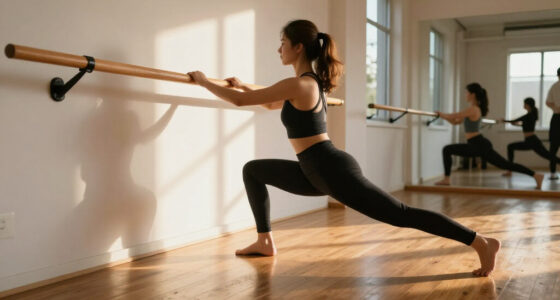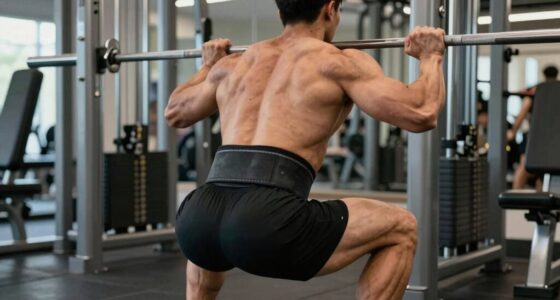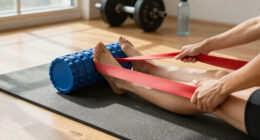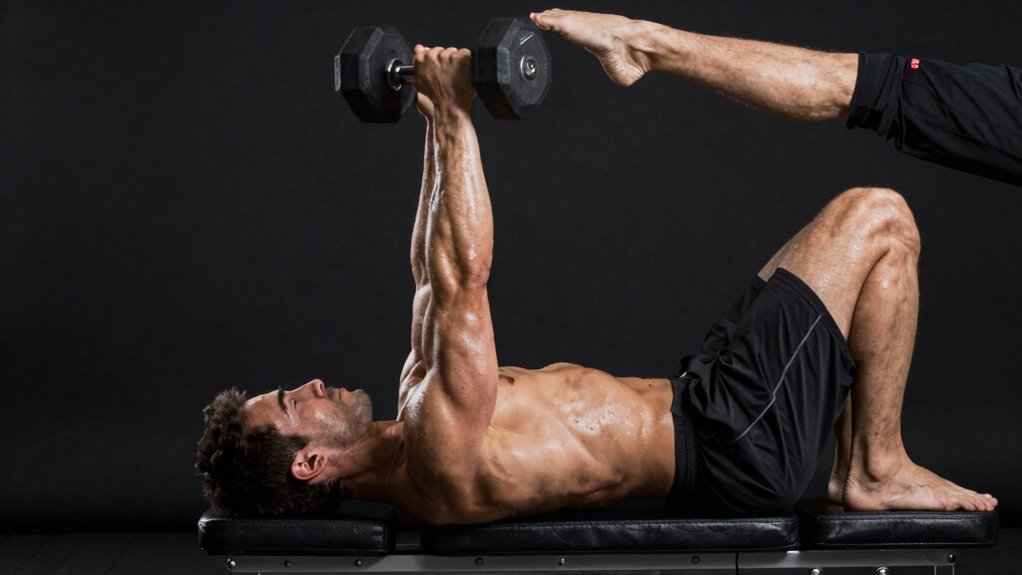

Unilateral training targets weak links by isolating each limb, making imbalances obvious and easier to correct. It helps you develop strength evenly on both sides, improves stability, and enhances coordination. By focusing on single-arm or single-leg exercises, you can identify hidden weaknesses that often go unnoticed in bilateral movements. Keep practicing these, and you’ll discover more effective ways to fix imbalances and boost overall performance.

Get workout gear delivered free with Prime
- Fast, free delivery on millions of items
- Prime Video, Amazon Music and more included
- Member-only deals all year
Key Takeaways
- Single-arm/leg exercises reveal hidden imbalances by forcing each limb to carry its own load independently.
- They enhance neuromuscular activation and stabilizer engagement, addressing weak links more effectively.
- Unilateral work isolates and strengthens weak muscles, preventing overcompensation from dominant limbs.
- These exercises improve coordination, stability, and symmetry, reducing injury risk and promoting balanced development.
- Incorporating unilateral training targets specific weaknesses, leading to improved overall function and athletic performance.
As an affiliate, we earn on qualifying purchases.
Understanding Muscle Imbalances and Their Impact
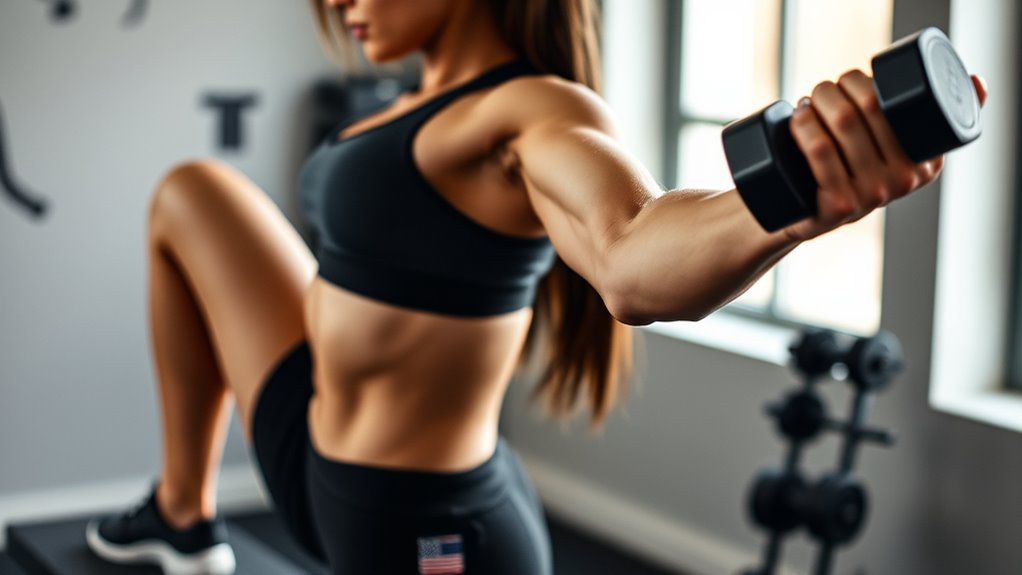
Muscle imbalances occur when one side of your body is stronger or more developed than the other, which can lead to uneven forces and movement patterns. These imbalances often develop over time due to daily habits, dominant side usage, or improper training. When one side dominates, it can cause joint stress, poor posture, or even injury. You might notice asymmetrical strength, difficulty performing certain movements, or discomfort during activity. Over time, these issues can worsen, affecting your overall performance and increasing injury risk. Recognizing muscle imbalances is key to addressing them. Ignoring these disparities allows compensations to form, which can further disrupt movement and lead to long-term problems. Understanding how imbalances impact your body helps you take targeted steps to correct them effectively. Additionally, incorporating unilateral training methods can be particularly effective in correcting muscle imbalances and promoting balanced strength development. Paying attention to muscle symmetry can help identify issues early and prevent compensatory patterns from becoming habitual.
As an affiliate, we earn on qualifying purchases.
How Unilateral Exercises Promote Better Symmetry
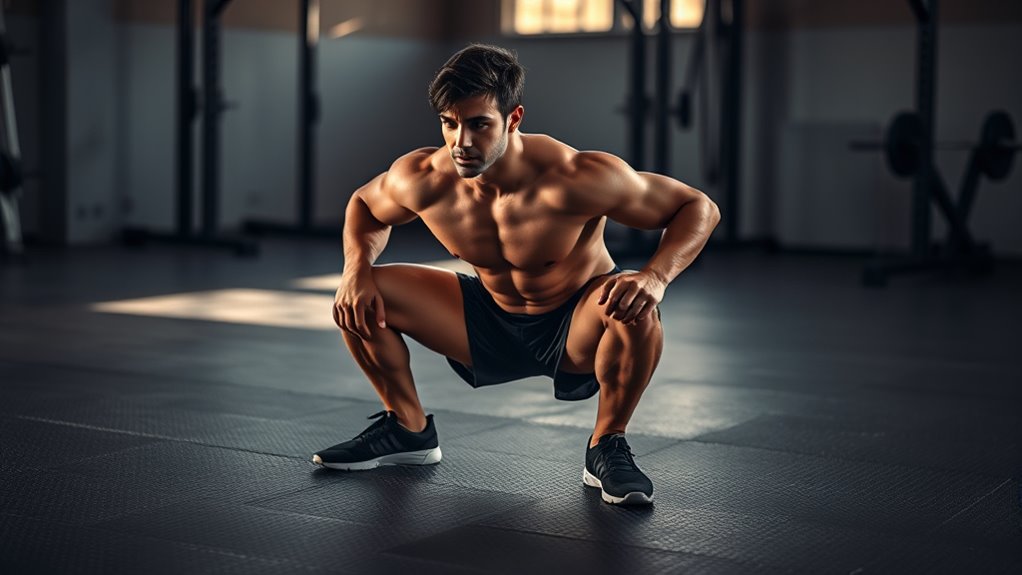
Unilateral exercises help you develop equal strength on both sides of your body, preventing dominant muscles from taking over. They also correct imbalance patterns, ensuring your muscles work together more effectively. By focusing on one limb at a time, you can achieve better overall symmetry and reduce the risk of injury. Incorporating load‑planning tools can help optimize your training for balanced development. Additionally, understanding how Free Floating techniques influence muscle engagement can further enhance your training outcomes. Proper air purifier maintenance ensures that your environment remains free of pollutants, supporting your recovery and performance. Regularly assessing your grocery savings strategies can help you stay on track with your fitness goals by minimizing unnecessary expenses, much like how smart home automation can streamline your routines and improve efficiency.
Equal Strength Development
When you focus on unilateral exercises, you give each limb the opportunity to work independently, which can markedly improve strength imbalances. This targeted approach guarantees that weaker sides get the attention they need, preventing them from lagging behind. As a result, both limbs develop more evenly, reducing discrepancies that often go unnoticed with bilateral training. Unilateral movements force each limb to carry its own load, encouraging better neuromuscular activation and engagement. Over time, this leads to balanced strength development, minimizing asymmetries that can increase injury risk or limit performance. By consistently training each side separately, you promote symmetrical strength gains, which translate into improved overall function and stability. This method ensures neither side is neglected, fostering true, extensive strength equality.
Corrects Imbalance Patterns
Focusing on unilateral exercises directly addresses imbalance patterns by targeting specific weaknesses and asymmetries in your body. When you work one limb at a time, you reveal hidden disparities that bilateral exercises might hide. This process helps you identify and correct uneven strength, stability, and mobility. To maximize benefits, focus on:
- Spotting Weak Points: Unilateral work highlights which side lags, so you can target that limb specifically.
- Building Symmetry: Consistent single-limb training encourages balanced development over time.
- Preventing Compensations: It reduces the chance of your stronger side taking over, promoting better overall coordination.
- Enhancing muscle engagement: Unilateral exercises increase active participation of stabilizing muscles, leading to more comprehensive strength gains. Additionally, incorporating proper form and technique ensures that each limb is effectively targeted and reduces the risk of injury.
As an affiliate, we earn on qualifying purchases.
Identifying Weak Links Through Single-Limb Training

Single-limb training reveals imbalances and weaknesses that might go unnoticed during bilateral exercises. When you perform movements one limb at a time, you can directly observe how each side handles the load. If one side struggles or moves differently, it’s a clear sign of a weak link. These discrepancies often hide during double-limb work because the stronger side compensates for the weaker one. By isolating each limb, you expose asymmetries in strength, stability, and neuromuscular control. This process helps you pinpoint specific areas needing improvement, preventing potential injuries and optimizing performance. Recognizing these weak links allows you to tailor your training to address them directly, ensuring balanced development and reducing the risk of overcompensation during bilateral exercises. Additionally, incorporating airless paint sprayers into projects demonstrates the importance of addressing weak points to achieve a smooth, professional finish. Understanding muscular imbalances can further enhance your ability to correct and strengthen these weak links effectively, as identifying and managing neuromuscular control issues is crucial for balanced movement. Just as selecting the right juice extraction techniques can optimize nutrient intake for overall health, focusing on single-limb work ensures comprehensive strength development. Being aware of maintenance costs associated with equipment like scrubber dryers can help you manage your training gear efficiently and avoid unexpected expenses.
As an affiliate, we earn on qualifying purchases.
Enhancing Stability and Coordination With Unilateral Movements
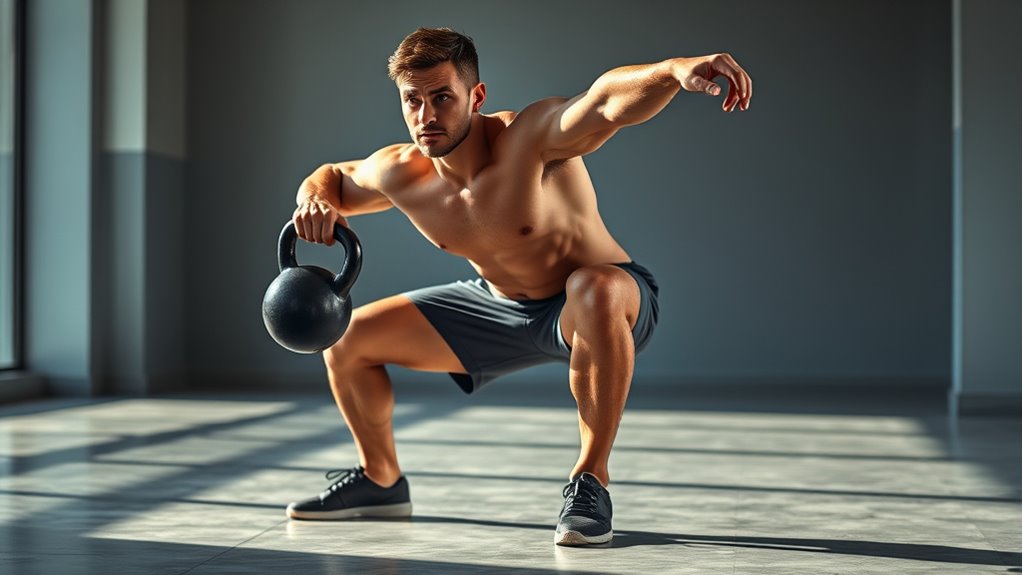
Unilateral movements can considerably boost your balance and control during daily activities and sports. They also help identify and correct asymmetrical weaknesses that might otherwise go unnoticed. Incorporating these exercises enhances your overall stability and coordination, making you more agile and resilient.
Improves Balance and Control
Because unilateral movements require you to stabilize on one leg or arm, they naturally challenge your balance and coordination. This forces your nervous system to adapt, improving your overall control. As you perform single-arm or single-leg exercises, you activate stabilizer muscles that support your joints and enhance proprioception. Here are three ways unilateral training boosts your balance and control: Strengthens stabilizer muscles, reducing the risk of injury. Refines proprioception, helping you sense your body’s position better. Improves movement precision, leading to better coordination during complex activities. Incorporating functional movement patterns into your routine can further enhance these benefits. Additionally, engaging in unilateral exercises can promote more symmetrical strength development, addressing imbalances that may exist. To maximize these improvements, integrating neuromuscular adaptation practices can accelerate your progress and solidify gains.
Targets Asymmetrical Weakness
Targeting asymmetrical weaknesses is essential for developing balanced strength and preventing injuries. When one side is weaker, it can lead to compensations that strain joints and muscles elsewhere. Unilateral exercises directly address these imbalances by forcing each limb to work independently, revealing hidden deficiencies. Incorporating specific movement patterns can further enhance the effectiveness of unilateral training. This targeted approach improves stability and coordination, ensuring both sides develop evenly. To illustrate, consider the following common weaknesses:
| Weak Side | Strong Side |
|---|---|
| Reduced stability | Overcompensation |
| Poor coordination | Imbalanced strength |
| Increased injury risk | Accelerated fatigue |
| Limited functional movement | Unequal load distribution |
Additionally, incorporating simple document management strategies can help you track progress and stay consistent with your training routines. Utilizing training logs can further enhance your ability to monitor improvements and identify persistent imbalances. Recognizing and addressing these imbalances early can prevent long-term injuries, and consistent unilateral work can also boost overall athletic performance by promoting better muscle activation and movement efficiency.
Practical Ways to Incorporate Single-Arm and Single-Leg Exercises
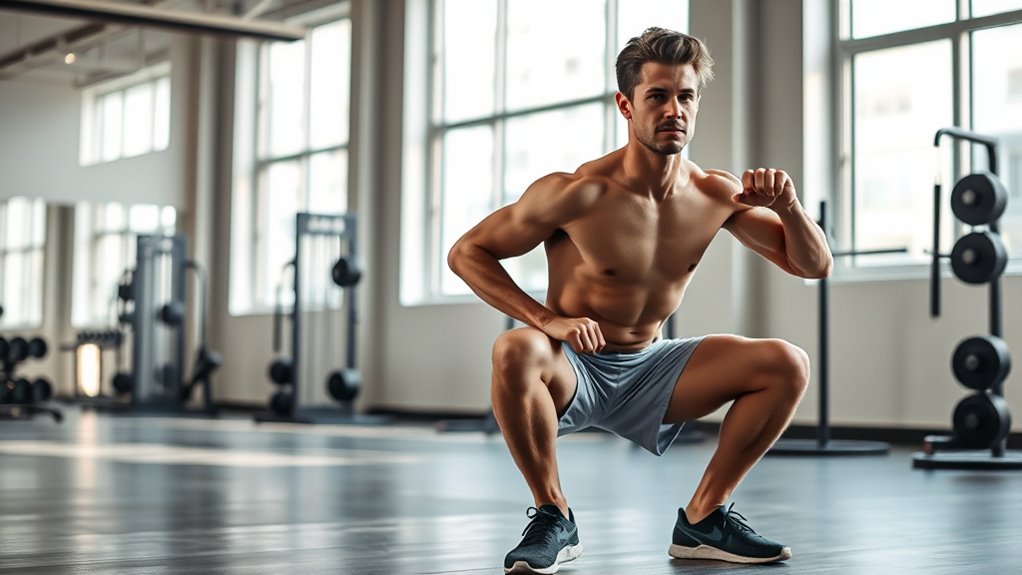
Incorporating single-arm and single-leg exercises into your routine can be simple and highly effective. To get started, consider these practical approaches:
- Add them as warm-ups: Use single-leg or single-arm movements like lunges or presses to activate muscles before your main workout.
- Replace some bilateral lifts: Swap out traditional two-arm or two-leg exercises with unilateral versions to target weaker links.
- Use them for accessory work: Incorporate single-arm rows or Bulgarian split squats to address imbalances and improve stability.
- For added motivation, trying new equipment such as electric bikes can make these workouts more enjoyable and accessible, especially when working on balance and coordination.
- Remember that muscle imbalances can lead to injuries and reduced performance, so emphasizing unilateral training can help correct these issues. Additionally, integrating core stability exercises enhances overall control during unilateral movements.
Common Mistakes to Avoid When Doing Unilateral Work
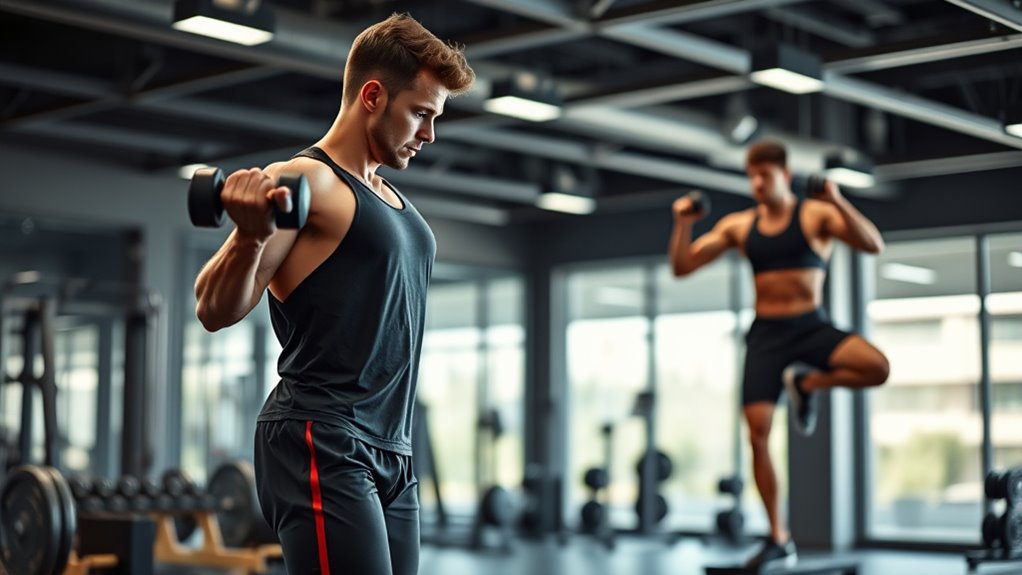
When adding unilateral exercises to your routine, it’s easy to fall into common pitfalls that can hinder progress or cause injury. One mistake is neglecting proper form; rushing through reps or using poor technique risks strain or imbalance. Avoid letting your hips sag or rotate, which can create faulty movement patterns. Another trap is overtraining one side—always work both limbs equally, even if one is weaker. Also, don’t ignore stability; relying solely on momentum or swinging weights reduces effectiveness and increases injury risk. Ultimately, skipping warm-up or stretching can lead to strains. Stay mindful of controlled, deliberate movements, maintain balance, and respect your limits. Correcting these mistakes ensures you build strength safely and effectively, maximizing the benefits of unilateral work.
Frequently Asked Questions
How Often Should I Incorporate Unilateral Exercises Into My Routine?
You should incorporate unilateral exercises into your routine about two to three times a week. This frequency allows you to effectively target and strengthen weak links without overtraining. Focus on performing these exercises with proper form and controlled movements. They’re especially useful for addressing imbalances and improving overall stability. By consistently including unilateral work, you’ll enhance muscle coordination, prevent injuries, and boost your athletic performance over time.
Can Unilateral Training Help Prevent Sports Injuries?
Think of your body as a finely-tuned orchestra; unilateral training acts like a vigilant conductor, ensuring no instrument overpowers the others. By strengthening each limb independently, you build a balanced foundation that reduces the risk of injury during sports. When muscles work harmoniously, you’re less likely to experience strains or imbalances. Incorporate single-arm and single-leg exercises regularly, and you’ll fortify your body’s resilience, keeping you safe and in tune on the field.
Are There Specific Signs Indicating I Need More Unilateral Work?
You should consider adding more unilateral work if you notice muscle imbalances, asymmetrical strength, or if one side feels weaker or less stable during exercises. Persistent joint pain or instability can also be signs. If you find yourself compensating with your stronger side or struggling with balance, incorporating single-arm or single-leg exercises can help correct these issues, improve overall stability, and prevent injury.
How Long Does It Take to See Improvements From Unilateral Training?
Think of your progress like a garden—improvements take time to bloom. You can start seeing results from unilateral training in about 3 to 6 weeks, depending on your consistency and effort. You’ll notice better balance, strength, and coordination as your weak links catch up. Keep at it steadily, and you’ll see those subtle yet powerful changes, much like a garden blossoming into full health with patience.
Is Unilateral Training Suitable for Beginners or Only Advanced Athletes?
Unilateral training is suitable for both beginners and advanced athletes. As a beginner, it helps you develop balanced strength, improve stability, and correct asymmetries early on. Advanced athletes benefit from it to target weak links and enhance movement efficiency. You should start with proper form and lighter loads, gradually increasing intensity. Incorporating unilateral exercises into your routine guarantees you build a solid foundation, reducing injury risk and boosting overall performance.
Conclusion
By adding single-arm and single-leg exercises to your routine, you’re not just fixing weak links—you’re transforming your entire body into a powerhouse of balance and strength. Ignore these moves, and you risk turning into a wobbly, lopsided mess that can’t even open a jar without wobbling. Embrace unilateral training, and watch your muscles harmonize like a well-oiled machine—unstoppable, balanced, and ready to conquer anything that comes your way!
Columbus Day / Indigenous Peoples' Day Picks
long weekend sales
As an affiliate, we earn on qualifying purchases.