
Relying solely on step counts gives an incomplete view of your progress since it ignores activity intensity and quality. To improve, track your heart rate, especially in different zones, for more accurate effort measurement. Incorporate GPS data for distance and route insights, and set clear, specific goals beyond just steps. Using wearable devices that combine multiple metrics helps you get a fuller picture of your fitness journey—stay tuned to discover more effective methods.
Key Takeaways
- Use heart rate monitors and activity-specific devices for more accurate fitness tracking beyond step counts.
- Monitor heart rate zones to optimize workout intensity and achieve specific fitness goals effectively.
- Track workout duration, effort, and real-time data to adjust training and prevent overtraining or undertraining.
- Incorporate GPS data to measure distance, pace, and route efficiency, enhancing overall activity assessment.
- Utilize wearable technology to collect holistic health data, set meaningful goals, and monitor progress comprehensively.
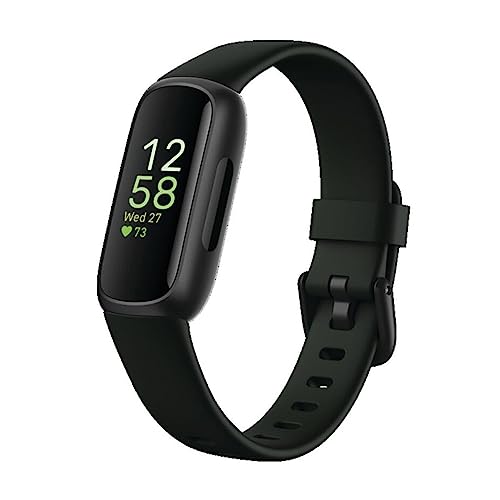
Fitbit Inspire 3 Health & Fitness Tracker with Stress Management, Workout Intensity, Sleep Tracking, 24/7 Heart Rate – 3-Month Google Health Premium Membership Included – Midnight Zen/Black
Inspire 3 is the tracker that helps you find your energy, do what you love and feel your…
As an affiliate, we earn on qualifying purchases.
As an affiliate, we earn on qualifying purchases.
Understanding the Limitations of Step Tracking

While step counters can be useful tools, they have significant limitations that you should be aware of. They primarily measure steps taken, but don’t account for the intensity or quality of your activity. For example, walking slowly or on uneven terrain might register the same as a brisk walk, even if your effort differs greatly. Step counters also struggle with accurately tracking activities like cycling, swimming, or weightlifting, which don’t involve steps. Additionally, they can sometimes double-count steps or miss steps if they’re poorly calibrated or if you move your arms without walking. Relying solely on step counts can give you an incomplete picture of your overall fitness progress. To truly understand your activity levels, you need more comprehensive tracking methods, such as heart rate monitors or activity-specific devices, which provide more accurate data on your exertion and energy expenditure. Incorporating heart rate variability data can further enhance your understanding of your fitness and recovery status, helping you optimize your training. Using wearable technology that combines multiple sensors can provide a more holistic view of your physical activity and health. Utilizing activity-specific data can help tailor your fitness plan more effectively.

Garmin Forerunner 55, GPS Running Watch with Daily Suggested Workouts, Up to 2 Weeks of Battery Life, Black – 010-02562-00
Easy-to-use running watch monitors heart rate (this is not a medical device) at the wrist and uses GPS…
As an affiliate, we earn on qualifying purchases.
As an affiliate, we earn on qualifying purchases.
Monitoring Heart Rate for Better Fitness Insights
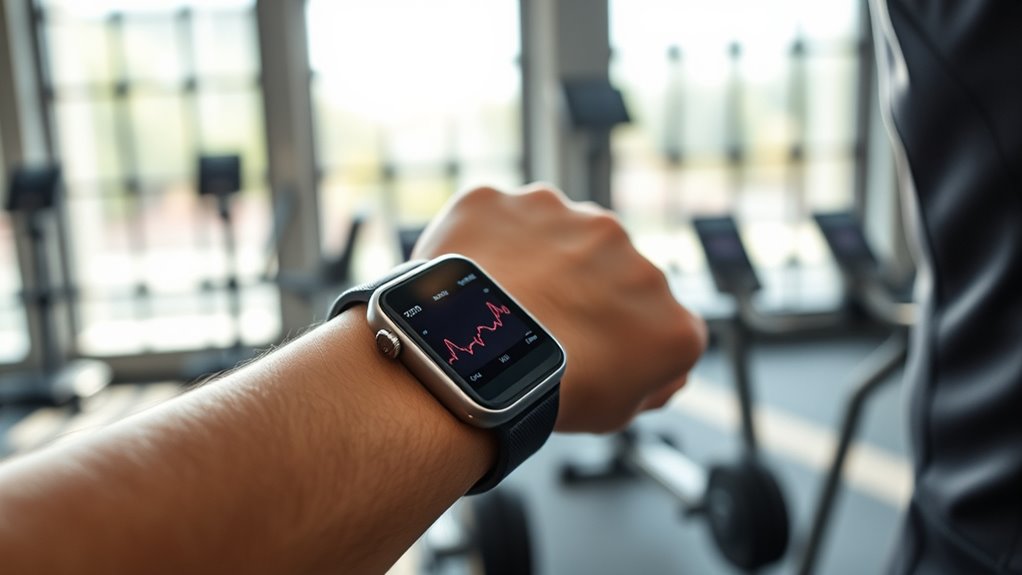
Monitoring your heart rate helps you understand how hard you’re working and optimize your workouts. By tracking heart rate zones, you can target specific fitness goals more effectively. Real-time monitoring keeps you informed, so you can adjust intensity on the fly and get better results. Additionally, choosing the right portable power source, such as an inverter generator, ensures your devices stay operational during workouts or emergencies.
Heart Rate Zones
Understanding your heart rate zones is essential for optimizing your workouts and tracking progress effectively. By targeting specific zones, you can improve endurance, burn fat, or boost intensity. Here’s a quick breakdown:
| Heart Rate Zone | Intensity Level |
|---|---|
| Resting | Very light, recovery |
| Fat Burn | Moderate effort |
| Cardio | High effort, improves stamina |
| Peak | Maximum effort, short bursts |
| Anaerobic | Very high, building strength |
Monitoring these zones helps you tailor workouts to meet your goals. For example, staying in the fat burn zone maximizes fat loss, while hitting peak zones enhances speed and power. Knowing your heart rate zones makes certain you train efficiently and avoid overexertion. Tracking heart rate zones allows for more precise adjustments to your training intensity. Additionally, understanding your specific fitness goals can help determine which zones to focus on during your workouts. Incorporating heart rate monitoring technology can further enhance your ability to stay within desired zones and optimize training effectiveness. Developing an awareness of heart rate variability can also provide deeper insights into your overall cardiovascular health and recovery status. Moreover, maintaining proper training balance across different zones prevents burnout and promotes sustainable progress.
Real-Time Monitoring
Have you ever wished you could see how your heart rate changes during a workout in real time? Real-time monitoring makes that possible. By wearing a heart rate monitor or fitness tracker with live feedback, you gain instant insights into your effort level. This immediate data lets you adjust intensity on the spot, ensuring you stay within your target zones. This also helps prevent overexertion and optimizes your workout for better results. With real-time updates, you can identify patterns, like how your heart responds to different exercises or rest periods. Continuous feedback, especially when paired with body awareness, keeps you engaged and aware of your body’s response. Ultimately, monitoring your heart rate in real time empowers you to make smarter decisions during your workout, improving effectiveness and safety. Real-time feedback

WHOOP Peak – 12 Month Membership -24/7 Activity and Sleep Tracker, Personalized Coaching, Menstrual Cycle Insights – 14+ Days Battery Life
What You Get – A 12-month membership, WHOOP 5.0 device, a SuperKnit band, and a waterproof* Wireless PowerPack….
As an affiliate, we earn on qualifying purchases.
As an affiliate, we earn on qualifying purchases.
Tracking Workout Duration and Intensity
Tracking how long you exercise helps you stay on top of your goals, so make sure to monitor your session length consistently. Evaluating the intensity of your workouts reveals whether you’re pushing yourself enough or need to increase effort. By paying attention to both, you can optimize your training and see better progress over time. Incorporating smart kitchen appliances can further enhance your routine by automating some aspects of your fitness tracking and meal preparation. Additionally, understanding the importance of personalized fitness plans can help tailor your activities to your specific needs and abilities. Recognizing the value of consistent measurement ensures you maintain an accurate picture of your progress and stay motivated to improve. Regularly utilizing fitness tracking devices can provide more precise data and help you make informed adjustments to your routine.
Monitoring Session Length
Monitoring the length of your workout sessions is essential for managing both duration and intensity effectively. Knowing how long you exercise helps you stay within your goals and prevents overtraining or undertraining. To optimize your sessions, consider tracking:
- Exact start and end times for each workout
- Total duration in minutes or hours
- Break periods within your workout
- Consistency in session length over time
- How session length relates to your progress goals
Using timers or fitness apps can make this easy and accurate. Additionally, paying attention to session length management can help you better balance your workout schedule, ensure adequate recovery, and maintain steady progress toward your fitness targets. Regularly reviewing your session durations may also highlight the need for adjustments based on your training intensity, ensuring you optimize both effort and recovery. Understanding training volume as part of your overall approach can provide further insights into your progress and help prevent burnout. For example, tracking coaching experience and how it influences your workout routines can give you a more comprehensive view of your development. Recognizing the impact of workout consistency can further enhance your ability to meet your fitness objectives. Remember, monitoring session length isn’t just about time; it’s about managing your effort and recovery effectively.
2. Assessing Exercise Intensity
Evaluating exercise intensity is crucial for guaranteeing your workouts are effective and aligned with your fitness goals. One way to do this is by monitoring how hard you’re working during each session. You can use the Rate of Perceived Exertion (RPE) scale, which asks you to rate your effort from 1 to 10, or track your heart rate. A target heart rate zone helps determine if you’re exercising at a moderate or vigorous level. For example, during cardio, aim for 50-85% of your maximum heart rate. Listening to your body is key—if you feel breathless but can still speak, you’re likely in the right zone. Regularly monitoring your body’s response during exercise helps optimize training effectiveness and safety. Incorporating exercise intensity monitoring techniques can further enhance your progress. Consistently evaluating activity intensity ensures you challenge yourself without overdoing it. Being mindful of your perceived effort can help you stay in tune with your body’s signals and prevent overtraining.

COROS Heart Rate Monitor, Comfort, Easy to wear, Auto-wear Detection, Advanced Sensor, Precise Data, Bluetooth, 38 Hours Battery Life, Connects up to 3 Devices at Once, for Run and Bike-Grey
COROS Heart Rate Monitor armband is designed for measuring heart rate during sports and activities. It is not…
As an affiliate, we earn on qualifying purchases.
As an affiliate, we earn on qualifying purchases.
Utilizing Heart Rate Zones to Optimize Exercise
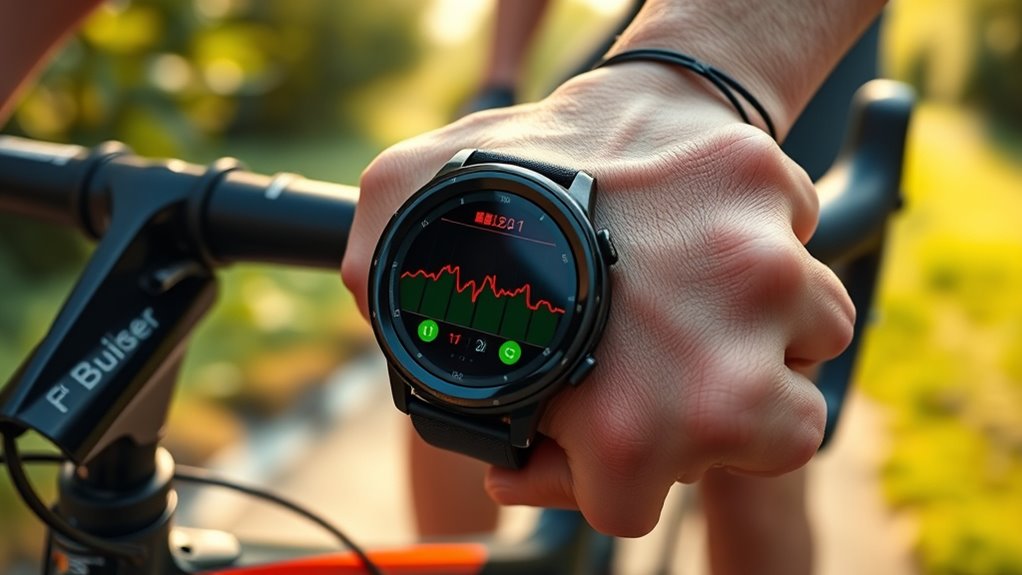
Understanding your heart rate zones can dramatically improve the effectiveness of your workouts. By targeting specific zones, you ensure you’re training at the right intensity for your goals. For example, staying in the fat-burning zone can boost endurance, while pushing into higher zones increases speed and strength. To optimize your efforts, consider these key points:
- Use a heart rate monitor to track your zones accurately
- Warm up and cool down in lower zones for recovery
- Push into higher zones intermittently for interval training
- Maintain proper hydration and nutrition to support intensity
- Adjust your workouts based on how your heart responds over time
Focusing on heart rate zones helps you avoid overtraining and ensures each session is purpose-driven. It’s a precise way to measure effort, improve results, and stay safe during exercise.
Incorporating GPS Data for Distance and Route Analysis
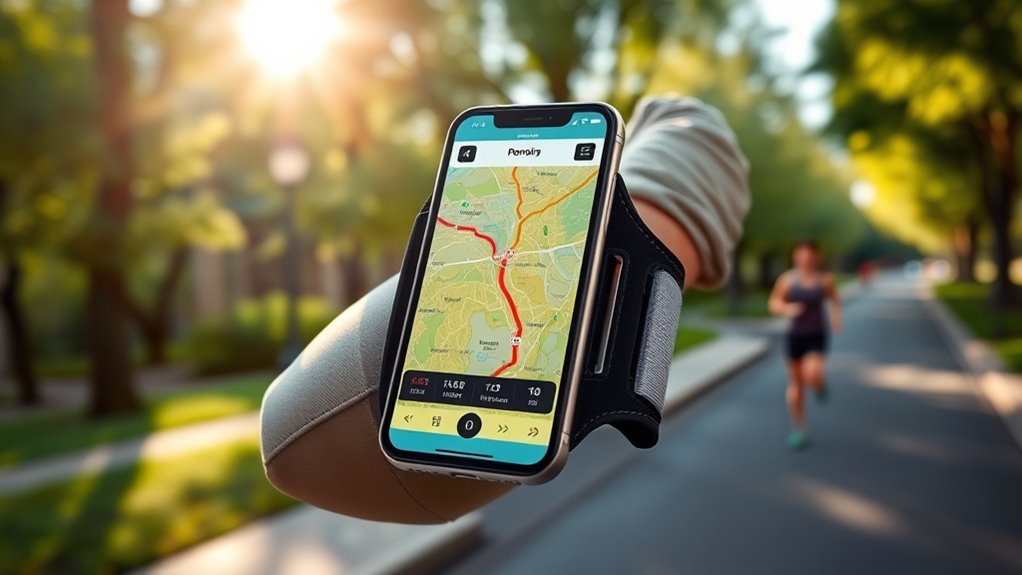
Incorporating GPS data into your workout routine allows you to accurately measure the distance traveled and analyze your routes in real-time. With GPS-enabled devices, you can see exactly where you’ve been, helping you identify the most efficient or scenic paths. This data lets you set new challenges, like increasing your distance or exploring different neighborhoods, with confidence. It also helps you track progress over time, revealing improvements in speed or endurance. Additionally, GPS data can highlight areas where your route might be less efficient or safe, guiding you to make smarter choices. By integrating this technology, you gain a clearer picture of your workouts beyond simple step counts, making your progress more measurable and motivating.
Setting Specific Goals Beyond Step Counts
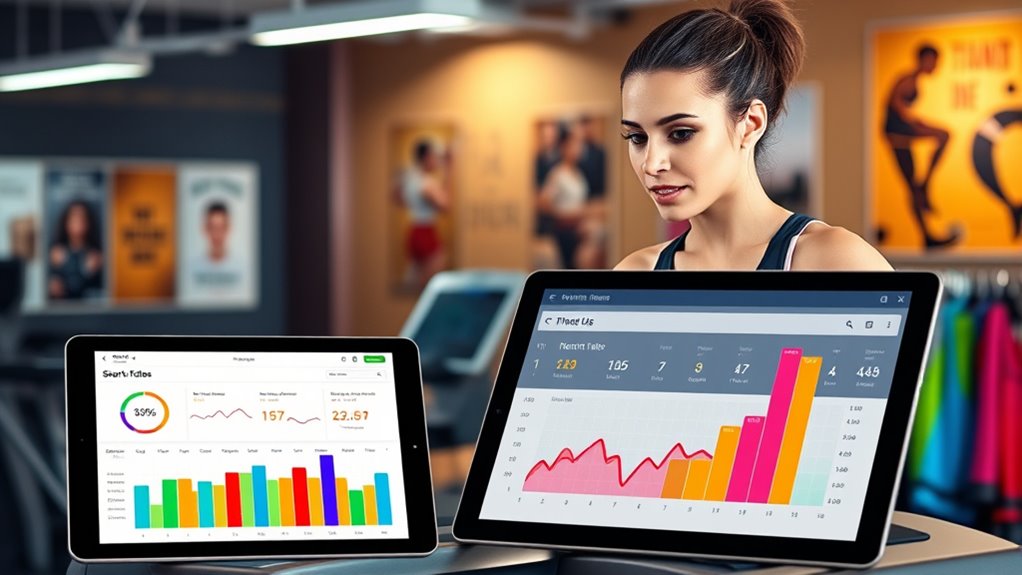
While tracking steps and routes provides valuable insights, setting specific goals can take your progress to the next level. Instead of just counting steps, focus on clear objectives that motivate you. For example, aim to:
- Increase weekly activity duration
- Achieve a certain distance each day
- Improve your pace or speed
- Complete a set number of workouts annually
- Reach a target weight or fitness milestone
These goals give you direction and purpose, making your efforts more meaningful. They also help you measure progress more accurately and stay motivated over time. By defining concrete objectives, you shift from vague targets to actionable steps, ensuring your efforts lead to tangible results and lasting habits.
Using Wearable Technology for Comprehensive Data Collection
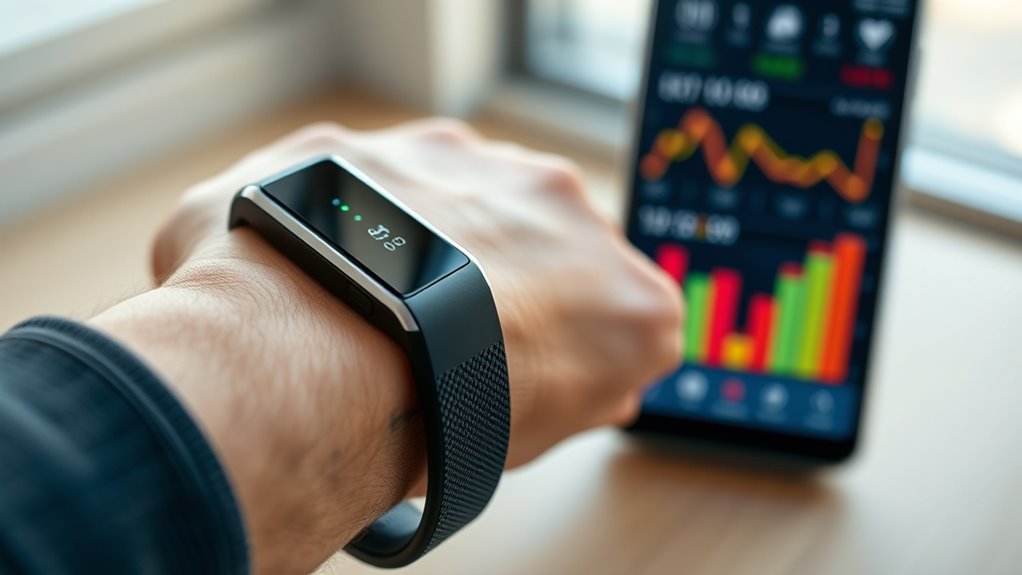
Wearable technology has revolutionized the way you collect and analyze fitness data by providing real-time insights into your activity levels. These devices track not just steps but also metrics like heart rate, sleep quality, calories burned, and even stress levels. With continuous monitoring, you gain a detailed view of your overall health, helping you identify patterns and make informed adjustments. Many wearables sync with apps, allowing you to view trends over days, weeks, or months. This extensive data collection enables you to set more meaningful goals and understand how different activities impact your progress. By offering a holistic picture, wearable tech moves you beyond simple step counts, empowering you to take control of your health with precision and clarity.
Combining Multiple Metrics for a Complete Progress Picture
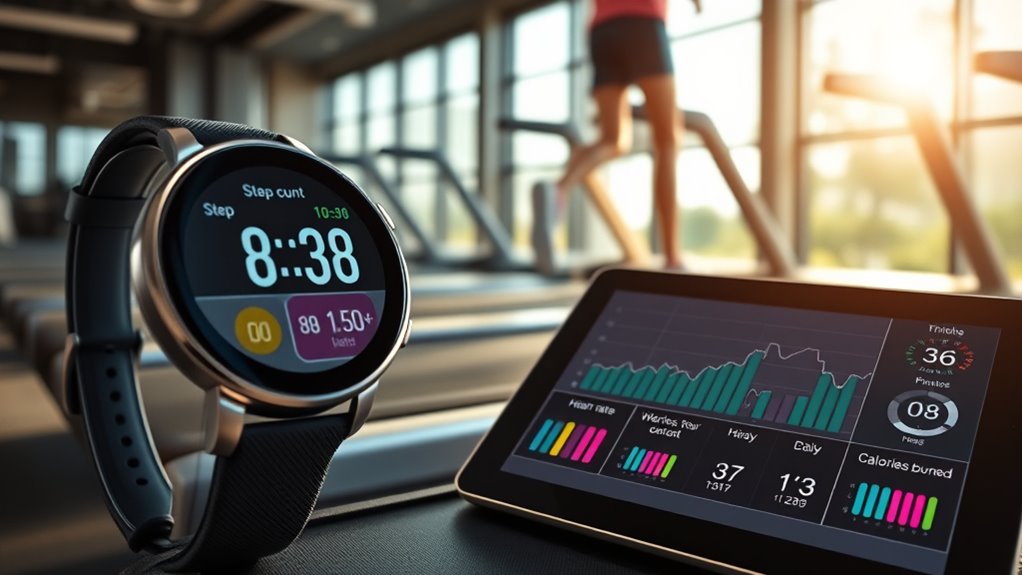
To truly understand your progress, it’s essential to combine multiple metrics rather than relying on steps alone. Relying solely on step counts misses key insights about your overall health. By tracking various data points, you get a clearer picture of your fitness journey. Consider including:
- Heart rate variability for stress and recovery levels
- Sleep quality and duration for rest assessment
- Calorie intake versus expenditure for energy balance
- Strength measurements to track muscle gains
- Mood and energy levels to gauge mental health
Integrating these metrics helps you identify patterns and adjust your routines effectively. It’s about creating a holistic view of your progress, not just counting steps. This approach guarantees you’re focusing on meaningful improvements, making your fitness efforts smarter and more sustainable.
Frequently Asked Questions
How Can I Track My Sleep Quality Alongside Physical Activity?
You can track your sleep quality alongside physical activity by using a wearable device or a sleep-tracking app. These tools monitor your sleep cycles, duration, and disturbances, giving you detailed insights. Sync your device with fitness apps to see how your activity levels influence your sleep. Regularly reviewing this data helps you identify patterns, so you can make adjustments for better rest and overall health.
What Are the Best Apps for Integrating Various Fitness Metrics?
If you’re seeking a seamless way to blend your fitness metrics, consider apps like Fitbit, MyFitnessPal, or Garmin Connect. These platforms cleverly gather data from various devices, giving you a well-rounded view of your progress. They sync effortlessly, making it easy to monitor sleep, activity, and nutrition all in one place. Immerse yourself in these apps, and you’ll find tracking your journey becomes more intuitive and motivating, guiding you toward your goals.
How Does Hydration Level Impact My Workout Progress?
Hydration level directly impacts your workout progress by affecting energy, endurance, and recovery. When you’re properly hydrated, your muscles work more efficiently, and fatigue sets in later. Dehydration can lead to decreased performance, cramping, and longer recovery times. To optimize your workouts, monitor your water intake and pay attention to signs of thirst or dark urine. Staying well-hydrated guarantees you perform better and see more consistent progress.
Can Wearable Devices Accurately Measure Mental Health Indicators?
Did you know 85% of wearable users believe their devices effectively monitor health? Wearable devices can track some mental health indicators, like sleep patterns, heart rate variability, and activity levels, which correlate with stress and mood. However, they can’t directly diagnose or fully capture mental health states. You should view these tools as supplementary, helping you recognize patterns but not replacing professional assessments for mental health.
What Role Does Nutrition Play in Overall Fitness Tracking?
Nutrition plays a vital role in your overall fitness tracking because what you eat directly impacts your energy levels, recovery, and progress. By monitoring your diet, you can identify patterns that support or hinder your goals. Incorporate balanced meals, track your intake, and adjust as needed. Good nutrition complements your workouts, enhances performance, and helps you stay consistent, making it an essential part of thorough fitness tracking.
Conclusion
Remember, relying solely on step counts is like watching a movie with just one scene—you miss the full story. By combining heart rate, workout intensity, GPS data, and personalized goals, you can truly see your progress unfold. Think of it as tuning into a symphony rather than a single note—each metric adds depth and clarity. Embrace these better methods, and you’ll gain a richer, more accurate picture of your fitness journey.