For a quick boost 30 minutes before exercise, opt for easily digestible snacks like a banana with honey or low-fat yogurt with berries, which provide quick carbs and minimal fat for energy without stomach discomfort. If you have two hours, focus on balanced meals with complex carbs, lean protein, and healthy fats, such as grilled chicken with quinoa or a turkey sandwich. For more strategies to fuel your workout effectively, keep exploring these tips.

Get workout gear delivered free with Prime
- Fast, free delivery on millions of items
- Prime Video, Amazon Music and more included
- Member-only deals all year
Key Takeaways
- For 30-minute pre-workout, choose easily digestible carbs like bananas, toast with nut butter, or yogurt with berries.
- Avoid heavy, greasy foods before exercise to prevent sluggishness and stomach discomfort.
- Two hours prior, opt for balanced meals with complex carbs, lean protein, and healthy fats for sustained energy.
- Proper timing and portion control enhance digestion and optimize workout performance.
- Incorporate nutrient-dense foods and traditional practices to support focus, energy, and recovery during exercise.
As an affiliate, we earn on qualifying purchases.
Optimal Pre-Workout Snacks for a 30-Minute Window
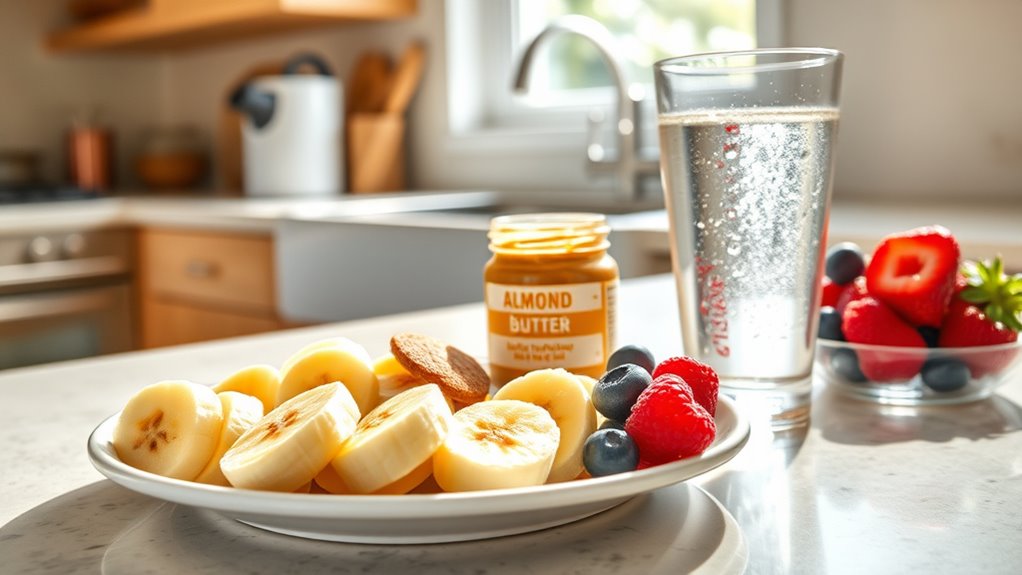
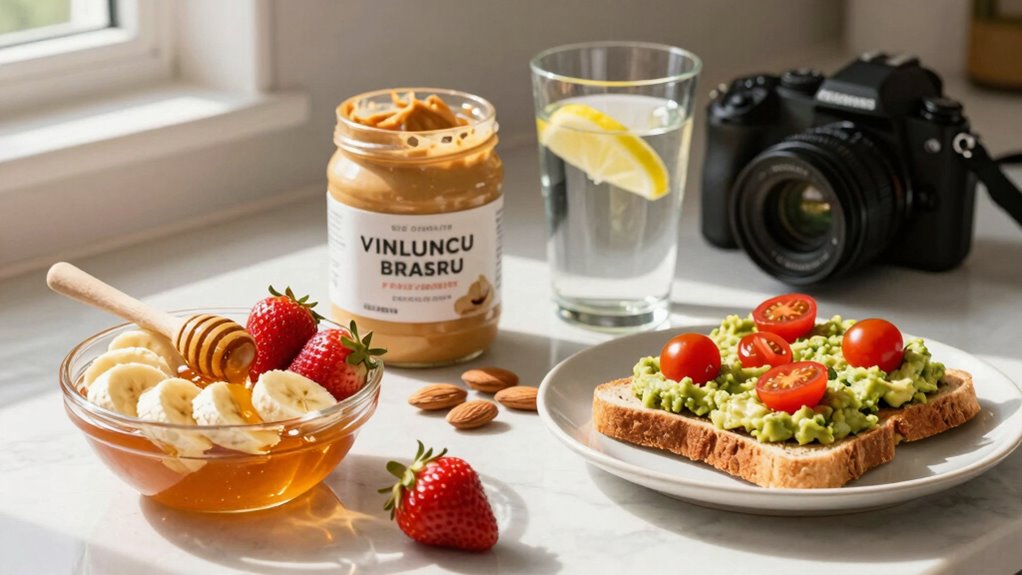
If you have only 30 minutes before your workout, choosing the right snack can make a significant difference in your performance. You want something easily digestible that provides quick energy without causing discomfort. A small banana with a spoonful of honey works well; bananas offer natural carbs and potassium, while honey provides a quick sugar boost. Alternatively, a slice of whole-grain toast with almond butter delivers carbs and healthy fats for sustained energy. You could also opt for a low-fat yogurt paired with berries, which supplies a mix of simple sugars and antioxidants. Keep portions moderate—too much food might lead to sluggishness or stomach upset. The goal is to fuel your workout efficiently while avoiding anything heavy or greasy. Incorporating traditional healing practices can also help optimize your physical readiness and mental focus before exercise.
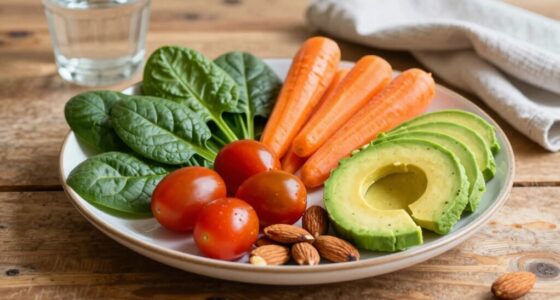
healthy pre-workout meal options
As an affiliate, we earn on qualifying purchases.
As an affiliate, we earn on qualifying purchases.
Best Meal Options When You Have Two Hours Before Exercise
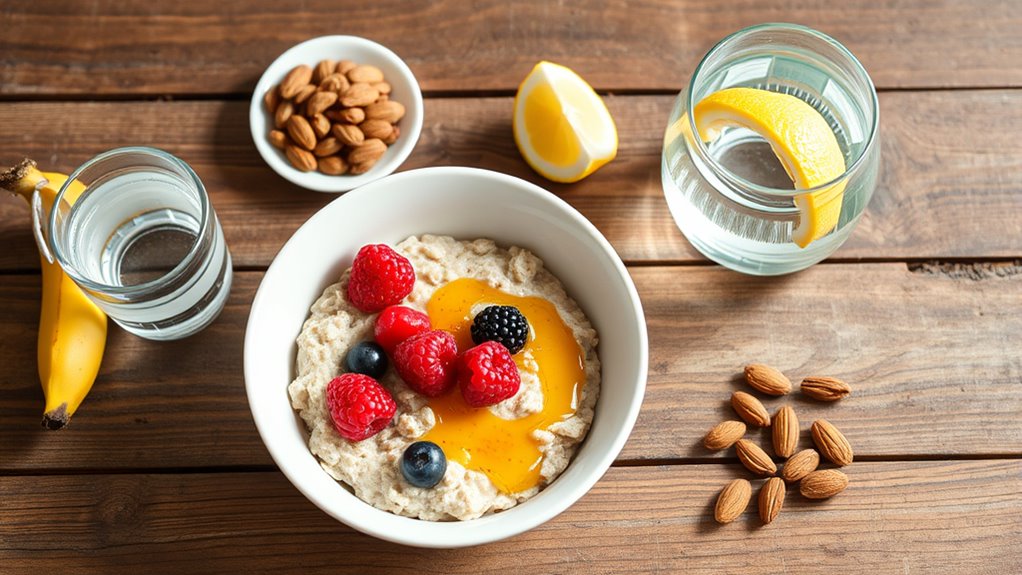
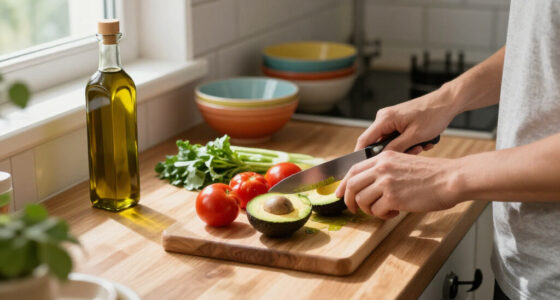
When you have two hours before your workout, you can focus on balanced meals that fuel your body without causing discomfort. Aim for a combination of complex carbs, lean protein, and healthy fats. For example, enjoy a grilled chicken breast with quinoa and roasted vegetables, or a turkey and avocado sandwich on whole-grain bread. These meals provide sustained energy and help keep you full without feeling sluggish. Incorporate fruits or a small side of yogurt for added carbs and hydration. Avoid heavy, greasy foods that may cause stomach upset. Discover Home Decor Inspiration and Interior Design Tips By choosing nutrient-dense, well-balanced options, you’ll optimize your performance and recovery. Planning ahead guarantees you have enough time for digestion while maintaining steady energy levels during your workout. Using proper meal timing can further enhance your exercise readiness and comfort, especially considering how contrast ratio affects overall energy perception during physical activity. Additionally, selecting foods with appropriate glycemic index can help regulate blood sugar levels and sustain energy during your workout. Consuming meals with a balanced macronutrient composition can also support optimal energy availability and endurance during your exercise session.
easy digestible snacks for exercise
As an affiliate, we earn on qualifying purchases.
As an affiliate, we earn on qualifying purchases.
Frequently Asked Questions
Can I Train on an Empty Stomach?
You can train on an empty stomach, but it depends on your body and workout intensity. If you feel energized and don’t experience dizziness or fatigue, it’s fine to go without eating first. However, for longer or more intense sessions, having a light snack can boost your performance and prevent hunger. Listen to your body, stay hydrated, and adjust based on how you feel during your workout.
Are Protein Shakes Suitable as Pre-Workout Meals?
Protein shakes are suitable as pre-workout meals because they provide quick, easily digestible protein to fuel your muscles. While they offer fast energy, they lack carbs for sustained stamina. If you’re aiming for a balanced boost, add a banana or oats for carbs. Just make certain you consume it about 30-60 minutes before your workout, so your body has enough time to process the nutrients and maximize your performance.
How Much Water Should I Drink Before Exercising?
You should aim to drink about 16 to 20 ounces of water 2 to 3 hours before exercise, then sip another 8 ounces about 30 minutes prior. This guarantees you’re well-hydrated without feeling bloated. If you’re exercising intensely or in hot weather, increase your intake slightly. Listen to your body—if you feel thirsty, drink more, but avoid gulping right before starting to prevent discomfort.
Should I Avoid Fats Before a Workout?
Think of fats as slow-burning fuel, like a steady drip of oil in your engine. You don’t need to avoid them entirely before a workout, but too much can weigh you down, like carrying a backpack full of stones. Opt for small amounts of healthy fats if you need them, and focus on carbs and protein to keep your energy soaring without feeling sluggish. Balance is key to staying agile and ready.
Are There Specific Foods to Prevent Stomach Discomfort?
Yes, you should choose easily digestible foods like bananas, oatmeal, or plain yogurt to prevent stomach discomfort. Avoid greasy, spicy, or high-fiber foods that can cause bloating or cramps. Eating small portions and sticking to simple carbs and moderate protein helps your stomach stay settled. Stay hydrated with water or an electrolyte drink, and listen to your body to identify what works best for you before exercise.
protein and carb snacks for workout
As an affiliate, we earn on qualifying purchases.
As an affiliate, we earn on qualifying purchases.
Conclusion
Whether you have 30 minutes or two hours before your workout, choosing the right food fuels your performance. Imagine a quick banana and yogurt ready in moments, versus a hearty, balanced meal prepared hours earlier. Both set the stage for a successful session—just tailored to your timing. With the right pre-workout snack or meal, you’ll feel energized and ready to conquer your workout, no matter how much time you have.
Halloween Picks
halloween
As an affiliate, we earn on qualifying purchases.