

To improve your cardio without burning out, focus on a steady progression by gradually increasing your workout duration and intensity. Incorporate both steady state sessions and interval training, starting with short bursts and longer easy efforts. Balance challenging days with rest and recovery to prevent fatigue and injury. Consistently build your endurance and capacity over time with controlled increases. If you keep these principles in mind, you’ll see sustainable progress—continue exploring for more tips to optimize your routine.
Key Takeaways
- Gradually increase workout duration and intensity to allow safe cardiovascular adaptation.
- Incorporate interval training with controlled high-intensity bursts and recovery periods.
- Balance cardio sessions with steady state efforts to build endurance without overload.
- Prioritize consistency and proper rest to prevent burnout and support progress.
- Monitor workload and recovery to ensure sustainable improvements over time.

If you want to see real improvements in your cardiovascular fitness, progressing your cardio routine gradually is essential. Jumping into intense workouts or making big jumps in intensity can lead to burnout or injury, which stalls your progress. Instead, a simple, steady progression keeps you moving forward without overwhelming your body. One effective method is to alternate between interval training and steady state cardio, gradually increasing the duration and intensity of each over time.
Gradually increase your cardio intensity and duration to improve endurance safely and avoid burnout.
Interval training involves alternating between high-intensity bursts and lower-intensity recovery periods. It’s a powerful way to boost your cardiovascular capacity quickly, but if you push too hard too soon, you risk fatigue. To avoid this, start with brief intervals—say, 30 seconds of sprinting followed by a minute of walking—and slowly extend the sprint duration or increase the number of repetitions over several weeks. As your endurance improves, you can make these bursts more challenging or longer, but always listen to your body to prevent overexertion.
Steady state cardio, on the other hand, involves maintaining a consistent, moderate intensity for a longer period. This type of training helps build a solid aerobic base and enhances endurance. To incorporate it into your progression, begin with manageable sessions—perhaps 20 minutes at a comfortable pace—and gradually add five-minute increments as your stamina improves. The key is to keep the effort sustainable, so you’re able to maintain good form and breathe comfortably. Additionally, gradual increase in workload ensures your body adapts safely and effectively. Incorporating appropriate training intensities is crucial for preventing setbacks and ensuring your progress is sustainable. Remember, training consistency is just as important as the intensity, so maintaining a regular schedule helps your body adapt steadily over time.
Balancing interval training and steady state cardio creates a well-rounded routine that promotes continuous improvement without overwhelming your system. For example, you might do interval sessions twice a week, focusing on short, intense efforts, and include steady state cardio on other days to build endurance. As your fitness level increases, both the intensity and duration of these workouts should increase gradually. This approach not only prevents burnout but also ensures consistent progress, as your body adapts steadily to the increasing demands. Incorporating progressive overload into your routine helps you steadily increase your capacity without risking injury or fatigue. Furthermore, paying attention to recovery and rest allows your body to properly adapt and prevents overtraining.
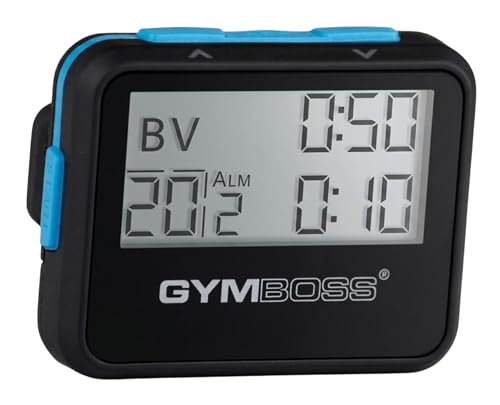
Gymboss Interval Timer and Stopwatch – Black/Blue SOFTCOAT
- Compact Interval Timer: Times 1 or 2 intervals from 2 sec to 99 min
- Includes Stopwatch and Clock: Built-in stopwatch and clock features with belt clip
- Auto Repeat Mode: Repeats intervals up to 99 times with notifications
As an affiliate, we earn on qualifying purchases.
As an affiliate, we earn on qualifying purchases.
Frequently Asked Questions
How Often Should I Increase My Cardio Intensity?
You should increase your cardio intensity about every 1 to 2 weeks, depending on how your body responds. Monitor your heart rate to guarantee you’re challenging yourself without overdoing it. Gradually extend your workout duration before boosting intensity, allowing your body to adapt. Listening to your body is key—if you feel overly fatigued, slow down and give yourself time to recover before upping the intensity again.
Can I Combine Different Cardio Types in This Progression?
Yes, you can definitely combine different cardio types in this progression. Incorporate interval training to boost intensity and cross training to prevent boredom and reduce injury risk. Switching between running, cycling, swimming, or rowing keeps your workouts fresh and challenges different muscle groups. Just make sure you balance these activities appropriately, listening to your body, and gradually increase each type’s intensity to avoid overtraining and maximize your fitness gains.
What’s the Best Way to Track My Cardio Progress?
To track your cardio progress effectively, use a fitness app or a journal to log your workouts, noting duration, intensity, and how you feel. Combine this with nutrition tips like proper hydration and balanced meals to support your efforts. Invest in equipment recommendations such as a reliable heart rate monitor or smartwatch. Regularly review your logs to spot improvements and identify areas needing adjustment, keeping your progress steady and sustainable.
How Do I Prevent Plateauing With This Approach?
To prevent plateauing, you should mix up your workouts regularly, increasing intensity or duration gradually. Incorporate nutrition tips like fueling properly and staying hydrated to support progress. Focus on building mental resilience by setting new goals and celebrating small wins. Listening to your body helps avoid overtraining, and varying your routine keeps your muscles challenged, ensuring continuous improvement without burnout.
Is This Progression Suitable for Beginners?
They say “Rome wasn’t built in a day,” and that’s true for beginners’ concerns with progress adaptation. This progression is suitable for beginners because it’s gradual and adaptable, allowing you to build stamina without feeling overwhelmed. You’ll find that as you stick with it, your fitness improves steadily, reducing the risk of burnout. Just listen to your body, and remember, consistent effort beats rushing every time.

Recumbent Exercise Bike for Home, Recumbent Stationary Bikes for Seniors
- Ergonomic Seat and Backrest: Adjustable padded seat with ergonomic backrest
- Supports Up to 400 lbs: Heavy-duty steel construction for durability
- Quiet Magnetic Resistance System: Smooth, whisper-quiet operation
As an affiliate, we earn on qualifying purchases.
As an affiliate, we earn on qualifying purchases.
Conclusion
Think of your cardio journey as climbing a gentle hill—each step upward builds strength without exhausting you. By gradually increasing your effort, you’re planting seeds of endurance that bloom over time, transforming your body into a well-tended garden. Stick with this steady progression, and you’ll find your stamina blossoming smoothly, like a sunrise breaking over a calm horizon. Keep moving forward, and watch your fitness flourish without the storm of burnout.

Polar H10 Heart Rate Monitor Chest Strap – ANT + Bluetooth, Waterproof HR Sensor for Men and Women, Black, M-XXL
- Compatibility: Works with all HRM-compatible devices
- Accuracy: Highly accurate heart rate measurement
- Connectivity: Bluetooth, ANT+, and 5 kHz support
As an affiliate, we earn on qualifying purchases.
As an affiliate, we earn on qualifying purchases.

The Trail Runner's Companion: A Step-by-Step Guide to Trail Running and Racing, from 5Ks to Ultras
As an affiliate, we earn on qualifying purchases.
As an affiliate, we earn on qualifying purchases.