
You can maximize interval training benefits without suffering by balancing high-effort bursts with proper recovery and listening to your body’s signals. Start with shorter, moderate-intensity intervals and gradually increase as you build endurance. Monitor your effort using tools like heart rate zones and make sure you take enough rest to prevent overtraining. Staying consistent and varying your workouts will keep you challenged without burnout. Keep going, and you’ll discover how to make every workout both effective and enjoyable.
Key Takeaways
- Start with moderate-intensity intervals and gradually increase difficulty to prevent overwhelm and promote sustainable progress.
- Listen to your body to adjust intensity and recovery, avoiding overtraining and injury.
- Incorporate adequate recovery periods and low-intensity workouts to balance effort and prevent burnout.
- Set clear goals and tailor intervals to match them, ensuring workouts remain challenging yet manageable.
- Vary training intensities and durations to prevent plateaus and keep workouts engaging without excessive suffering.

Intervals are a powerful tool to boost your training efficiency and achieve better results, but only if you use them wisely. When you incorporate interval training into your routine, you tap into a method that can accelerate your progress, build endurance, and improve overall performance. The key lies in understanding the interval benefits and how to balance intensity with recovery, so your workouts remain effective without becoming overwhelming or discouraging. The importance of listening to your body cannot be overstated, as it guides you in adjusting intensity and recovery to prevent overtraining. If you push too hard or do too many high-intensity intervals without proper recovery, you risk burnout and injury, which can derail your training consistency.
To get the most out of intervals without turning every session into suffering, start by defining clear, achievable goals. Whether you’re aiming to increase speed, build stamina, or lose weight, tailoring your intervals to suit your objectives helps keep your motivation high. For example, if you’re new to interval training, begin with shorter, moderate-intensity bursts followed by equal or slightly longer recovery periods. This approach allows your body to adapt gradually, maximizing the interval benefits while minimizing fatigue. As your fitness improves, you can increase the intensity or duration of the work intervals, but always listen to your body. Incorporating proper recovery techniques ensures you stay fresh and prevent overtraining, which is essential for sustainable progress. Additionally, understanding how to monitor training load can help you avoid overexertion and optimize your recovery periods.
Maintaining training consistency is essential when using intervals. Regular, well-structured sessions will yield better results than sporadic, overly intense workouts. Incorporating intervals into your routine a few times per week, ensuring you also allow time for recovery and low-intensity workouts, helps create a balanced schedule that promotes recovery and adaptation. This balance prevents overtraining, keeps you motivated, and helps you sustain progress over the long term. Remember, the goal isn’t to grind through every workout but to create a sustainable pattern that challenges you without risking burnout. Applying a variety of training intensities can also prevent plateaus and keep your workouts engaging.
Furthermore, the smart use of intervals involves paying attention to how your body responds. If you’re feeling excessively tired or sore, dial back the intensity or extend your recovery periods. Using tools like heart rate monitors can help you stay within ideal zones, ensuring you’re working hard enough to reap the benefits but not so hard that recovery becomes difficult. Over time, you’ll notice improvements not only in your performance but also in your ability to stay consistent, which is the real secret to long-term success.
In essence, incorporating intervals wisely means balancing effort with recovery, setting realistic goals, and being attentive to your body’s signals. By doing so, you’ll enjoy the interval benefits—faster progress, improved endurance, and better overall fitness—without turning your workouts into suffering. Instead, you’ll find a sustainable, engaging way to challenge yourself and achieve your training goals.

COROS Heart Rate Monitor, Comfort, Easy to wear, Auto-wear Detection, Advanced Sensor, Precise Data, Bluetooth, 38 Hours Battery Life, Connects up to 3 Devices at Once, for Run and Bike-Grey
COROS Heart Rate Monitor armband is designed for measuring heart rate during sports and activities. It is not…
As an affiliate, we earn on qualifying purchases.
As an affiliate, we earn on qualifying purchases.
Frequently Asked Questions
How Do I Determine My Ideal Interval Intensity?
You determine your ideal interval intensity by starting with a manageable level that challenges your interval endurance without causing burnout. Use a perceived effort scale, aiming for about 7-8 out of 10 during high-intensity bursts. Gradually increase intensity as you progress, following an intensity progression plan. Pay attention to how your body responds, ensuring you push enough to improve but not so much that recovery suffers.
Can Beginners Safely Incorporate Intervals Into Their Routine?
Yes, beginners can safely incorporate intervals into their routines. Start with short interval durations, like 20-30 seconds, and focus on maintaining a moderate heart rate. Use heart rate monitoring to stay in a safe zone, avoiding overexertion. Gradually increase interval duration and intensity as your fitness improves. Remember, consistency beats intensity, so listen to your body and progress at a comfortable pace.
How Often Should I Include Intervals in My Weekly Workouts?
You should include intervals about 1-3 times per week, depending on your fitness level. Keep the interval duration manageable—start with 30 seconds to 1 minute—and gradually increase as your endurance improves. Your training frequency should balance effort and recovery, allowing your body to adapt without overtraining. Listen to your body, and adjust the intensity and frequency to prevent burnout while maximizing benefits.
What Are Common Mistakes to Avoid With Interval Training?
Avoid common mistakes like misjudging interval timing, which can lead to overtraining or insufficient challenge. Don’t stick to the same interval duration or intensity every session; mixing up your workout variety keeps your body adapting and prevents plateaus. Also, skipping proper warm-ups or cool-downs can increase injury risk. Focus on listening to your body, adjusting interval timing as needed, and maintaining a balanced approach to make interval training effective and enjoyable.
How Do I Recover Properly After Interval Sessions?
After interval sessions, you should prioritize proper recovery by focusing on nutrition strategies like consuming a mix of carbs and protein within 30 minutes to replenish glycogen and repair muscles. Also, give yourself mental recovery time by stretching, relaxing, and avoiding intense activity immediately afterward. Hydrate well and get adequate sleep to support your body’s healing process. This balanced approach helps you recover faster and prepares you for your next workout.

Smart Watch Fitness Tracker with 24/7 Heart Rate, Blood Oxygen Blood Pressure Monitor Sleep Tracker 120 Sports Modes Activity Trackers Step Calorie Counter IP68 Waterproof for Andriod iPhone Women Men
【Superb Visual Experience & Effortless Operation】Diving into the latest 1.58'' ultra high resolution display technology, every interaction on…
As an affiliate, we earn on qualifying purchases.
As an affiliate, we earn on qualifying purchases.
Conclusion
By incorporating intervals wisely, you can boost your workouts without turning them into a grind. Remember, it’s not about pushing yourself to the brink every time but finding that sweet spot where effort meets recovery. When you listen to your body and pace yourself, you’ll find the journey becomes more enjoyable and sustainable. After all, Rome wasn’t built in a day, so don’t expect perfect results overnight—consistency and smart work will get you there.
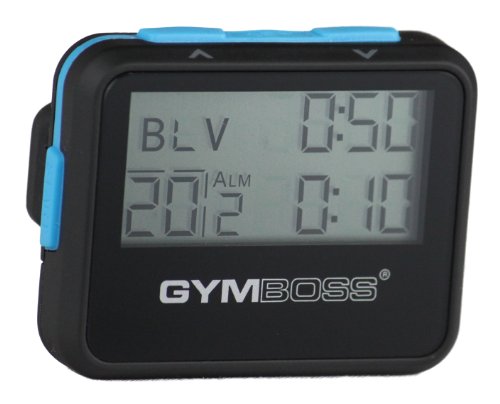
Gymboss Interval Timer and Stopwatch – Black/Blue SOFTCOAT
Compact interval timer times one or two intervals between two seconds and 99 minutes.
As an affiliate, we earn on qualifying purchases.
As an affiliate, we earn on qualifying purchases.
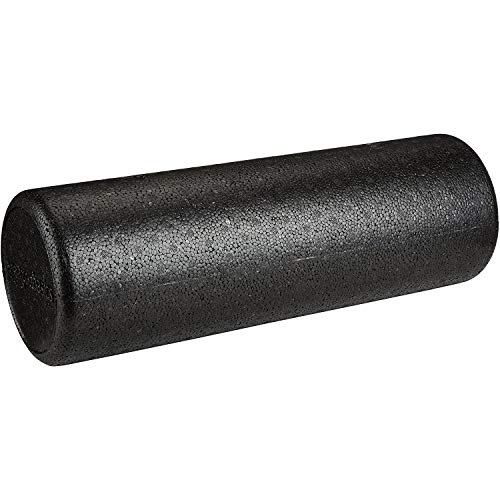
Amazon Basics High-Density Foam Roller for Exercise and Recovery, 18 Inches, Black
High-density foam roller in Black
As an affiliate, we earn on qualifying purchases.
As an affiliate, we earn on qualifying purchases.