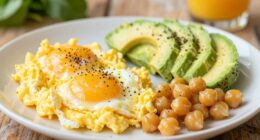

To eat around home workouts without overthinking, focus on balanced, nutrient-rich snacks and flexible timing. Have a small carb and protein snack 30-60 minutes before exercising to boost energy, and enjoy a protein-packed meal afterward for recovery. Listen to your body cues and adapt your schedule to fit your routine, rather than sticking to strict times. If you want simple tips to keep your nutrition on track, there’s more to discover below.

Get workout gear delivered free — and shop member deals
- Fast, free delivery on millions of items
- Access to Prime Big Deal Days deals on October 6–7
- Prime Video, Amazon Music and more included
Key Takeaways
- Plan flexible meals and snacks around your workout schedule to prevent stress and maintain energy.
- Focus on balanced, nutrient-dense foods rather than strict timing for better consistency.
- Use pre-prepared meals and snacks to simplify eating routines and avoid overthinking.
- Listen to your body’s hunger cues and adjust meal timing based on personal comfort and energy levels.
- Incorporate small, protein-rich snacks before and after workouts to support performance and recovery.
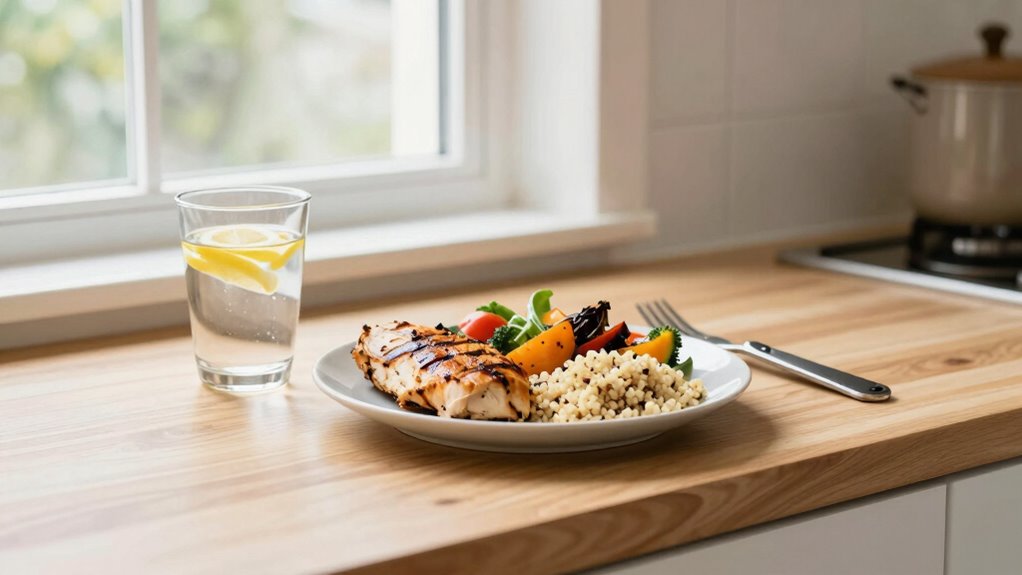
Balancing your meals around home workouts doesn’t have to feel like a complicated puzzle. The key is to simplify how you plan your eating habits, so you stay energized without overthinking every minute detail. One effective way to do this is through meal prep. When you prepare your meals in advance, you eliminate the daily stress of deciding what to eat, making it easier to align your nutrition with your workout schedule. Focus on creating balanced portions that include lean proteins, complex carbs, and healthy fats, so your body gets the fuel it needs before and after exercising. Meal prep also saves time and helps you avoid reaching for less nutritious options when hunger strikes unexpectedly. With your meals ready to go, you can simply grab and go, ensuring consistent energy levels and recovery. Incorporating lifestyle tips related to gadgets and electronics can also help you stay organized and motivated in your fitness journey. Practicing mindful eating can further enhance your ability to listen to your body’s cues and avoid overthinking meal timing.
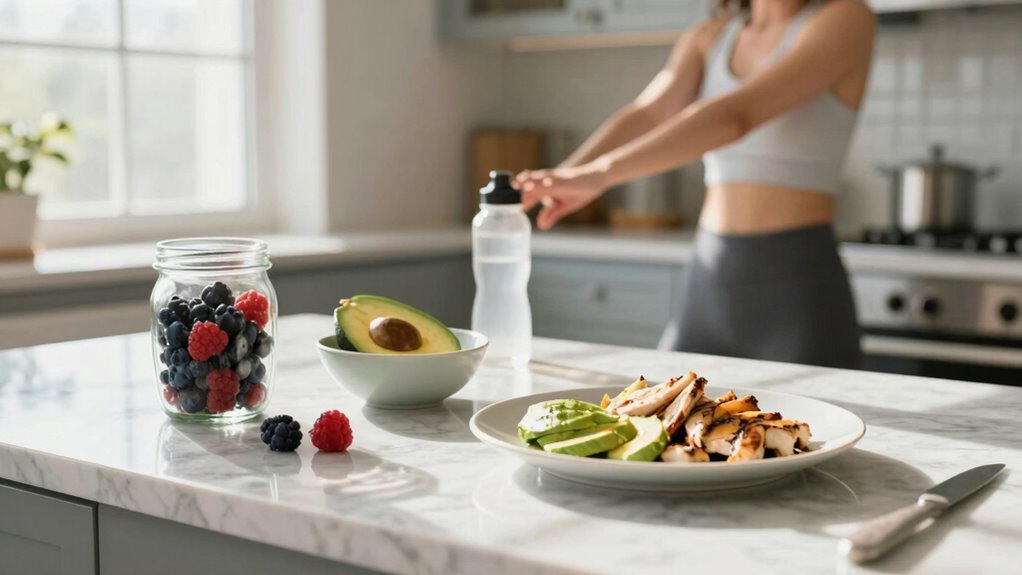
Snacking strategies are equally important in maintaining this balance. Instead of viewing snacks as distractions or afterthoughts, see them as opportunities to support your workout goals. Opt for nutrient-dense snacks that contain a good mix of carbs and protein, like Greek yogurt with fruit, nuts, or a small protein smoothie. These options provide quick energy without causing bloating or discomfort during your workout. Timing your snacks is also crucial. Have a small, balanced snack about 30 to 60 minutes before your exercise session, so you’re fueled without feeling too full or sluggish. After your workout, prioritize a snack or meal rich in protein to promote muscle repair and replenish glycogen stores.
You don’t need to obsess over the exact timing of every meal or snack. Instead, listen to your body’s cues and plan your eating around your workout times with flexibility. If your workout is in the morning, a light snack beforehand and a hearty breakfast afterward can work well. For afternoon or evening workouts, consider a balanced snack about an hour prior, followed by a satisfying meal afterward. Remember, meal timing should be adaptable to your schedule and preferences. The goal is to keep your energy steady and support your fitness progress without overanalyzing every meal.
pre and post workout protein snacks
As an affiliate, we earn on qualifying purchases.
As an affiliate, we earn on qualifying purchases.
Frequently Asked Questions
Can I Eat After My Workout Without Losing Progress?
Yes, you can eat after your workout without losing progress. Focus on your meal frequency and include a balanced post-workout snack to support recovery. Timing matters, but it’s more important to listen to your hunger cues. Eating within an hour or so after exercising helps replenish energy and repair muscles. Prioritize nutritious foods and avoid overthinking snack timing, ensuring your body gets what it needs to continue progressing.
How Do I Balance Carbs and Protein Post-Workout?
To balance carbs and protein post-workout, focus on meal composition and nutrient timing. Aim for a ratio that replenishes glycogen and promotes muscle repair, such as a 3:1 or 4:1 carb-to-protein ratio. Eat within 30 to 60 minutes after exercising to maximize benefits. Incorporate whole grains, fruits, lean meats, or dairy to fuel recovery effectively without overthinking. This approach keeps your nutrition simple and targeted.
Is It Okay to Snack Before My Workout?
Think of your pre-workout snack as fueling a car before a long drive — it’s essential. Yes, it’s okay to snack before your workout, especially with the right meal timing strategies. Opt for light, easily digestible pre-workout snacks like a banana or a handful of nuts. This gives you energy without feeling sluggish. Keep your meal timing strategies consistent to make certain your body’s prepared and ready to perform.
Should I Hydrate Differently Around Workout Times?
Yes, you should hydrate strategically around your workouts. Use hydration strategies like drinking water 30 minutes before exercising and sipping small amounts during your session to stay refreshed. Timing considerations are key—avoid drinking large amounts right before to prevent discomfort, but make sure you’re well-hydrated beforehand. After your workout, replenish lost fluids with water or an electrolyte drink. This approach helps optimize performance and recovery without overthinking your hydration plan.
How Does Meal Timing Affect Workout Recovery?
Meal timing influences workout recovery by optimizing nutrient absorption and supporting muscle repair. If you eat too long before or after exercising, your body might not effectively utilize nutrients, slowing recovery. Focus on balanced meals with proper meal composition—protein, carbs, and fats—around your workout. Eating within a window guarantees your body absorbs nutrients efficiently, helping you recover faster and reduce soreness, so you stay energized for your next session.
meal prep containers for balanced meals
As an affiliate, we earn on qualifying purchases.
As an affiliate, we earn on qualifying purchases.
Conclusion
Remember, you don’t have to stress about perfect meal timing around your workouts. Most people, about 70%, find that flexible eating improves their energy and recovery. Trust your body’s signals and keep it simple—fuel before, refuel after, and enjoy your workouts without overthinking every minute. When you loosen the reins on timing, you’ll find greater consistency and satisfaction in your fitness journey. Keep it balanced, and you’ll see progress without the unnecessary stress.
As an affiliate, we earn on qualifying purchases.
portable healthy snack containers
As an affiliate, we earn on qualifying purchases.
As an affiliate, we earn on qualifying purchases.
Fall Picks
fall essentials
As an affiliate, we earn on qualifying purchases.