

Doing cardio every day can be safe if you listen to your body and vary the intensity and types of exercise. For example, mixing light walking or cycling with rest days or low-intensity sessions helps prevent overtraining and injury. Pay attention to signs like soreness or fatigue, and include rest or recovery days as needed. If you want to learn how to make daily cardio work for you safely, keep exploring these strategies.
Key Takeaways
- Yes, daily moderate activity like walking is generally safe and sustainable for most people.
- High-intensity or long cardio sessions should include rest days to prevent overtraining.
- Listening to your body helps identify signs of fatigue or injury, guiding appropriate workout frequency.
- Varying workout types and intensities reduces overuse injuries and promotes balanced fitness.
- Personalization based on individual fitness levels and goals ensures safe, effective daily cardio routines.

Have you ever wondered if you can safely do cardio every day? It’s a common question, especially if you’re eager to stay active and reach your fitness goals. The truth is, the answer depends on several factors, including your fitness level, the intensity of your workouts, and how your body responds to frequent exercise. While some people thrive on daily cardio, others risk overtraining risks that can hinder progress and cause injury. That’s why understanding the ideal frequency for your workouts is essential.
Doing cardio every day isn’t inherently dangerous, but it’s vital to pay attention to how your body feels. If you’re pushing yourself too hard without adequate rest, you could experience fatigue, decreased performance, or even injury. Overtraining risks increase when you neglect rest days or don’t vary your workout intensity. Symptoms like persistent soreness, irritability, or a decline in motivation are signs you might be overdoing it. To avoid these pitfalls, consider the best frequency based on your goals and body signals. For most people, incorporating 3 to 6 days of cardio per week strikes a good balance between staying active and allowing recovery. This approach gives your muscles time to repair and helps prevent burnout.
Pay attention to your body and incorporate rest to prevent fatigue and injury.
If you’re aiming for general health, moderate daily activity like brisk walking or light cycling can be beneficial and sustainable. However, if you’re engaging in high-intensity or long-duration sessions, it’s wise to schedule rest or low-intensity days to let your body recover. Alternating between different intensities and types of cardio also helps prevent overuse injuries and keeps your workouts engaging. For example, doing a mix of running, swimming, and cycling can reduce repetitive strain on the same muscle groups and minimize overtraining risks.
Listening to your body is key. If you notice signs of excessive fatigue, joint pain, or a plateau in progress, it might be time to cut back and take a rest day. Incorporating proper warm-ups, cool-downs, and stretching also supports recovery and keeps you in the game longer. Ultimately, the best frequency varies from person to person, but moderation, variety, and attentiveness to your body’s signals are your best tools. Remember, consistency is important, but so is patience and self-care. Doing some form of cardio most days can be helpful, just be sure to balance effort with recovery to stay healthy and motivated.

YRLTYO Mens Tennis Shoes Running Sneaker Slip On Walking Gym Workout Athletic Breathable Lightweight Jogging Casual Sport Shoes Black Size 9.5
【Breathable Upper】: mens running shoes are made of good mesh material, and the upper is covered with thousands…
As an affiliate, we earn on qualifying purchases.
As an affiliate, we earn on qualifying purchases.
Frequently Asked Questions
Is Daily Cardio Suitable for Beginners?
Daily cardio can be suitable for beginners if you incorporate proper recovery strategies and workout variety. You should listen to your body, avoid overtraining, and include rest days when needed. Mixing different types of cardio, like walking, cycling, or swimming, helps prevent boredom and reduces injury risk. This approach guarantees you build endurance safely while giving your body time to recover, making daily activity both effective and sustainable.
How Does Daily Cardio Affect Muscle Building?
Think of your muscles as delicate flowers; daily cardio can sometimes water them down instead of helping them grow. It may hinder muscle recovery and make strength maintenance harder if you don’t balance it with proper rest. While cardio boosts endurance, doing it every day might prevent muscle building by overtaxing your muscles. To optimize gains, mix cardio with strength training and give your muscles time to recover.
What Are the Signs of Overtraining From Daily Cardio?
You might notice overtraining signs like persistent fatigue, soreness, or a decline in performance. You could also experience trouble sleeping, increased injury risk, or mood swings. Skipping rest days can lead to these symptoms, making your body less able to recover. Listen to your body, and incorporate rest days to prevent overtraining, reduce injury risk, and maintain overall health and performance.
Can I Do High-Intensity Cardio Every Day?
You can do high-intensity cardio every day, but it’s vital to balance rest versus workout to prevent injury. Pushing yourself daily without proper recovery increases overtraining risk and hampers progress. Incorporate rest days or lighter sessions, listen to your body, and vary intensity levels. This approach helps with injury prevention, keeps you motivated, and guarantees you maximize benefits without burnout or setbacks.
Does Daily Cardio Improve Mental Health?
Yes, daily cardio can improve your mental health by boosting mood and reducing stress. When you engage in regular exercise, your body releases endorphins, which help fight anxiety and depression. It also enhances your overall sense of well-being. Just make certain you listen to your body to avoid overtraining. Incorporating consistent cardio into your routine can be a powerful tool for stress reduction and mental clarity.

Peloton Altos Cycling Shoes for Bike and Bike+ with Single Hook and Loop Strap and Delta-Compatible Bike Cleats
DESIGNED FOR PELOTON BIKE and BIKE plus – Peloton shoes were designed so that you can get the…
As an affiliate, we earn on qualifying purchases.
As an affiliate, we earn on qualifying purchases.
Conclusion
So, next time you lace up your sneakers, think of it as a daily rendezvous with your own rhythm. Whether it’s a morning jog or a quick bike ride, doing cardio every day can become your personal sunrise, fueling your mornings and calming your evenings. Just like the gentle hum of a familiar song, consistent movement weaves into your routine, turning small moments into a symphony of health that echoes in every part of your life.
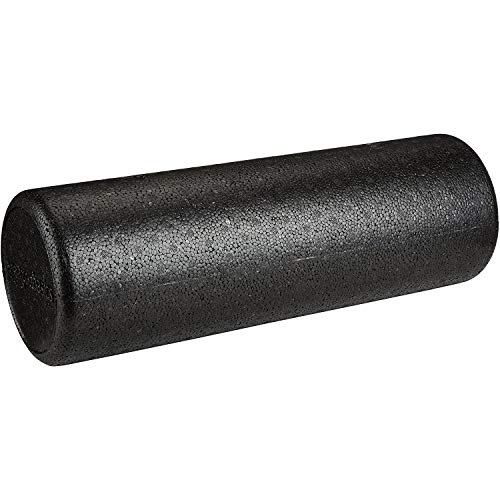
Amazon Basics High-Density Foam Roller for Exercise and Recovery, 18 Inches, Black
High-density foam roller in Black
As an affiliate, we earn on qualifying purchases.
As an affiliate, we earn on qualifying purchases.

Powr Labs Bluetooth and ANT+ Heart Rate Monitor Chest Strap – All Day Comfort, Easy Connectivity – Compatible with Polar, Garmin, Peloton, Wahoo
ZERO CONNECTION HEADACHES – WORKS WITH EVERYTHING – Dual ANT+ Bluetooth syncs flawlessly to cycling computers smart watches,…
As an affiliate, we earn on qualifying purchases.
As an affiliate, we earn on qualifying purchases.