

Understanding the difference between steady-state cardio and interval workouts helps you choose what fits your goals. Steady-state involves maintaining a consistent effort for longer periods, boosting endurance and cardiovascular health. Intervals alternate high and low-intensity efforts, burning more calories and increasing fitness quickly. Both have unique benefits, depending on whether you want to improve stamina or lose fat efficiently. Keep exploring to discover which method suits your fitness journey best.
Key Takeaways
- Steady-state cardio maintains a consistent effort for 20-60 minutes, focusing on endurance and cardiovascular health.
- Interval training alternates high and low-intensity efforts, boosting fat burn and fitness in shorter, more dynamic sessions.
- Steady-state is moderate effort; intervals involve intense bursts followed by recovery, with different durations and structures.
- Both methods have unique benefits: steady-state supports endurance, while intervals enhance fat loss and speed.
- Choose based on your goals: steady-state for endurance and health, intervals for fat loss and rapid fitness gains.
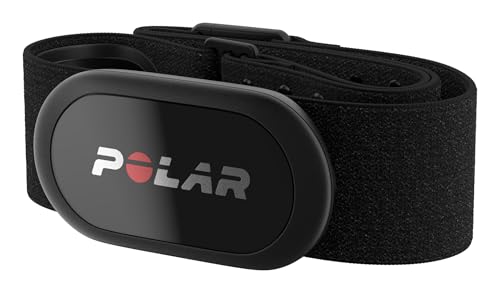
Polar H10 Heart Rate Monitor Chest Strap – ANT + Bluetooth, Waterproof HR Sensor for Men and Women, Black, M-XXL
WORKS WITH EVERYTHING: Polar HRM works with ALL HRM compatible Equipment.
As an affiliate, we earn on qualifying purchases.
As an affiliate, we earn on qualifying purchases.
What Is Steady-State Cardio?

Have you ever wondered what steady-state cardio really is? It’s a workout where you maintain a consistent intensity for an extended period, usually 20 to 60 minutes. During this exercise, your heart rate stays relatively steady, and you keep moving at a pace that feels challenging but sustainable. Think of jogging, cycling, or swimming at a steady rhythm. The goal isn’t to sprint or push yourself to the limit but to keep a moderate effort that you can sustain without stopping. This type of cardio boosts your endurance, burns calories, and improves your cardiovascular health. It’s straightforward, easy to follow, and perfect for building a solid aerobic base. High-precision monitors can help you track your effort levels to ensure you stay within your target heart rate zone. Additionally, integrating smart home technology such as heart rate sensors and fitness apps can optimize your workout experience and help you stay motivated. Using heart rate zones as a guide can further refine your training and ensure you’re exercising at the most effective intensity for your goals. Incorporating consistent effort is key to reaping the full benefits of steady-state cardio. Understanding how target heart rate zones work can help you exercise more efficiently and safely. Steady-state cardio is a reliable, effective workout for many fitness goals.
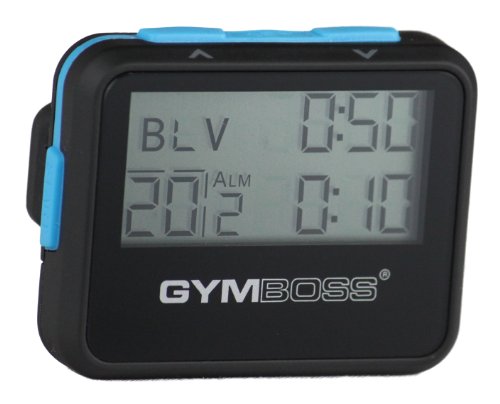
Gymboss Interval Timer and Stopwatch – Black/Blue SOFTCOAT
Compact interval timer times one or two intervals between two seconds and 99 minutes.
As an affiliate, we earn on qualifying purchases.
As an affiliate, we earn on qualifying purchases.
What Are Interval Workouts?

Interval workouts involve switching between high and low-intensity efforts, keeping your body guessing. These short, focused sessions can boost your fat burn and improve fitness quickly. Once you understand how they work, you’ll see how simple yet effective they can be. Additionally, incorporating proper care techniques can help maintain your fitness equipment and prevent injuries. Regular training routine adjustments can also enhance your overall results while reducing the risk of overtraining. Emphasizing energy efficiency in your training routine can also contribute to sustainable health practices over time. Being mindful of the equipment maintenance needed ensures your workouts remain safe and effective, supporting long-term progress. Understanding the latest technology in fitness devices can further optimize your interval training and track your progress more accurately.
Alternating Intensity Levels
Alternating intensity levels involve switching between periods of high effort and recovery during your workout. You push yourself hard during the intense segments, then slow down or rest briefly to recover. This pattern keeps your heart rate elevated and trains your body to handle varying intensities. By alternating between these levels, you boost your cardiovascular fitness more efficiently than steady-state exercise. Interval workouts can be tailored to your fitness level, with shorter or longer high-effort bursts. The recovery phases are essential—they prevent burnout and allow your body to prepare for the next high-intensity push. This approach keeps your workout engaging and challenging without overexerting, making it a popular choice for those looking to maximize results in less time.
Short, Focused Sessions
Short, focused sessions, also known as interval workouts, are efficient training routines that pack high-intensity effort into brief periods followed by quick recovery. During these sessions, you alternate between intense bursts of activity—like sprinting or fast cycling—and short rest intervals. This structure allows you to push your body harder than steady-state cardio without lasting fatigue. Interval workouts are ideal if you’re short on time but want maximum results. They boost your cardiovascular fitness, improve endurance, and increase calorie burn in less time. You can customize the duration and intensity of each interval based on your fitness level. The key is to maintain effort during the high-intensity phases and recover quickly during the rest periods. This approach makes your workouts more engaging and effective.
Boosts Fat Burn
Because they push your body to work at higher intensities, interval workouts are especially effective for boosting fat burn. These sessions alternate between bursts of maximum effort and recovery periods, keeping your metabolism elevated even after you finish. As a result, your body continues to burn calories at a higher rate. Imagine:
- Sprinting hard for 30 seconds, then walking to recover
- Picking up the pace during a run, then slowing down briefly
- Alternating between high-intensity cycling and easy pedaling
- Doing fast, intense bursts during a workout, followed by light activity
- Pushing your limits during short intervals, then resting briefly
This pattern keeps your body guessing, increases calorie expenditure, and accelerates fat loss over time. Understanding the science behind these devices can help you optimize your workout results. Incorporating interval training into your routine can also improve your cardiovascular health more efficiently than steady-state cardio.

LIVIKEY Fitness Tracker Watch with Heart Rate Monitor, Activity Tracker with Pedometer, Sleep Monitor, Calories & Step Counter, IP68 Waterproof Smart Watches for Women Men Fitness Watch for Sports
Heart Rate and Sleep Monitoring: The Fitness Tracker monitors your heart rate automatically all day, and you can…
As an affiliate, we earn on qualifying purchases.
As an affiliate, we earn on qualifying purchases.
Key Differences Between the Two Methods

You’ll notice differences in intensity and how long each workout lasts. Some methods push you harder for shorter periods, while others involve longer, steady efforts. Recovery times also vary, so understanding these key points helps you choose the best approach for your goals. Incorporating essential oils into your routine can enhance your workout experience by promoting relaxation or alertness, depending on the blend. Recognizing the training intensity involved in each method can also help you optimize your exercise plan for better results. Additionally, understanding the workout duration can aid in aligning your exercise with your overall fitness objectives. This knowledge is reminiscent of how biography insights can deepen our understanding of a subject, similar to exploring different workout techniques. Moreover, considering the water-based benefits of aquatic exercise can further complement your fitness strategy.
Intensity and Duration
Understanding the difference between intensity and duration is essential for designing effective cardio workouts. Intensity refers to how hard you push yourself during exercise, while duration is the length of time you spend doing it. With steady-state cardio, you maintain a moderate effort for an extended period, like a steady jog along a quiet trail. Intervals, on the other hand, involve short bursts of maximum effort followed by recovery, like sprinting up a hill then walking down. Visualize these differences:
- Steady-state feels like a consistent, steady rhythm
- Intervals are quick, intense pushes followed by rests
- Duration for steady-state often lasts longer
- Intervals maximize effort in short windows
- Steady-state emphasizes endurance, intervals focus on speed
Knowing these distinctions helps you tailor your workouts to your goals.
Recovery Time Differences
Recovery time varies considerably between steady-state cardio and interval training. With steady-state, you maintain a consistent pace, so your body needs less downtime afterward. Interval training, however, involves intense bursts followed by rest, requiring longer recovery periods to prepare for the next push. This difference in recovery needs is influenced by the intensity level of each workout, which directly impacts how quickly your body can bounce back. Additionally, metabolic stress caused by high-intensity efforts can extend recovery needs, especially if the workout pushes your limits.
| Method | Typical Recovery Time |
|---|---|
| Steady-State Cardio | Short, often just a brief pause |
| Interval Training | Longer, especially after high-intensity bursts |
You might find that after steady-state workouts, you feel ready to continue quickly. But with intervals, your body needs more time to recover before the next intense phase, making recovery a key part of the overall workout strategy.

Smart Watch for Men Women (Answer/Make Call), 1.96" HD Fitness Tracker Running Watch, IP68 Waterproof,Pedometer, Sleep/Step/Activity/Heart Rate Monitor,110+ Sport Mode Smartwatch for iOS Android Phone
⌚ 1.96'' HD Touch Screen & 200+ DIY Watch Faces – The smart watch for men women is…
As an affiliate, we earn on qualifying purchases.
As an affiliate, we earn on qualifying purchases.
Benefits of Steady-State Cardio

Have you ever wondered why steady-state cardio remains a popular choice for many fitness enthusiasts? It offers several clear benefits that make it accessible and effective. When you engage in steady-state cardio, you improve your cardiovascular endurance, making everyday activities easier. It’s also easier to maintain a consistent pace, helping you stay focused and motivated. Plus, this form of exercise reduces stress on your joints, lowering injury risk. Steady-state cardio can be performed anywhere—outdoors or indoors—without complex equipment. It also encourages mindfulness, allowing you to tune into your breathing and body. Incorporating exercise consistency can help you build a sustainable routine that leads to long-term fitness gains. Imagine:
- Building a solid aerobic base
- Enhancing fat-burning capacity
- Improving heart efficiency
- Enjoying a low-impact workout
- Increasing mental clarity
These benefits make steady-state cardio a straightforward, sustainable fitness option. Navigation and mapping can help you optimize your workout routes and monitor your progress effectively.
Advantages of Interval Training

While steady-state cardio offers great benefits, incorporating interval training can take your fitness to the next level. It boosts your calorie burn in less time, making workouts more efficient. Intervals challenge your body with bursts of high effort followed by recovery, which helps improve your speed and power. This type of training also enhances your metabolic rate even after you finish, known as the afterburn effect. Plus, it keeps workouts engaging and less monotonous, so you’re more likely to stick with them. Incorporating proper equipment and accessories can further optimize your interval sessions for safety and effectiveness. Additionally, understanding training principles ensures you apply interval training safely and effectively. Incorporating training frequency and appropriate rest periods can maximize your gains while minimizing injury risk. To maximize benefits, paying attention to seasonal checklists for cleaning and maintenance can help you keep your fitness equipment in top condition. Overall, adding intervals diversifies your routine, increases calorie expenditure, and accelerates fitness gains, making it a powerful tool for those looking to optimize their workouts.
Choosing the Right Cardio for Your Goals

Choosing the right cardio depends on your specific goals, whether it’s burning fat, building endurance, or improving heart health. Think about what you want to achieve, then select activities that match those aims. For fat loss, steady-state cardio like jogging or cycling keeps your heart rate steady and burns calories efficiently. If endurance is your focus, interval training with bursts of high intensity followed by recovery boosts stamina quickly. For heart health, moderate-intensity exercises such as brisk walking or swimming improve cardiovascular function without overexertion. Visualize yourself:
- Jogging steadily along a scenic trail
- Sprinting during intense intervals
- Cycling through hilly terrain
- Swimming laps in a pool
- Briskly walking in the park
Choose based on your goals and enjoy the journey.
Frequently Asked Questions
Can I Combine Steady-State and Interval Training Effectively?
Yes, you can combine steady-state and interval training effectively. Mixing both methods keeps your workouts interesting and challenges your body in different ways. For example, start with steady-state cardio to build endurance, then include intervals for speed and power. This balanced approach boosts overall fitness, burns calories efficiently, and prevents boredom. Just make certain you listen to your body and gradually increase intensity to avoid overtraining.
How Do I Prevent Injury With High-Intensity Intervals?
You prevent injury during high-intensity intervals by listening to your body like a hawk. Warm up thoroughly—think of it as revving your engine before a race—and don’t push beyond your limits. Focus on proper form, stay hydrated, and incorporate rest days. If you feel sharp pain or excessive fatigue, stop immediately. This approach keeps your muscles and joints safe, ensuring your workouts boost fitness without risking setbacks.
Which Cardio Method Burns More Calories Overall?
You burn more calories overall with high-intensity interval training (HIIT) because it pushes your body harder in shorter bursts, increasing your calorie burn even after your workout ends. Steady-state cardio burns calories steadily during the session but usually results in fewer total calories burned compared to HIIT. If you’re looking to maximize calorie burn in less time, HIIT is your best bet, but make sure to listen to your body and avoid overtraining.
How Does Fitness Level Influence Method Choice?
Your fitness level greatly influences your choice of cardio method. If you’re a beginner, steady-state workouts are easier to manage and help build endurance safely. As you become more fit, intervals challenge your stamina and speed, boosting your progress. Advanced exercisers often switch between both to optimize calorie burn and performance. Listen to your body, gradually increase intensity, and choose a method that aligns with your goals and current fitness level.
Are There Specific Diets That Complement Each Cardio Style?
You might find that a high-protein, balanced diet complements steady-state cardio, helping sustain energy and aid recovery. For interval training, a carb-rich meal before workouts can boost your performance, while post-exercise, prioritize proteins and healthy fats to repair muscles. It’s no coincidence that fueling your body appropriately enhances your ability to stick with your cardio routine and maximizes results. Tailor your diet to your workout style for ideal benefits.
Conclusion
Now that you know the difference between steady-state and interval cardio, you can pick what suits your goals. Whether you prefer a steady burn or a quick burst of intensity, remember that variety keeps you motivated and progressing. As the saying goes, “Different strokes for different folks.” Try both to see what works best for you, and stay consistent—your fitness journey is all about enjoying the ride and pushing your limits.