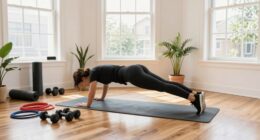
Choosing between morning and night workouts depends on your schedule and preferences, as both can support consistency. Morning sessions help you stick to routines by avoiding daily distractions and boosting energy levels early. Evening workouts may suit your natural energy peaks and serve as stress relief. The best option is the one you can do regularly. Keep exploring, and you’ll discover how to optimize your workout timing for lasting results.
Key Takeaways
- Morning workouts promote better adherence by completing exercise before daily distractions or fatigue.
- Evening sessions may suit natural energy peaks, making workouts more sustainable for some individuals.
- Consistency is key; choose the time that aligns best with personal schedules for long-term commitment.
- Morning exercise helps regulate sleep patterns, while late-night workouts could interfere with sleep for some people.
- The most effective workout time is the one you can maintain consistently, whether morning or night.

Choosing between morning and night workouts depends on your schedule and personal preferences, but each has its unique benefits. When deciding, consider how your body’s natural rhythms and lifestyle influence your ability to stay consistent. Morning workouts often promote better overall adherence because they get done before other daily distractions or fatigue set in. Starting your day with exercise can also help regulate your sleep patterns and boost your energy levels throughout the day. Conversely, evening workouts might better suit your natural energy peaks, especially if you’re not a morning person. They can serve as a way to unwind after a stressful day, making it easier to stick with your routine over the long term.
Morning workouts promote better adherence and energy, while evening sessions help you unwind and suit natural energy peaks.
Workout timing plays a fundamental role in how effectively you perform and how your body responds. In the morning, your body is typically in a rested state, which can lead to improved focus and motivation. However, it’s essential to prioritize maximum hydration before your workout, especially if you exercise early. Drinking water beforehand helps prevent dehydration, which can impair performance and recovery. If you choose morning workouts, consider having a small snack or hydration boost to fuel your muscles and enhance your performance. On the other hand, evening workouts might allow for higher intensity sessions since your muscles are warmed up and more flexible after a full day of activity. You might find that your strength and endurance are slightly better later in the day, making it easier to push yourself during workouts.
Timing your workouts also affects your recovery and sleep quality. Exercising too late can sometimes interfere with your ability to fall asleep, especially if you engage in high-intensity activity close to bedtime. However, for many people, evening workouts don’t pose this issue and can actually help reduce stress. If you prefer evening exercise, just make sure to finish your session at least an hour before bed to allow your body to wind down. Additionally, consider how your personal schedule influences consistency. If morning workouts mean waking up early and risking skipped sessions due to fatigue, evening workouts might be more sustainable. Conversely, if your evenings are packed, morning workouts ensure you get your exercise done first thing. Incorporating workout timing as a key factor can also help optimize your fitness results and overall well-being.
Ultimately, the best workout time is the one you can stick with consistently. Whether you exercise in the morning or at night, maintaining regularity is more important than the specific timing. Focus on staying well-hydrated, listening to your body’s signals, and choosing a time that aligns with your lifestyle. When you find that sweet spot, your commitment to fitness becomes much easier, making your routine more effective and enjoyable in the long run.

Sahara Sailor Water Bottle 32oz, Durable and Leakproof Water Bottles Motivational with Time Marker, Tritan, BPA Free, Wide Mouth with Easy Clean Brush for Gym, Travel, Home, School, Office (1 Bottle)
Stay Hydrated Throughout the Day: staying hydrated is often easier said than done. With the Sahara Sailor clear…
As an affiliate, we earn on qualifying purchases.
As an affiliate, we earn on qualifying purchases.
Frequently Asked Questions
Which Workout Time Improves Long-Term Exercise Adherence Best?
You’re more likely to stick with your workout long-term when you choose a time that fits your schedule and workout environment. Morning workouts often boost consistency because they’re easier to prioritize before daily distractions, while night workouts might suit your preferred environment and energy levels better. Ultimately, the best time for exercise depends on your personal time commitment and the environment where you feel most motivated and comfortable.
How Do Workout Times Affect Weight Loss Results?
Workout times can influence weight loss because your circadian rhythms and hormonal fluctuations vary throughout the day. Exercising in the morning may boost metabolism and help regulate appetite, leading to better weight loss results. Conversely, evening workouts might align with your body’s peak strength and energy. Ultimately, consistency matters more than timing; choose a time that fits your schedule and sticks with it to maximize weight loss benefits.
Can Morning Workouts Boost Daily Productivity?
Imagine starting your day with a burst of energy; morning workouts can do just that. They boost your energy levels, making you more alert and focused throughout the day. With increased workout intensity and a sense of accomplishment early on, you set a productive tone. This habit can elevate your daily productivity, helping you tackle tasks with clarity and motivation, just like a morning sunrise igniting your entire day.
Are Night Workouts More Effective for Muscle Building?
Night workouts can be more effective for muscle building because your body benefits from improved muscle recovery and hormonal fluctuations that occur later in the day. During evening hours, your muscles are warmer and more flexible, reducing injury risk. Additionally, increased testosterone and growth hormone levels at night support muscle growth, making your workout more productive. So, if you’re focused on muscle building, evening sessions might give you an edge.
Do Workout Times Influence Sleep Quality?
Exercise timing can influence your sleep quality, but it varies. Night workouts may cause some sleep disruption, making it harder to fall asleep if you exercise intensely close to bedtime. Conversely, morning workouts often promote better sleep quality by regulating your body’s circadian rhythm. You need to pay attention to your body’s signals and experiment with timing to find what helps you sleep best while maintaining your fitness routine.

KIND ZERO Added Sugar Bars, Peanut Butter Dark Chocolate, Keto Friendly Snacks, Gluten Free, 5g Protein, 5 Count
Contains five (5) individually wrapped nut bars; Peanut Butter Dark Chocolate
As an affiliate, we earn on qualifying purchases.
As an affiliate, we earn on qualifying purchases.
Conclusion
Whether you choose morning or night, consistency is key—think of it like planting seeds; regular effort helps your fitness flourish. If mornings boost your energy and set a positive tone, go for it. If nights work better for your schedule, that’s great too. The surprising winner is the one you stick with, because habits grow stronger with steady care, just like a tree that stands tall through all seasons. Keep moving, and your progress will follow.

CIGOCIVI Instructional Travel Yoga Mat with 75 Asanas Poses & Exercises – Christmas Gifts for Wife and Girls, Exercise Mat for Home Workout, Includes Carrying Bag, 68"x24"x0.25" (Purple/Blue)
Christmas Gifts for Wife and Girls:If you are struggling with what Christmas gift to give to your wife,…
As an affiliate, we earn on qualifying purchases.
As an affiliate, we earn on qualifying purchases.
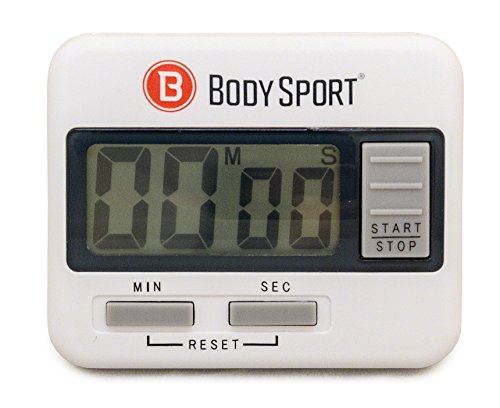
Body Sport Digital Timer Stopwatch for Fitness & Exercise Routines – Easy to Use, Battery Operated, Multifunctional Time Tracker for Home, Gym, Kitchen, Classroom, and Office Settings
EASY TO USE. Featuring an easy-to-read digital timer interface, keep in time without missing a beat with the…
As an affiliate, we earn on qualifying purchases.
As an affiliate, we earn on qualifying purchases.