TL;DR

Get workout gear delivered free with Prime
- Fast, free delivery on millions of items
- Prime Video, Amazon Music and more included
- Member-only deals all year
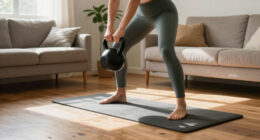
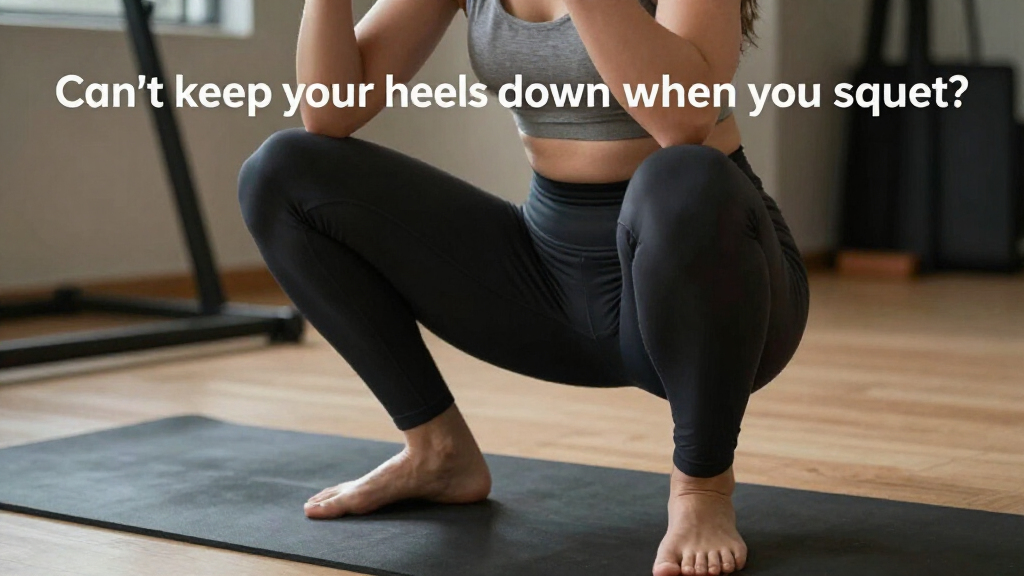
A Fit&Well report describes three squat regressions—using suspension straps, slowing a sit-to-stand, and holding a heel-elevated deep squat—to build control and gradually work toward squatting with heels down. The report says heel lift can relate to limited ankle movement, but may also reflect hip mobility or strength limitations; the cause varies and is not established by the symptom alone.
Fit&Well has published three squat variations for people whose heels rise as they lower into a squat, recommending supported and scaled movements to build control and gradually work toward a flat-footed squat. The report says heel lift is often linked to limited ankle dorsiflexion, but can also involve hip mobility or strength, so ankle and calf stretching alone may not address every case.
The exercises are presented as progressions rather than a quick fix. The report advises practicing each version at a comfortable range and improving gradually, rather than focusing on a high repetition count at the outset. Once the movements feel controlled, it suggests three sets of each exercise, working for one minute and resting for one minute. That is the report’s suggested routine, not an individualized prescription.
The first option is a suspension-trainer squat. Holding the straps provides support and reduces the balance demand, allowing the person to focus on lowering into a squat. The instructions call for feet hip-width or slightly wider, toes turned slightly outward, and knees opening as the hips lower. The report recommends pausing briefly at the lowest comfortable point and using the straps less as strength and mobility improve.
The second exercise is a slow sit-to-stand from a sturdy chair, performed without pushing off with the hands. The emphasis is on controlled lowering and rising, with body weight directed through the heels. The third is a heel-elevated deep squat hold, using thin weight plates or wedges beneath the heels to make a deeper position more accessible. The report says to reduce the heel support gradually as comfort and control improve.
Building Toward a Flat-Footed Squat
For people who find their heels lifting, the guide offers lower-demand ways to practice the squat instead of repeatedly forcing a depth they cannot control. Suspension support can reduce balance demands, a chair provides a clear target for a partial movement, and heel elevation allows practice in a deeper position without requiring the heels to reach the floor immediately.
The distinction between ankle and hip limitations matters because one symptom can have more than one explanation. The report says tight calves or ankle joints may restrict forward movement of the shin, while weak or tight hips may also contribute. It describes heel lift in some cases as a possible protective response, but does not establish that explanation for any individual. Readers should treat these exercises as general fitness guidance, not a diagnosis or guarantee that a particular cause will be corrected.
Products Worth Considering

Fitbit Sense 2 Health and Fitness Smartwatch (Lunar White/Platinum)

Therabody Theragun Relief Massage Gun, 3-Speed, Navy

Garmin Venu® 3 Premium Fitness Smartwatch 45mm Black
As an affiliate, we earn on qualifying purchases.
Why Heels Lift During Squats
In a squat, the ankles need to allow the shins to move forward as the knees bend. The Fit&Well report identifies limited ankle dorsiflexion—the ability to bring the shin toward the toes—as a common reason heels rise. It notes that calf tightness or restriction around the ankle may limit that movement.
The report also cautions against assuming that every case is ankle-related. It says that hip mobility and strength can play a role, particularly when someone has difficulty controlling a deep squat. Its three exercises are designed to scale the movement: first using support, then practicing a controlled chair rise, and finally exploring depth with the heels raised. The intended progression is gradual, with heel support reduced over time where possible.
“For some, however, especially those with particularly weak or tight hips, the heels lifting could actually be a protective mechanism to safeguard the body from injury.”
— Fit&Well report
The Cause Varies by Person
The report does not identify the cause of heel lift for any specific reader, and the symptom alone cannot show whether ankle movement, hip strength, mobility, balance, or another factor is involved. It also provides no research findings or comparative results showing how effective these three exercises are, or how long it may take an individual to change their squat.
The guidance does not set out screening criteria or address injuries and pain. Anyone who experiences pain, has a known injury, or is unsure whether the movements are suitable should seek advice from a qualified health or fitness professional before continuing. The source also does not say that heel lift always signals a problem requiring correction.
Progress Gradually and Recheck Form
The report recommends repeating the scaled exercises over a few weeks, focusing on controlled movement and comfortable range rather than rushing to a deeper squat. For the suspension squat, the suggested progression is to rely less on the straps. For the chair exercise, it is to control the descent until the person can lightly tap the seat. For the elevated hold, the suggested change is to lower the heel support gradually.
Fit&Well does not specify a fixed timeline for moving between stages or report follow-up outcomes. Readers can monitor whether they can maintain balance and control as they progress, but should stop if a movement causes pain and seek professional guidance when needed.
Key Questions
Does heel lift always mean my ankles are tight?
No. The Fit&Well report says limited ankle dorsiflexion is a common possible factor, but hip mobility or strength may also contribute. Heel lift alone does not establish the cause.
Which exercises does the report recommend?
It describes a suspension-trainer squat, a slow sit-to-stand from a sturdy chair, and a deep squat hold with the heels supported on plates or wedges.
How often should I do the exercises?
The report suggests practicing the movements gradually and, once comfortable with the technique, trying three sets of each, working for one minute and resting for one minute. This is general guidance, not a personalized training plan.
Should I use heel support permanently?
The report presents raised heels as a way to practice a deeper position, with the aim of reducing the support over time as control and comfort improve. It does not promise that everyone will reach a flat-footed deep squat.
What should I do if squatting hurts?
Stop any movement that causes pain. Because the report does not assess injuries or individual health conditions, consider asking a qualified health or fitness professional for guidance before trying to progress.
Source: fitandwell.com