
TL;DR

Get workout gear delivered free — and shop member deals
- Fast, free delivery on millions of items
- Access to Prime Big Deal Days deals on October 6–7
- Prime Video, Amazon Music and more included
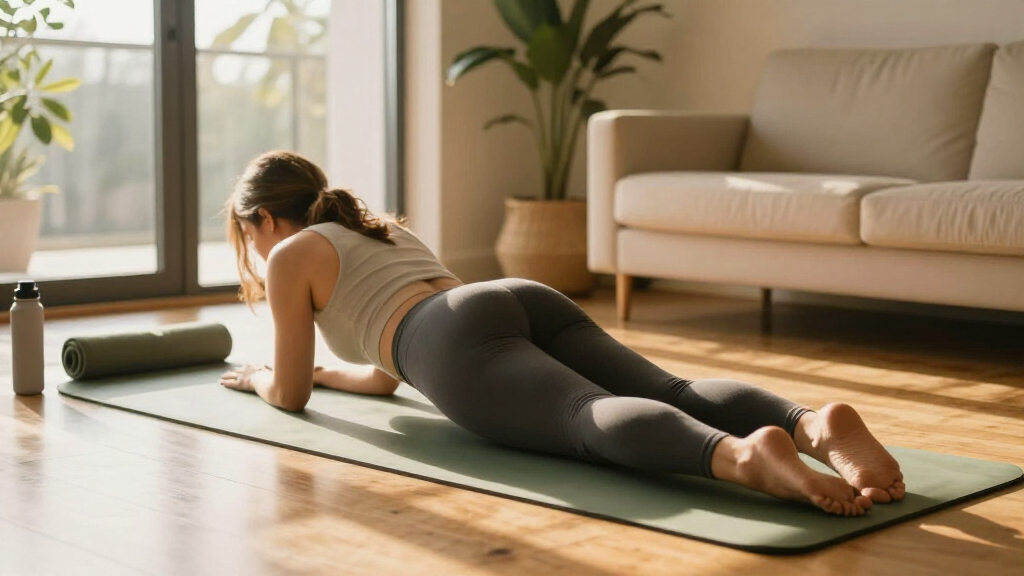
Fit&Well has published a 10-minute beginner Pilates routine by instructor Hannah Lawrence designed to ease back and hip stiffness and improve everyday mobility. The session consists of seven low-impact moves, including bridges, cat-cow, and seated stretches. Lawrence advises moving slowly and stopping if any exercise causes pain.
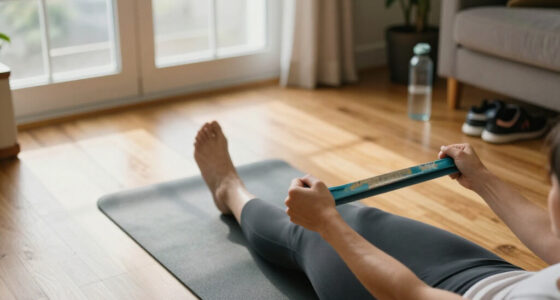
Fit&Well has published a 10-minute beginner Pilates flow from Sundrop Pilates instructor Hannah Lawrence designed to ease stiffness in the back and hips. The routine requires no equipment beyond an exercise mat and consists of seven low-impact movements, each demonstrated in accompanying video tutorials.
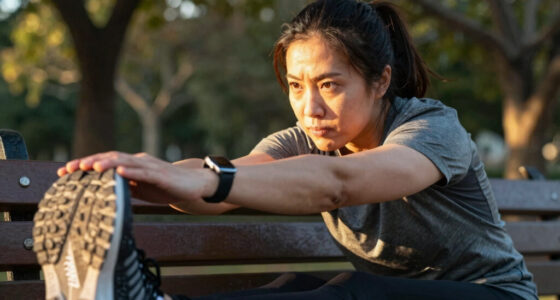
The session is built around seven exercises performed in sequence: the pelvic curl or bridge (6–8 repetitions), cat-cow (10 repetitions), the mermaid side bend (one minute per side), a single-leg forward fold (30–60 seconds per side), a single-leg hamstring stretch (one minute per side), a Pilates roll down (3–4 repetitions), and supine knee rocks (5 repetitions per side).
Several moves include form cues from Lawrence. In the pelvic curl, exercisers peel the spine off the mat one vertebra at a time until knees, hips and shoulders are aligned. In the mermaid side bend, the buttocks stay on the floor while the torso bends to the opposite side. For the roll down, Lawrence suggests bending the knees more if the hamstrings are tight.
Lawrence’s overarching guidance is pacing: she recommends moving slowly through each exercise so that every movement feels like a stretch, but not pain. According to Fit&Well’s report, the goal is not only maintaining mobility but improving the ability to move into and hold everyday positions.
Why a Short Mobility Routine Appeals
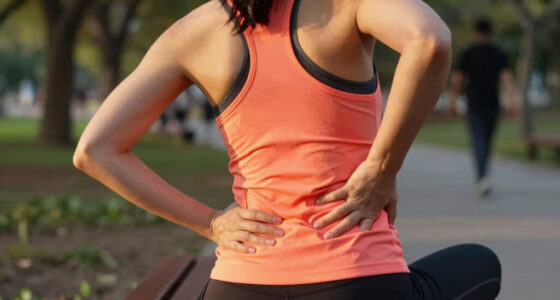
The routine reflects growing interest in short, equipment-free mobility work aimed at people who sit for long periods or feel stiffness in the back and hips. At 10 minutes, the flow is positioned as accessible to beginners who may find longer studio sessions or strength programs intimidating.
According to Fit&Well, joint care earlier in life pays off later — keeping joints strong and mobile now supports easier movement with age. Lawrence frames the practical outcome in concrete terms: everyday seated postures, such as sitting cross-legged and reaching toward the toes, should start to feel more comfortable and natural with consistent practice.
The routine may also serve as a low-barrier entry point to Pilates more broadly, since each exercise includes a video demonstration and scaled options, such as bending the knees during the roll down.
The Routine’s Seven Movements Explained
The flow draws on classical Pilates mat work. The pelvic curl targets spinal articulation and glute engagement. Cat-cow, performed on hands and knees, alternates spinal extension and flexion with the breath. The mermaid side bend stretches the sides of the torso from a seated position, and the two hamstring-focused stretches — the seated single-leg forward fold and the lying single-leg stretch — address tightness that often accompanies back discomfort.
The session closes with the Pilates roll down, a standing spinal flexion movement, and supine knee rocks, in which both knees fall to one side while the shoulders stay pressed into the mat, rotating the lower back and hips.
Claims Not Independently Verified
The mobility benefits described come from the instructor and the publishing outlet, not from peer-reviewed research. Fit&Well presents the routine as a way to maintain and improve mobility, but no clinical evidence, sample size, or measured outcomes are cited in the report.
Individual results will vary, and the article does not specify how often the routine should be performed or over what timeframe improvements might appear. People with existing back, hip or spinal conditions — such as disc issues, recent surgery, or chronic pain — should consult a qualified health professional before starting a new routine, and any movement that causes pain should be stopped.
How to Try the Flow Safely
Readers can follow the routine through the embedded video demonstrations linked in the Fit&Well report. Lawrence’s instructions suggest starting slowly, prioritizing the stretching sensation over depth or repetition count, and using modifications — such as deeper knee bends in the roll down — where flexibility is limited.
For those who tolerate the session well, similar short Pilates and mobility flows from the same outlet may offer progression. Anyone experiencing persistent back or hip pain, rather than mild stiffness, should seek assessment from a physical therapist or physician before continuing.
Key Questions
How long does the beginner Pilates flow take?
The full session takes about 10 minutes and consists of seven exercises performed back to back, with no equipment beyond a mat.
Is this routine suitable for complete beginners?
Yes. According to Fit&Well, the flow is designed for beginners, with video demonstrations for each move and modifications such as bending the knees more during the roll down if the hamstrings are tight.
How often should I do the routine?
The report does not specify a recommended frequency. Consistent practice is implied by the instructor’s stated goal of everyday positions feeling more comfortable over time, but an exact schedule is not given.
What should I do if an exercise causes pain?
Lawrence advises that each movement should feel like a stretch but never cause pain. Stop any exercise that hurts, and consult a health professional if you have pre-existing back or hip conditions.
Which areas does the routine target?
The flow focuses on the back and hips, including spinal articulation, hamstring flexibility, side-body stretch, and lower-back rotation.
Source: rss
Fall Picks
fall essentials
As an affiliate, we earn on qualifying purchases.