
A recovery week helps you back off from intense workouts without losing momentum by allowing your body to heal, rebuild, and strengthen. Use gentle activities like walking, stretching, or yoga to stay active while avoiding overtraining. Focus on eating nutritious foods, staying hydrated, and supporting tissue repair. This mindful break reduces injury risk and boosts long-term progress. Ready to discover how to make recovery work best for your goals? Keep going to learn more.
Key Takeaways
- Gradually reduce workout intensity and volume to allow recovery without sacrificing progress.
- Incorporate restorative activities like yoga, stretching, and foam rolling to promote tissue repair.
- Focus on proper nutrition and hydration to support muscle rebuilding and waste removal.
- Maintain light movement such as walking or swimming to sustain habits and prevent deconditioning.
- Use recovery week as a strategic tool to prevent injuries and come back stronger with renewed motivation.

Recovery week is an essential part of any workout routine that often gets overlooked. It’s the time when you intentionally back off from intense training to allow your body to heal, rebuild, and come back stronger. Skipping this vital phase can lead to burnout, overtraining, and even injuries. Incorporating effective restoration strategies during this period isn’t just about taking a break; it’s about actively supporting your body’s recovery processes to prevent setbacks and promote progress.
During a recovery week, your focus should shift from pushing your limits to nurturing your body. Restorative practices like gentle stretching, foam rolling, and yoga can enhance circulation, reduce muscle soreness, and improve flexibility. These activities help align your muscles and fascia, making your subsequent workouts more effective. Proper hydration and nutrition are equally important; they supply the nutrients and fluids your body needs to repair tissues and flush out metabolic waste. Prioritize foods rich in protein, healthy fats, and antioxidants to support tissue regeneration and immune function.
Focus on gentle stretching, foam rolling, and proper nutrition to enhance recovery and prepare for your next workout.
One common concern is that taking a week off might cause you to lose momentum. However, a well-planned recovery week actually sets the stage for sustained progress. It allows your nervous system to reset and your muscles to fully recover, so you return with renewed energy and focus. To keep your motivation high, consider light activities like walking, swimming, or cycling—these low-impact exercises maintain your movement habits without overstressing your body. This approach helps you stay engaged with your routine while giving your muscles a much-needed break.
Injury prevention is another key benefit of incorporating recovery strategies during this week. When you listen to your body and give it time to recover, you reduce the risk of overuse injuries such as tendinitis, stress fractures, or muscle strains. Overtraining can cause micro-tears in your muscles, weaken tendons, and compromise your joints. By intentionally easing up, you allow your tissues to repair and strengthen, making you less susceptible to injury down the line. Additionally, understanding the importance of proper recovery techniques can help you optimize your training cycle and avoid setbacks.
Ultimately, a recovery week isn’t about losing progress; it’s about smartly maintaining it. Use this time to focus on restoration strategies that benefit your body and mind. Embrace the downtime as an integral part of your training cycle, and you’ll find yourself returning to your workouts more resilient, motivated, and injury-free. Remember, consistency isn’t just about pushing hard every session—it’s also about knowing when to step back and give yourself the care you deserve.
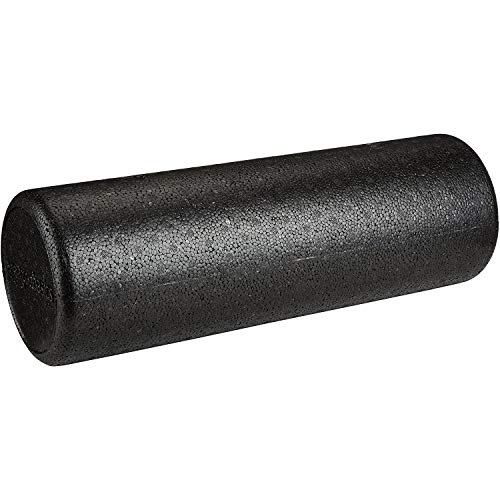
Amazon Basics High-Density Foam Roller for Exercise and Recovery, 18 Inches, Black
High-density foam roller in Black
As an affiliate, we earn on qualifying purchases.
As an affiliate, we earn on qualifying purchases.
Frequently Asked Questions
How Often Should I Schedule a Recovery Week?
You should schedule a recovery week every 4 to 8 weeks, depending on your training frequency and intensity. Incorporate rest day planning into your routine, and listen to your body for signs of fatigue or burnout. A recovery week helps prevent overtraining, boosts performance, and allows your muscles to repair. Adjust the timing based on your progress and how you feel, ensuring you stay consistent and avoid injury.
Can Recovery Week Help Prevent Injuries?
Recovery weeks can greatly prevent injuries by promoting proper rest and reducing overtraining stress. When you back off deliberately, you bolster training consistency and build resilience, preventing burnout and injuries. By giving your body a well-earned break, you allow muscles to mend and fatigue to fade, making your fitness foundation stronger. This deliberate downtime ensures you stay steady, safe, and steadfast on your fitness journey without risking setbacks.
What Activities Are Best During a Recovery Week?
During a recovery week, you should focus on rest day strategies and active recovery options. Incorporate light activities like walking, swimming, or gentle yoga to keep your muscles moving without overexerting yourself. These activities help promote blood flow, reduce soreness, and prevent stiffness. Avoid intense workouts, but stay active with low-impact exercises that support recovery, so you come back stronger and ready to train harder.
How Do I Measure Progress After a Recovery Week?
Oh, of course, you’ll want to pretend you’re a scientist tracking progress with measurement techniques. After a recovery week, you can check your strength gains through progress photos, note endurance improvements, or re-test your max lifts. Track how you feel during workouts, monitor consistency, and compare these metrics to pre-recovery states. This way, you’ll see if you’re bouncing back faster or still in recovery mode, ensuring steady progress without guesswork.
Should I Modify My Nutrition During Recovery?
Yes, you should consider nutrition adjustments during recovery. Focus on maintaining a balanced diet with adequate protein to support muscle repair, along with healthy fats and carbs for energy replenishment. Dietary considerations also include staying well-hydrated and avoiding overly restrictive eating. By making these small modifications, you’ll help your body recover faster without losing momentum, ensuring you’re ready to hit your next workout strong.

Amazon Basics 1/2 Inch Extra Thick Exercise Yoga Mat with Carrying Strap for Home Workouts and Fitness, 74" x 24", Black
Extra thick, cushy floor mat in Black for yoga, gym, and everyday exercise
As an affiliate, we earn on qualifying purchases.
As an affiliate, we earn on qualifying purchases.
Conclusion
Think of your recovery week as hitting the pause button on a busy playlist. It’s your chance to let your body recharge, like a garden soaking up rain after a drought. By backing off just enough, you’re not losing momentum—you’re fueling it for the next sprint. Embrace this time to reset and renew, so you can come back stronger, ready to hit your goals with fresh energy and focus. Your progress will flourish with this well-timed pause.

Under Armour Squeeze Water Bottles, 32 oz Water Bottles, Sideline Sports Water Bottle with Quick-Shot Lid, Quick & Easy Hydration, Gym Water Bottles, Squeeze Bottle, 1 32oz Bottle
EASY HYDRATION: Under Armour's 32 oz squeeze water bottles hold liquid with a quick-shot lid and one-way valve…
As an affiliate, we earn on qualifying purchases.
As an affiliate, we earn on qualifying purchases.

Muscle Milk Pro Series Protein Powder Supplement, Intense Vanilla, 2 Pound, 11 Servings, 50g Protein, 3g Sugar, 20 Vitamins & Minerals, NSF Certified for Sport, Workout Recovery, Packaging May Vary
Contains one (1) 2 pound cannister (about 11 servings) of Muscle Milk Pro Series Protein Powder Supplement. Packaging…
As an affiliate, we earn on qualifying purchases.
As an affiliate, we earn on qualifying purchases.