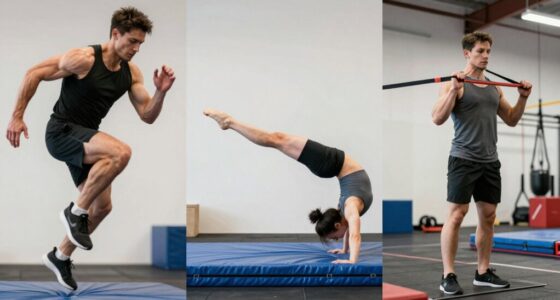

When you don’t get enough sleep, your workout performance suffers because sleep debt impacts muscle recovery, energy, and motivation. It also disrupts hormones like testosterone and growth hormone, which are key for building muscle and burning fat. Plus, sleep deprivation impairs focus, coordination, and reaction times, making you feel weak and less driven. To turn things around, prioritize quality sleep and create a restful routine, so you can boost your results and avoid setbacks. Keep going to discover more ways to optimize your fitness.
Key Takeaways
- Sleep debt reduces hormone levels like testosterone and growth hormone, impairing muscle recovery and causing weakness during workouts.
- Lack of sleep impairs cognitive function and coordination, leading to poor exercise form and decreased effort.
- Insufficient rest lowers energy, motivation, and reaction time, making workouts feel harder and less effective.
- Chronic sleep deprivation can cause performance plateaus or regressions despite regular training.
- Prioritize 7-9 hours of quality sleep, maintain routines, and create a sleep-friendly environment to improve recovery and workout strength.

Getting enough sleep is essential for maximizing your workout results, but when you accumulate sleep debt, your performance and recovery can suffer. Sleep deprivation isn’t just about feeling tired; it directly impacts how well you perform during your workouts. When you don’t get enough rest, your muscles don’t recover properly, your energy levels drop, and your motivation wanes. This creates a cycle where subpar sleep leads to diminished workout performance, which then hampers your progress. It’s important to recognize that sleep isn’t a luxury—it’s a critical component of your fitness routine.
When you’re sleep-deprived, your body struggles to produce enough of the hormones that support muscle growth and repair, like testosterone and human growth hormone. Without these, your muscles won’t recover efficiently, and you’re more prone to injuries or overtraining. Sleep deprivation also affects your brain, impairing coordination, focus, and decision-making, which are vital for maintaining proper form and pushing yourself during exercises. This means that even if you hit the gym regularly, a lack of sleep can make your efforts less effective and increase the risk of setbacks. Additionally, chronic sleep debt can lead to hormonal imbalances that hinder fat loss and muscle gain, further undermining your fitness goals.
Your workout performance can decline markedly when you’re running on sleep debt. You might notice reduced strength, endurance, and agility. Your reaction times slow down, and your ability to sustain high-intensity efforts diminishes. This isn’t just in your head; research consistently shows that sleep deprivation leads to poorer athletic performance. If you’re skipping out on rest or continually sacrificing sleep, you may feel weaker and less motivated to push through tough workouts. Over time, this can lead to plateaus or even regressions in your fitness journey.
To combat these issues, prioritize good sleep habits. Aim for 7-9 hours of quality sleep each night, and try to keep a consistent schedule—even on weekends. Creating a sleep-friendly environment by reducing noise, limiting screen time before bed, and keeping your room dark and cool can help. Avoid caffeine and heavy meals close to bedtime, and establish a relaxing pre-sleep routine to signal to your body that it’s time to wind down. Remember, sleep isn’t just rest; it’s your body’s repair shop and performance enhancer. When you’re well-rested, you’ll notice improvements in your energy, strength, and overall workout performance, making your efforts more effective and your progress more sustainable. Prioritizing sleep quality is essential for long-term fitness success.

OLLY Muscle Recovery Sleep Gummies, Sleep and Sore Muscle Support, 3mg Melatonin, Tart Cherry, Vitamin D, Berry Flavor – 40 Count
OLLY MUSCLE RECOVERY SLEEP: These little bedtime buddies help you sleep soundly while supporting those tired muscles
As an affiliate, we earn on qualifying purchases.
As an affiliate, we earn on qualifying purchases.
Frequently Asked Questions
Can Sleep Debt Affect Mental Clarity During Workouts?
Yes, sleep debt can definitely affect your mental clarity during workouts. Poor sleep quality leads to increased mental fatigue, making it harder to focus and stay motivated. When you’re sleep-deprived, your brain doesn’t function at its best, which can reduce your workout performance and increase the risk of injury. To stay sharp, prioritize good sleep habits, ensuring you get enough restorative sleep before hitting the gym.
How Long Does It Take to Recover From Sleep Debt?
It can take anywhere from a few days to a couple of weeks to fully recover from sleep debt—sometimes it feels like you’re climbing out of a black hole! To speed up recovery, prioritize sleep hygiene by sticking to consistent bedtimes, avoid screens before bed, and create a relaxing environment. Combine this with strategic recovery strategies like naps and hydration, and you’ll bounce back faster than you imagined possible.
Does Sleep Debt Impact Muscle Growth and Recovery?
Yes, sleep debt can negatively impact muscle growth and recovery. When you’re sleep-deprived, your body struggles with muscle repair and restoring energy. It also disrupts hormone balance, especially growth hormone and testosterone, which are vital for muscle development. To optimize recovery, prioritize consistent, quality sleep, allowing your body to effectively repair muscles and maintain hormone levels needed for strength and growth.
Are Certain Types of Exercises More Affected by Sleep Deprivation?
Certain exercises, especially those demanding intense effort like heavy lifting or high-intensity cardio, are more affected by sleep deprivation. Sleep struggles sap your strength, stifle stamina, and slow workout performance. When you’re sleep-deprived, your energy diminishes, making demanding exercises feel intimidating and less effective. To stay strong, safeguard your sleep schedule; prioritize rest to preserve your power, performance, and progress in every exertion you undertake.
Can Short Naps Compensate for Sleep Debt Before Workouts?
Short naps can help temporarily boost your alertness and improve your workout performance, but they can’t fully compensate for significant sleep debt. Napping benefits include increased energy and focus, making them a useful sleep strategy before exercise. To truly recover, prioritize consistent, quality sleep at night. Incorporate short naps into your sleep strategies to enhance your workout readiness, but don’t rely solely on them for long-term sleep debt recovery.

Clbxzwc 3D Advanced Eye Mask for Sleeping, Ultra Delicate Soft Skin Friendly Eye mask,100% Blackout Sleep Eye Mask for Sleep, Eyelash Extension Sleep mask, Sleeping Eye Masks for Men and Women
This is a very comfortable and soft sleeping facial mask. It is filled with carefully selected double-layer memory…
As an affiliate, we earn on qualifying purchases.
As an affiliate, we earn on qualifying purchases.
Conclusion
So, next time you skip sleep, remember it’s not just about feeling tired—it could be holding back your progress in ways you never expected. Your body’s secret defenses might be quietly working against you, waiting for the right moment to reveal what’s truly at stake. The question is, how much are you willing to risk before you realize that the key to power, strength, and energy might just lie in those lost hours of rest?
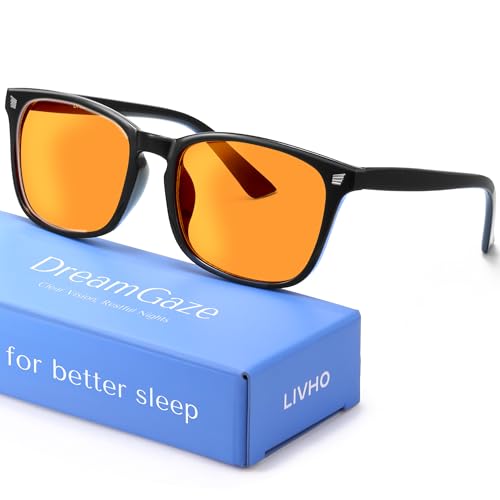
livho Gaming Blue Light Blocking Glasses for Better Sleep, Premium Night Driving, Computer Blockers for Man & Woman
REDUCE EYE STRAIN: These glasses for computer eye strain limit your blue-light exposure and alleviate eye strain, headaches,…
As an affiliate, we earn on qualifying purchases.
As an affiliate, we earn on qualifying purchases.

CCHEEN Smart Bracelet, Subscription-Free 24/7 Health Tracking, Heart Rate, SpO2, HRV & Sleep Tracker with IPX8 Waterproof, Wearable Activity & Fitness Tracker, 7-Day Battery, 2 Bands (Black)
Precision Health Tracking, No Monthly Fees: Get accurate, continuous monitoring of your heart rate, HRV, SpO2, and stress…
As an affiliate, we earn on qualifying purchases.
As an affiliate, we earn on qualifying purchases.