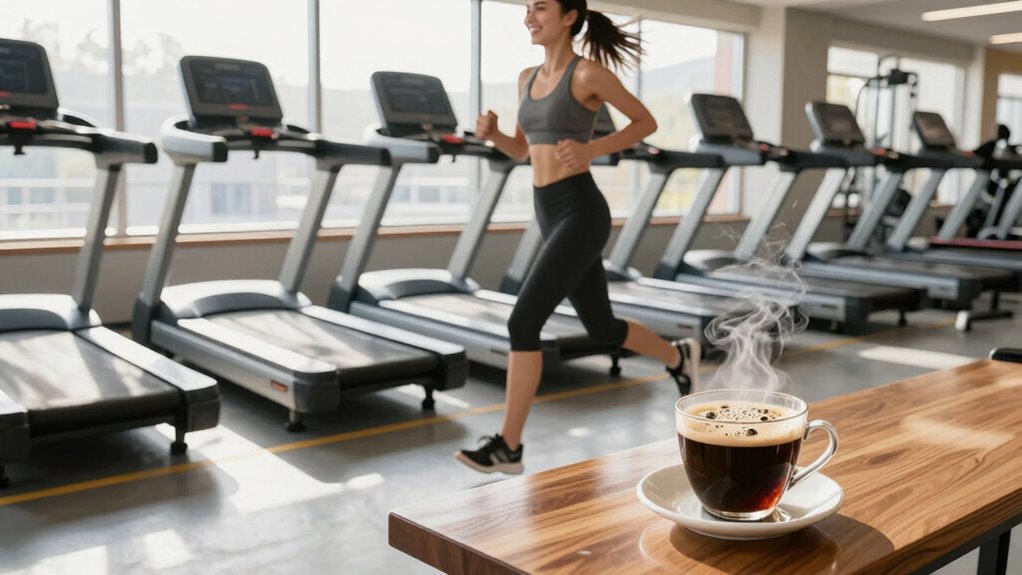

To find the caffeine sweet spot for exercise, aim for 3-6 mg per kg of your body weight about 30-60 minutes before you work out. Start with a lower dose to see how your body reacts and avoid excess that can cause jitters or crashes. Spread your intake and don’t consume on an empty stomach. With the right timing and amount, you’ll boost performance without side effects—if you keep exploring, you’ll discover more tips to optimize your caffeine use.
Key Takeaways
- Consume 3-6 mg of caffeine per kg of body weight about 30-60 minutes before exercise for optimal benefits.
- Start with lower doses to assess individual tolerance and avoid jitters or crashes.
- Spread caffeine intake throughout the day and avoid on an empty stomach to prevent anxiety.
- Monitor your response and adjust dosage or timing to find the “sweet spot” that boosts performance without side effects.
- Use moderate caffeine levels (~200 mg) and opt for natural sources like tea or dark chocolate for smoother energy.
Top picks for "caffeine exercise sweet"
Open Amazon search results for this keyword.
As an affiliate, we earn on qualifying purchases.
Understanding Caffeine’s Impact on Physical Performance

Caffeine is widely recognized for its ability to enhance physical performance, but understanding how it works can help you use it effectively. When you consume caffeine, it blocks adenosine receptors in your brain, reducing feelings of fatigue and increasing alertness. This boost in mental clarity often translates to improved focus and motivation during workouts. Caffeine also stimulates your central nervous system, leading to the release of adrenaline, which can enhance strength, speed, and endurance. Additionally, it helps mobilize fatty acids from fat tissues, making more energy available for prolonged activity. This combined effect means you may experience increased stamina, quicker reaction times, and reduced perceived effort. Recognizing how caffeine interacts with your nervous system allows you to harness caffeine’s benefits while minimizing potential downsides.
How Much Caffeine Is Optimal Before a Workout
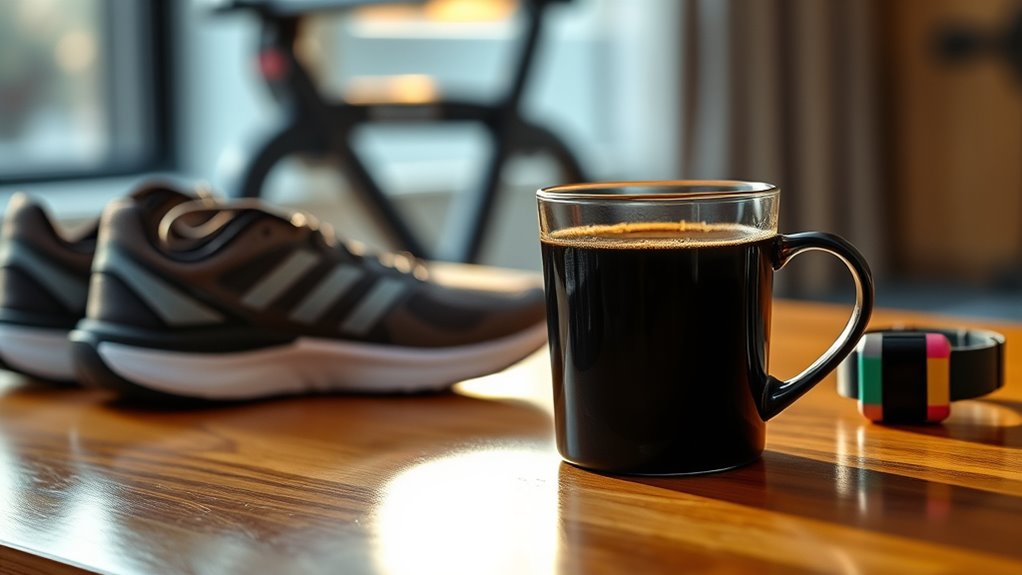
To optimize your workout performance, it’s important to consume the right amount of caffeine beforehand. Most research suggests that 3 to 6 milligrams per kilogram of body weight is effective for boosting alertness and endurance. For example, if you weigh 70 kg, about 210 to 420 mg of caffeine is ideal. Consuming caffeine about 30 to 60 minutes before exercise allows it to reach peak levels in your bloodstream. Keep in mind, individual tolerance varies, so start with a lower dose to assess your response. Avoid exceeding 6 mg/kg, as higher amounts can lead to jitters, increased heart rate, or a crash during your workout. Finding your sweet spot helps maximize benefits without negative side effects. Additionally, understanding the role of caffeine in exercise can help you tailor your intake for optimal performance. Being aware of personal caffeine sensitivity can further guide you in making safe and effective choices. Recognizing the net worth of fitness influencers can sometimes provide insights into popular supplement trends, including caffeine use. Moreover, selecting high-quality caffeine sources, such as reliable supplement brands, can ensure safety and consistency in your intake. Incorporating natural sources of caffeine, like tea or dark chocolate, can also be a gentler way to boost energy levels before workouts.
Recognizing Personal Tolerance and Sensitivity

Since everyone reacts differently to caffeine, it’s essential to recognize your own tolerance and sensitivity levels. Pay attention to how your body responds after consuming caffeine, especially during workouts. Do you feel energized, jittery, or anxious? Or do you experience little to no effect? Start with small amounts and note how you feel over time. If you notice symptoms like rapid heartbeat, stomach discomfort, or difficulty sleeping, you may have a lower tolerance. Conversely, if you need larger doses for the same effect, your tolerance might be higher. Tracking your reactions helps you find the right amount that boosts performance without causing unwanted side effects. Understanding individual caffeine sensitivity can further refine your approach for safer, more effective results. Additionally, being aware of your personal caffeine metabolism can help tailor your consumption to your body’s unique processing speed. Recognizing the metabolic rate at which your body processes caffeine can significantly impact how you should time your intake for optimal results. Incorporating biological factors such as genetics and overall health can also influence your caffeine response.
Timing Your Caffeine Intake for Maximum Benefit
Timing your caffeine intake correctly can considerably enhance your workout performance. To get the most benefit, consume caffeine about 30 to 60 minutes before exercising. This window allows your body to absorb caffeine fully, boosting alertness and endurance when you need it most. Avoid taking caffeine too early, as its effects might fade before your workout ends, or too late, which could interfere with your sleep. If you’re sensitive to caffeine, start with a smaller dose and adjust timing based on how your body reacts. Keep in mind that consistency helps your body anticipate caffeine’s effects, so try to stick to a regular schedule. Proper timing ensures you harness caffeine’s benefits without unnecessary jitters or a crash afterward. Being aware of your individual sensitivity to caffeine can help you tailor your intake for optimal results. Adjusting your hydration levels before exercise can also influence how effectively caffeine supports your workout. Additionally, considering hydrotherapy techniques like warm water or massage may further enhance your exercise recovery and overall performance. Incorporating sauna use after workouts can also aid in muscle relaxation and recovery, maximizing the benefits of your exercise routine. Moreover, following a balanced nutrition plan can further support your fitness goals and improve your overall workout experience.
Tips for Avoiding the Jitters and Crash

Even with careful timing, caffeine can cause jitters and a crash if you’re not cautious. To avoid this, start by monitoring your intake. Stick to moderate amounts—around 200 mg—so your body can process it smoothly. Avoid consuming caffeine on an empty stomach, as this can heighten anxiety and jitteriness. Stay hydrated, since caffeine is a diuretic, which can worsen side effects. Consider spreading out your caffeine consumption throughout the day instead of taking a large dose all at once. If you notice jitters or a crash, cut back gradually and switch to lower-caffeine options like tea or decaffeinated drinks. Listening to your body’s signals is key—adjust intake based on how you feel to maintain energy without unwanted side effects. Being aware of caffeine’s effects can help you better manage your intake and avoid adverse reactions. Additionally, understanding how lifestyle factors influence caffeine sensitivity can further optimize your energy management, such as considering sleep quality and overall health status. Recognizing the role of genetics and individual differences can also help tailor your caffeine use for better results.
Frequently Asked Questions
Can Caffeine Improve Endurance During Long Workouts?
Yes, caffeine can boost your endurance during long workouts by increasing alertness and reducing perceived effort. It stimulates your central nervous system, helping you push through fatigue. To maximize benefits without crashing, consume a moderate amount—about 3-6 mg per kilogram of body weight—about an hour before exercise. Just be sure not to overdo it, as too much caffeine can lead to jitters or dehydration, hindering performance.
Does Decaffeinated Coffee Offer Similar Benefits?
Decaffeinated coffee offers some benefits, but it’s not quite the same as regular caffeine. Like a shadow of the real thing, it provides antioxidants and a comforting ritual, yet misses the stimulating punch that boosts endurance and alertness. If you’re seeking a workout edge, opt for caffeinated coffee. Decaf can support your routine, but it won’t give you the same energizing kick to push through fatigue.
How Does Caffeine Affect Hydration During Exercise?
Caffeine can slightly increase urine production, potentially leading to dehydration if consumed in large amounts before exercise. However, moderate intake usually doesn’t markedly affect hydration levels during your workout. To stay well-hydrated, balance your caffeine intake with plenty of water and listen to your body’s signals. If you notice signs of dehydration, reduce caffeine and focus on drinking fluids that replenish electrolytes and water.
Is There a Difference Between Caffeine Sources (Coffee, Tea, Supplements)?
Think of caffeine sources as different melodies in a symphony—each has its unique tone but ultimately energizes you. Coffee, tea, and supplements all contain caffeine, but their effects can vary slightly due to other compounds like antioxidants and polyphenols. Coffee often delivers a stronger punch, while tea offers a gentler lift. Supplements provide precise doses, but the core stimulant remains the same, helping you power through your workout.
Can Caffeine Help With Post-Workout Recovery?
Yes, caffeine can aid your post-workout recovery by reducing perceived muscle soreness and fatigue, helping you feel better faster. It also boosts alertness and may improve glycogen replenishment when combined with carbohydrates. However, don’t rely solely on caffeine; proper nutrition, hydration, and rest are essential. Use caffeine strategically, ideally within a few hours after exercise, to enhance recovery without disrupting your sleep or causing jitters.
Conclusion
Finding that perfect caffeine dose is like discovering a secret weapon for your workouts—you’ll feel unstoppable without crashing down like a falling star. Remember to listen to your body, timing your intake just right, and avoid overdoing it to keep the jitters at bay. With a little trial and error, you’ll discover the magic sweet spot that boosts your performance without turning your energy into a rollercoaster ride. Stay energized and crush those workouts!