

Electrolytes are essential for your body’s fluid balance, nerve signals, and muscle function, but they only matter in specific situations. If you’re exercising intensely, sweating a lot, or recovering from illness, replenishing electrolytes can help prevent cramps and fatigue. For most people, a balanced diet provides enough. Overdoing it with supplements isn’t necessary and can be harmful. Want to discover when electrolytes really make a difference? Keep exploring to find out more.
Key Takeaways
- Electrolytes are vital for nerve function, muscle contractions, and fluid balance, especially during intense activity or illness.
- They are naturally obtained from a balanced diet; supplements are usually unnecessary unless experiencing dehydration or heavy sweating.
- Use electrolyte supplements during prolonged exercise, hot weather, or illness to replenish minerals lost through sweat or fluid loss.
- Over-consuming electrolytes can cause imbalances, leading to health risks like hypernatremia; moderation and necessity are key.
- For most people, plain water suffices for hydration; electrolytes matter primarily in specific situations like endurance sports or dehydration.
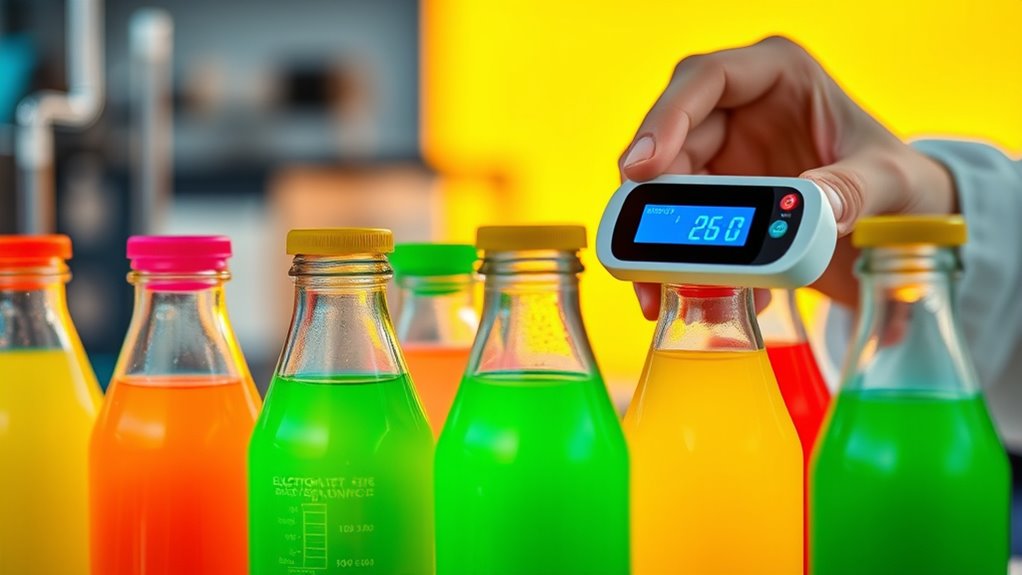
Electrolytes are minerals that carry an electric charge and play an essential role in keeping your body functioning properly. They help regulate your fluid balance, support nerve signaling, and enable muscle contractions. Because of their importance, many people assume that maintaining perfect electrolyte levels is vital at all times. However, it’s equally important to understand when your electrolyte levels truly matter and when they don’t.
You might have heard hydration myths suggesting that you always need to sip electrolyte drinks, even if you’re not sweating or engaging in intense activity. While these drinks can be helpful during prolonged exercise or in hot weather, they aren’t necessary for everyday hydration. Drinking plain water is often enough for most people, and over-relying on electrolyte supplements can sometimes do more harm than good. Your body naturally maintains a balance of electrolytes through your diet, and unless you’re losing significant amounts through sweating or illness, additional supplements aren’t typically needed.
When it comes to supplement benefits, it’s good to recognize that they can be advantageous in specific situations. For example, if you’re an endurance athlete or someone who sweats heavily during workouts, electrolyte supplements can help replenish minerals lost through sweat, preventing cramps and fatigue. Similarly, if you’re experiencing dehydration from illness, such as diarrhea or vomiting, electrolyte solutions can restore your mineral balance more efficiently than water alone. But for the average person with a balanced diet, most electrolytes are obtained naturally from foods like fruits, vegetables, dairy, and nuts, making supplements unnecessary.
It’s also important to be cautious about over-consuming electrolytes. Excessive intake, especially from supplements, can lead to imbalances, such as hypernatremia, which can cause serious health issues. That’s why it’s smart to focus on your actual needs rather than following generic advice to always supplement. Pay attention to your activity level, climate, and health status. If you’re feeling well and maintaining a balanced diet, your electrolyte levels are probably fine. Additionally, understanding the importance of high refresh rates and other projector features can significantly enhance your viewing experience.

Dr. Berg Electrolyte Capsules – Electrolyte Supplements for Supporting Energy, Endurance, and Hydration – Sugar Free, No Maltodextrin, Keto Friendly – 160 Caps
𝗢𝗡𝗟𝗬 𝟮 𝗣𝗘𝗥 𝗗𝗔𝗬 – These electrolyte capsules will help replenish your electrolytes and trace minerals. They're also…
As an affiliate, we earn on qualifying purchases.
As an affiliate, we earn on qualifying purchases.
Frequently Asked Questions
Can Electrolyte Levels Be Dangerously Imbalanced Without Symptoms?
Yes, electrolyte levels can be dangerously imbalanced without symptoms, especially with asymptomatic imbalances or chronic deficiencies. You might not notice any signs until the imbalance worsens, leading to severe health issues. Regular check-ups can help detect these imbalances early, even if you feel fine. Don’t ignore ongoing health concerns or persistent deficiencies; they can silently impact your body and require prompt treatment to prevent complications.
Do Athletes Need Electrolyte Supplements During Every Workout?
Think of your electrolytes as the sparks that keep your engine running smoothly. You don’t need to supplement during every workout, as hydration strategies and electrolyte intake depend on workout intensity and duration. For shorter sessions, water often suffices. Save electrolyte supplements for longer or intense workouts, timing them around your activity. This way, you fuel your body efficiently without overdoing it, like a well-tuned machine.
Are Natural Foods More Effective Than Sports Drinks for Electrolyte Balance?
Natural foods are often more effective than sports drinks for maintaining electrolyte balance because they provide a variety of nutrients alongside electrolytes. Fruits, vegetables, nuts, and dairy deliver potassium, magnesium, and calcium naturally, supporting overall health. Sports drinks can be useful during intense exercise or prolonged workouts, but for daily maintenance, choosing natural foods is a better, more balanced approach to replenishing electrolytes.
How Do Electrolyte Imbalances Affect Mental Health?
Electrolyte imbalances can hit your mental health like a lightning bolt, disrupting neurotransmitter function and mood regulation. When your electrolytes are off, you might feel anxious, irritable, or foggy—your brain’s communication system falters. Proper electrolyte balance keeps your nerves firing smoothly, supporting stable moods and clear thinking. Staying hydrated and maintaining a balanced diet helps prevent these mental health swings, ensuring your mind stays sharp and balanced.
Can Electrolyte Imbalances Be Inherited Genetically?
Yes, electrolyte imbalances can be inherited through genetic predisposition or inherited disorders. You might carry genes that affect how your body regulates electrolytes like sodium, potassium, or calcium. These inherited conditions, such as certain kidney or hormonal disorders, can make you more prone to imbalances. If you have a family history of such issues, it’s important to monitor your electrolyte levels regularly and consult your healthcare provider for personalized advice.

Nectar Hydration Packets – Electrolytes Powder Packets – Sugar Free & 0 Calorie – Organic Fruit Liquid Daily IV Electrolytes Powder for Dehydration Relief and Rehydration (Variety 30 Pack)
All Natural Rapid Hydration – A clean, daily electrolyte drink mix optimized to hydrate you rapidly. These rehydration…
As an affiliate, we earn on qualifying purchases.
As an affiliate, we earn on qualifying purchases.
Conclusion
Understanding electrolytes is like knowing when to steer your ship through stormy waters and when to let calm seas carry you. When your body’s balance is disrupted, electrolytes are your guiding compass. But sometimes, they’re just passengers along for the ride. Keep an eye on your hydration and health, and don’t overcomplicate things. With the right balance, you’ll navigate life’s currents smoothly, knowing when electrolytes matter and when they’re simply along for the journey.
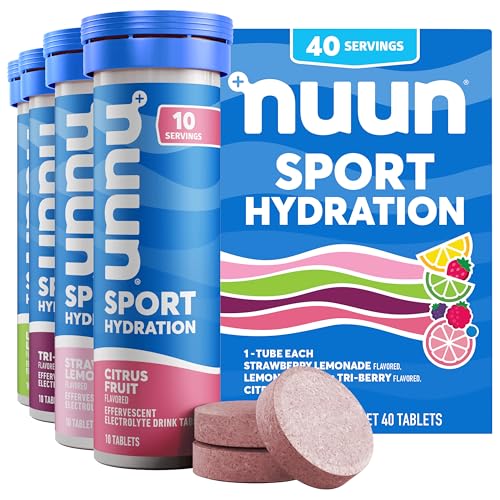
Nuun Sport Electrolyte Tablets with Magnesium, Calcium, Potassium, Chloride & Sodium, Gluten Free & Vegan, Mixed Flavor, 4 Pack (40 Servings Total)
MADE FOR PROACTIVE HYDRATION: Nuun Sport is made for proactive hydration to support your active lifestyle; these effervescent…
As an affiliate, we earn on qualifying purchases.
As an affiliate, we earn on qualifying purchases.

Electrolytes for Dogs – Vet-Formulated Hydration Supplement– Supports Post-Surgery & Illness Recovery– Helps Replenish Fluids & Electrolytes Lost from Diarrhea, Vomiting & Poor Appetite
Supports Recovery After Surgery & Illness Our electrolyte powder is designed to support dogs recovering from surgery, illness,…
As an affiliate, we earn on qualifying purchases.
As an affiliate, we earn on qualifying purchases.