

Your body needs protein to build tissues, repair muscles, support your immune system, and give you steady energy. Most adults require about 0.36 grams of protein per pound of body weight daily, but active individuals or those aiming to build muscle need more. Factors like age, activity level, and health influence your actual needs. To learn how to choose the right sources and optimize your intake, keep exploring these simple protein basics.
Key Takeaways
- The average sedentary adult needs about 0.36 grams of protein per pound of body weight daily.
- Active individuals and athletes may require 0.5 to 1 gram per pound for muscle repair and performance.
- Older adults and those recovering from illness might need more protein to maintain muscle mass and support healing.
- Protein needs vary based on activity level, age, health, and specific goals like muscle building or weight loss.
- Consuming a variety of protein sources—animal and plant-based—helps meet daily requirements effectively.

Optimum Nutrition Gold Standard 100% Whey Protein Powder, Double Rich Chocolate 1.98 Pound (Packaging May Vary)
24 g High-Quality Whey Protein per Scoop – 100% of the protein from whey for a fast-absorbing, complete…
As an affiliate, we earn on qualifying purchases.
As an affiliate, we earn on qualifying purchases.
Why Protein Matters for Your Body
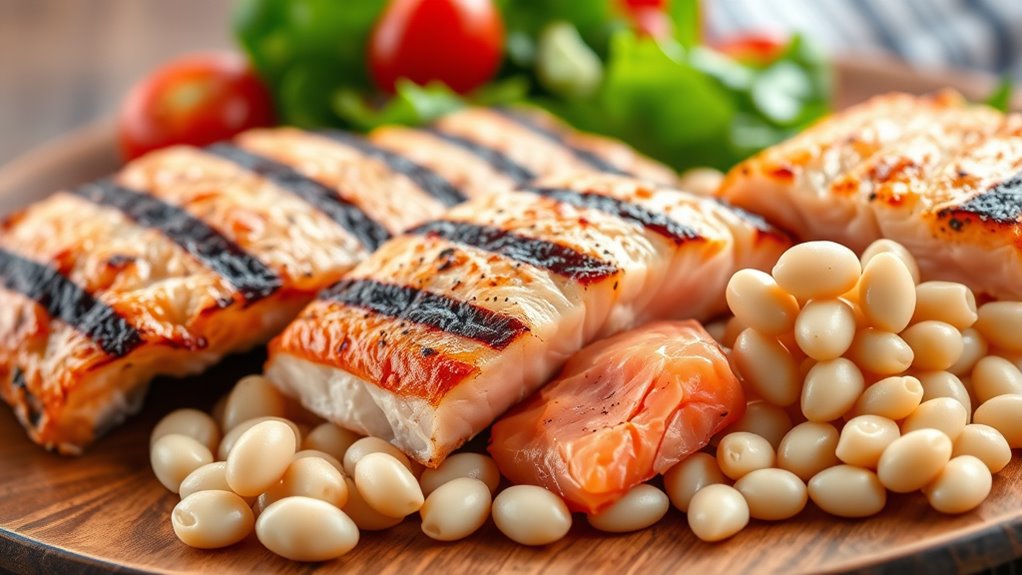
Protein is essential because it provides the building blocks your body needs to function properly. Every cell you have relies on protein to stay healthy and work efficiently. It helps repair damaged tissues, supports immune function, and sustains muscle growth. Without enough protein, your body struggles to rebuild and maintain itself. Your enzymes, which drive countless chemical reactions, are made of protein, so your metabolism depends on it. Hormones like insulin and growth factors also contain protein, regulating critical processes. If you don’t get enough, you might feel weak, fatigued, or have trouble healing. Proper nutrition plays a vital role in maintaining adequate protein levels for overall health. Additionally, understanding the biological functions of protein can help you better appreciate its importance in your daily diet. Maintaining a balanced intake of protein supports muscle maintenance and overall vitality, especially as your body ages. Incorporating hydration is also crucial, as water works alongside protein to optimize cellular functions and overall health.

Orgain Organic Vegan Protein Powder, Natural Unsweetened – 21g of Unflavored Plant Protein, 4g Prebiotic Fiber, Low Net Carbs, No Added Sugar, Non-GMO, For Shakes & Recipes, 1.59 lb
CLEANER INGREDIENTS: 21g of Organic plant based protein and 0g sugar. Our protein blend contains Organic peas, brown…
As an affiliate, we earn on qualifying purchases.
As an affiliate, we earn on qualifying purchases.
The Role of Protein in Daily Life

Protein plays a vital role in your daily life by helping build and repair tissues, so your body stays strong and healthy. It also supports your immune system to fight off illnesses and provides a steady energy source when you need it most. Including enough protein in your diet guarantees your body functions at its best every day. Additionally, understanding net worth estimates of public figures can give insight into their success and financial stability. Recognizing the importance of contrast ratio in visual clarity highlights how critical quality components are for optimal performance. Moreover, just as the horsepower of electric dirt bikes indicates performance capacity, adequate protein intake reflects your body’s ability to perform and recover efficiently. Knowing how lease terms and costs impact your overall budget can help you make better dietary and financial decisions. Proper nutrition is essential for maintaining overall health and supporting your daily activities.
Building and Repairing Tissues
Since your body is constantly exposed to wear and tear, it relies on the power of proteins to build and repair tissues quickly. When you get injured or experience muscle strain, proteins step in to help heal and restore. They form the structural components of skin, muscles, and organs, ensuring everything stays functional. To understand this better, here’s a quick look at common tissues and their protein sources:
| Tissue Type | Protein Source |
|---|---|
| Skin | Collagen, keratin |
| Muscles | Myosin, actin |
| Blood vessels | Elastin, collagen |
| Organs | Structural proteins |
| Wound healing | Fibronectin, fibrin |
Your daily protein intake directly affects how well these tissues repair and stay healthy. Responsible use of protein sources is essential to maintain overall health and tissue repair efficiency. Additionally, understanding protein requirements can help optimize recovery and prevent deficiencies.
Supporting Immune Function
Have you ever wondered how your body defends itself against illnesses and infections? Protein plays a crucial role in supporting your immune system. It provides the building blocks for immune cells, like antibodies, which identify and neutralize harmful pathogens. Without enough protein, your body may struggle to produce these immune components efficiently. A balanced intake ensures your immune defenses stay strong, especially during times of stress or illness. Lean meats, dairy, beans, and nuts supply essential amino acids necessary for immune health. Consuming adequate protein helps maintain the integrity of your immune system, making it better equipped to fight off infections. Additionally, filtration and pump protection highlight the importance of maintaining proper equipment to ensure consistent performance, which can be likened to the importance of proper nutrition for your body. Understanding energyLast can help you optimize your daily nutritional intake, including protein, to support your immune function. So, keeping your protein intake sufficient isn’t just about muscle—it’s about protecting your overall health and resilience. Proper nutritional planning ensures that your body has all the vital nutrients needed for optimal immune performance. Regularly monitoring your cybersecurity measures can help protect your health data from potential breaches, especially when managing health-related information online.
Providing Energy Source
Ever wonder how your body keeps going throughout the day? Protein plays a key role as an energy source, especially when carbs are scarce. While carbs are your main fuel, your body can break down protein into glucose through a process called gluconeogenesis. This is useful during fasting, intense exercise, or when your diet lacks enough carbs. However, protein isn’t meant to replace carbs for energy; its primary job is to repair tissues and support essential functions. When your body relies on protein for energy, it’s a sign that other fuel sources are running low. To stay energized and healthy, balance your diet with sufficient protein, carbs, and fats, so your body gets what it needs without overusing your protein reserves. Understanding energy sources can help you optimize your nutrition for better overall health. Additionally, some specialized conversion kits, like those used for e-bikes, demonstrate how technology can enhance performance and adaptability in various fields.

Pure Protein Fruity PEBBLES™ Protein Bars – 20g Protein, 3g Sugar, 190 Calories (4 count) Low Sugar* High Protein Snack – Gluten Free – Perfect for a Healthy Snack.
Protein Bars Low Sugar* High Protein – this bar contains just 3g of sugar and balanced macros, offering…
As an affiliate, we earn on qualifying purchases.
As an affiliate, we earn on qualifying purchases.
How Much Protein Do Different People Need?

Your protein needs depend on your age, activity level, and personal goals. Active individuals or those aiming to build muscle typically require more protein than someone with a sedentary lifestyle. Understanding these factors helps determine the right amount for your specific needs. Additionally, knowing recommended intake levels can help you make informed dietary choices.
Varies by Age
The amount of protein you need varies considerably with age, reflecting different growth, development, and maintenance needs. Infants and young children require more protein per pound of body weight to support rapid growth. As you grow into adolescence, your needs stay high to fuel ongoing development. Adults generally need less protein relative to their size, mainly for maintaining muscle and body functions. Older adults might need a bit more to prevent muscle loss and support overall health. Babies, children, teenagers, adults, and seniors all have different requirements, so your ideal intake depends on your stage of life. Knowing these differences helps you tailor your diet for the most suitable health and growth at every age.
Activity Level Impact
Activity level plays a significant role in determining how much protein you need each day. If you’re mostly sedentary, your body requires less protein—think about fueling basic functions. For moderate activity, like regular walks or light workouts, your needs increase to support recovery and energy. If you’re highly active or an athlete, your body demands even more protein to repair muscles and sustain performance. You can also consider exercise intensity when estimating your protein needs. Visualize this:
- Sitting at your desk, barely breaking a sweat, needing minimal protein.
- Jogging or doing light workouts, boosting your protein needs slightly.
- Training intensely or competing, requiring a substantial increase to rebuild muscles. Recognizing activity level is essential for tailoring your nutritional intake effectively. The more you move and challenge your body, the more fuel it needs to stay strong and recover efficiently. Understanding activity levels helps tailor your nutritional requirements precisely, especially considering how haute couture emphasizes intricate details and craftsmanship, paralleling the importance of meticulousness in nutritional planning and mindful health choices.
Goals Matter Most
Goals greatly influence how much protein you need each day. If you’re aiming to build muscle, you’ll require more protein than someone focused on weight maintenance. Conversely, if you’re trying to lose weight, a moderate protein intake can help preserve muscle while shedding fat. Athletes or those recovering from injury also need extra protein to support repair and growth. On the other hand, if your goal is simply to stay healthy and active, the standard recommended intake might suffice. Your specific goals determine the right amount of protein to prioritize, so it’s vital to tailor your intake accordingly. Knowing what you want to achieve helps you set realistic targets and ensures you’re fueling your body appropriately for your personal objectives. Additionally, understanding artistic influences can help you appreciate how different disciplines like modern art, public installations, or cultural heritage impact the broader context of health and lifestyle choices.

Muscle Milk Pro Series Protein Powder Supplement,Knockout Chocolate,2 Pound,11 Servings,50g Protein,3g Sugar,20 Vitamins & Minerals,NSF Certified for Sport,Workout Recovery,Packaging May Vary
Contains one (1) 2 pound cannister (about 11 servings) of Muscle Milk Pro Series Protein Powder Supplement. Packaging…
As an affiliate, we earn on qualifying purchases.
As an affiliate, we earn on qualifying purchases.
Factors That Influence Your Protein Needs

Your protein needs can vary widely depending on several key factors. First, your age impacts how much protein you require; as you get older, maintaining muscle mass becomes harder, so you might need more. Second, your activity level plays a big role—if you’re active or exercise regularly, your body needs extra protein to repair muscles and support recovery. Third, your overall health status influences your needs; for example, illness or injury can increase your protein requirements to help healing. Picture these factors as different gears in a machine, all working together to determine your ideal intake. Whether you’re a sedentary adult, an athlete, or recovering from illness, understanding these factors helps you tailor your protein intake for maximum health.
Recognizing Protein-Rich Foods

You can identify protein-rich foods by looking for both animal-based options like meats, eggs, and dairy, as well as plant-based choices such as beans, nuts, and grains. Each source provides different types of protein that can fit your dietary preferences. Recognizing these foods helps you build a balanced, protein-packed diet.
Animal-Based Protein Sources
Animal-based proteins are among the most complete and easily absorbed sources of protein available. When you include them in your diet, you get all essential amino acids your body needs. Think of these foods as power-packed options that support muscle growth, repair, and overall health. To recognize these protein-rich foods, imagine:
- Fresh cuts of lean meat like chicken breasts or beef steaks, sizzling on the grill.
- Rich, golden eggs, whether scrambled or boiled, packed with nutrients.
- Fish such as salmon or tuna, flaky and tender, loaded with omega-3 fatty acids and protein.
These foods are straightforward to identify and incorporate into your meals, helping you meet your daily protein needs efficiently.
Plant-Based Protein Options
Plant-based proteins offer a diverse range of nutritious options that can easily be incorporated into your diet. Foods like beans, lentils, chickpeas, tofu, tempeh, and edamame are excellent sources of protein that suit various tastes and cooking styles. Quinoa and amaranth are grains that provide complete proteins, meaning they contain all essential amino acids. Nuts and seeds, such as almonds, chia, and hemp seeds, also boost your protein intake while adding healthy fats. Incorporating these foods into your meals can help you meet your daily protein needs without relying on animal products. Plus, they often come with fiber, vitamins, and minerals, supporting overall health. So, you have plenty of plant-based options to diversify your diet and maintain your protein intake.
How to Calculate Your Daily Protein Intake

Calculating your daily protein intake is essential for supporting your body’s needs, whether you’re aiming to build muscle, maintain health, or recover from activity. To figure out how much protein you need each day, start by considering your weight, activity level, and goals.
Think of these key steps:
- Multiply your body weight in pounds by 0.36 to find your baseline protein needs.
- Adjust this number based on your activity level—more active individuals may need 0.5 to 0.8 grams per pound.
- For specific goals like muscle gain, increase your intake accordingly, often up to 1 gram per pound.
This simple approach helps you pinpoint the right amount without guesswork.
Protein Needs for Athletes and Active Individuals

For athletes and active individuals, meeting increased protein needs is essential for peak performance and recovery. When you engage in regular exercise or sports, your muscles experience more stress and damage, which requires extra protein to repair and grow stronger. The general recommendation is about 1.2 to 2.0 grams of protein per kilogram of body weight daily, depending on your activity level and goals. Endurance athletes might aim for the lower end, while strength trainers often need more. Spreading your protein intake evenly across meals helps optimize absorption and muscle synthesis. Incorporating high-quality sources like lean meats, dairy, eggs, beans, and plant-based options guarantees you get the amino acids your body needs. Staying consistent with your intake supports your performance, recovery, and overall strength.
Protein Intake for Weight Loss and Maintenance

Have you ever wondered how protein can support your weight loss and maintenance goals? When you include enough protein in your diet, it helps you feel full longer, reducing overeating. It also preserves muscle mass while shedding fat, keeping your metabolism active. To visualize, think of these key points:
- Filling your plate with lean meats, eggs, or beans keeps hunger at bay.
- Incorporating protein-rich snacks prevents cravings between meals.
- Ensuring adequate intake supports muscle retention during calorie deficits.
Common Mistakes When Counting Protein

While focusing on getting enough protein is important for weight management, many people stumble by making common mistakes when counting their intake. One mistake is underestimating portion sizes, which leads to eating less protein than intended. Another error is counting only protein-rich main meals and ignoring snacks, missing out on additional intake. You might also overlook the protein content in foods you don’t associate with protein, like bread or vegetables. Some people rely solely on protein supplements, assuming they cover all needs, but whole foods provide essential nutrients that supplements can’t replace. Additionally, not reading nutrition labels carefully can cause miscalculations. Finally, forgetting to track intake regularly makes it difficult to gauge if you’re meeting your goals consistently. Avoid these mistakes to get an accurate picture of your protein consumption.
Tips for Incorporating Enough Protein Into Your Diet

To effectively incorporate enough protein into your diet, start by planning balanced meals that include a variety of protein sources. This guarantees you get all essential amino acids and keeps your meals interesting. Focus on including:
Incorporate diverse protein sources for balanced, enjoyable meals that meet your daily needs.
- Lean meats like chicken or turkey, grilled or baked to retain nutrients.
- Plant-based options such as beans, lentils, or tofu, adding fiber and vitamins.
- Dairy or dairy alternatives like Greek yogurt or fortified plant milk, providing calcium and protein.
Mixing these options across your meals helps prevent boredom and guarantees you meet your daily protein needs. Keep portion sizes in check—aim for about a palm-sized serving of meat or a half-cup of beans. With thoughtful planning, boosting your protein intake becomes simple and enjoyable.
Frequently Asked Questions
Can Vegetarians Get Enough Protein Without Eating Meat?
Yes, you can get enough protein without eating meat. Focus on plant-based sources like beans, lentils, tofu, tempeh, nuts, seeds, and whole grains. Combining different protein-rich foods guarantees you get all essential amino acids. Eating a variety of these foods daily helps you meet your protein needs naturally. With careful planning, vegetarians can easily maintain a balanced, protein-rich diet without any meat.
Are Protein Supplements Necessary for a Balanced Diet?
Protein supplements aren’t always necessary; they’re like spice on a well-cooked meal—useful but not essential. If you eat a balanced diet rich in whole foods like beans, nuts, dairy, and grains, you’ll naturally meet your protein needs. Supplements can fill gaps if your meals lack variety, but they shouldn’t replace real food. Focus on whole, nutrient-dense options, and your body will thank you with strength and energy.
How Does Aging Affect My Protein Requirements?
As you age, your protein needs increase to help maintain muscle mass, strength, and overall health. You might notice a decline in muscle if you don’t adjust your intake. It’s important to include enough high-quality protein sources like lean meats, dairy, or plant-based options in your diet. Staying mindful of your protein consumption can help you stay active, prevent frailty, and support recovery as you get older.
Is It Possible to Consume Too Much Protein?
Yes, you can consume too much protein, and overdoing it can lead to health issues like kidney strain and dehydration. While your body needs protein for muscle and tissue repair, excess amounts don’t boost benefits and may cause harm. Think of it like filling a glass—once it’s full, pouring in more just causes spills. Stick to recommended amounts, and your body will thank you for the right balance.
Do Different Protein Sources Impact Health Differently?
Yes, different protein sources impact your health differently. Animal proteins like meat and dairy provide complete proteins but can be high in saturated fats, affecting heart health. Plant-based proteins, such as beans and nuts, are lower in fats and contain fiber and antioxidants, which benefit your digestion and immunity. Balancing diverse sources helps you get essential amino acids while supporting overall health and reducing risks associated with overconsumption of certain proteins.
Conclusion
Think of your body as a busy construction site—you need enough bricks (protein) to build and repair everything. Knowing how much protein you need helps you keep your foundation strong and your structure sturdy. Don’t let your diet be a half-built project; aim for the right amount to support your goals and keep everything running smoothly. When you prioritize protein, you’re giving your body the tools it needs to thrive every day.