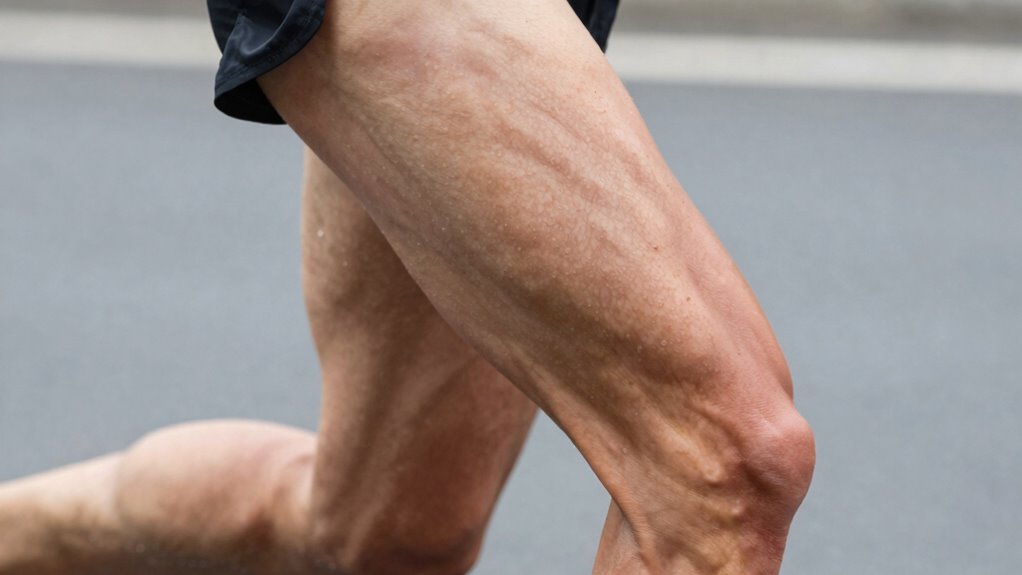

If your hip flexors are tight or weak, running and cycling can feel worse because muscle imbalances change your movement patterns and cause discomfort. Tight hip flexors limit flexibility and put strain on surrounding muscles, while weak ones fail to support proper motion. This imbalance can lead to pain, inefficiency, and increased risk of injury. Addressing both flexibility and strength issues is key to improving your performance. Keep exploring to discover effective strategies to restore your hip health.

Get workout gear delivered free with Prime
- Fast, free delivery on millions of items
- Prime Video, Amazon Music and more included
- Member-only deals all year
Key Takeaways
- Tight hip flexors can cause altered gait and inefficient movement, worsening discomfort during running and cycling.
- Weak hip flexors may lead to compensatory muscle activity, increasing strain and fatigue in related muscles.
- Muscle imbalances from prolonged sitting or poor posture exacerbate hip flexor tightness, impairing performance.
- Lack of flexibility and strength in hip flexors disrupts smooth hip motion, causing pain and reduced endurance.
- Ignoring tightness or weakness can lead to further imbalance, increasing injury risk during high-impact activities.
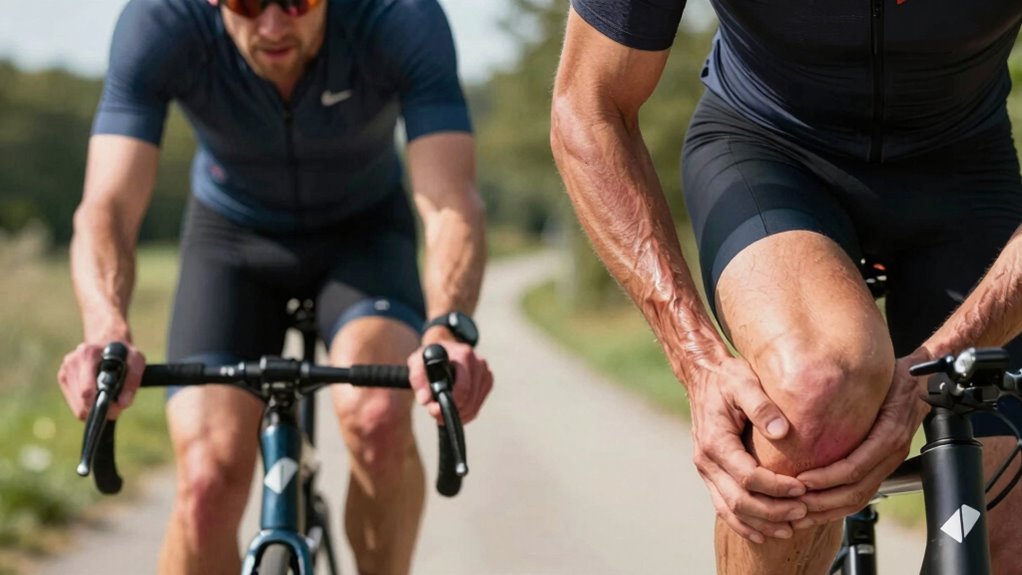
Have you ever experienced tightness or pain in your hip area that makes movement uncomfortable? If so, you’re not alone. Many people notice that running or cycling feels worse when their hips are stiff or sore. Often, this discomfort isn’t just about overexertion; it can stem from issues with your hip flexors, the group of muscles that lift your knees and bring your thighs toward your torso. When these muscles become tight or weak, it throws off your movement patterns, leading to a cycle of discomfort.
One common cause of this problem is muscle imbalances. Your hip flexors might be overly tight from prolonged sitting, poor posture, or repetitive activities, which shortens these muscles and reduces their flexibility. Conversely, if your hip flexors are weak, they can’t support proper movement, forcing other muscles to compensate. This imbalance can cause pain, reduce your stride efficiency, and make both running and cycling feel more strenuous and less fluid. To combat this, incorporating targeted hip flexor stretches is essential. These stretches help lengthen tight muscles, restore balance, and improve mobility. When done regularly, hip flexor stretches can alleviate tightness, decrease pain, and enhance your overall performance.
Muscle imbalances from sitting, poor posture, or repetitive activities can tighten or weaken your hip flexors, affecting movement and comfort.
But stretching alone isn’t enough. You need to recognize and address muscle imbalances. Strengthening weak hip flexors and surrounding core muscles can provide better support and stability, reducing undue stress on the joint. If you focus solely on stretching without strengthening, the problem might persist or worsen over time. Ensuring a balanced approach—stretching tight muscles and strengthening weak ones—is key to resolving the hip flexor problem. Additionally, understanding how muscle imbalances contribute to movement issues can help you target the root cause of discomfort more effectively. Recognizing the importance of posture and daily habits can also play a critical role in prevention and recovery.
You might also notice that poor posture or sitting for long periods exacerbates the issue. When you sit, your hip flexors stay shortened, making them tighter over time. Regularly standing up, moving around, and doing specific stretches can counteract this effect. Paying attention to your body’s signals during activity can help you identify if your hips are tight or weak. If you feel persistent pain or tightness that interferes with your running or cycling, consider consulting a physical therapist. They can assess your muscle imbalances and create a tailored plan that includes dynamic stretches, strengthening exercises, and mobility drills. Incorporating appropriate movement patterns can further enhance recovery and prevent future issues. Staying informed about proper technique during activity can also help minimize strain and protect your hips from injury.
Addressing the hip flexor problem early can make a significant difference. With consistent effort—through targeted hip flexor stretches, strengthening exercises, and proper posture—you’ll likely find that your movements become smoother, and your pain diminishes. Don’t ignore the signs; your hips are telling you something. Fixing these issues now will help you enjoy your favorite activities without discomfort and keep you moving efficiently for years to come.
As an affiliate, we earn on qualifying purchases.
Frequently Asked Questions
Can Hip Flexor Issues Cause Lower Back Pain?
Yes, hip flexor issues can cause lower back pain because of their role in hip flexor anatomy and lower back mechanics. When your hip flexors are tight or weak, they can alter how your pelvis and spine move, leading to added strain on your lower back. This imbalance makes it easier to develop pain during activities like running or cycling, affecting your overall comfort and performance.
How Long Does It Take to Recover From a Hip Flexor Strain?
Picture your hip flexor as a delicate garden in need of tender care. Recovery time varies, but generally, muscle healing takes about 2 to 6 weeks depending on severity. Rest strategies like avoiding strenuous activity, gentle stretching, and proper hydration speed healing and prevent setbacks. Stay patient and consistent, and you’ll nurture your muscles back to health, allowing you to return to your favorite activities stronger than ever.
Are There Specific Stretches to Prevent Hip Flexor Problems?
Yes, incorporating hip flexor stretches and preventive exercises can help avoid issues. You should regularly perform hip flexor stretches like lunges or kneeling stretches to loosen tight muscles. Adding strength exercises like leg raises or bridges strengthens the area. Consistency is key; doing these stretches and preventive exercises daily helps maintain flexibility and stability, reducing the risk of strain and discomfort during activities like running and cycling.
Can Poor Posture Worsen Hip Flexor Pain?
Absolutely, poor posture can throw a wrench in your hip flexor health. When you slouch or don’t sit correctly, it puts extra strain on these muscles, making pain worse. Focus on posture correction and ergonomic tips, like adjusting your chair height and sitting with your back straight. Staying mindful of your posture throughout the day helps prevent aggravating your hip flexor pain and keeps you moving comfortably.
Is Surgery Ever Necessary for Chronic Hip Flexor Pain?
Surgery isn’t always necessary for chronic hip flexor pain. You should explore surgical alternatives first, such as physical therapy, injections, or anti-inflammatory treatments. These options often lead to good long-term outcomes if you catch the issue early and follow your healthcare provider’s advice. Surgery might be considered if these alternatives fail, but most people experience relief without it, especially with proper management and rehabilitation.
hip flexor strengthening exercises equipment
As an affiliate, we earn on qualifying purchases.
As an affiliate, we earn on qualifying purchases.
Conclusion
Think of your hips as the engine of your body’s vehicle—when they’re tight or strained, everything else grinds to a halt. Ignoring hip flexor issues is like neglecting a vital oil leak; over time, it’ll cause your performance to sputter and stall. So, give your hips the care they deserve, stretch, strengthen, and listen to your body. Keep that engine running smoothly, and you’ll find running and cycling become enjoyable journeys again.
As an affiliate, we earn on qualifying purchases.
As an affiliate, we earn on qualifying purchases.
Columbus Day / Indigenous Peoples' Day Picks
long weekend sales
As an affiliate, we earn on qualifying purchases.