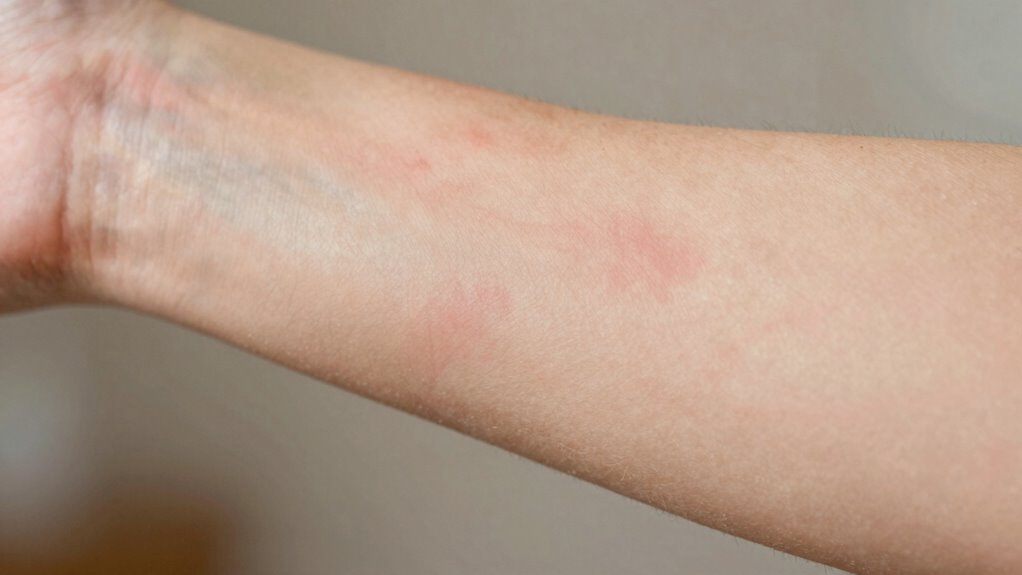

You can tell normal soreness from a sign to back off by how it feels and lasts. Normal soreness is dull, aching, and peaks within a few days, helping your muscles adapt. If pain is sharp, stabbing, or worsens over time, it’s a sign to rest and seek help. Persistent pain, swelling, bruising, or decreased strength also indicate injury. Knowing these clues helps protect your body; keep exploring to learn more about staying safe during your workouts.

Get workout gear delivered free with Prime
- Fast, free delivery on millions of items
- Prime Video, Amazon Music and more included
- Member-only deals all year
Key Takeaways
- Normal soreness feels dull and peaks within 24-72 hours, while injury pain is sharp and persistent.
- Soreness typically improves with gentle activity; worsening pain suggests need to back off.
- Swelling, bruising, or loss of strength indicate possible injury, not normal DOMS.
- Pain lasting over several days or worsening with movement signals a sign to rest and seek medical advice.
- Manage normal soreness with stretching and light activity; severe or unusual symptoms require professional evaluation.
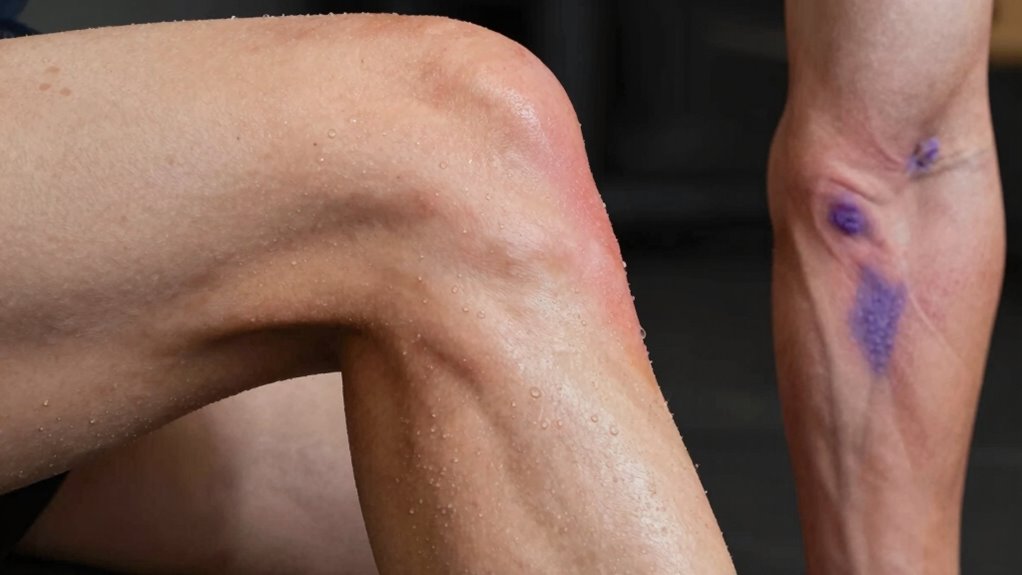
After a tough workout or a new physical activity, it’s common to feel some soreness, but knowing when to push through and when to back off can be tricky. Normal soreness, often called delayed onset muscle soreness (DOMS), typically feels like a dull, aching sensation in the muscles and usually peaks within 24 to 72 hours. This kind of discomfort indicates your muscles are adapting and growing stronger. To manage it, you can use recovery techniques like gentle stretching, foam rolling, or light activity to promote blood flow. Proper recovery not only eases soreness but also plays a key role in injury prevention by helping your muscles repair and reducing the risk of overuse injuries.
Normal soreness (DOMS) signals muscle adaptation and can be managed with gentle recovery techniques.
However, soreness isn’t always a good sign. If the pain intensifies or feels sharp, stabbing, or lasts longer than a few days, it could be a sign that you’ve pushed too hard or sustained an injury. Persistent pain that worsens with movement might signal strains, tears, or other tissue damage. In these cases, pushing through could make things worse, leading to more serious injury or setbacks. You should listen closely to your body—if the discomfort feels different from normal DOMS, it’s wise to back off and give your body time to recover. Ignoring warning signs can undermine your progress and lead to longer-term issues.
Another indicator to consider is swelling, bruising, or a noticeable decrease in strength or range of motion. These symptoms suggest more than just muscle fatigue and should prompt you to seek medical advice or rest. Rest is a crucial part of injury prevention; forcing yourself to work through pain can turn a minor issue into a major problem. During recovery, prioritize techniques like ice, elevation, and gentle stretching to reduce inflammation and support healing. Understanding the role of muscle recovery and implementing proper techniques are essential for maintaining your fitness routine and avoiding chronic injuries. Recognizing early signs of injury can help prevent long-term damage and ensure a safer return to activity.
Additionally, being aware of your body’s injury signals can help you make informed decisions about when to rest or seek professional care. Incorporating proper recovery techniques into your routine can accelerate healing and prevent setbacks. It’s also important to understand that not all pain is the same—distinguishing between normal soreness and injury-related pain depends on paying close attention to the nature and intensity of discomfort. Ultimately, understanding the difference between normal soreness and pain that signals trouble is key to staying healthy and consistent in your fitness journey. Pay attention to how your body responds after each workout. If the soreness is manageable, give yourself time to recover with appropriate techniques. If it’s persistent, sharp, or accompanied by other symptoms, don’t hesitate to rest and seek professional help. This awareness helps you push your limits safely while prioritizing injury prevention, ensuring you can stay active and avoid setbacks.
As an affiliate, we earn on qualifying purchases.
Frequently Asked Questions
Can Emotional Stress Cause Physical Soreness Similar to Muscle Fatigue?
Yes, emotional stress can cause physical soreness similar to muscle fatigue. When you’re emotionally fatigued, your stress triggers tension in your muscles, leading to stress-related pain. You might notice tightness, aching, or soreness without physical activity. This type of pain often worsens with emotional strain, so it’s important to recognize emotional fatigue’s impact. Managing stress through relaxation techniques can help ease stress-related pain and prevent it from becoming more severe.
How Long Should Normal Soreness Typically Last?
Imagine your muscles as a busy construction site, repairing and rebuilding after a hard day’s work. Normal soreness usually lasts 24 to 72 hours, depending on exercise intensity. During muscle recovery, your body adapts, making you stronger. If soreness persists beyond this window or worsens, it’s a sign to back off. Listen to your body, and allow time for proper recovery to prevent injury and optimize progress.
Are There Specific Signs That Indicate an Injury Rather Than Normal Soreness?
You’ll notice signs of injury if you experience sudden, sharp pain, persistent muscle tears, or joint pain that worsens with activity. Unlike normal soreness, which feels dull and fades with rest, injury signs often include swelling, bruising, or limited movement. If pain persists beyond a few days or intensifies, it’s a clear sign to back off and seek medical advice to prevent further damage.
Can Soreness Indicate an Underlying Medical Condition?
Soreness can sometimes signal an underlying medical condition, especially if it persists or worsens. Dietary influences like deficiencies in vitamins or minerals might cause unusual muscle pain, while sleep deprivation can lead to increased soreness and slow recovery. If your soreness doesn’t improve with rest, proper nutrition, or sleep, or if it’s severe, it’s best to consult a healthcare professional to rule out medical issues.
Is It Safe to Push Through Soreness During a Workout?
Pushing through soreness can be like ignoring a warning sign on a stormy road—dangerous. If you ignore overtraining symptoms or nutritional deficiencies, you risk serious injury or burnout. While mild soreness is normal, persistent pain signals your body needs rest. You should listen carefully, knowing that sometimes backing off protects your future progress. Prioritize recovery, nourish your body, and push wisely—your strength grows from smart choices.
As an affiliate, we earn on qualifying purchases.
Conclusion
Remember, feeling some soreness is normal after pushing yourself, but don’t ignore persistent pain or sharp discomfort—that’s your body’s way of telling you to back off. It might seem tempting to push through, but doing so can lead to injury. Trust your instincts and listen carefully; recovery is part of progress. If unsure, consult a professional. Prioritize safety over stubbornness—your body will thank you for it.
As an affiliate, we earn on qualifying purchases.
stretching bands for workout recovery
As an affiliate, we earn on qualifying purchases.
As an affiliate, we earn on qualifying purchases.
Halloween Picks
halloween
As an affiliate, we earn on qualifying purchases.