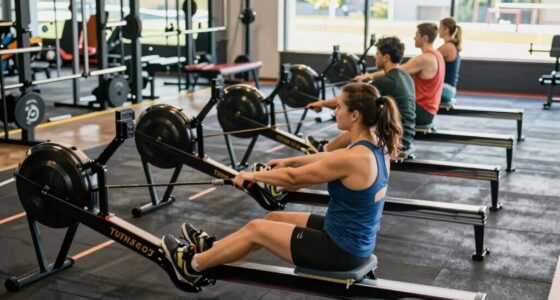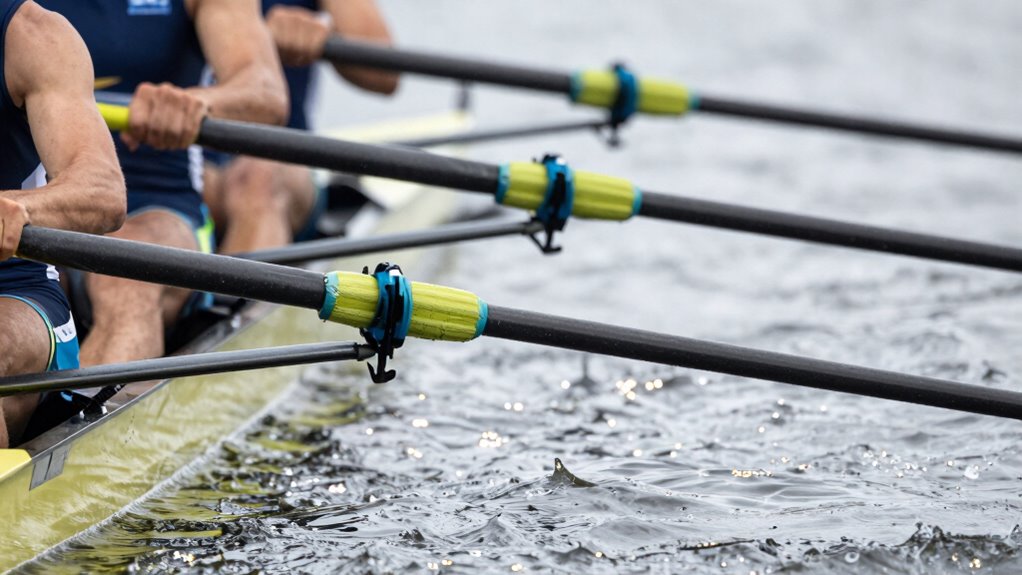

Overextending your stroke length in rowing can seriously cut into your power and efficiency. When you push too far, you waste energy and weaken your drive, making you slower and more fatigued. Conversely, underextending limits the force you generate. The key is finding the right balance—your body mechanics, breathing, and environment all play a part. Keep an eye on your technique, and you’ll maximize speed and stamina. If you continue, you’ll learn how to avoid this common mistake altogether.
Key Takeaways
- Overextending during the stroke causes energy loss and reduces power transfer efficiency.
- Underextending limits force application, decreasing overall stroke power.
- Imbalance in stroke length disrupts rhythm and diminishes rowing effectiveness.
- Poor technique in extension prevents optimal force generation and wastes energy.
- Maintaining consistent and proper stroke length maximizes power and improves endurance.

Understanding your rowing stroke length is vital for maximizing efficiency and power on the water. When you focus on optimizing this aspect of your technique, you’ll notice improvements in speed and endurance. Many rowers make a common mistake by either overextending or underextending their stroke, which can greatly reduce power transfer. The key is finding that balance where your stroke length complements your body’s mechanics and allows you to generate maximum force without wasting energy. Proper adaptive lighting and environment control can also help you stay focused and comfortable during your row.
Breathing techniques play a vital role in this process. If you hold your breath during the drive or the recovery, you restrict oxygen flow, which limits your stamina and weakens your stroke. Proper breathing helps you stay relaxed and focused, enabling a smoother, more controlled stroke length. Inhale during the recovery phase, when you’re returning to the catch position, and exhale as you drive through the stroke. This rhythm supports your body’s natural movement and prevents tension buildup that could lead to a shorter or overly long stroke. When your breathing is synchronized with your stroke, you’ll find it easier to maintain a consistent stroke length throughout your session.
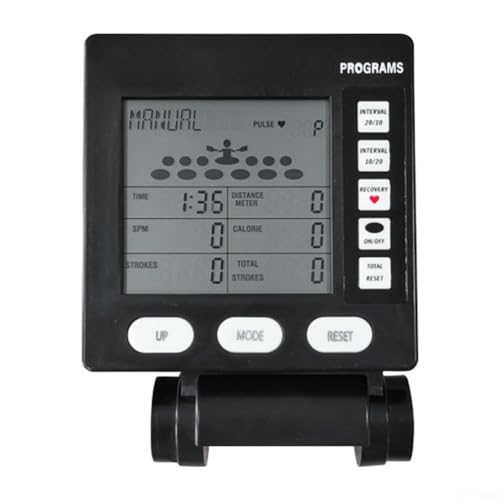
Multifunctional Rowing Machine Counter Speedometer LCD Display Counter Monitor Rower Replacement Parts
[MULTIFUNCTIONAL DISPLAY] This rowing machine counter features an LCD display that tracks essential metrics like time, paddle for…
As an affiliate, we earn on qualifying purchases.
As an affiliate, we earn on qualifying purchases.
Frequently Asked Questions
How Does Stroke Length Affect Overall Rowing Speed?
A longer stroke length boosts your rowing speed by improving stroke efficiency and maintaining a consistent rowing rhythm. When you extend your stroke correctly, you generate more power with each pull, making each stroke more effective. This momentum helps you glide smoothly across the water, increasing overall speed. However, avoid overextending, as it can disrupt your rhythm and reduce efficiency, ultimately hindering your progress rather than helping it.
Can Stroke Length Improvement Prevent Injuries?
Improving your stroke length can help prevent injuries by promoting better ergonomic adjustments in your technique. When you extend your stroke correctly, you reduce unnecessary strain on your back, shoulders, and wrists. Focus on maintaining proper form and full range of motion, which supports injury prevention. Consistently practicing these adjustments guarantees you’re not overreaching or rushing, minimizing the risk of strain and long-term damage while boosting your rowing efficiency.
What Role Does Technique Play in Optimizing Stroke Length?
Think of your technique as the blueprint guiding your river journey. Proper body positioning and hand timing are the compass and map, ensuring you maximize stroke length without losing power. When you focus on keeping your body aligned and synchronize hand movement with your core drive, you extend each stroke smoothly. This precision release your full potential, making every pull more efficient and powerful, like a boat gliding effortlessly across calm waters.
How Do Different Boat Types Influence Ideal Stroke Length?
Different boat types impact your ideal stroke length because their stability and seat positioning vary. In a stable boat, you can extend your stroke more confidently without losing balance, while less stable boats require shorter strokes to maintain control. Adjust your seat positioning accordingly; a proper setup helps maximize power and efficiency. Always tune your technique to the boat’s design to avoid overextending, which can compromise stability and reduce your overall power.
Is Longer Stroke Length Always Better for Power?
A longer stroke length isn’t always better for power. It can improve stroke efficiency, but if it causes you to overreach, you’ll likely fatigue faster and lose control. Focus on maintaining a balanced stroke that maximizes power without overextending. Proper technique helps you stay efficient and manage fatigue, ensuring you apply consistent force through each part of the stroke. Remember, optimizing stroke length involves finding a comfortable, effective range—not just going as long as possible.
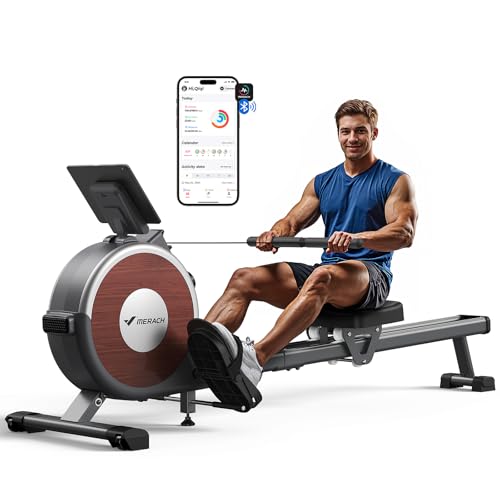
Merach Rowing Machine, Magnetic Rower Machine for Home, 16 Levels of Quiet Resistance, Dual Slide Rail with Max 350lb Weight Capacity, App Compatible with LCD Monitor, Q1S
MERACH APP: Our App offers various courses and programmed exercises for you, Taking the courses can bring your…
As an affiliate, we earn on qualifying purchases.
As an affiliate, we earn on qualifying purchases.
Conclusion
Remember, maximizing your stroke length can boost your power considerably. Studies show that rowers with ideal stroke length generate up to 15% more force than those who rush through their movements. By focusing on proper technique and avoiding common mistakes, you can release more strength and efficiency in every pull. Don’t let a simple mistake steal your power—refine your stroke length today, and feel the difference on the water.
Merach Rowing Machine, Magnetic Rower Machine for Home, 16 Levels of Quiet Resistance, Dual Slide Rail with Max 350lb Weight Capacity, App Compatible with LCD Monitor, Q1S
MERACH APP: Our App offers various courses and programmed exercises for you, Taking the courses can bring your…
As an affiliate, we earn on qualifying purchases.
As an affiliate, we earn on qualifying purchases.
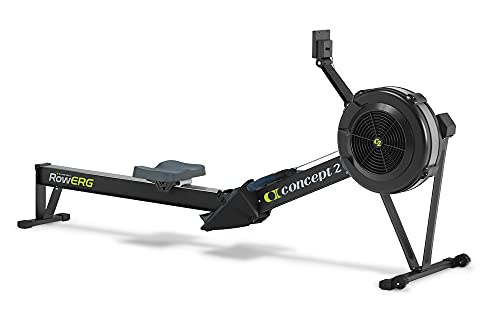
Concept2 RowErg Indoor Rowing Machine – PM5 Monitor, Device Holder, Adjustable Air Resistance, Easy Storage
Integrated Device Holder allows you to keep your Smart Phone or Tablet securely in place. Compatible with over…
As an affiliate, we earn on qualifying purchases.
As an affiliate, we earn on qualifying purchases.