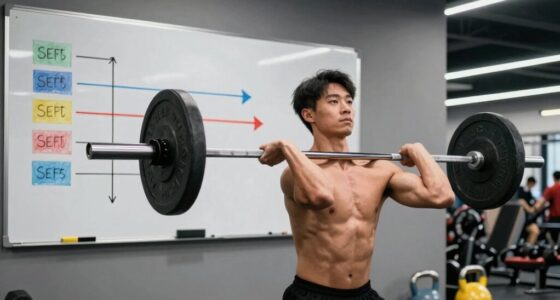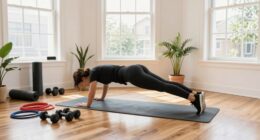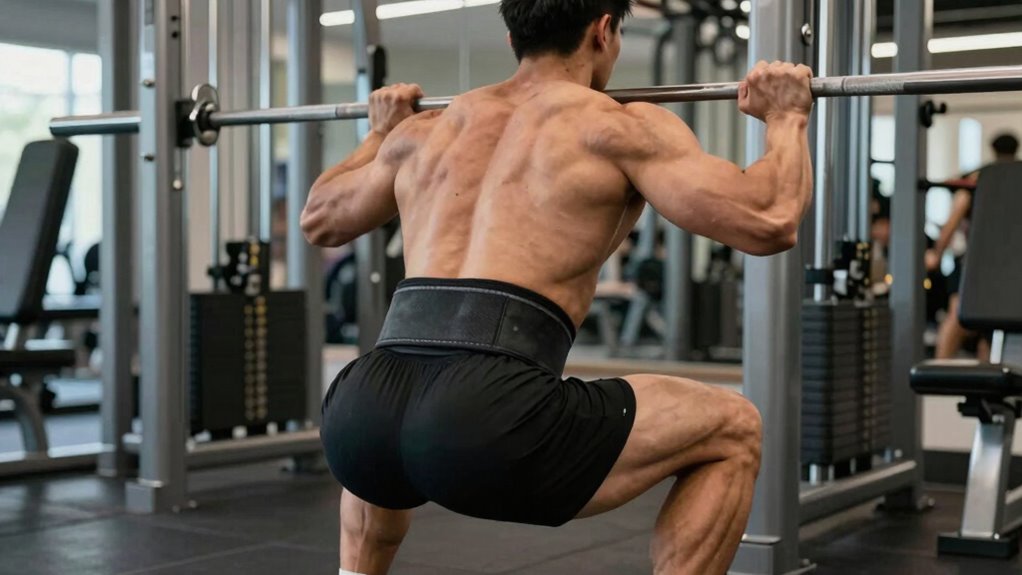
To protect your back in every move, mastering core bracing is essential. Focus on engaging your deep abdominal muscles by breathing deeply into your belly and tightening your core while maintaining good posture. Keep your spine neutral, shoulders back, and avoid over-arching or rounding your back. Practicing these cues consistently will become second nature, providing stability and reducing injury risk. Keep exploring to learn how to perfect this crucial skill for safer, more effective workouts.
Key Takeaways
- Proper core bracing stabilizes the spine by increasing intra-abdominal pressure, preventing injury during movement.
- Deep, diaphragmatic breathing enhances core engagement and maintains stability throughout exercises.
- Maintaining neutral posture ensures efficient muscle activation and reduces strain on the back.
- Developing consistent bracing technique over time makes it an automatic safety habit during workouts.
- Mastering core bracing improves strength, balance, and overall control, safeguarding your back in every move.

Have you ever wondered how athletes and fitness enthusiasts maintain stability and prevent injury during intense workouts? The key lies in mastering core bracing, a skill that provides essential support for your spine and helps you perform movements safely. Proper core bracing isn’t just about tightening your abs; it involves a combination of breathing techniques and posture alignment that work together to create a solid, stable core. When done correctly, it protects your back from unnecessary strain and enhances your overall strength and control.
Master core bracing with proper breathing and posture to prevent injury and boost strength during workouts.
First, focus on your breathing techniques. Deep, diaphragmatic breathing is fundamental to effective core bracing. Instead of shallow chest breathing, breathe deeply into your belly, filling your lungs fully and engaging your diaphragm. This type of breathing increases intra-abdominal pressure, which acts like a natural corset around your spine. As you inhale, imagine your stomach expanding outward; as you exhale, gently tighten your abdominal muscles. This controlled breathing not only stabilizes your core but also helps you stay calm and focused during demanding lifts or movements. When you combine breathing techniques with intentional core engagement, you create a stable foundation that supports your entire body.
Alongside breathing, maintaining proper posture alignment is vital. Your goal is to keep your spine in a neutral position—neither overly arched nor rounded—throughout each movement. Good posture alignment involves keeping your shoulders back, chest up, and core engaged. When your posture is aligned correctly, it allows your muscles to work efficiently and prevents compensatory movements that can lead to injury. Think of your core as the central link connecting your upper and lower body; if your posture is off, the strain gets transferred to your back or joints. Practice standing tall, with your chest proud and shoulders relaxed, while actively tightening your core muscles. This not only improves your stability but also trains your body to adopt better habits during all exercises.
Incorporating these elements into your routine takes conscious effort, especially at first. Focus on slow, deliberate movements where you pay attention to your breathing and posture. Over time, this becomes second nature, and core bracing becomes a seamless part of your workout. Remember, it’s not about squeezing everything as hard as you can but rather creating a balanced tension that supports your spine and enhances your control. Developing consistent technique in core bracing ensures you maximize safety and effectiveness in every exercise. When you master proper breathing techniques and posture alignment, you’ll notice improvements in your strength, balance, and injury prevention. This simple yet effective combination forms the foundation of core bracing—an essential skill that guarantees every move you make is safer and more efficient.
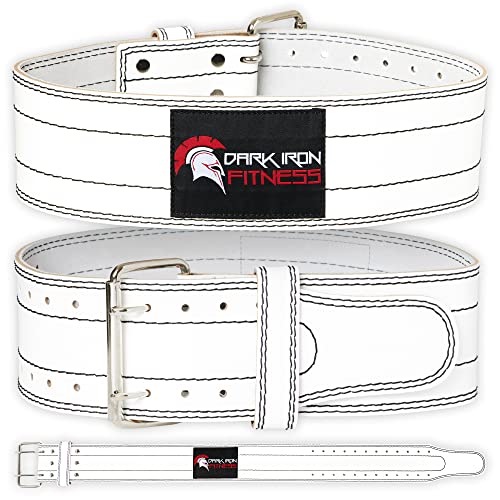
Dark Iron Fitness Genuine Leather Weightlifting Belt, 4 Inch Wide for Men Women with Double Prong Buckle Reinforced Stitching, Powerlifting Deadlift Squat Training Core Support Gym Strength Workout
PREMIUM GENUINE LEATHER BELT: 100% real leather weightlifting belt features double-row stitching and reinforced construction. Superior back support…
As an affiliate, we earn on qualifying purchases.
As an affiliate, we earn on qualifying purchases.
Frequently Asked Questions
How Long Does It Take to Master Proper Core Bracing?
It takes consistent practice to master proper core bracing, usually a few weeks to a few months. You’ll notice a core delay if you don’t engage your muscles early enough, so focusing on bracing mechanics helps you activate your core more effectively. With patience and regular training, you’ll develop muscle memory, making proper bracing second nature and considerably reducing injury risk during lifting or movement.
Can Core Bracing Prevent All Types of Back Injuries?
Core bracing substantially enhances spinal stability and reduces injury risk, but it cannot prevent all back injuries. You should combine proper core bracing with good technique, strength training, and flexibility exercises for ideal injury prevention. While core bracing is a powerful tool, understanding its limits and maintaining overall back health is essential to protect yourself during various activities. Always listen to your body and seek professional advice when needed.
Is Core Bracing Necessary for Everyday Activities?
Yes, core bracing can be helpful for everyday activities. It promotes better posture correction and enhances muscle activation, which supports your back and reduces strain. When you consciously engage your core during daily tasks, you’re less likely to experience discomfort or injury. Developing this habit strengthens your muscles and encourages proper movement, making your routine safer and more comfortable. So, incorporating core bracing into daily life is definitely beneficial.
How Does Breathing Affect Core Bracing Effectiveness?
Think of your breath as the rhythm that fuels your core bracing. When you engage your diaphragm and control breath hold timing, you create a sturdy anchor, like tightening a knot. Proper breathing enhances core stability, ensuring your muscles work together seamlessly. If you breathe too shallow or forget to time your breath hold, your brace weakens, leaving your back vulnerable. Mastering this flow keeps your core and back safe with every move.
Are There Specific Exercises to Improve Core Bracing Skills?
Yes, you can improve your core bracing skills with specific exercises focused on abdominal activation and muscle engagement. Try planks, dead bugs, and bird dogs to enhance control and stability. Focus on consciously engaging your core muscles during each movement, maintaining proper breathing to support effective bracing. Consistent practice helps you develop better muscle engagement, making your core more responsive and protecting your back during all activities.

Bas Rutten O2Trainer: Breathing Muscle Training Device | Lung Power & Endurance Tool for Athletes, Singers & High-Altitude Performance | Diaphragmatic Respiratory Trainer | 16 Resistance Caps | Blue
DESIGNED BY UFC LEGEND BAS RUTTEN: Created by world champion fighter and conditioning expert Bas Rutten, the O2Trainer…
As an affiliate, we earn on qualifying purchases.
As an affiliate, we earn on qualifying purchases.
Conclusion
Mastering core bracing can substantially reduce your risk of injury—studies show that proper core engagement decreases lower back pain by up to 60%. By consistently applying these techniques, you not only protect your spine but also improve your overall strength and stability. Remember, a strong core supports every move you make, making your workouts safer and more effective. Keep practicing core bracing, and you’ll notice better performance and fewer injuries in no time.

FEATOL Back Brace Support Belt-Lumbar Support Back Brace for Back Pain, Sciatica, Scoliosis, Herniated Disc Adjustable Support Straps-Lower Back Brace with Removable Lumbar Pad for Men & Women
[CHOOSE YOUR SIZE] – Pay attention to measure your waist at the level of your navel, not your…
As an affiliate, we earn on qualifying purchases.
As an affiliate, we earn on qualifying purchases.

Upright GO 2 Premium | Posture Corrector Trainer & Tracker for Women & Men with Smart App
Boost Your Health: Meet UPRIGHT GO the simplest, fastest and most natural way to improve your posture in…
As an affiliate, we earn on qualifying purchases.
As an affiliate, we earn on qualifying purchases.